

In a global economy increasingly dominated by profit-driven corporations, family-owned businesses continue to play a vital role in shaping the world’s most essential industries. This is evident in agriculture, where family firms are among the sector’s most influential players, collectively moving trillions of dollars in commodities, feeding millions of people, and operating across nearly every continent – all while navigating the complexities of today’s global markets.
It is estimated that family-owned enterprises account for the majority of agribusinesses worldwide, accounting for 80% to 95% of all farms across North America, Europe, and Australia. Beyond supporting local economies and contributing to the sector’s broader financial growth, families in agriculture are also safeguarding biodiversity and championing sustainable practices critical to the industry’s long-term future.
Here are 5 family firms whose global reach, ingenuity, and multigenerational leadership have left indelible impacts on one of the world’s most essential sectors:
Company: Mitolo Family Farms
Country: Australia
Annual Revenue: $280 Million
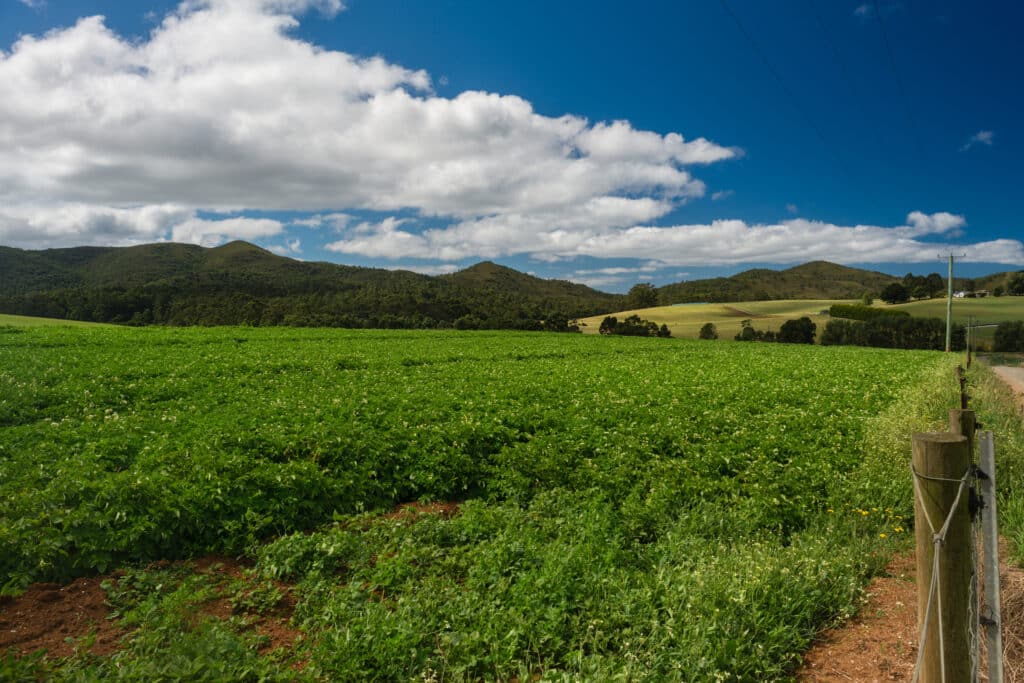
Mitolo Family Farms is a leading vertically integrated agricultural business specialising in potato and onion production. Founded in 1972 by Bruno and Angela Mitolo in Virginia, South Australia, the company began as a potato packer for third-party growers. Over time, it has grown into Australia’s largest potato grower and a major supplier of fresh produce to the country’s leading supermarkets and wholesalers.
Today, Mitolo operates 26 farms across South Australia and New South Wales, producing approximately 200,000 tonnes of potatoes and 60,000 tonnes of onions annually. The company controls every stage of its supply chain, from growing and harvesting to packing and distribution, and is widely recognised for its innovations, including low-carbohydrate and low-glycaemic potato varieties. Mitolo Family Farms is also known for its high-quality produce, strong sustainability practices, and ongoing investment in research and development.
The Mitolo family continues to hold a significant ownership stake in the company, even after its 2023 strategic partnership with external investors, which supported its expansion. Frank Mitolo, son of the company’s founders, leads the business as Managing Director.
Company: Parrish & Heimbecker
Country: Canada
Annual Revenue: $792 Million
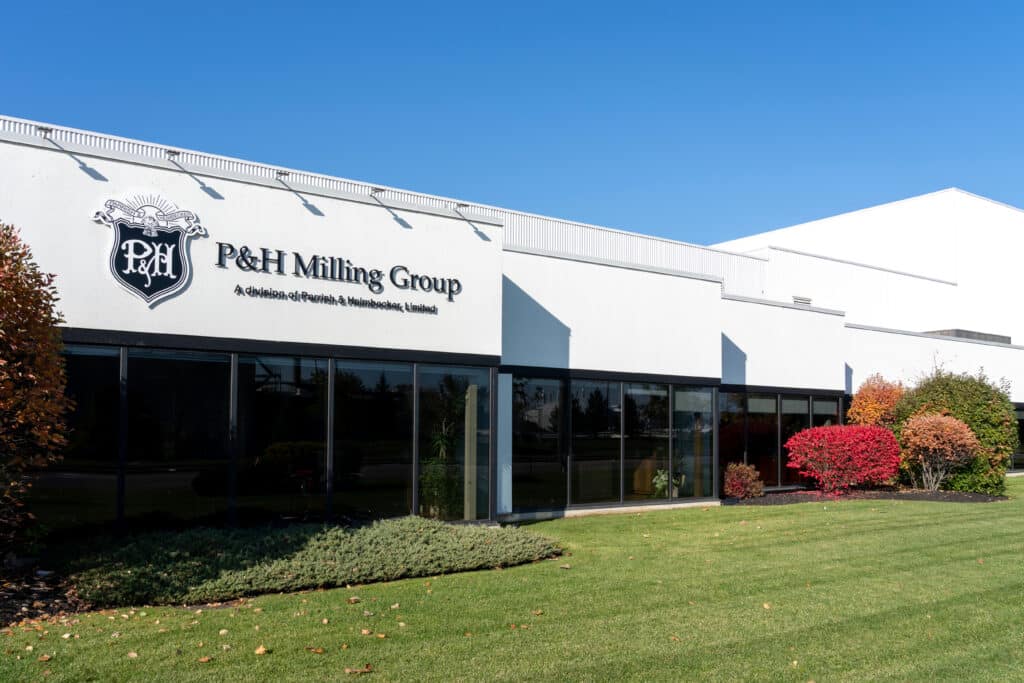
Parrish & Heimbecker (P&H) was founded in 1909, when the Parrish grain-trading family of Manitoba joined forces with the Heimbecker family of Ontario. Over more than a century, the company has grown into one of Canada’s leading family-owned agribusinesses and one of the country’s largest integrated agri-food companies. Today, P&H’s operations span the entire agricultural supply chain, from seed supply to distribution, with over 70 locations nationally and sales to approximately 24 countries globally.
P&H operates Canada’s largest domestically owned flour milling business, with nine mills supplying customers across Canada and international markets such as the US, the Caribbean, the Middle East, and Asia. The company is also Canada’s third-largest grain handler, with over 40 grain and crop input sites, as well as export terminals nationwide. Through its New-Life Mills division, P&H manufactures specialised animal nutrition products at five production facilities, focusing on animal health, production improvement, and nutrition.
The company remains privately held and managed by its founding families. William Parrish, Sr., grandson of company founder William Linton Parrish, is P&H’s Co-Owner, while Kaitlyn Heimbecker, direct descendant of founder Norman Heimbecker, serves as the company’s Vice President of Human Resources.
Company: Louis Dreyfus Company
Country: Netherlands
Annual Revenue: $51 Billion
The Dutch-French multinational was founded in 1851 by Léopold Louis-Dreyfus, who began the business by purchasing wheat from local farmers and transporting it to nearby Switzerland. By the early 20th century, Louis Dreyfus Company had expanded its international footprint into the US, Brazil, and Australia, and continued to diversify into cotton, citrus, sugar, and coffee trading. After World War II, the firm entered new regions and added oilseeds, citrus processing, and other agricultural commodities to its operational portfolio.
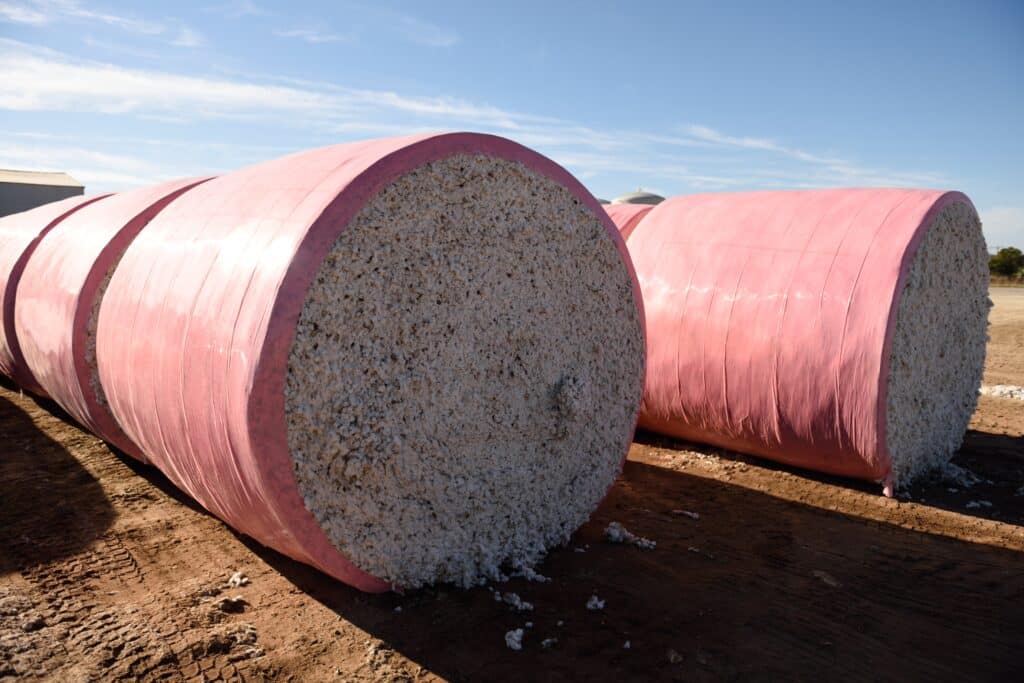
Today, Louis Dreyfus Company is one of the world’s largest agricultural commodity traders, handling approximately 10% of global agricultural trade products. It is the world’s largest cotton and rice trader, and maintains a significant presence in global sugar markets. The vertically integrated company has a diversified portfolio that includes animal feed, food and beverages, pharmaceuticals, bioenergy, and transportation, with operations spanning more than 100 countries worldwide.
The Louis-Dreyfus family plays a central role in the firm’s governance, setting strategic direction and overseeing major decisions. Multiple generations of family members have served in key leadership roles across the board and executive committees. Margarita Louis-Dreyfus, whose late husband Robert Louis-Dreyfus served as the firm’s CEO and Chairman from 1988 to 2009, stepped down as the company’s Chairperson in 2022, but remains the Louis Dreyfus Company’s controlling shareholder.

Company: Charoen Pokphand Group
Country: Thailand
Annual Revenue: $65 Billion
Thailand’s largest private company traces its roots to 1921, when brothers Chia Ek Chor and Chia Siew Whooy opened a small seed shop in Bangkok. By 1954, the business had expanded into animal feed production, and by the late 1960s, Charoen Pokphand Group became Thailand’s leading feed producer.
Leadership passed to Chia Ek Chor’s son, Dhanin Chearavanont, in 1964. Under his direction, the company pursued vertical integration, diversification, and international expansion. Charoen Pokphand Group became the first foreign company to invest in China with the opening of a feed subsidiary in Shenzhen in 1979. The Group later expanded into non-food sectors, such as petrochemicals through a partnership with Vinythai in 1989, and telecommunications with the formation of TelecomAsia in 1990.
Today, Charoen Pokphand Group’s agribusiness is primarily focused on animal feed production, livestock farming, and food production. Its subsidiary, Charoen Pokphand Foods, is the world’s largest producer of animal feed and shrimp, and one of the top three global producers of poultry and pork. Charoen Pokphand Group remains a family-led conglomerate, run by descendants of its founders from the Chearavanont family. Dhanin Chearavanont’s son, Suphachai Chearavanont, serves as CEO and Senior Vice Chairman of the Group.

Company: Cargill
Country: USA
Annual Revenue: $154 Billion
One of the world’s leading merchants of meat, grains, food ingredients, and agricultural services, Cargill operates across 70 countries and covers most of the food and agriculture value chain. Founded in 1865 by William Wallace Cargill, the company began with a single grain warehouse in Iowa. By leveraging its proximity to the nearby railway line, Cargill was able to serve growing agricultural markets and expand the business through the construction of additional grain storage facilities.
In the late 1800s and 1900s, Cargill diversified into flour milling and other commodities. Its most significant expansion, however, came from its acquisition of grain merchandising firms and the vertical integration of its operations to acquire greater control over grain shipping and storage. Following the death of the company’s founder, leadership passed in 1909 to John Hugh MacMillan, who had married William Wallace Cargill’s daughter, Edna. He guided the company through a period of significant financial pressure and was later succeeded by his son, John Hugh MacMillan Jr., who became President in 1936.
Today, Cargill is one of the world’s largest private companies, delivering products to 125 markets globally. In recent years, the company has expanded into renewable energies and biofuels, highlighted by its acquisition of agro-industrial business SJC Bioenergia in 2025. Cargill remains principally owned by the extended Cargill-MacMillan family, comprising approximately 90 to 100 family members who hold the majority of the company’s shares. Around six family members also serve on Cargill’s board.