
Off the Beaten Path:
Building on Legacy with Next-generation Family Entrepreneurship


Interview with Abdulrahman Al Bassam, Co-founder and Executive Chairman of AWN Enterprises and CEO of Tilal Real Estate Development Company, Kingdom of Saudi Arabia
With its shared history, values, and goals, it’s easy to forget that a family business is both an entity unto itself and a collection of individuals. Balancing this duality is key: individuality can cause friction even in the most successful enterprising families, but it can also underpin an enterprise's success.
Al Bassam & Sons is one of Saudi Arabia's oldest and most renowned family companies. When Abdulrahman Al Bassam came to work for the family enterprise, his peers welcomed his innovativeness. And yet, Abdulrahman discovered that incorporating his bold ideas within the dynamic of a 100-year old family operation would take more than enthusiasm alone.
The experience sent Abdulrahman on a circuitous entrepreneurial journey outside of his family’s office with his wife Norah, also part of an august Saudi family business legacy: the Tamimi Group. And yet, the powerhouse entrepreneurial team didn't stray too far from the family fold. Instead, they redefined what building on a family legacy meant to them, finding a balance between their goals and the goals of the collective.
With the support of both Al Bassam & Sons and the Tamimi Group, the couple established AWN Enterprises in 2009, a successful investment firm and an unlikely key catalyst in creating the innovative real estate development company, Tilal.
Tharawat Magazine met with Abdulrahman Al Bassam, who now serves as Tilal’s CEO, while maintaining the investment firm and hospitality sector collaborator he built with his wife, Norah, to talk about taking a different approach towards building on his family’s legacy, the challenges of fomenting change in a family business environment, and how a culture based on consistency can take a company toward its full potential.
Your family business has celebrated its centennial. When did you first realise you were a part of a multi-generational family business legacy?
Although there was no definitive moment of awareness, my family’s business and its enduring history have been an integral part of my daily life for as long as I can remember. Even at a very young age, I used to accompany my father to the office and watch him and my grandfather work together, which I enjoyed immensely. Sometimes, I would even tap on an old typewriter to contribute.
I also remember learning about my family’s business history and its impact on the region during family gatherings.
But there was a specific moment when I was still quite young — maybe the eighth grade — when I came to understand that I would have a role in the world I had seen and heard so much about. My father presented my younger brother and I each with a stock certificate and the first cheque I had ever seen with my name on it. The sum of the cheque was not large, but it was a very big deal in my mind. My father told me it was a gift from my grandfather — money to to be responsible for and a stock certificate to get me started. At that moment, I realised that I was an independent person who owned something and had responsibility.
Later, during my final years of university, I asked my father if I could go into the office in the afternoons because I had a genuine interest in the business and wanted to participate. So, my journey into the family business was gradual but propelled forward by several specific events.

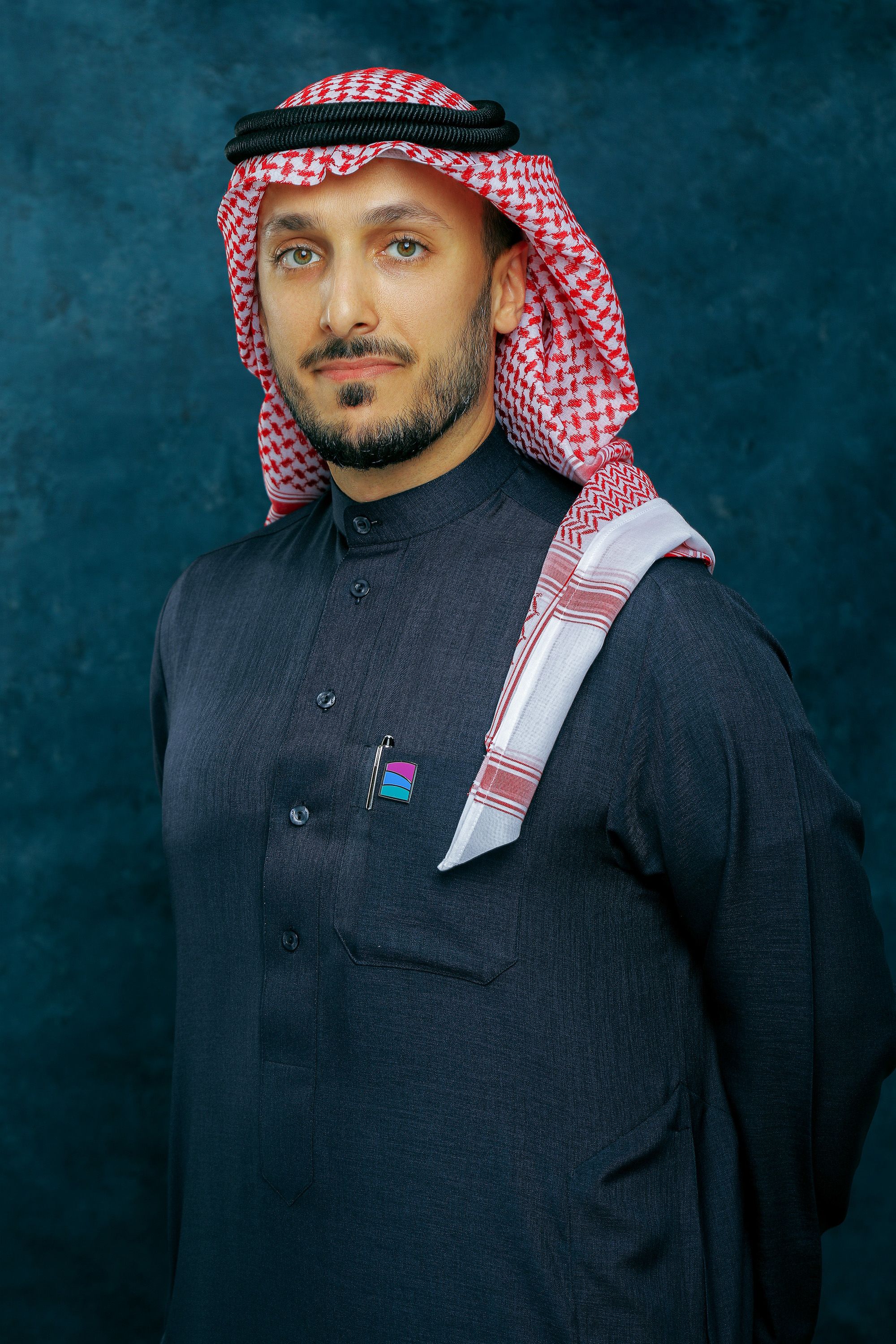
Abdulrahman Al Bassam; image courtesy of Tilal
Abdulrahman Al Bassam; image courtesy of Tilal






Listen to this interview on The Family Business Voice


Listen to this interview on The Family Business Voice


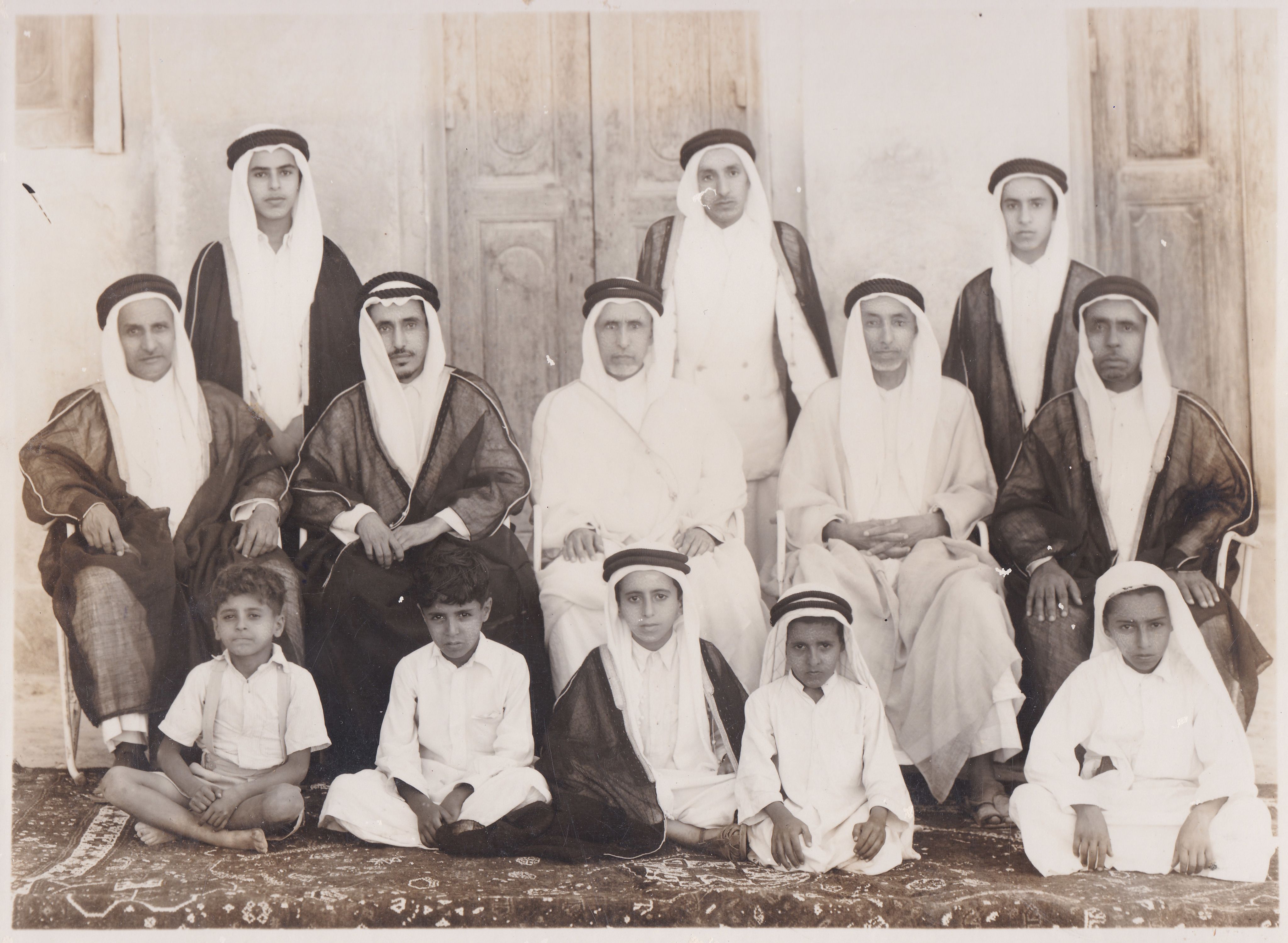
Al Bassam family with founder Abdulaziz A Al Bassam in the centre; image courtesy of AWN
Al Bassam family with founder Abdulaziz A Al Bassam in the centre; image courtesy of AWN
When did you join the family business in earnest? And how did you incorporate your entrepreneurial approach with your family’s established business activities when you did?
I had planned to work at Aramco for a few years to learn the basics, work in a professional environment, and find out how to conduct myself in business before joining the family enterprise. But the transition occurred much quicker than I intended. Even while working at Aramco, I was spending time at our family office in the afternoons to get a sense of the operation. At that time, the family business was primarily a family office with a real estate division to handle our properties. I opened a discussion with my father about how much potential I saw for the business and how I believed it was time to take the next step. I felt we had a systematic approach that was comfortable, but we weren’t tapping into the business’s full potential.
I asked my father if I could prepare a report outlining where I saw future opportunities. He was impressed with my report and showed it to other members of the family, but nothing much came of it.
I realised that accomplishing what I had in mind would take much more involvement — a significant turning point for me. I left Aramco to join the family business for a year and sought my father’s support because I understood that what I wanted to do could not be done by me alone. But I also made it clear to my father that, with his support, I would spearhead all of my initiatives in the business. After a year of working together and accomplishing what I had set out to do, I struck out on my own. And with that, I began my journey as an entrepreneur.
What did you learn from these leaps of faith — leaving Aramco to join the family enterprise and then moving on after only a year?
I wasn’t a risk-taker when I made those decisions, yet I made them anyway and learned how important it is to take risks in the process. Today, I am a calculated risk-taker and take more risks than I used to. My wife, Norah, is very much a risk-taker, and her encouragement has always helped me commit to those giant leaps forward.
When I worked in my family’s business, I acknowledged that my father was cautious about exhibiting favouritism towards any of his children. It just wasn’t feasible for him to implement my bolder agenda — it wouldn’t appear fair to my cousins. I respected his stance but knew that I would need to venture out on my own.

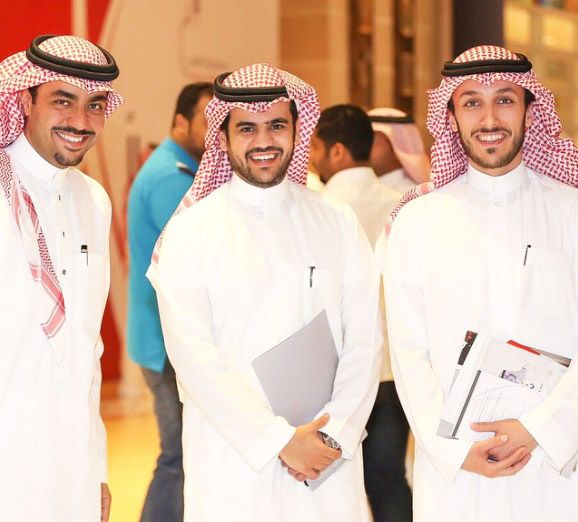
Abdulrahman Al Bassam with members of the Asharqiya Young Businessmen and Businesswomen Council, 2017; image courtesy of AWN
Abdulrahman Al Bassam with members of the Asharqiya Young Businessmen and Businesswomen Council, 2017; image courtesy of AWN
You and your wife Norah established your firm, AWN Enterprises, as an entrepreneurial team. How did your family’s business coalesce with hers to support this endeavour?
When I was still at Aramco, Norah was interested in a restaurant called Pattis that her family’s business, the Tamimi Group, owned but had decided to close because it was small and underperforming. Even though neither one of us had much experience running a restaurant, Norah loved the business and believed we could start fresh and turn it around. She took the lead but also knew she couldn’t do it all on her own, so my role steadily grew.
Simultaneously, I was still spending time in my family’s business and began building on an idea I had developed through my experience working there. I saw an opportunity to parlay our comprehensive expertise in real estate into a project management firm for small and medium construction projects. It was a unique business idea at the time and one that I knew had enormous potential.
My father saw the merits of using our engineering experience to expand the business but thought a project management company would stray too far from the family office model he was comfortable with. Consequently, he lent his engineering credentials so I could open our engineering firm, MAB Consult.
It was from these two different seeds — the restaurant acquired from my wife’s family and the engineering firm established with the help of my father — that AWN enterprises grew. We formed the company in the spirit of entrepreneurship, but it's also the confluence of two great family business legacies.
We recognise the privilege of building from what others had built before us and take seriously the responsibility that demands. I believe it’s given us a competitive edge: we are a completely independent company with the flexibility and leanness of entrepreneurs who can also rely on the support, resources, and guidance of two family businesses with enormous legacies.



If a company lets itself go in too many directions, chasing up every opportunity it sees, it may find that it doesn't really move anywhere at all. Remaining consistent has been critical to our forward progress.
- Abdulrahman Al Bassam

2020, with all the disruption of the global pandemic, presented some breakthrough opportunities for you, including a new company, Tilal. To what do you attribute that year’s successes?
I believe two things, in particular, have been critical. The first is consistency, and it was my responsibility as the CEO of AWN to keep our strategy, approach, and reach consistent, even with the challenges of a global pandemic. That said, the trouble with consistency is that it doesn’t give you big victories or a sense of instant gratification. It does, however, allow you to take full advantage of opportunities. We have tremendous opportunities in our region, but consistency ensures we stay focused in our pursuit of them while also allowing us to get pulled in a bunch of different directions. If a company lets itself go in too many directions, chasing up every opportunity it sees, it may find that it doesn't really move anywhere at all. Remaining consistent has been critical to our forward progress.
Culture is the other component that has helped drive our success. Norah leads our HORECA sector and my brother, Abdulaziz, leads the professional enterprises division. They are incredibly hard-working people who are passionate about what they do. They arrive early, leave late, and inspire others in the company. Their work ethic is integral to the culture of our organisation and very encouraging for everyone involved.
The impact of this culture became very evident during the 2020 shutdown. Non-family members in our company worked alongside family members with the same zeal and spirit. Their work projected resilience and provided assurance to my team that we were all in it together.




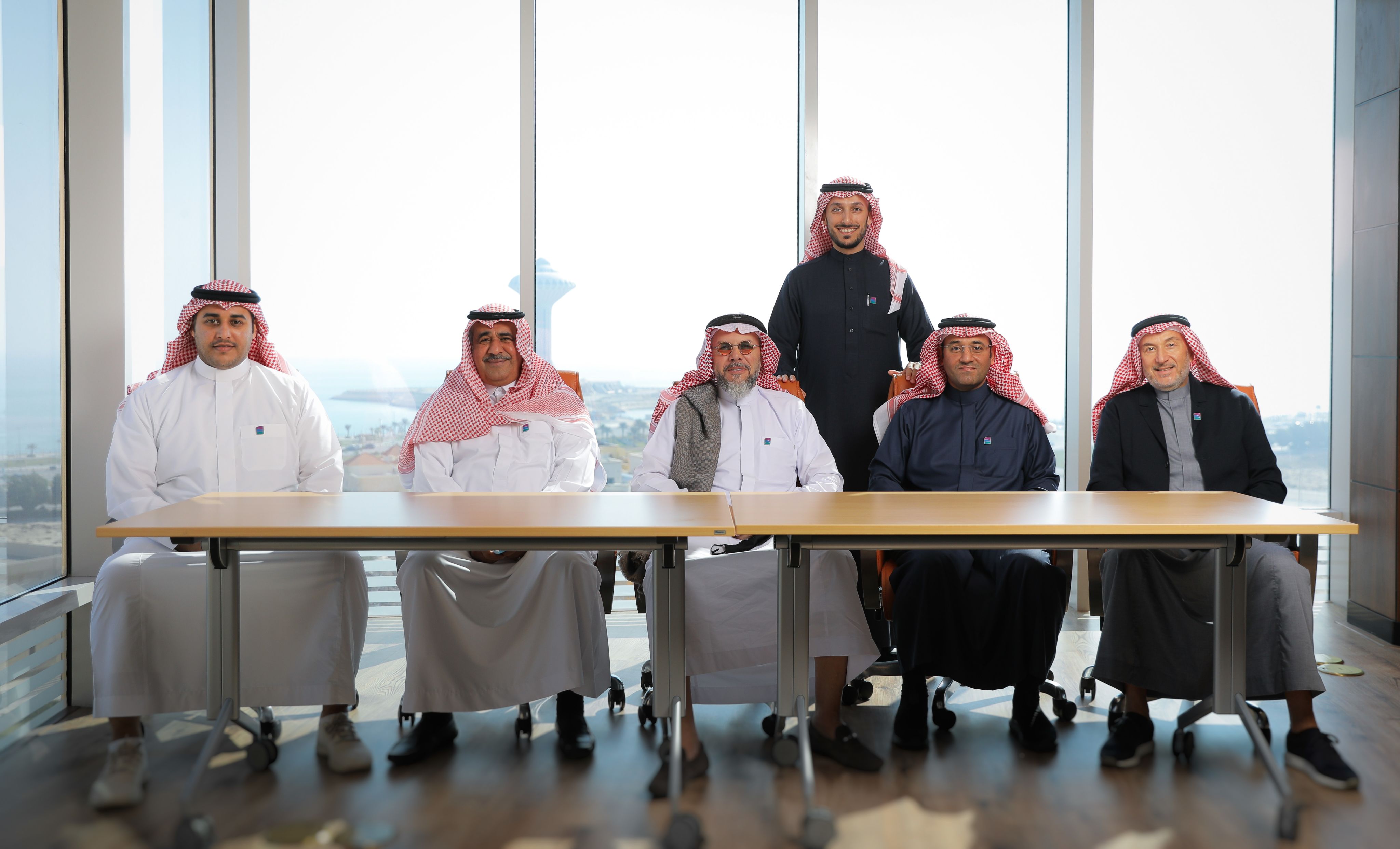
Abdulrahman with Tilal's board of directors; image courtesy of Tilal
Abdulrahman with Tilal's board of directors; image courtesy of Tilal
What led to the formation of the new company, Tilal, and why do you refer to your role as CEO as the first time you’ve found a real fit for your skills?
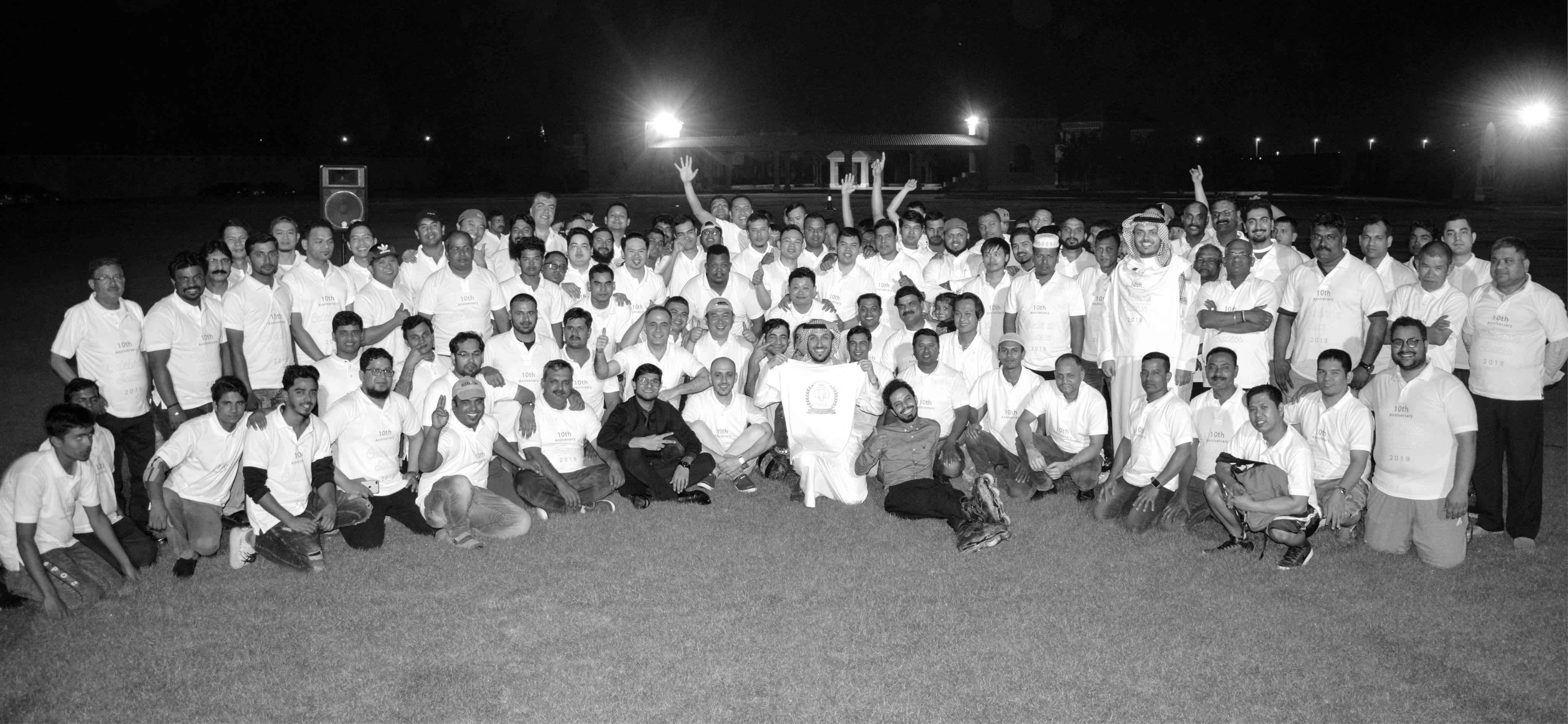
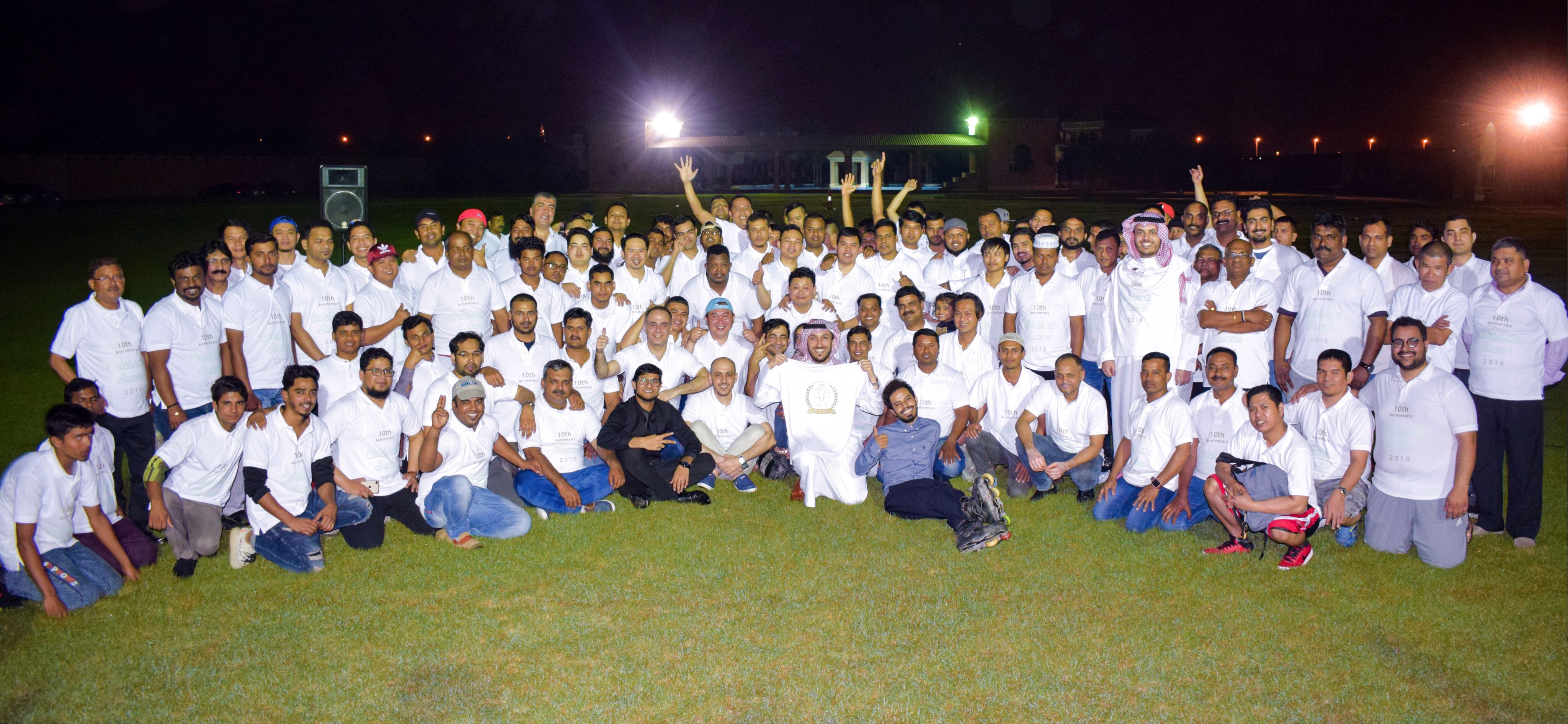
After celebrating AWN’s 10th Anniversary in 2019, we conducted some major internal workshops to set our strategy for the next 10 years. We even reassessed our vision, our mission, and our goals for the future. Again, it came back to consistency. We wanted to make decisions that would solidify our strategy for the next decade. We realised that our real estate group was involved with every aspect of a development project; feasibility, design, management and all the way to operation — but primarily for others. So, we concluded that the next step was to start a real estate development business of our own.
A few months later, my father-in-law invited me to a discussion of the founding board who envisioned creating just such a real estate development company. I witnessed the first discussion of Tilal’s board and saw them going over some ownership matters when they suggested the company needed a CEO to provide strong guidance and focus right from the start. Since we had the same desire to branch out into development with AWN, I was ready for that conversation. I’ve always pursued professional opportunities with a show, don’t tell approach and had put together an entire strategy within the AWN framework for how we could build the firm. It was the first time ever that I would call out a position that I thought I was so ready for. My father-in-law liked the idea, but he wasn’t the only person I needed to convince. I still had to make my case to the other board members who represent two other major family-owned conglomerates in Saudi Arabia; Essam Kabbani & Partners and AlOthman Holding. Not only was I successful in landing the CEO position at Tilal, but I was also able to establish AWN as one of the company’s value-adding shareholders.

I was raised to respect discipline by my father, who is a very disciplined person. Through him, I learned to respect others, listen to their opinions and never take them or their time for granted. That’s always given me perspective and kept my ego in check.
- Abdulrahman Al Bassam


Entrepreneurial success has a lot to do with confidence and vision. But what about ego? Did you ever feel it getting in the way of your endeavours?
Confidence, and a certain amount of ego, are a necessary part of business, and quite frankly, of a human being. The trick is balancing their benefits with their limitations. However, unwarranted confidence can lead to corporate myopia, which can ultimately unravel an organisation.
I was raised to respect discipline by my father, who is a very disciplined person. Through him, I learned to respect others, listen to their opinions and never take them or their time for granted. That’s always given me perspective and kept my ego in check. Being humble is something we were all raised with, and I think it’s because we had a sense that our family, and what it represented, was bigger than any one person’s achievements. As a family, we celebrate our victories together and support each other in our defeats.

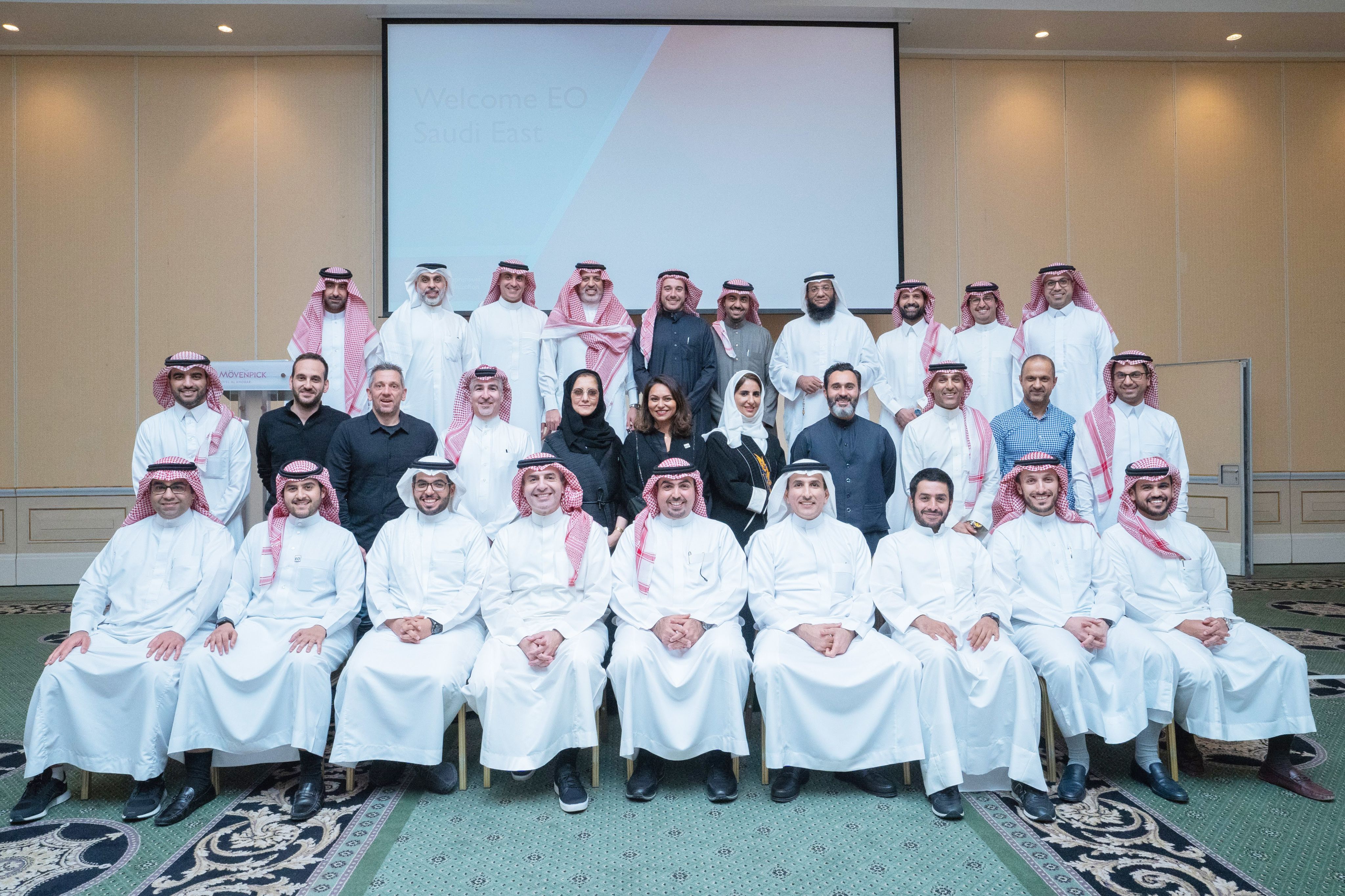
Abdulrahman with the Entrepreneurs Organization; image courtesy of AWN
Abdulrahman with the Entrepreneurs Organization; image courtesy of AWN
You’ve found a different way to contribute to your family legacies. Instead of joining a 9-5 job at the family business you took your own path. What advice would you give the next generation about reconciling their identity with their role in the family enterprise?
It’s the million-dollar question: how can someone be themselves and also embody the identity of their family’s business? The best advice I can give the next generation is not to join their family business right away. If they are interested in business, they should start work for somebody else first. They should figure out what they are good at in an environment where they are not receiving any special treatment — both fair and unfair — from their family members in the business. It’s a wonderful way to test oneself and develop potential. After that, if they choose to join the family business, they are more likely to bring a dynamic that complements their family’s enterprise — an ideal scenario where both the individual and the collective prosper.


 Built with Shorthand