Hubbard Peanut Company
A Family Legacy Harnessing the Secret Superpower of Peanuts

Interview with Marshall Rabil, Third-generation Director of Marketing and Sales, Hubbard Peanut Company, United States
It all started when Dot Hubbard, schoolteacher and mother of four, started cooking hand-picked peanuts from her farm using an innovative new recipe. The peanuts were a hit. Her friends and family couldn't get enough of them.
In 1954, Dot made the leap to entrepreneurship at a time when women entrepreneurs were exceedingly rare, and Hubbard Peanut Company (Hubs Peanuts) was born.
Even while juggling a family, a job and a new business, Dot and her husband HJ found the resources and time to support local causes. According to Marshall Rabil, director of sales and marketing at Hubs and grandson of its founders, this connection to community is something the company seeks to strengthen today through sustainability initiatives, an incentivised volunteer program and by honouring the traditional harvesting methods of local farmers.
Interview with Marshall Rabil, Third-generation Director of Marketing and Sales, Hubbard Peanut Company, United States
It all started when Dot Hubbard, schoolteacher and mother of four, started cooking hand-picked peanuts from her farm using an innovative new recipe. The peanuts were a hit. Her friends and family couldn't get enough of them.
In 1954, Dot made the leap to entrepreneurship at a time when women entrepreneurs were exceedingly rare, and Hubbard Peanut Company (Hubs Peanuts) was born.
Even while juggling a family, a job and a new business, Dot and her husband HJ found the resources and time to support local causes. According to Marshall Rabil, director of sales and marketing at Hubs and grandson of its founders, this connection to community is something the company seeks to strengthen today through sustainability initiatives, an incentivised volunteer program and by honouring the traditional harvesting methods of local farmers.
In short, staying connected to the vision and spirit of Dot and HJ through their immediate connection to community ensures that Hubs Peanuts will always represent more than just the products it sells.
We spoke with Marshall Rabil about what his family’s legacy means to him, his passion for peanuts and his vision for the future.
When did you first become aware of your family’s business legacy?
Peanuts are part of my earliest memories and experiences. I can remember riding on the conveyor belts in the kitchen at work as a young child and can also recall giving my elementary school teachers cans of Hubs peanuts for Christmas. The family business is just something that’s always been a part of me.
When you’re in a family business, you eat, breathe, sleep and dream that business twenty-four hours a day, seven days a week. In our family, it’s very typical for the business to be discussed around the dinner table. My daughter could identify our peanut brand as soon as she could speak just by the amount of exposure she had in our home and her grandparents’ house.

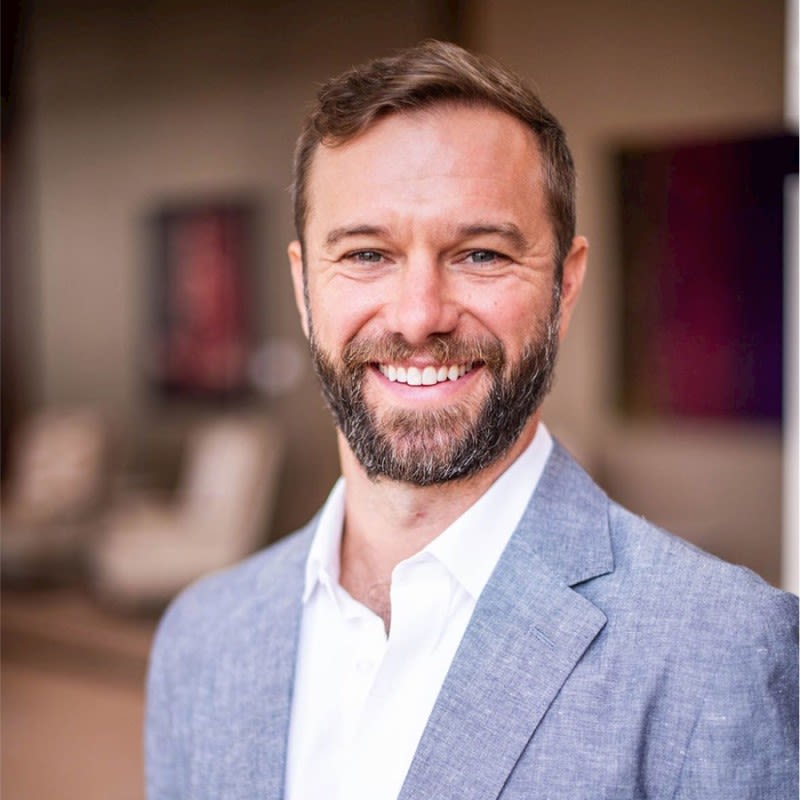
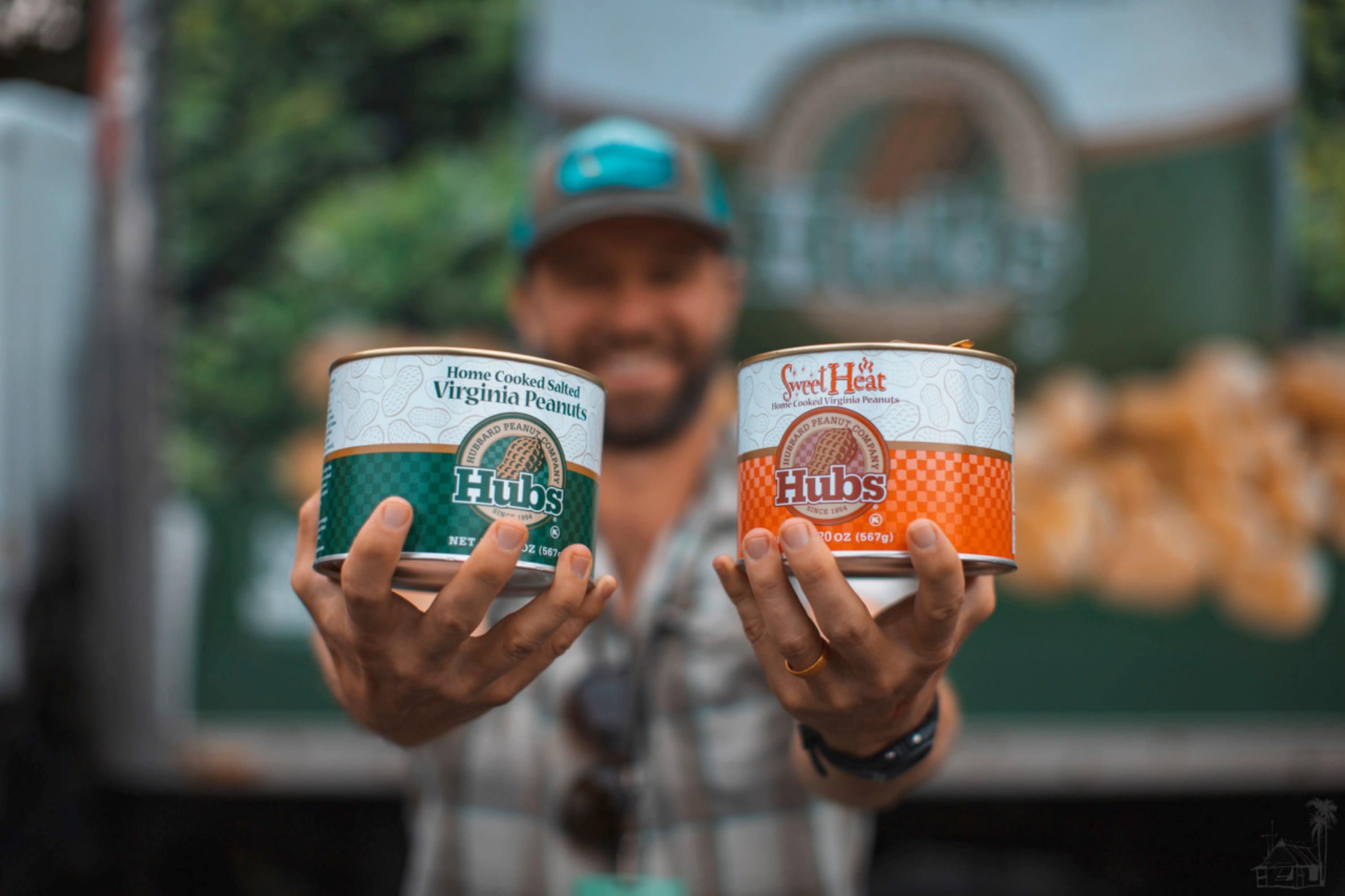
Marshall Rabil; image courtesy of Hubs Peanuts
Marshall Rabil; image courtesy of Hubs Peanuts

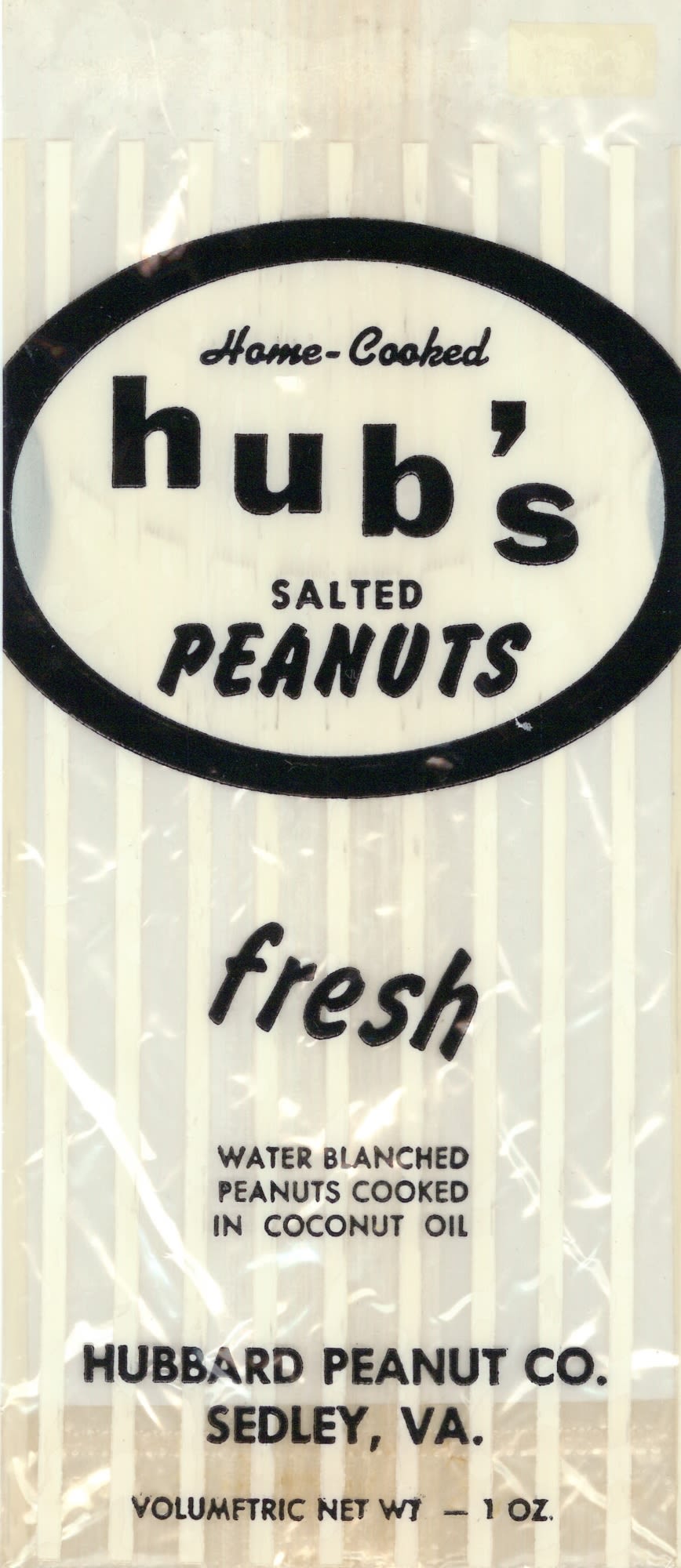
Vintage one-ounce bag; image courtesy of Hubs Peanuts
Vintage one-ounce bag; image courtesy of Hubs Peanuts
In short, staying connected to the vision and spirit of Dot and HJ through their immediate connection to community ensures that Hubs Peanuts will always represent more than just the products it sells.
We spoke with Marshall Rabil about what his family’s legacy means to him, his passion for peanuts and his vision for the future.

Marshall Rabil; image courtesy of Hubs Peanuts
Marshall Rabil; image courtesy of Hubs Peanuts
When did you first become aware of your family’s business legacy?
Peanuts are part of my earliest memories and experiences. I can remember riding on the conveyor belts in the kitchen at work as a young child and can also recall giving my elementary school teachers cans of Hubs peanuts for Christmas. The family business is just something that’s always been a part of me.
When you’re in a family business, you eat, breathe, sleep and dream that business twenty-four hours a day, seven days a week. In our family, it’s very typical for the business to be discussed around the dinner table. My daughter could identify our peanut brand as soon as she could speak just by the amount of exposure she had in our home and her grandparents’ house.




Listen to this interview on
The Family Business Voice


Listen to this interview on
The Family Business Voice


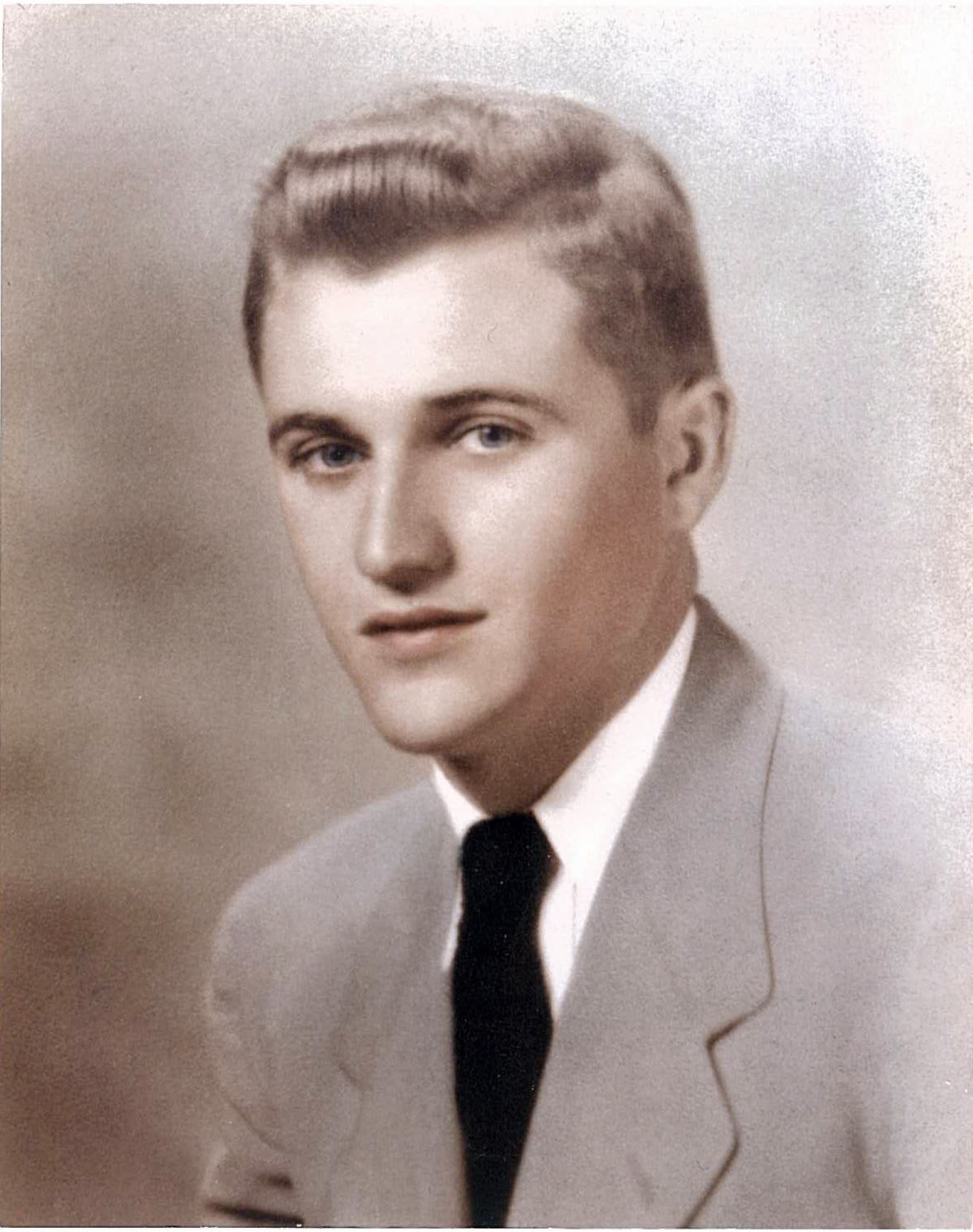
HJ Hubbard; image courtesy of Hubs Peanuts
HJ Hubbard; image courtesy of Hubs Peanuts

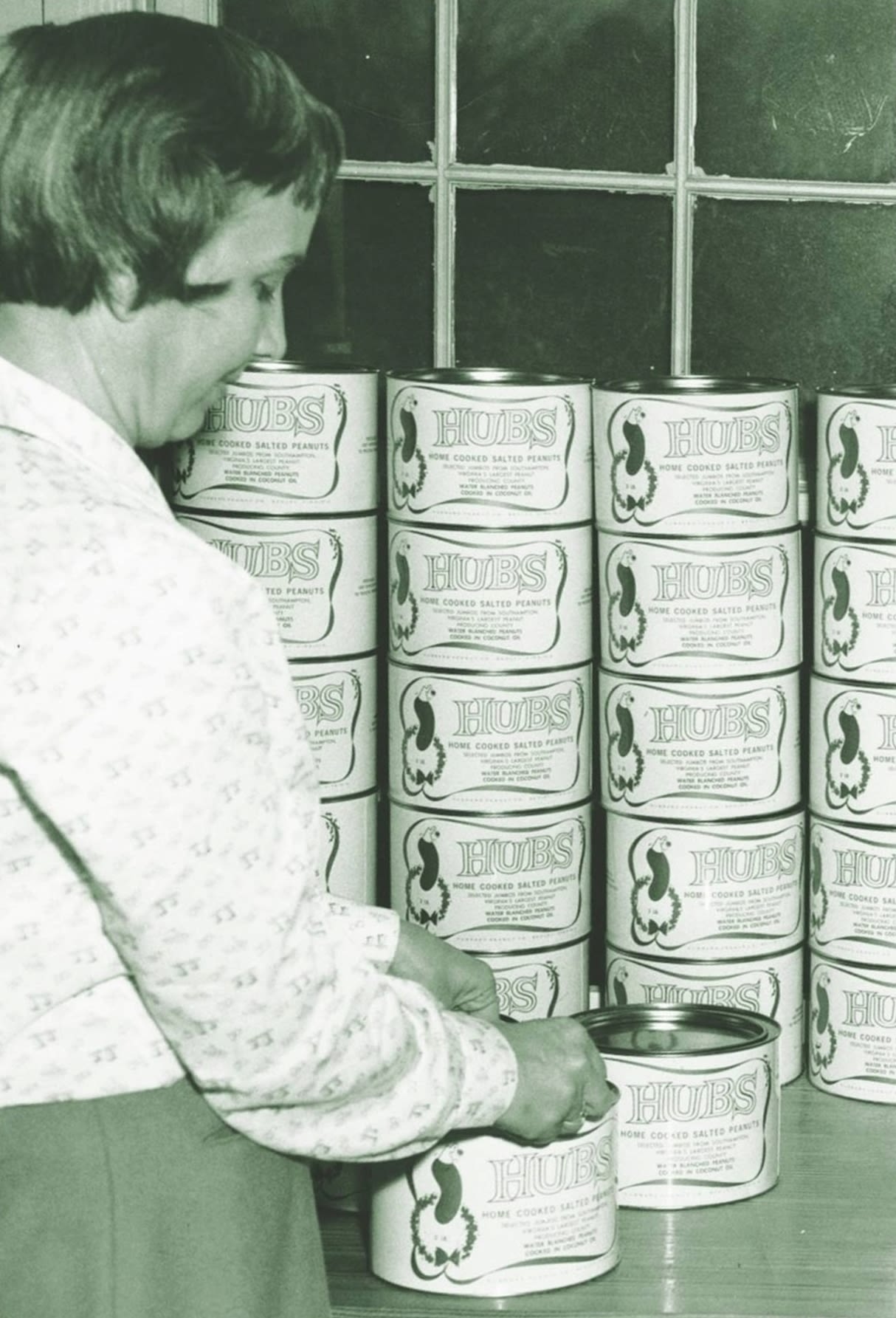
Dot Hubbard in the early days; image courtesy of Hubs Peanuts
Dot Hubbard in the early days; image courtesy of Hubs Peanuts
The company was built by your grandparents, but it was your grandmother’s recipe that precipitated Hubs success in the 1950s. How did your grandmother accomplish so much?
Now that I’m also a parent, it astounds me that my grandmother started a business in the 1950s with four children of her own. She was very much a pioneer, and I have no idea how she was a mother, teacher and entrepreneur at the same time. My grandfather also worked two jobs.
There’s a reason that generation is sometimes called 'the greatest'. They endured so many challenges that the following generations did not have to face. I believe the US flourished because of that generation’s innovation and how it translated to the businesses they started after The Great Depression and The Second World War. They approached entrepreneurship with a different perspective; the hardships they faced entrenched in them a real drive to succeed. They weren't just putting the time in.
Your family business is now in its third generation. What makes family members want to get involved?
Hubbard Peanut Company is a huge part of our family's identity and we are proud to be a part of it.
All of the children worked in the business when they were growing up, but some of them had different aspirations and career paths. Today, both the 2nd and 3rd generation family members remain engaged as owners and board members.
Like me, my mother had aspirations for joining and growing the business. She returned to it after a couple of years of teaching. In the 1980s, my grandmother was taking a more hands-off approach and my grandfather had become more involved with the day-to-day activities. My mother worked closely with him and saw the opportunity and its potential for growth. My uncle, Harvey, also worked closely with HJ on the production and operation side of the business throughout the 80's, which helped streamline production.
During the 80s and 90s, my mother recognised that new technological advancements in packaging and computing could be used to scale the business for the holiday season. At this time, her sister, Sandra, also joined the business to help with implementing software to expedite orders and shipments. Through Lynne's leadership, the second generation can be credited with the growth and larger national reach of Hubbard Peanut Company.
Like my mother, I’ve never felt any pressure from my grandparents or other family members to join the business, but I’ve always harboured an interest in it. As I grew older, I realised the business could be a vehicle for my aspirations as an entrepreneur, educator and even social worker because business can do many things for a community. After gaining experience outside of the company for many years, I felt a strong pull back to Virginia. Now, I’m excited to bring some of my past activities and passions to the business. The opportunity to do so is a privilege.
The company was built by your grandparents, but it was your grandmother’s recipe that precipitated Hubs success in the 1950s. How did your grandmother accomplish so much?
Now that I’m also a parent, it astounds me that my grandmother started a business in the 1950s with four children of her own. She was very much a pioneer, and I have no idea how she was a mother, teacher and entrepreneur at the same time. My grandfather also worked two jobs.

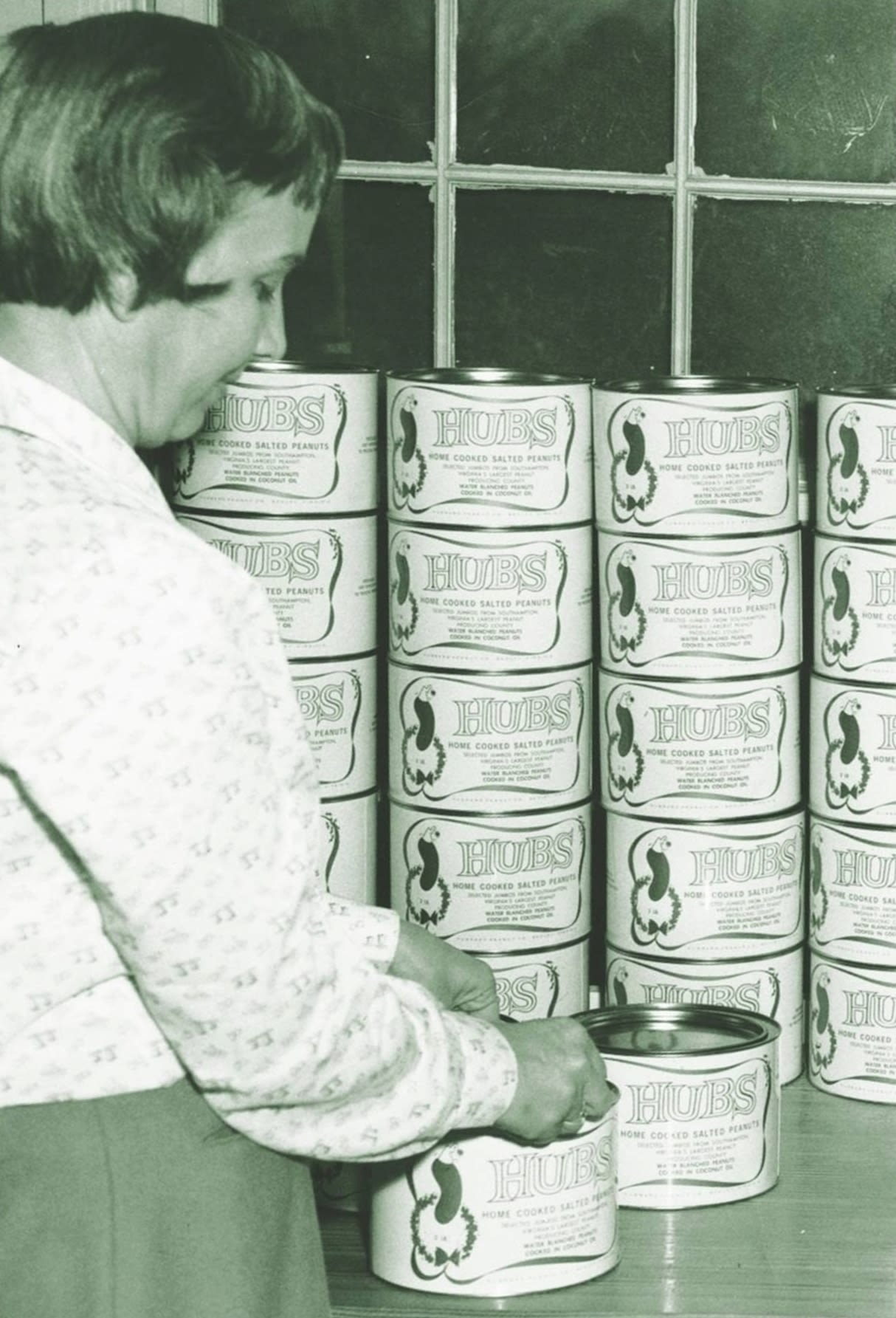
Dot Hubbard in the early days; image courtesy of Hubs Peanuts
Dot Hubbard in the early days; image courtesy of Hubs Peanuts
There’s a reason that generation is sometimes called 'the greatest'. They endured so many challenges that the following generations did not have to face. I believe the US flourished because of that generation’s innovation and how it translated to the businesses they started after The Great Depression and The Second World War. They approached entrepreneurship with a different perspective; the hardships they faced entrenched in them a real drive to succeed. They weren't just putting the time in.

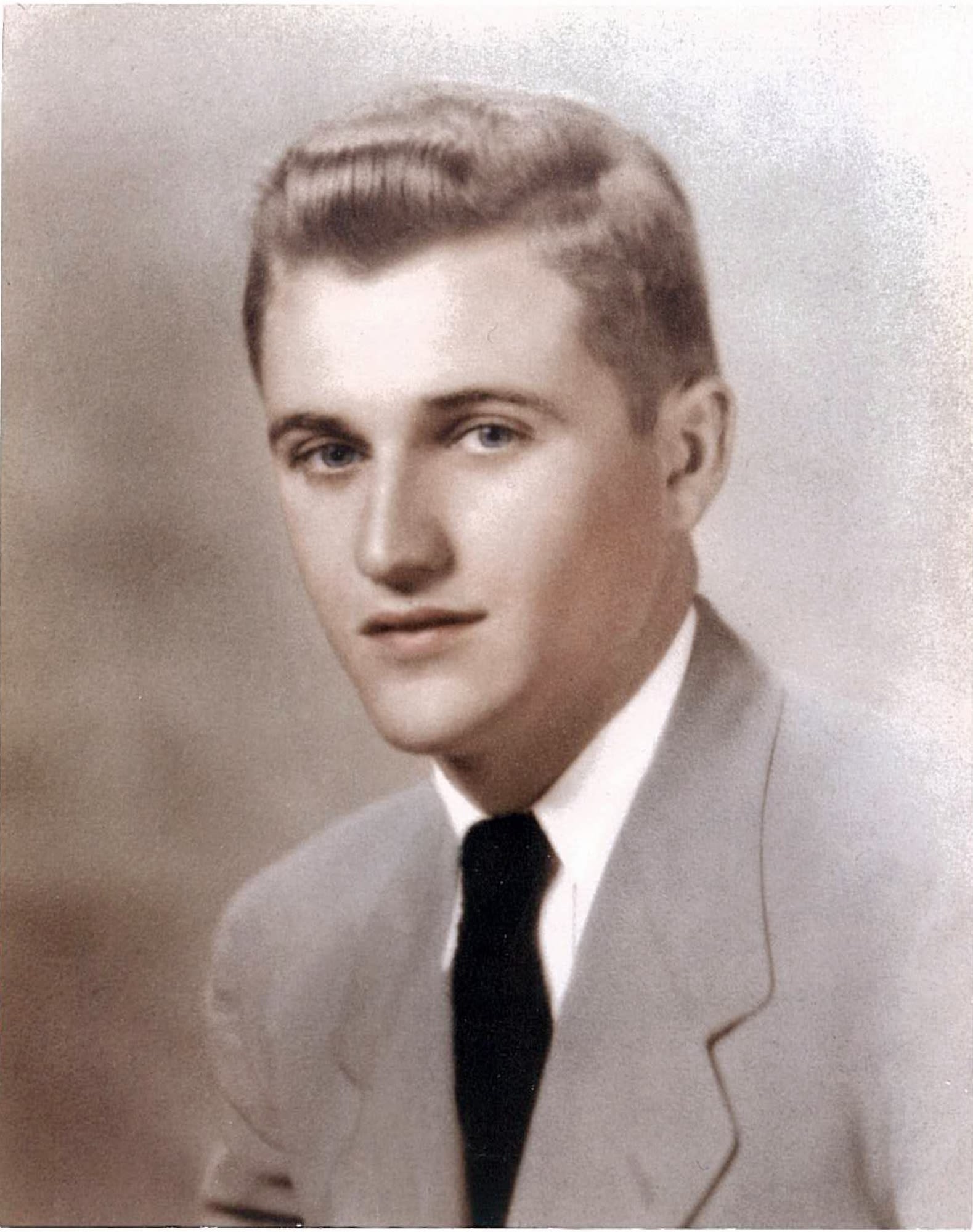
HJ Hubbard; image courtesy of Hubs Peanuts
HJ Hubbard; image courtesy of Hubs Peanuts
Your family business is now in its third generation. What makes family members want to get involved?
Hubbard Peanut Company is a huge part of our family's identity and we are proud to be a part of it.
All of the children worked in the business when they were growing up, but some of them had different aspirations and career paths. Today, both the 2nd and 3rd generation family members remain engaged as owners and board members.
Like me, my mother had aspirations for joining and growing the business. She returned to it after a couple of years of teaching. In the 1980s, my grandmother was taking a more hands-off approach and my grandfather had become more involved with the day-to-day activities. My mother worked closely with him and saw the opportunity and its potential for growth. My uncle, Harvey, also worked closely with HJ on the production and operation side of the business throughout the 80's, which helped streamline production.
During the 80s and 90s, my mother recognised that new technological advancements in packaging and computing could be used to scale the business for the holiday season. At this time, her sister, Sandra, also joined the business to help with implementing software to expedite orders and shipments. Through Lynne's leadership, the second generation can be credited with the growth and larger national reach of Hubbard Peanut Company.
Like my mother, I’ve never felt any pressure from my grandparents or other family members to join the business, but I’ve always harboured an interest in it. As I grew older, I realised the business could be a vehicle for my aspirations as an entrepreneur, educator and even social worker because business can do many things for a community. After gaining experience outside of the company for many years, I felt a strong pull back to Virginia. Now, I’m excited to bring some of my past activities and passions to the business. The opportunity to do so is a privilege.

My grandparents approached entrepreneurship with a different perspective; the hardships they faced entrenched in them a real drive to succeed. They weren't just putting the time in.
- Marshall Rabil

What impact has the process of peanut farming had on your business and the surrounding community?
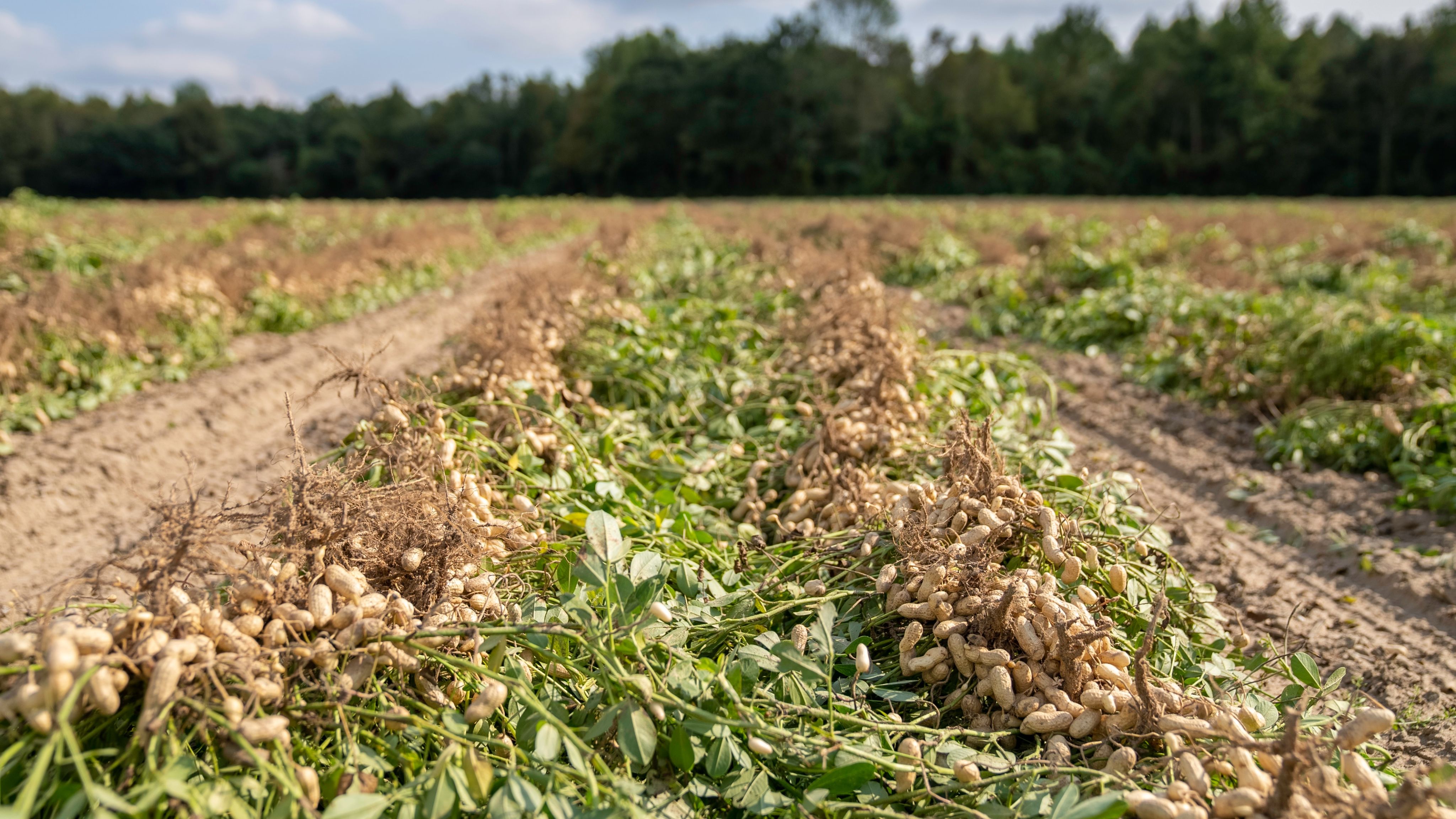
We work closely with the farmers in our community and maintain strong relationships with them. As a crop, peanuts present many benefits to our farmers. They put nitrogen back into the soil, which means fertiliser isn’t needed when rotating to another crop such as cotton.
Peanuts have a positive impact on our communities in several ways. These legumes require a fifth of the water to grow compared with almonds: five gallons of water will grow an ounce of peanuts while it takes 80 gallons of water for an ounce of almonds.
Peanuts have more protein than any other nut, and because it's plant-based protein, it has a much lower environmental footprint than other sources of protein like chicken or beef. Peanuts are also tremendously nutritious, containing antioxidants, fibre, folate, and niacin that contribute to heart and brain health.
I argue that peanuts are the world’s most important superfood, and it’s part of the reason I’m so passionate about what I do. We use a very high quality, super extra-large Virginia peanuts that are positioned as a premium product, but there is so much diversity when it comes to peanuts and what they can be used for; it’s easy for me to get excited about them.
How have your values as a family found their way into your company’s culture?
I think it’s all rooted in how my grandparents saw community. The business has grown, but we’ve continued to embrace their philanthropic spirit and commitment to partnering with organisations that directly impact those around us.
It’s part of what I’ve been working on over the last few years — ensuring that my grandparents’ and parents’ values are reflected in everything we do. To this end, we created a program called “Hubs Hearts”, which gives our employees paid opportunities to volunteer in the community, participating in activities they enjoy. We live in a small town, and all of the non-profits here require volunteer work. If we didn’t give people the time to work in these organisations, it would be almost impossible for them to exist.
Another initiative we’re working on is a partnership with the Food Bank of South-Eastern Virginia. We've given them some of our additional warehouse space where they've set up a backpack program for community kids. Various civic organisations are involved in building the packs and distributing them.
Our team is also working on the backpack project, though some choose other causes that are closer to them. The fact that people have the flexibility to work on causes they connect with is key to our volunteer program — good philanthropy comes from the heart.
All of this is rooted in the values of my grandparents, Dot and HJ. They believed that giving back to the community helped make them successful. Building this business was a community effort, so for Hubs Peanuts to be involved in every aspect of our community is authentic as it can be.

What impact has the process of peanut farming had on your business and the surrounding community?
We work closely with the farmers in our community and maintain strong relationships with them. As a crop, peanuts present many benefits to our farmers. They put nitrogen back into the soil, which means fertiliser isn’t needed when rotating to another crop such as cotton.

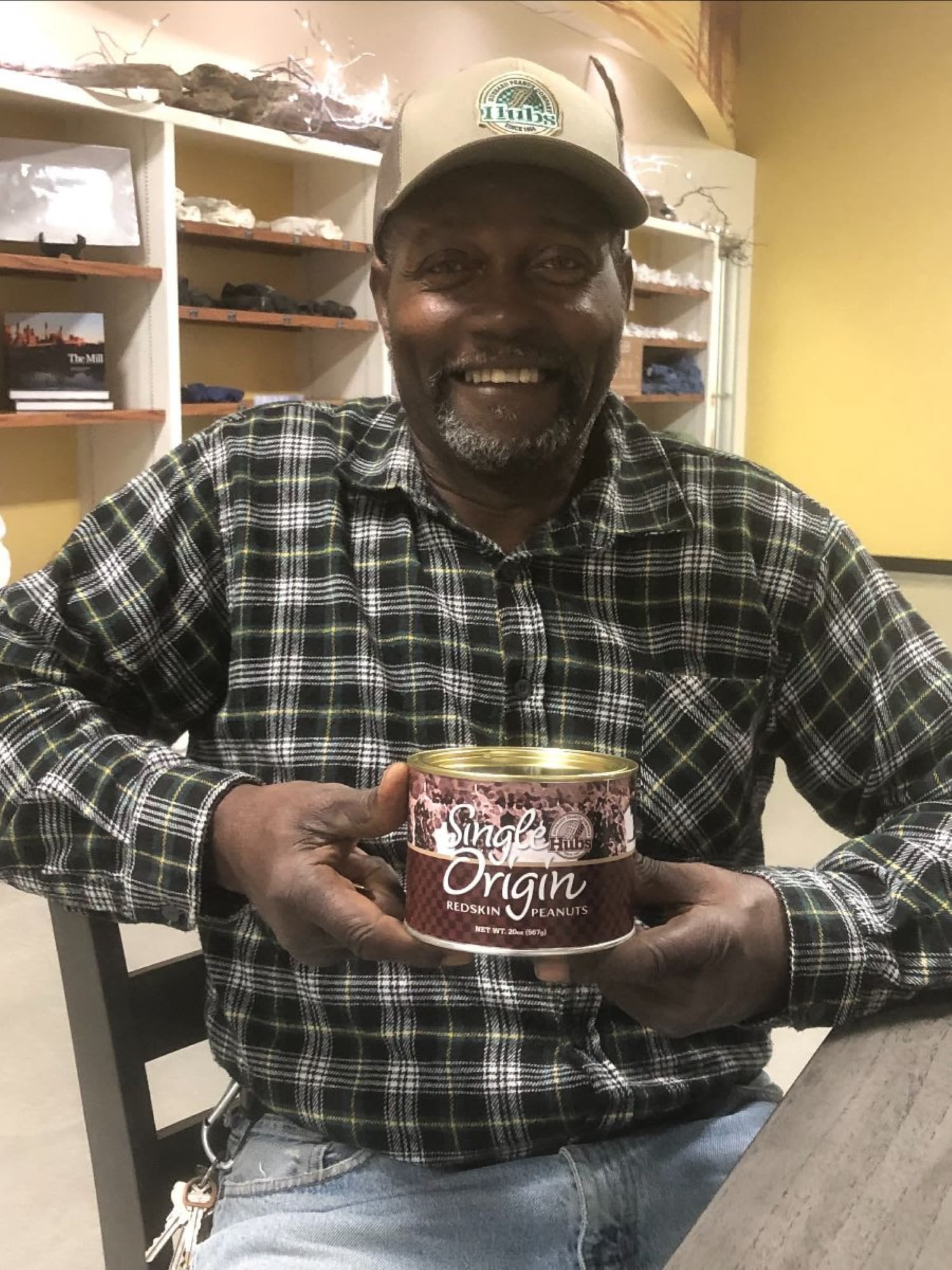
Single-origin peanut farmer Elisha Barnes; image courtesy of Hubs Peanuts
Single-origin peanut farmer Elisha Barnes; image courtesy of Hubs Peanuts
Peanuts have a positive impact on our communities in several ways. These legumes require a fifth of the water to grow compared with almonds: five gallons of water will grow an ounce of peanuts while it takes 80 gallons of water for an ounce of almonds.
Peanuts have more protein than any other nut, and because it's plant-based protein, it has a much lower environmental footprint than other sources of protein like chicken or beef. Peanuts are also tremendously nutritious, containing antioxidants, fibre, folate, and niacin that contribute to heart and brain health.
I argue that peanuts are the world’s most important superfood, and it’s part of the reason I’m so passionate about what I do. We use a very high quality, super extra-large Virginia peanuts that are positioned as a premium product, but there is so much diversity when it comes to peanuts and what they can be used for; it’s easy for me to get excited about them.

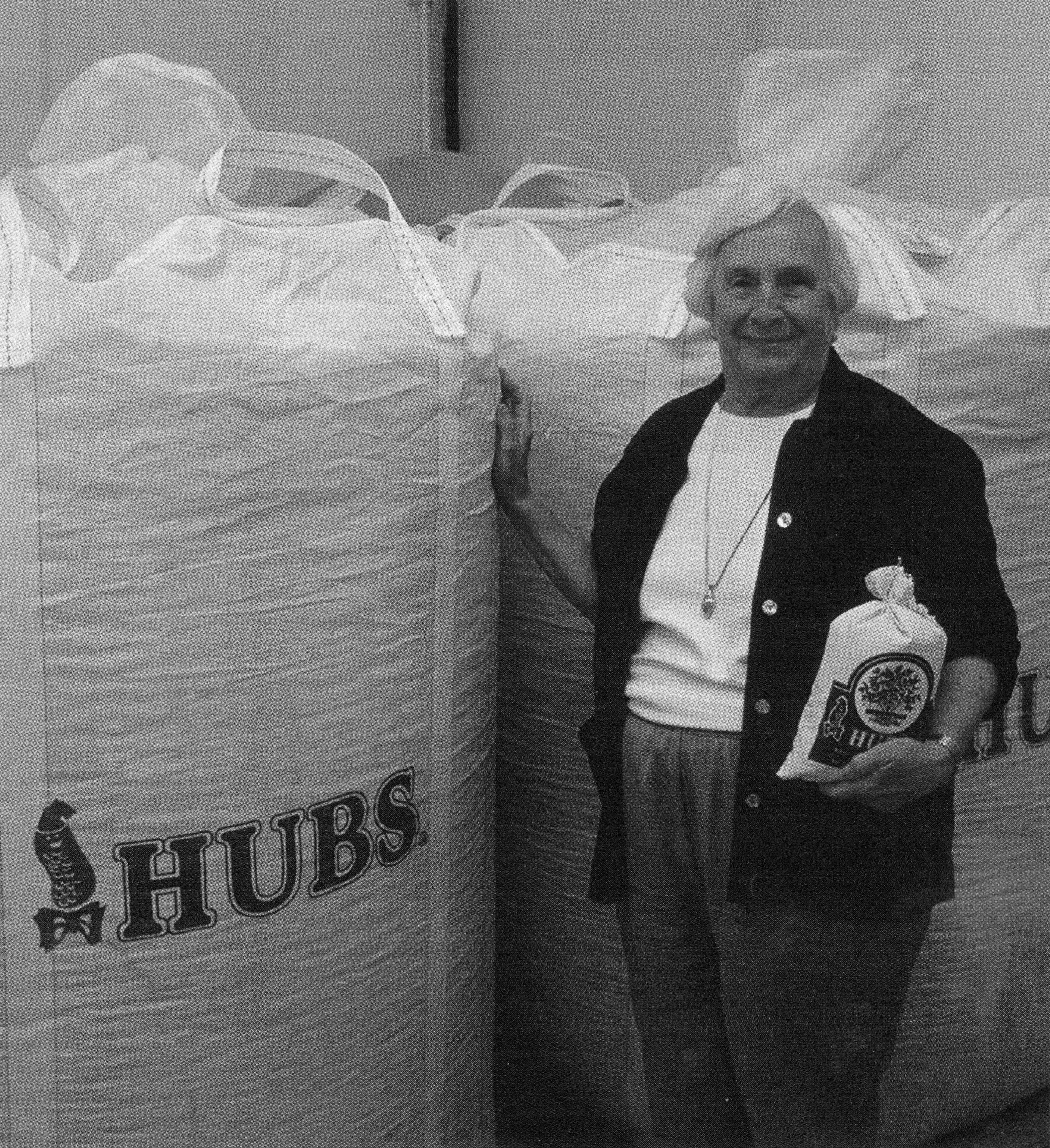
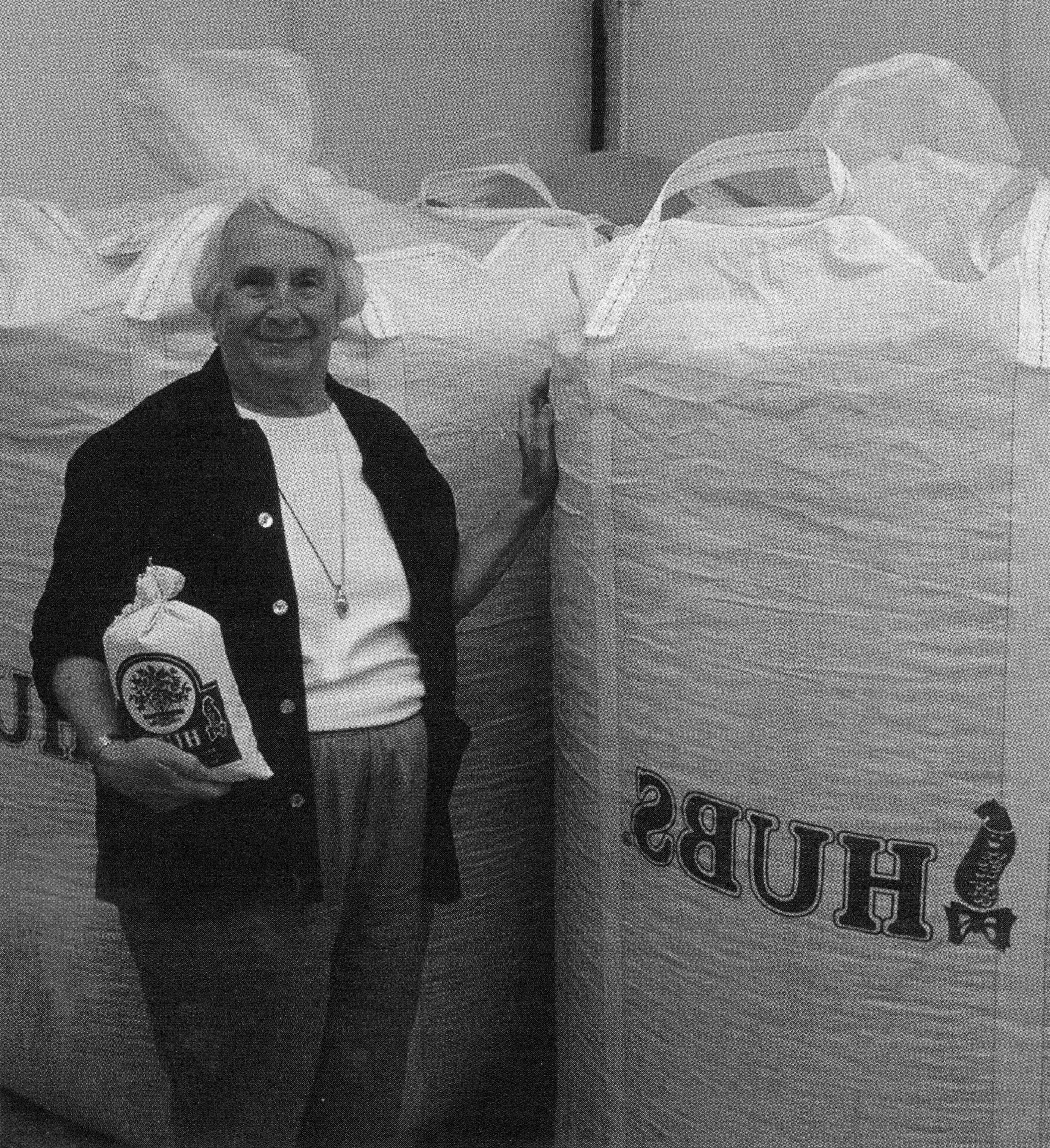
Dot Hubbard with peanut totes; image courtesy of Hubs Peanuts
Dot Hubbard with peanut totes; image courtesy of Hubs Peanuts
How have your values as a family found their way into your company’s culture?
I think it’s all rooted in how my grandparents saw community. The business has grown, but we’ve continued to embrace their philanthropic spirit and commitment to partnering with organisations that directly impact those around us.
It’s part of what I’ve been working on over the last few years — ensuring that my grandparents’ and parents’ values are reflected in everything we do. To this end, we created a program called “Hubs Hearts”, which gives our employees paid opportunities to volunteer in the community, participating in activities they enjoy.
We live in a small town, and all of the non-profits here require volunteer work. If we didn’t give people the time to work in these organisations, it would be almost impossible for them to exist.
Another initiative we’re working on is a partnership with the Food Bank of South-Eastern Virginia. We've given them some of our additional warehouse space where they've set up a backpack program for community kids. Various civic organisations are involved in building the packs and distributing them.
Our team is also working on the backpack project, though some choose other causes that are closer to them. The fact that people have the flexibility to work on causes they connect with is key to our volunteer program — good philanthropy comes from the heart.
All of this is rooted in the values of my grandparents, Dot and HJ. They believed that giving back to the community helped make them successful. Building this business was a community effort, so for Hubs Peanuts to be involved in every aspect of our community is authentic as it can be.




Hubs in the field; image courtesy of Hubs Peanuts
Hubs in the field; image courtesy of Hubs Peanuts

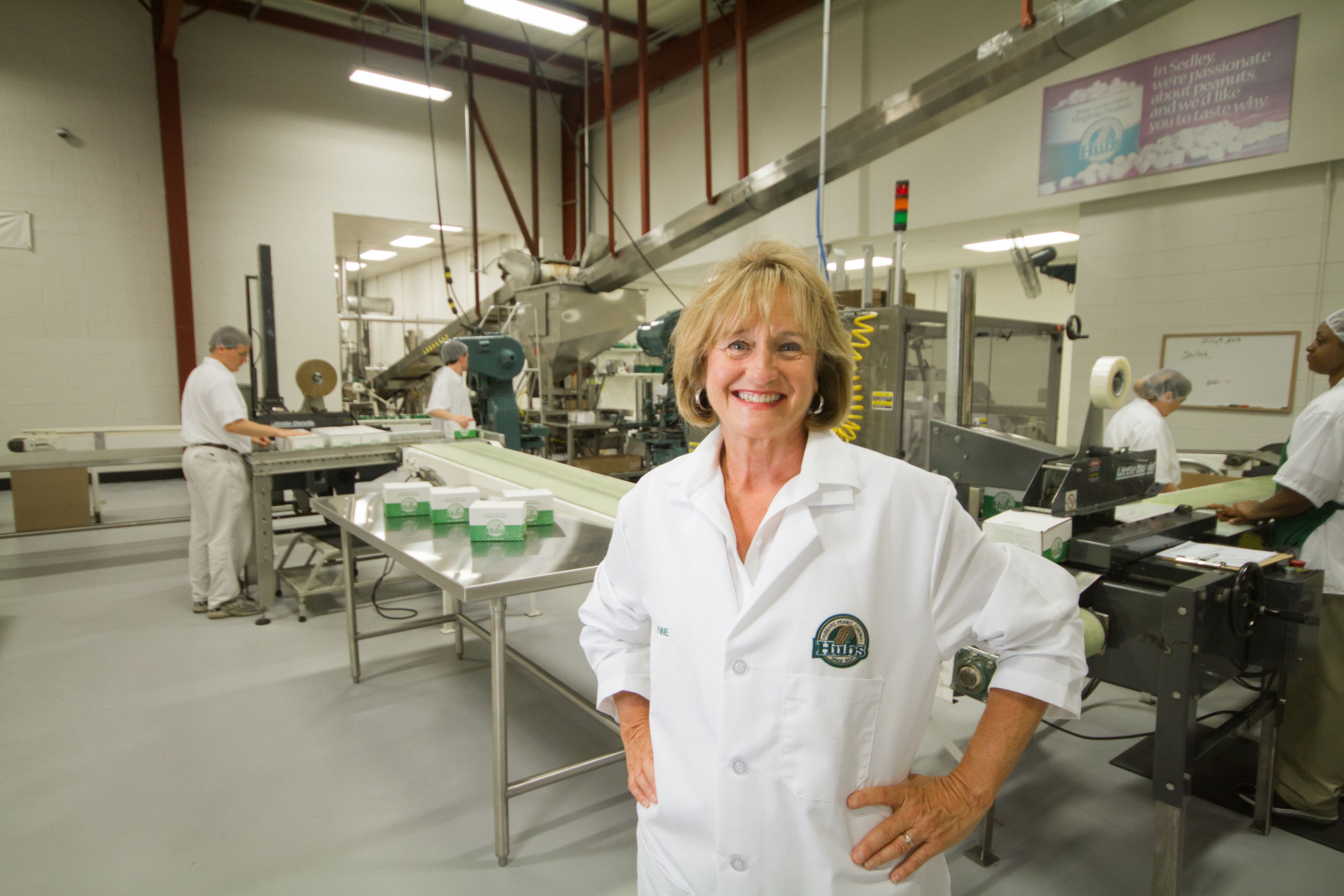
Lynne Rabil, Hubs President and CEO, in Hubs' packing facility; image courtesy of Hubs Peanuts
Lynne Rabil, Hubs President and CEO, in Hubs' packing facility; image courtesy of Hubs Peanuts
Another initiative we’re working on is a partnership with the Food Bank of South-Eastern Virginia. We've given them some of our additional warehouse space where they've set up a backpack program for community kids. Various civic organisations are involved in building the packs and distributing them.
Our team is also working on the backpack project, though some choose other causes that are closer to them. The fact that people have the flexibility to work on causes they connect with is key to our volunteer program — good philanthropy comes from the heart.
All of this is rooted in the values of my grandparents, Dot and HJ. They believed that giving back to the community helped make them successful. Building this business was a community effort, so for Hubs Peanuts to be involved in every aspect of our community is authentic as it can be.
Has the relationship between you and your mother evolved since you started working together?
I continue to see different sides to my mother. I think of her as mom but also my boss, which can be a tricky dynamic. It’s natural to interact with people you know and love differently than someone else, and my mother treats me a little differently, too. In both capacities, I have tremendous respect for what she’s been able to accomplish and I’ve learned a lot from her.
We might disagree on certain things, but I’ll often consider her position and later, realise she was right. It can be challenging to work for your mother, but it's also immensely rewarding.
Another initiative we’re working on is a partnership with the Food Bank of South-Eastern Virginia. We've given them some of our additional warehouse space where they've set up a backpack program for community kids. Various civic organisations are involved in building the packs and distributing them.

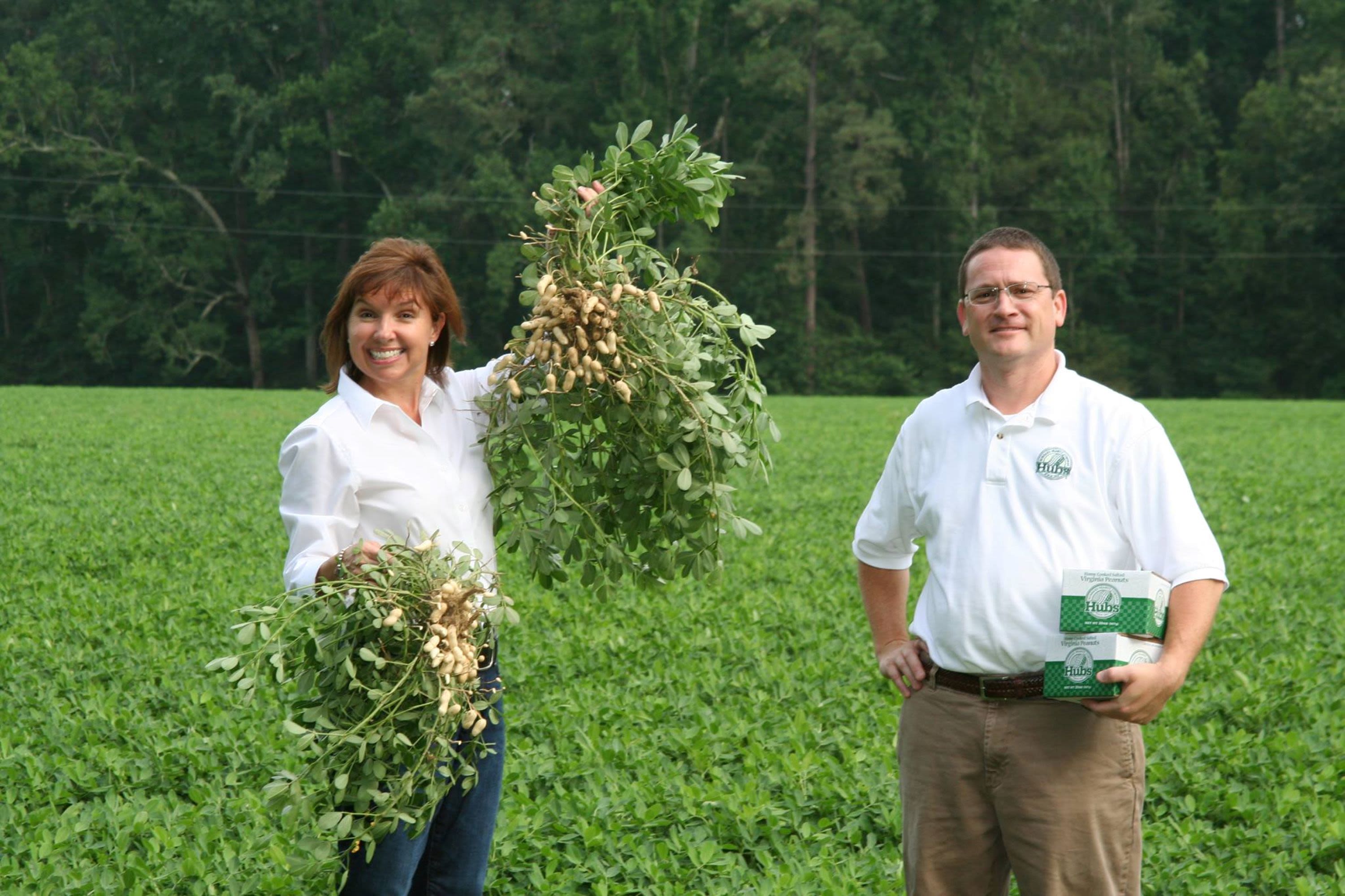
Hubs in the Field; image courtesy of Hubs Peanuts
Hubs in the Field; image courtesy of Hubs Peanuts
Our team is also working on the backpack project, though some choose other causes that are closer to them. The fact that people have the flexibility to work on causes they connect with is key to our volunteer program — good philanthropy comes from the heart.
All of this is rooted in the values of my grandparents, Dot and HJ. They believed that giving back to the community helped make them successful. Building this business was a community effort, so for Hubs Peanuts to be involved in every aspect of our community is authentic as it can be.

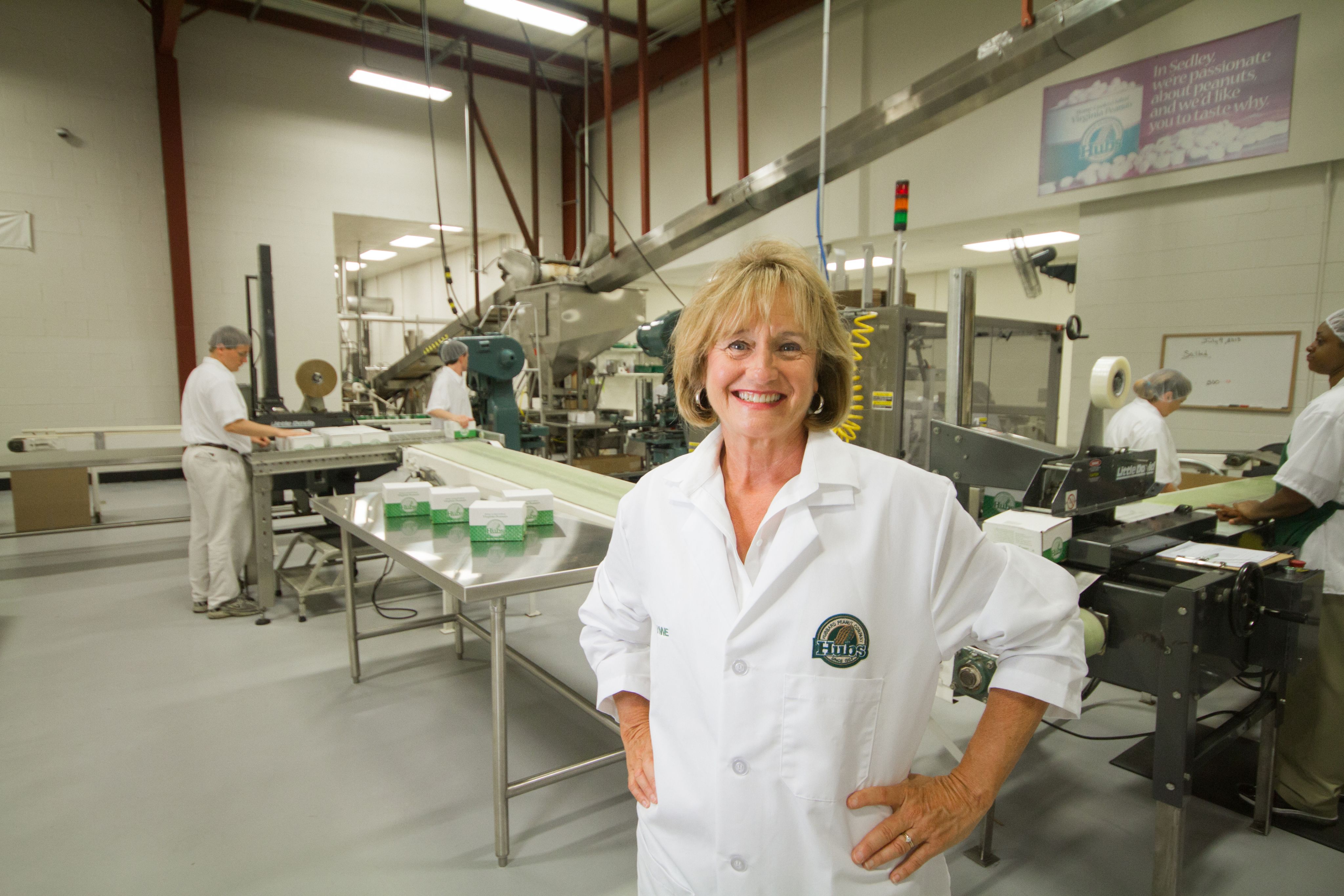
Lynne Rabil, Hubs President and CEO, in Hubs' packing facility; image courtesy of Hubs peanuts
Lynne Rabil, Hubs President and CEO, in Hubs' packing facility; image courtesy of Hubs peanuts
Has the relationship between you and your mother evolved since you started working together?
I continue to see different sides to my mother. I think of her as mom but also my boss, which can be a tricky dynamic. It’s natural to interact with people you know and love differently than someone else, and my mother treats me a little differently, too. In both capacities, I have tremendous respect for what she’s been able to accomplish and I’ve learned a lot from her.
We might disagree on certain things, but I’ll often consider her position and later, realise she was right. It can be challenging to work for your mother, but it's also immensely rewarding.

As our fourth generation develops, becoming educated in this business and this world, it’s impossible to predict what they will face; there’s been so much change in my lifetime alone. But regardless of what the future brings, I sincerely hope our family stays meaningfully engaged in the family business and the community we're a part of.
- Marshall Rabil

What’s your vision for the future of Hubs Peanuts?
The last couple of years have been big for us and we arrived at a point where we needed to decide whether to sell the company or expand. We chose the latter and are fully committed to the work that growing the business entails.
We recently purchased an old grocery store that we converted into a production and warehouse space in addition to a new retail front. It’s called The Hubs Vine, and it’s also where we started our chocolate enrobing production line. It’s still in its infancy, but we think we’ll be able to grow that part of the business steadily.
We have also begun working with a farmer who eschews the modern peanut production systems in favour of traditional harvest methods. Out of that has spawned our single-origin peanut line. Through travelling internationally, I became inspired by cacao and coffee farmers and have seen first-hand the importance of single-origin products. It’s exciting for us to tell the stories of these farmers while producing unique products. I see chocolate developing into a big piece of our business moving forward, but I also see the creation of new partnerships and collaborations as we create new products as a critical part of this journey.
In the bigger picture, I want my children and other family members to feel empowered by the business and the brand they are part of, and hope that continues long into the future. There’s always going to be change, and I do have to think about succession plans and exit strategies. Generational transition in any business is challenging, and we're already having some very real discussions about it. As our fourth generation develops, becoming educated in this business and this world, it’s impossible to predict what they will face; there’s been so much change in my lifetime alone. But regardless of what the future brings, I sincerely hope our family stays meaningfully engaged in the family business and the community we're a part of.

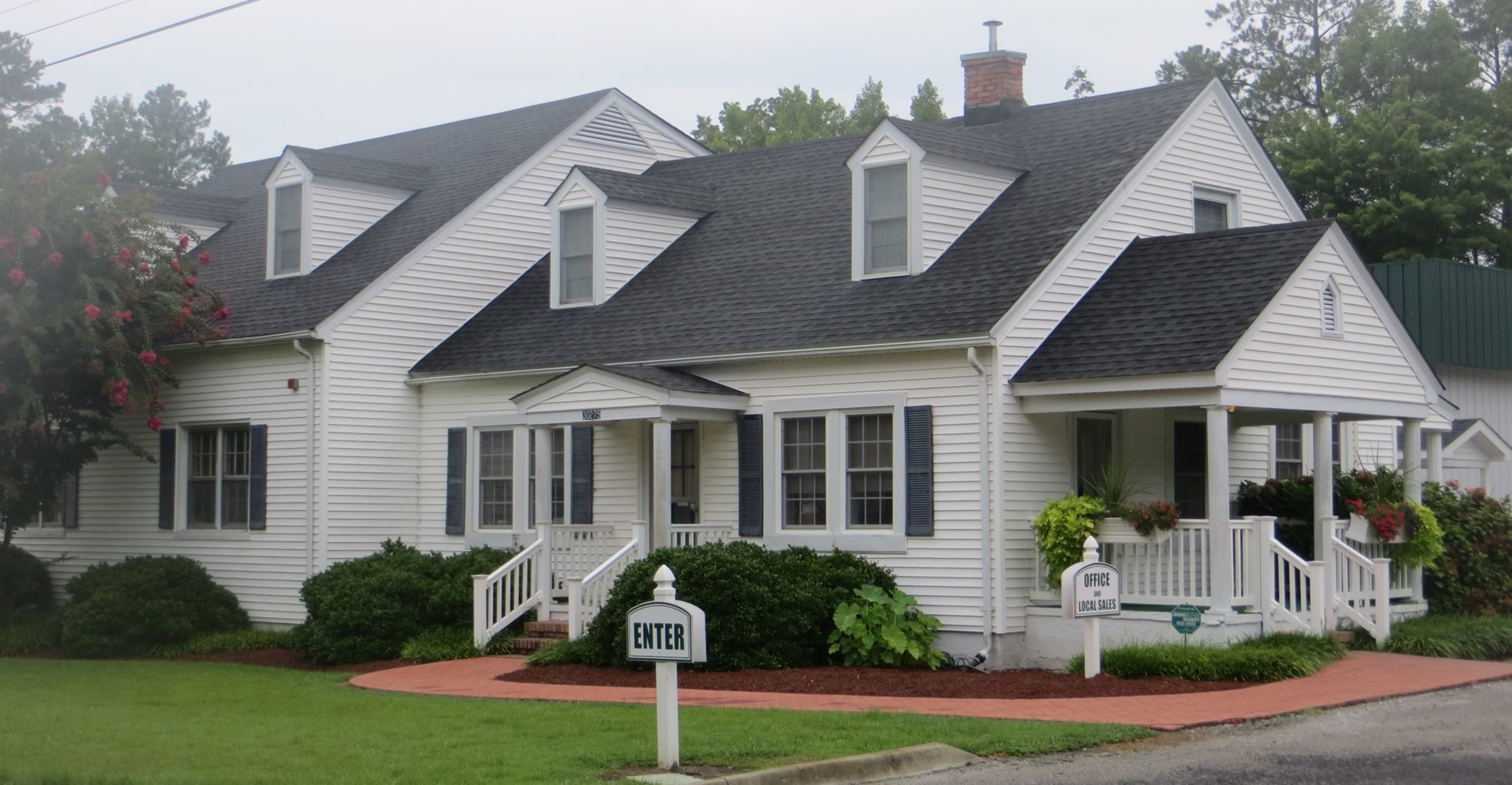
Hubs office; image courtesy of Hubs Peanuts
Hubs Office; image courtesy of Hubs Peanuts
What’s your vision for the future of Hubs Peanuts?
The last couple of years have been big for us and we arrived at a point where we needed to decide whether to sell the company or expand. We chose the latter and are fully committed to the work that growing the business entails.
We recently purchased an old grocery store that we converted into a production and warehouse space in addition to a new retail front. It’s called The Hubs Vine, and it’s also where we started our chocolate enrobing production line. It’s still in its infancy, but we think we’ll be able to grow that part of the business steadily.
We have also begun working with a farmer who eschews the modern peanut production systems in favour of traditional harvest methods. Out of that has spawned our single-origin peanut line. Through travelling internationally, I became inspired by cacao and coffee farmers and have seen first-hand the importance of single-origin products. It’s exciting for us to tell the stories of these farmers while producing unique products. I see chocolate developing into a big piece of our business moving forward, but I also see the creation of new partnerships and collaborations as we create new products as a critical part of this journey.
In the bigger picture, I want my children and other family members to feel empowered by the business and the brand they are part of, and hope that continues long into the future. There’s always going to be change, and I do have to think about succession plans and exit strategies. Generational transition in any business is challenging, and we're already having some very real discussions about it. As our fourth generation develops, becoming educated in this business and this world, it’s impossible to predict what they will face; there’s been so much change in my lifetime alone. But regardless of what the future brings, I sincerely hope our family stays meaningfully engaged in the family business and the community we're a part of.

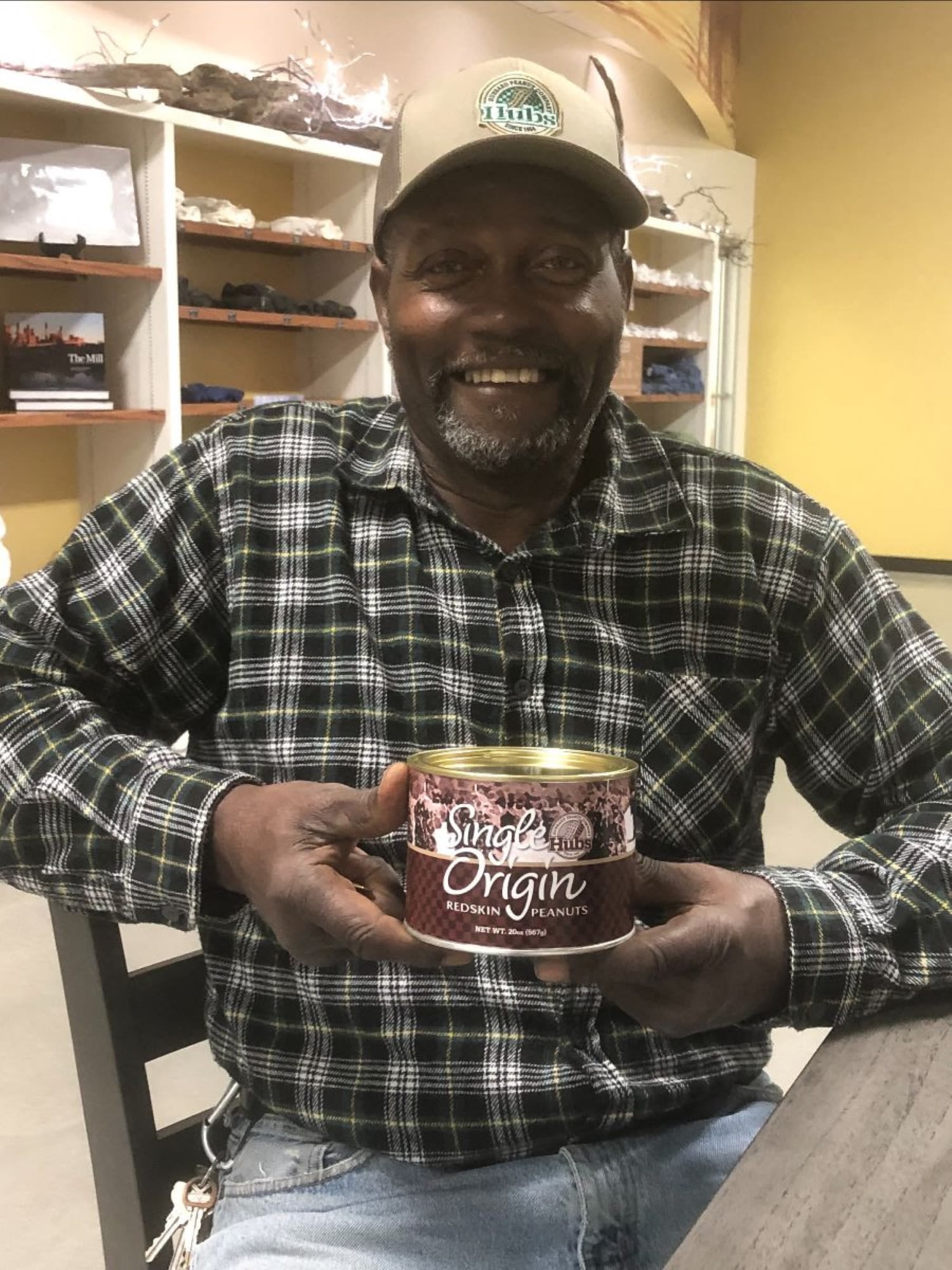
Elisha Barnes, single-origin peanut farmer for Hubs; image courtesy of Hubs Peanuts
Elisha Barnes, single-origin peanut farmer for Hubs; image courtesy of Hubs Peanuts


 Built with Shorthand