Editoriale Domus
The Remarkable Story of a Leading Family-owned Publisher


Interview with Sofia Bordone, Third Generation Owner and CEO, Editoriale Domus, Italy
In 1929, Gianni Mazzocchi took over the struggling Italian architecture and interior design magazine, Domus, establishing his own publishing house in the process. The new company, Editoriale Domus, would become the launchpad for some of the 20th Century's most innovative editorial print content, such as Italy’s first major post-war weekly publication, L’Europeo, which revolutionised the medium with large-print headlines and eye-catching photography.
The company would also build off its expertise in sector-specific publications, producing popular quarterlies for several new industries and offering insight on topics from cars and cooking to high finance. Like so many successful family businesses, Editoriale Domus grew through adaptation and its willingness to meet the changing times.


Gianni and daughter Giovanna Mazzocchi; image courtesy of Editoriale Domus
Gianni and daughter Giovanna Mazzocchi; image courtesy of Editoriale Domus
Today, 90 years after its founding, Editoriale Domus continues to evolve. Now led by Gianni’s daughter and granddaughter, the company is navigating this unprecedented time of disruption using the same values and innovative principles established by its founder nearly a century ago.
What began as a single magazine is now an international media company, offering a broad range of multi-platform products and services. But despite its growth and expansion, Editoriale Domus very much remains a family business at its core, and according to Sofia Bordone, CEO and granddaughter of its founder, there is something special about honouring that legacy.
We caught up with Dr Sofia Bordone to discuss Editoriale Domus’ celebrated history, her experience as a woman in publishing, and how she maintains influence as a publisher in the age of social media.
Interview with Sofia Bordone, Third Generation Owner and CEO, Editoriale Domus, Italy
In 1929, Gianni Mazzocchi took over the struggling Italian architecture and interior design magazine, Domus, establishing his own publishing house in the process. The new company, Editoriale Domus, would become the launchpad for some of the 20th Century's most innovative editorial print content, such as Italy’s first major post-war weekly publication, L’Europeo, which revolutionised the medium with large-print headlines and eye-catching photography.
The company would also build off its expertise in sector-specific publications, producing popular quarterlies for several new industries and offering insight on topics from cars and cooking to high finance. Like so many successful family businesses, Editoriale Domus grew through adaptation and its willingness to meet the changing times.

Gianni and daughter Giovanna Mazzocchi; image courtesy of Editoriale Domus
Gianni and daughter Giovanna Mazzocchi; image courtesy of Editoriale Domus
Today, 90 years after its founding, Editoriale Domus continues to evolve. Now led by Gianni’s daughter and granddaughter, the company is navigating this unprecedented time of disruption using the same values and innovative principles established by its founder nearly a century ago.
What began as a single magazine is now an international media company, offering a broad range of multi-platform products and services. But despite its growth and expansion, Editoriale Domus very much remains a family business at its core, and according to Sofia Bordone, CEO and granddaughter of its founder, there is something special about honouring that legacy.


Sofia Bordone; image courtesy of Editoriale Domus
Sofia Bordone; image courtesy of Editoriale Domus
We caught up with Dr Sofia Bordone to discuss Editoriale Domus’ celebrated history, her experience as a woman in publishing, and how she maintains influence as a publisher in the age of social media.
When did you first realise that you were part of a family business legacy?
The family business has always been in my life, but I never heard my parents talk about it because I lost my father at a very young age. This lack of early exposure meant that I was older before I could conceptualise the difference between working for a company and working for a company you own.
I always knew our family created magazines but didn’t grasp what it meant to operate a family business until my teens. Soon, I started asking my mother about the family business and grew to understand the significance of being a publisher and an entrepreneur. That's when I decided to pursue an education that would complement the activities of our company.
Did you experience a personal transformation when you realised you would likely run the family business one day?
When we were younger, my mother always told us that the company could be ours if we wanted it, but we were also free to take another path. My sister decided to do something completely different — she was a professional horse rider who competed at the Olympics.
My mother also made it clear to me that running the family business involved many challenges, not the least of which was my being a woman. But I always thought there was something special about having a family business. I knew it was important and wanted to continue what my grandfather had started.
So after university, I began working in the family firm to see if it was something I was interested in doing — something I would be able to do for the rest of my life. Not only did I enjoy working in our company, but I also relished the responsibility to make key decisions. Even today, I believe the choices I get to make are tantamount to endless possibilities.

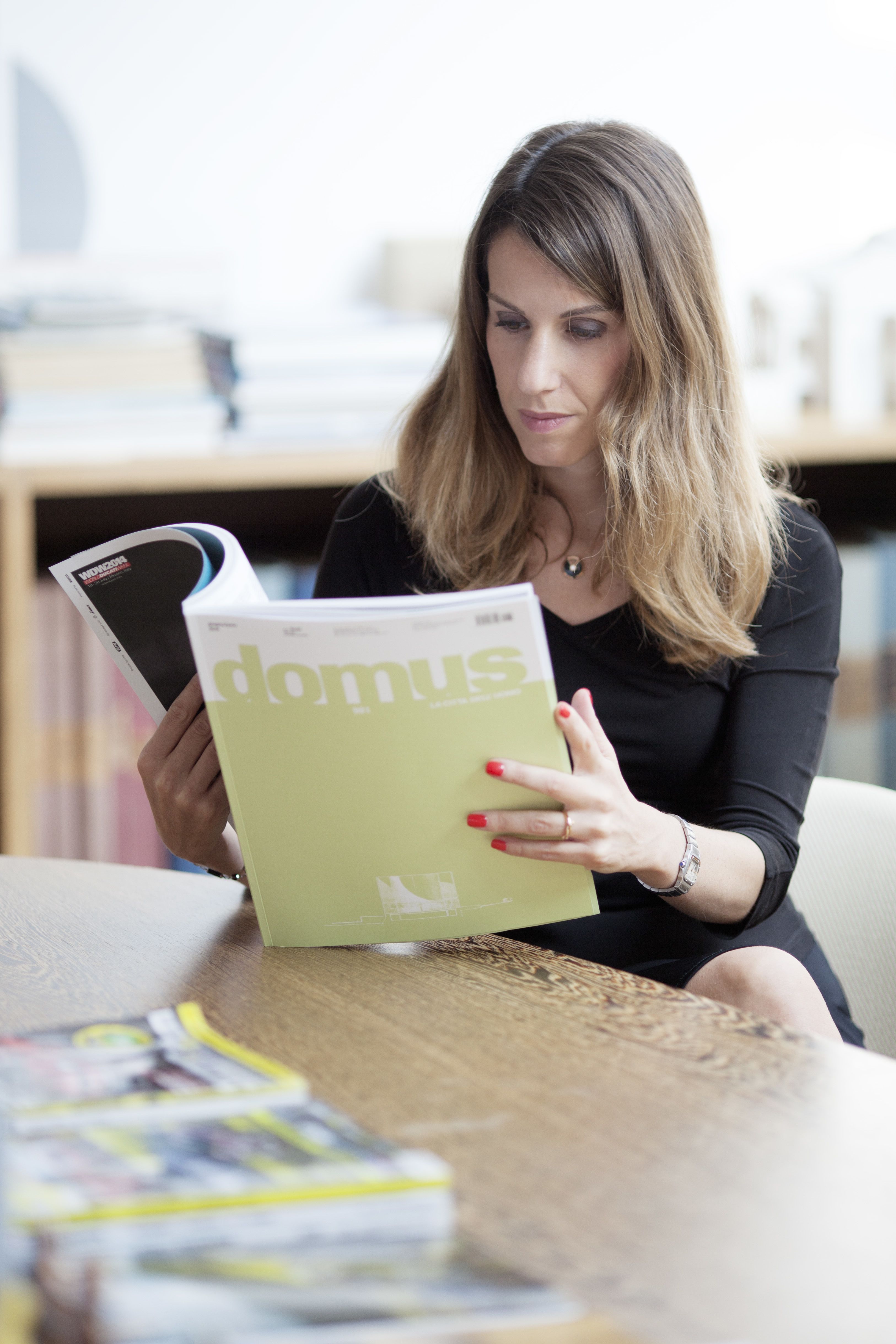
Sofia Bordone; image courtesy of Editoriale Domus
Sofia Bordone; image courtesy of Editoriale Domus


Sofia Bordone; image courtesy of Editoriale Domus
Sofia Bordone; image courtesy of Editoriale Domus
When did you first realise that you were part of a family business legacy?
The family business has always been in my life, but I never heard my parents talk about it because I lost my father at a very young age. This lack of early exposure meant that I was older before I could conceptualise the difference between working for a company and working for a company you own.
I always knew our family created magazines but didn’t grasp what it meant to operate a family business until my teens. Soon, I started asking my mother about the family business and grew to understand the significance of being a publisher and an entrepreneur. That's when I decided to pursue an education that would complement the activities of our company.


Sofia Bordone; image courtesy of Editoriale Domus
Sofia Bordone; image courtesy of Editoriale Domus
Did you experience a personal transformation when you realised you would likely run the family business one day?
When we were younger, my mother always told us that the company could be ours if we wanted it, but we were also free to take another path. My sister decided to do something completely different — she was a professional horse rider who competed at the Olympics.
My mother also made it clear to me that running the family business involved many challenges, not the least of which was my being a woman. But I always thought there was something special about having a family business. I knew it was important and wanted to continue what my grandfather had started.
So after university, I began working in the family firm to see if it was something I was interested in doing — something I would be able to do for the rest of my life. Not only did I enjoy working in our company, but I also relished the responsibility to make key decisions. Even today, I believe the choices I get to make are tantamount to endless possibilities.




Listen to this interview on
The Family Business Voice


Listen to this interview on
The Family Business Voice


November 1984's Domus magazine with Gianni Mazzocchi on the cover; image courtesy of Editoriale Domus
November 1984's Domus magazine with Gianni Mazzocchi on the cover; image courtesy of Editoriale Domus

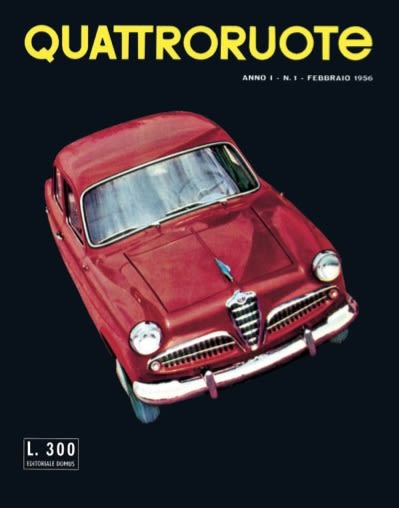
The first edition of Quattroruote, February 1956; image courtesy of Editoriale Domus
The first edition of Quattroruote, February 1956; image courtesy of Editoriale Domus
Editoriale Domus has a long and storied history. Can you identify some pivotal moments in your family business’ past?
I always say that our name is Editoriale Domus because our first publication was Domus, but we are no longer just a media company and have transformed into something entirely different.
The first big decision that altered our company's direction occurred after the Second World War when my grandfather made the shift to weekly, big-format publications written in a modern style. That gave birth to our weeklies Il Mondo and L’Europeo while also establishing the template my grandfather would incorporate into monthly magazines such as Settimo Giorno, which covered news, politics, and sports. The concept was a diversion from the very vertical, industry-specific publications that were our mainstays, such as Domus, our architecture and design publication, and Quattroruote, which has become the pillar of our mobility magazines. Il Cucchiaio d’Argento magazine celebrates cooking and cuisine while our Meridiani Montagne magazine explores travel. This reorientation of our publications and our company was a profound transformative event.
The second was when we pivoted from producing print publications to producing content. That meant creating content for different platforms such as websites and social media, which has become another important pillar of our organisation.
And the third transformation came when we married our content creation with our brand. Today, the brand is the focus. Ancillary to our content production, we can leverage industry-specific data and other resources such as our branded software that we sell in the B2B marketplace. These different branches of our operation grow separately while also supporting each other; this diversification is essential to our future as a company.
Editoriale Domus has a long and storied history. Can you identify some pivotal moments in your family business’ past?
I always say that our name is Editoriale Domus because our first publication was Domus, but we are no longer just a media company and have transformed into something entirely different.

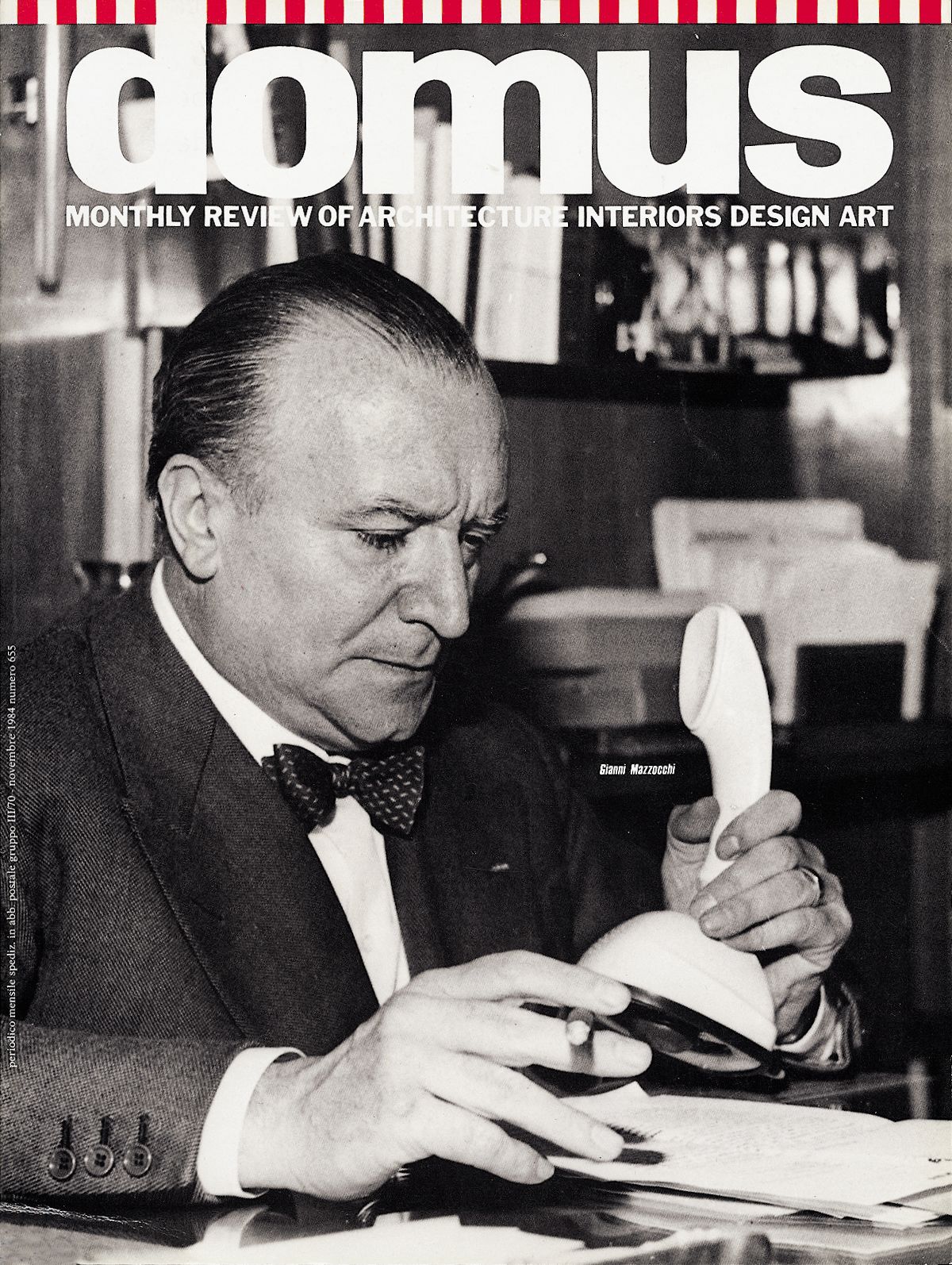
November 1984's Domus with Gianni Mazzocchi on the cover; image courtesy of Editoriale Domus
November 1984's Domus with Gianni Mazzocchi on the cover; image courtesy of Editoriale Domus
The first big decision that altered our company's direction occurred after the Second World War when my grandfather made the shift to weekly, big-format publications written in a modern style. That gave birth to our weeklies Il Mondo and L’Europeo while also establishing the template my grandfather would incorporate into monthly magazines such as Settimo Giorno, which covered news, politics, and sports. The concept was a diversion from the very vertical, industry-specific publications that were our mainstays, such as Domus, our architecture and design publication, and Quattroruote, which has become the pillar of our mobility magazines. Il Cucchiaio d’Argento magazine celebrates cooking and cuisine while our Meridiani Montagne magazine explores travel. This reorientation of our publications and our company was a profound transformative event.


The first edition of Quattroruote from February 1956; image courtesy of Editoriale Domus
The first edition of Quattroruote from February 1956; image courtesy of Editoriale Domus
The second was when we pivoted from producing print publications to producing content. That meant creating content for different platforms such as websites and social media, which has become another important pillar of our organisation.
And the third transformation came when we married our content creation with our brand. Today, the brand is the focus. Ancillary to our content production, we can leverage industry-specific data and other resources such as our branded software that we sell in the B2B marketplace. These different branches of our operation grow separately while also supporting each other; this diversification is essential to our future as a company.

I’m a positive person and believe that change represents opportunity. No business can remain the same over 90 years. It’s important to understand what’s happening around you and find the positives.
- Sofia Bordone


How have you maintained your influence in an age where readers can have louder voices than content producers through social media?
I’m a positive person and believe that change represents opportunity. No business can remain the same over 90 years. It’s important to understand what’s happening around you and find the positives. The internet and social media have been the impetus behind profound change in our sector, but every single business has been impacted. With the growing pains of adaptation come opportunities, and social media is no different.
Businesses can leverage the phenomenon of social media to learn more about their clients. And in our case, where social media and electronic screens have meant a sweeping disruption in our sector, the key has been maintaining our values and philosophy as a company and family. The way we create and publish content has changed, but our focus as an organisation remains the same.
Does family ownership contribute to your ability to adapt and compete as a business?
Absolutely — there are distinct advantages to being a family business. Being the CEO and an owner enables me to be more effective in certain situations where I might not be if I were only the CEO. Moreover, we’re able to make decisions quickly, even critical ones, because there are only two individuals who need to sign off on them: my mother, who serves as the president, and me. Also, in Italy specifically, being a family business adds value in the marketplace.


How have you maintained your influence in an age where readers can have louder voices than content producers through social media?
I’m a positive person and believe that change represents opportunity. No business can remain the same over 90 years. It’s important to understand what’s happening around you and find the positives. The internet and social media have been the impetus behind profound change in our sector, but every single business has been impacted. With the growing pains of adaptation come opportunities, and social media is no different.
Businesses can leverage the phenomenon of social media to learn more about their clients. And in our case, where social media and electronic screens have meant a sweeping disruption in our sector, the key has been maintaining our values and philosophy as a company and family. The way we create and publish content has changed, but our focus as an organisation remains the same.

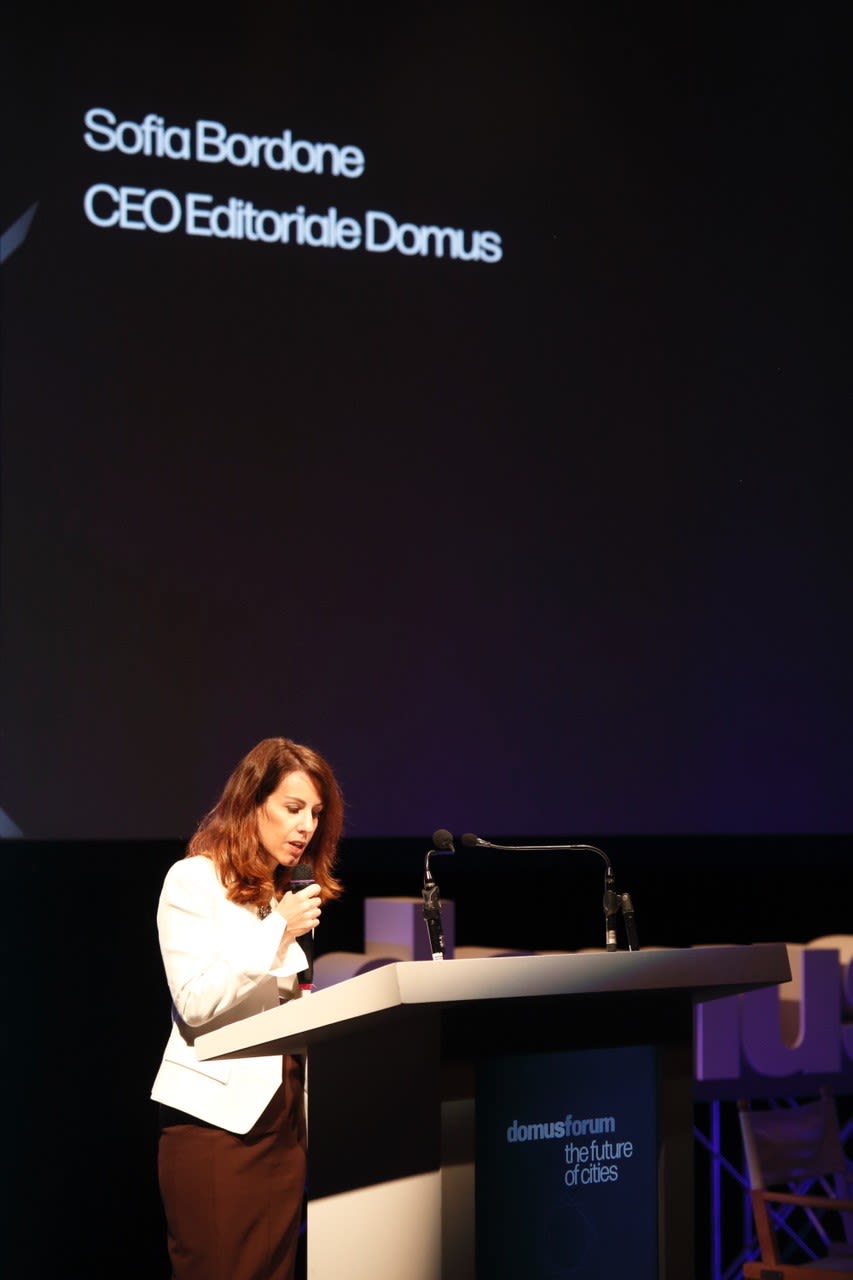
Sofia Bordone speaking at Domus Forum; image courtesy of Editoriale Domus
Sofia Bordone speaking at Domus Forum; image courtesy of Editoriale Domus
Does family ownership contribute to your ability to adapt and compete as a business?
Absolutely — there are distinct advantages to being a family business. Being the CEO and an owner enables me to be more effective in certain situations where I might not be if I were only the CEO. Moreover, we’re able to make decisions quickly, even critical ones, because there are only two individuals who need to sign off on them: my mother, who serves as the president, and me. Also, in Italy specifically, being a family business adds value in the marketplace.







Giovanna Mazzocchi Bordone and Sofia Bordone; image courtesy of Editoriale Domus
Giovanna Mazzocchi Bordone and Sofia Bordone; image courtesy of Editoriale Domus


Sofia Bordone speaking at Domus Forum; image courtesy of Editoriale Domus
Sofia Bordone speaking at Domus Forum; image courtesy of Editoriale Domus
What is it like working so closely with your mother?
I have an excellent relationship with my mother. We are of different generations, but we are guided by the same values. Despite a marked divergence in leadership styles, we both decided to put our family ahead of the business, so we’re comfortable placing matters we don’t agree on aside until it's the right time to address them.
It was a little easier for both of us in the early days when our roles were very clear. My mother was the CEO and president, and I was learning about the business. But now that I’ve been in the company for 15 years and serve as its CEO, there are more instances of debate. We are two women who enjoy the responsibility of running a business, and sometimes we just don’t see eye-to-eye. That said, our relationship is always the same, and it's very positive.
What advice do you have for women entering key roles in business who want to make a positive impact?
All of our employees were used to having a woman as the head of the company, so I think it was a little easier for me when I joined. The same was probably true outside of our company, where others in our industry were also used to working and connecting with my mother.
Regardless, I think the best advice I can give is what has always worked for me: be yourself. Trying to act like a man or something you’re not is never the right way to go. And always bring positivity with you. Don’t preemptively determine that your career will be more complicated because you are a woman or perhaps even a mother. Act, dress, and think like a woman because that’s who you are, and it’s one of the positive attributes you bring to a company. Diversity adds value and brings power to any organisation.
What is it like working so closely with your mother?
I have an excellent relationship with my mother. We are of different generations, but we are guided by the same values. Despite a marked divergence in leadership styles, we both decided to put our family ahead of the business, so we’re comfortable placing matters we don’t agree on aside until it's the right time to address them.
It was a little easier for both of us in the early days when our roles were very clear. My mother was the CEO and president, and I was learning about the business. But now that I’ve been in the company for 15 years and serve as its CEO, there are more instances of debate. We are two women who enjoy the responsibility of running a business, and sometimes we just don’t see eye-to-eye. That said, our relationship is always the same, and it's very positive.


Giovanna Mazzocchi Bordone and Sofia Bordone; image courtesy of Editoriale Domus
Giovanna Mazzocchi Bordone and Sofia Bordone; image courtesy of Editoriale Domus
What advice do you have for women entering key roles in business who want to make a positive impact?
All of our employees were used to having a woman as the head of the company, so I think it was a little easier for me when I joined. The same was probably true outside of our company, where others in our industry were also used to working and connecting with my mother.
Regardless, I think the best advice I can give is what has always worked for me: be yourself. Trying to act like a man or something you’re not is never the right way to go. And always bring positivity with you. Don’t preemptively determine that your career will be more complicated because you are a woman or perhaps even a mother. Act, dress, and think like a woman because that’s who you are, and it’s one of the positive attributes you bring to a company. Diversity adds value and brings power to any organisation.

Our families and our employees who we consider and treat as family should also gain from the investments and strategies we deploy. I hope that we can continue creating products and services that add value while making opportunities for all our stakeholders.
- Sofia Bordone

How do you make important decisions, and where do you seek advice when considering them?
Before I look for feedback on a decision, I weigh that decision for an appropriate amount of time and try to be as sure as possible about it. Naturally, I speak with my mother, but I also consult other managers in the business. Sometimes, I talk with friends outside of the company who have family businesses of their own. After considering all the different viewpoints along with my own, I make the decision and hope that it’s the correct one.
I'll add that today, perhaps more than ever, acting is crucial. The world was already changing so quickly and COVID has only catalysed that change. As soon as a company implements its strategy the market has already changed. Consequently, the difficult decisions cannot be avoided and must be addressed as quickly as possible.

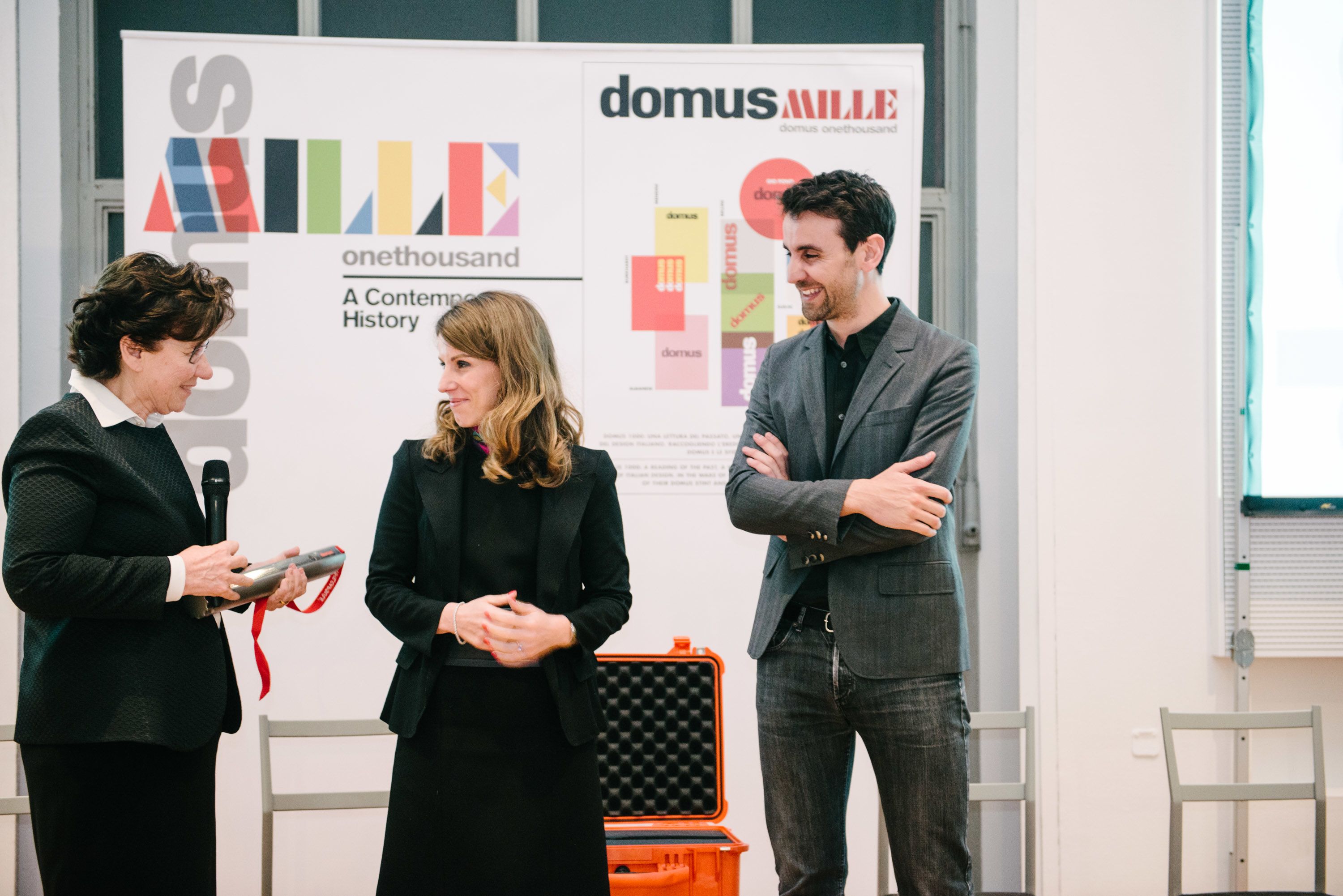
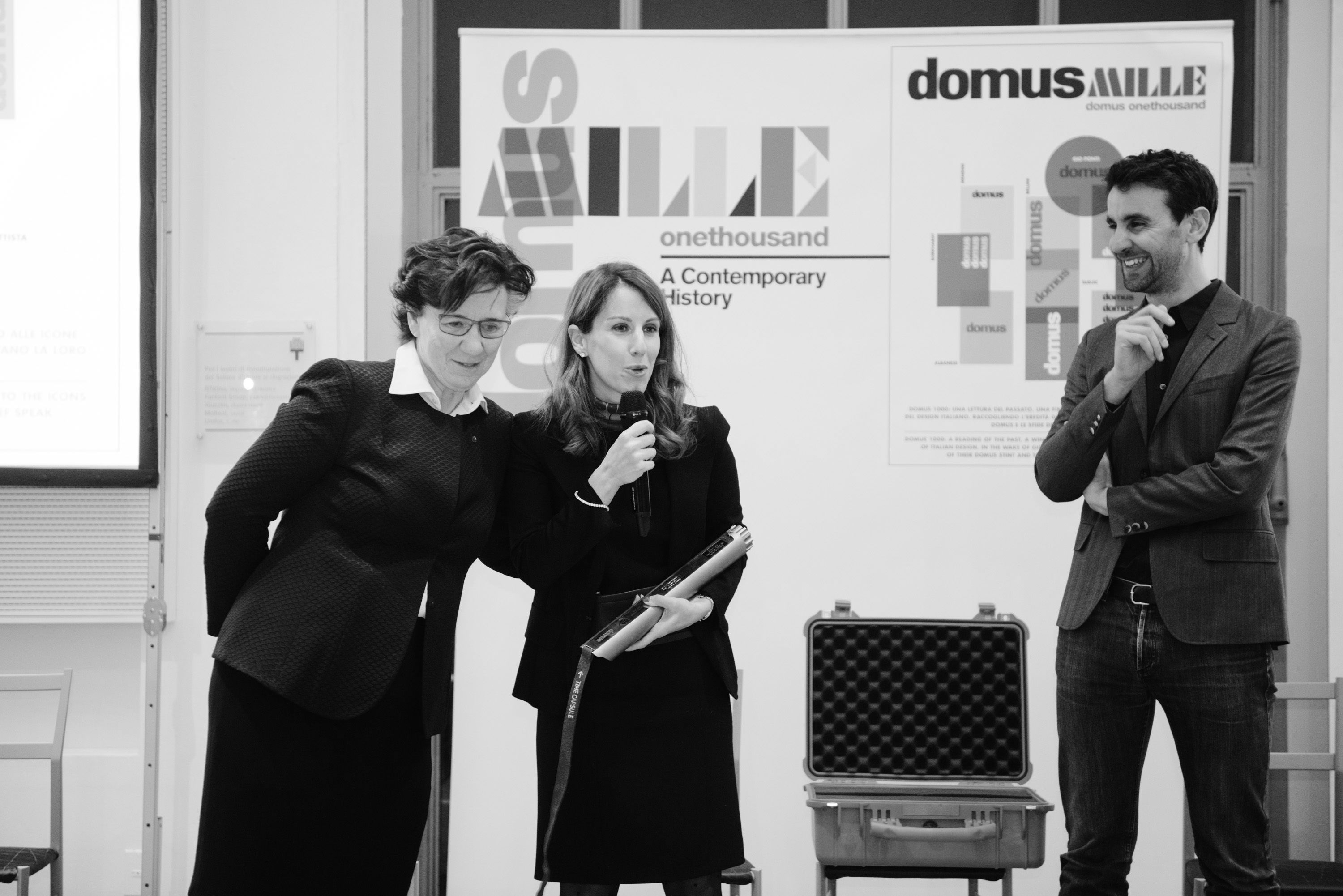
Giovanna Mazzocchi Bordone with Sofia Bordone and Joseph Grima, architect and former director of Domus at Domus 1000; image courtesy of Editoriale Domus
Giovanna Mazzocchi Bordone with Sofia Bordone and Joseph Grima, architect and former director of Domus at Domus 1000; image courtesy of Editoriale Domus
What are your hopes for the future of Editoriale Domus?
I believe that running a company that makes something useful and profits from that activity is the definition of success. That said, the benefit from these pursuits should extend beyond the owners of the company. Our families and our employees who we consider and treat as family should also gain from the investments and strategies we deploy. I hope that we can continue creating products and services that add value while making opportunities for all our stakeholders.
The world is evolving, and we’re open-minded to what the future might bring, but at this moment, continuing to operate as a family business is my number one goal for the future.


 Built with Shorthand