
There are Many Paths
Longstanding Family Businesses Globally


By Tony Sekulich
Longevity doesn’t just happen. Continuity over centuries or even millennia is no accident, nor is it the result of blind fortune. Take a closer look at any of the world’s longest-running family businesses and notice the undertow of intentionality that unites them. Look beyond the hard work and enduring passion to the principles that carry them forward, generation to generation, but realise that from business to business, those principles vary widely. The secrets to longevity are as diverse and unique as the world's longest-running businesses.


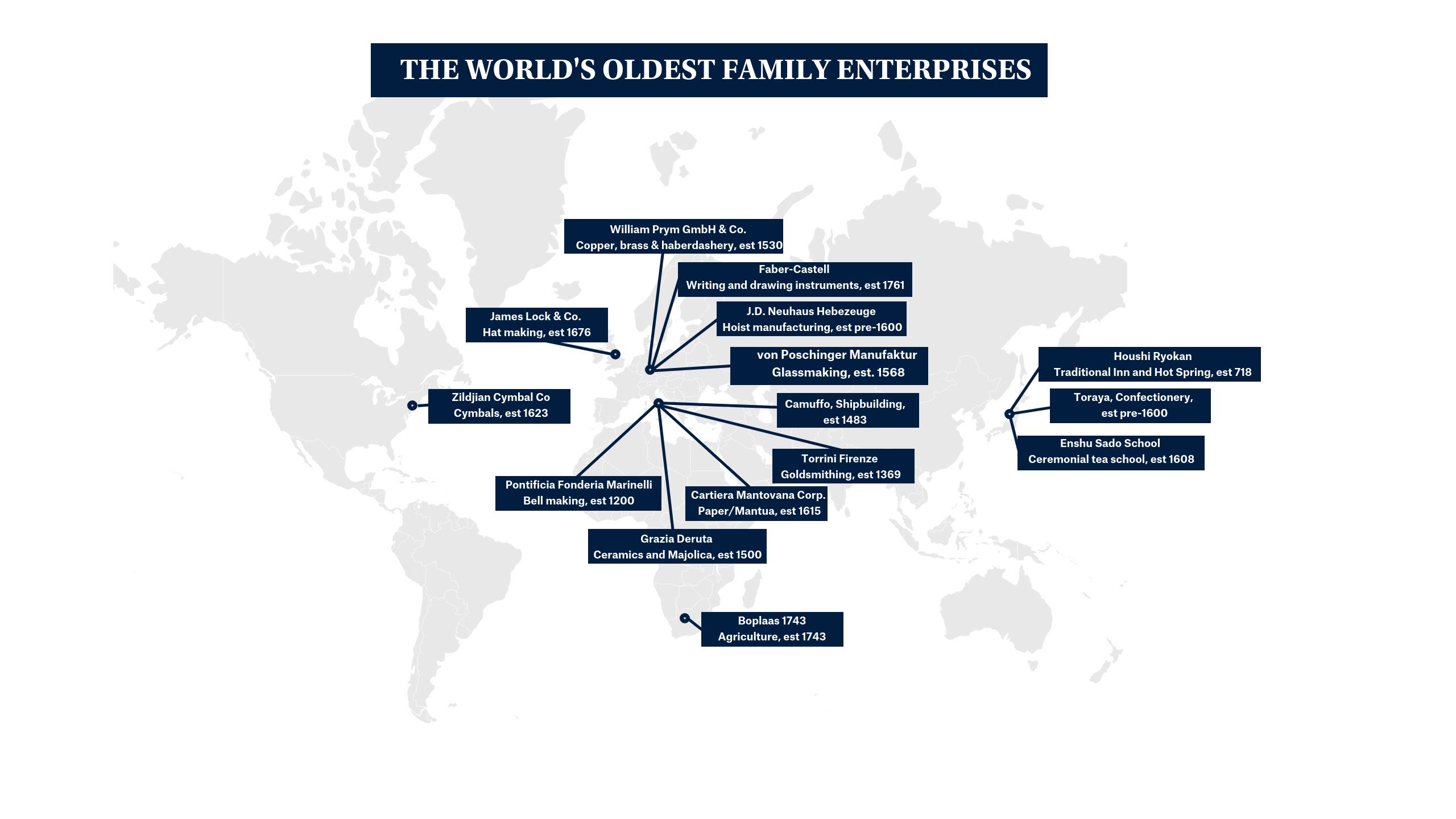
Camuffo
Italian shipbuilders since 1483

Camuffo was founded in Khanià, a Venetian port on the island of Crete, by a man whom locals called 'Camuffi' but whose real name was El Ham Muftì. Since its inception, Camuffo has supplied Muhammad the Second, the Venetian Republic, Napoleon, the Augsburg Imperial and the Royal Italian navies. Because of Camuffo's superior craftsmanship, their ships became known as 'Stradivarius of the Sea.'
Camuffo was prolific; for more than 400 years, Camuffo built most of the wooden vessels, barges, fishing boats, mercantile ships, lagoon boats, traditional Venetian rowing boats, pleasure boats and transport boats on the Adriatic.
In 1840, Francesco Luigi Camuffo decided to move their shipbuilding operations to the Chioggia area because the demand was higher there. Aside from adapting their building practices to meet the specific sailing needs of their new home, he invented new vessels for both commercial and recreational use. He even developed a nautical recreation centre where people could rent boats for Sunday pleasure trips.
This ongoing evolution continued into the 20th Century when the business launched its first motorboat in 1927. Today, Camuffo heirs Marco and Giacomo oversee the shipyard where they continue to build some of the world’s most sought-after recreational boats.
One of the reasons Camuffo is still in business today is because the family was willing to change direction when opportunity presented itself, demonstrating that adaptability is crucial to longstanding success.





Exploring how to structure and manage your collective assets and wealth in turbulent times.
Leading the Family Office
May 26-28, 2021
imd.org/lfo


Faber-Castell
German Writing and Drawing Instruments since 1761

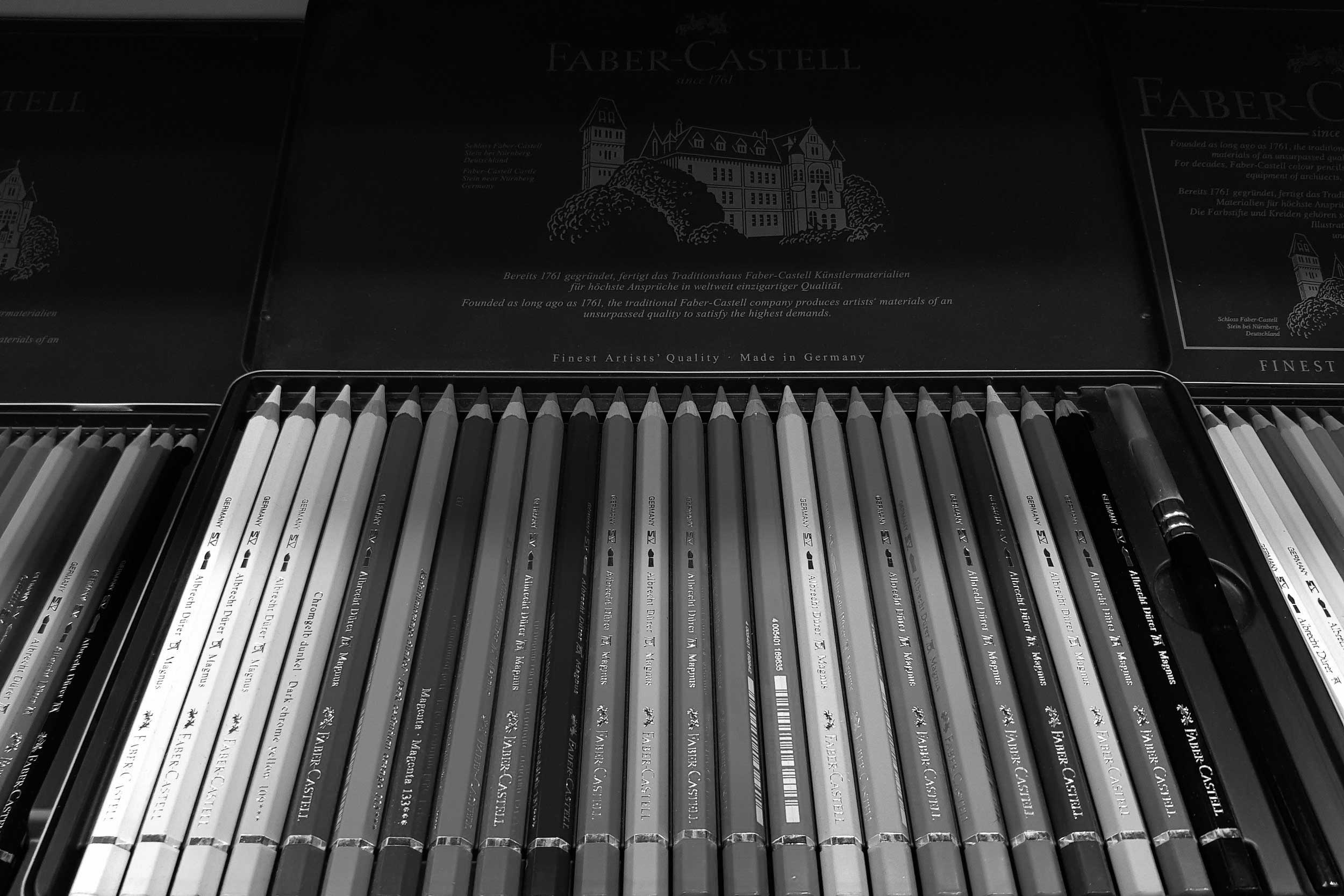
Faber-Castell was founded in Stein, Germany near what is present-day Nuremberg in 1761 when carpenter Kaspar Faber started producing pencils. It wasn’t long before the pencils began to outpace his carpentry, and a fully-formed business was launched.
For the first few generations, the oldest male heirs were trained in the inner workings of the business, which made for a seamless transition when the time came. This practice hit a snag near the turn of the 20th Century when no male heir existed. So, it was arranged that heiress Ottilie Farber would marry Count Alexander von Castell-Rüdenhausen who had to renounce his birth rank but gained control of the family business.
The strategic collaboration of their marriage saw the business thrive, and Faber-Castell expanded around the world in the 20th Century.
In 2016, the family faced another hard decision regarding the future of the family business. When Anton-Wolfgang, Count of Faber-Castell, died in January of that year, the family decided to seek an external CEO to lead the business for the first time in its history.
The family realised that family-ownership didn’t have to mean family-run in terms of day-to-day operations. Instead, they collaborated, established a strong family governance infrastructure and laid the foundation for future generations of success.


Zildjian Cymbal Co
Turkish and US Cymbal Makers since 1623

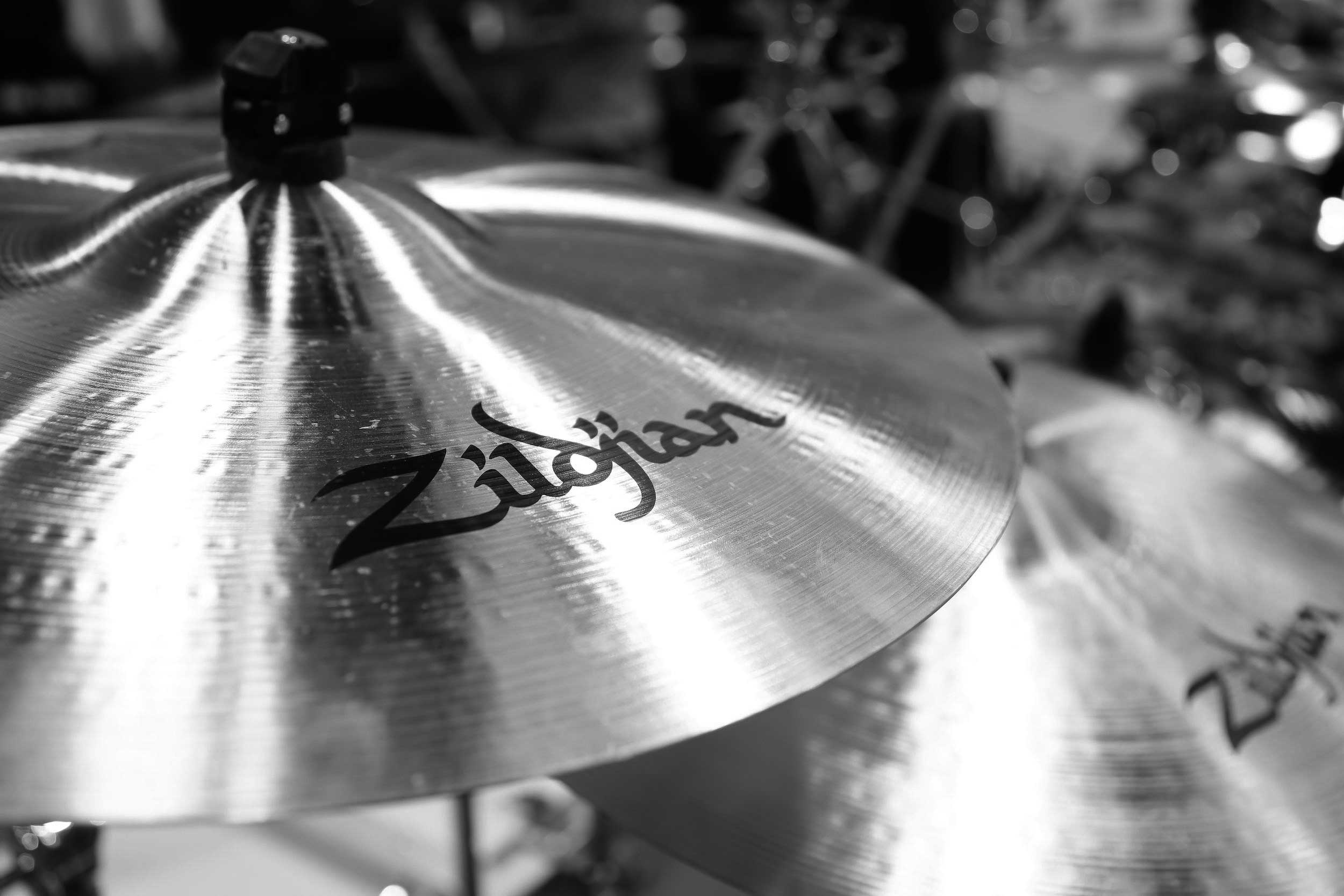
In listening to their favourite band or artist, few will ever realise that the crisp, clear sound of the cymbals they hear is the result of a tradition that can be traced back to 17th Century Constantinople.
It was there that an alchemist named Avedis I discovered an extremely musical metal alloy that allowed him to manufacture powerful, durable cymbals. The quality of the sound was so superior that the Sultan named him 'Zildjian,' Armenian for 'cymbal smith.'
Zildjian's shop manufactured cymbals for Ottoman military bands, primarily for playing in battle, instruments for Greek and Armenian churches and finger cymbals for belly dancers of the Ottoman harem.
The secret to producing high-quality cymbals was passed on to male heirs from generation to generation. In 1850, Avedis Zildjian II built a 25-foot schooner, to market their product at exhibitions in London and other parts of Europe.
The company formally relocated to North America in 1927 when Avedis Zildjian III, who had been living in the Boston area since 1908, was told he would be taking over the family business in his new home. Avedis quickly made connections in the flourishing jazz scene in the eastern United States. It wasn’t long before the superior sound produced by Zildjian became a staple of jazz bands everywhere.
Today the 14th and 15th generations of Zildjian Family members carry the business forward, stewards to the secret recipe at the core of their longstanding success.




 Built with Shorthand