
Purpose in Motion: Driving Change and Impact Against Child Trafficking
Interview with Paul Hutchinson, Executive Producer of The Sound of Freedom Movie, Author, Speaker, and Founder of Child Liberation Foundation


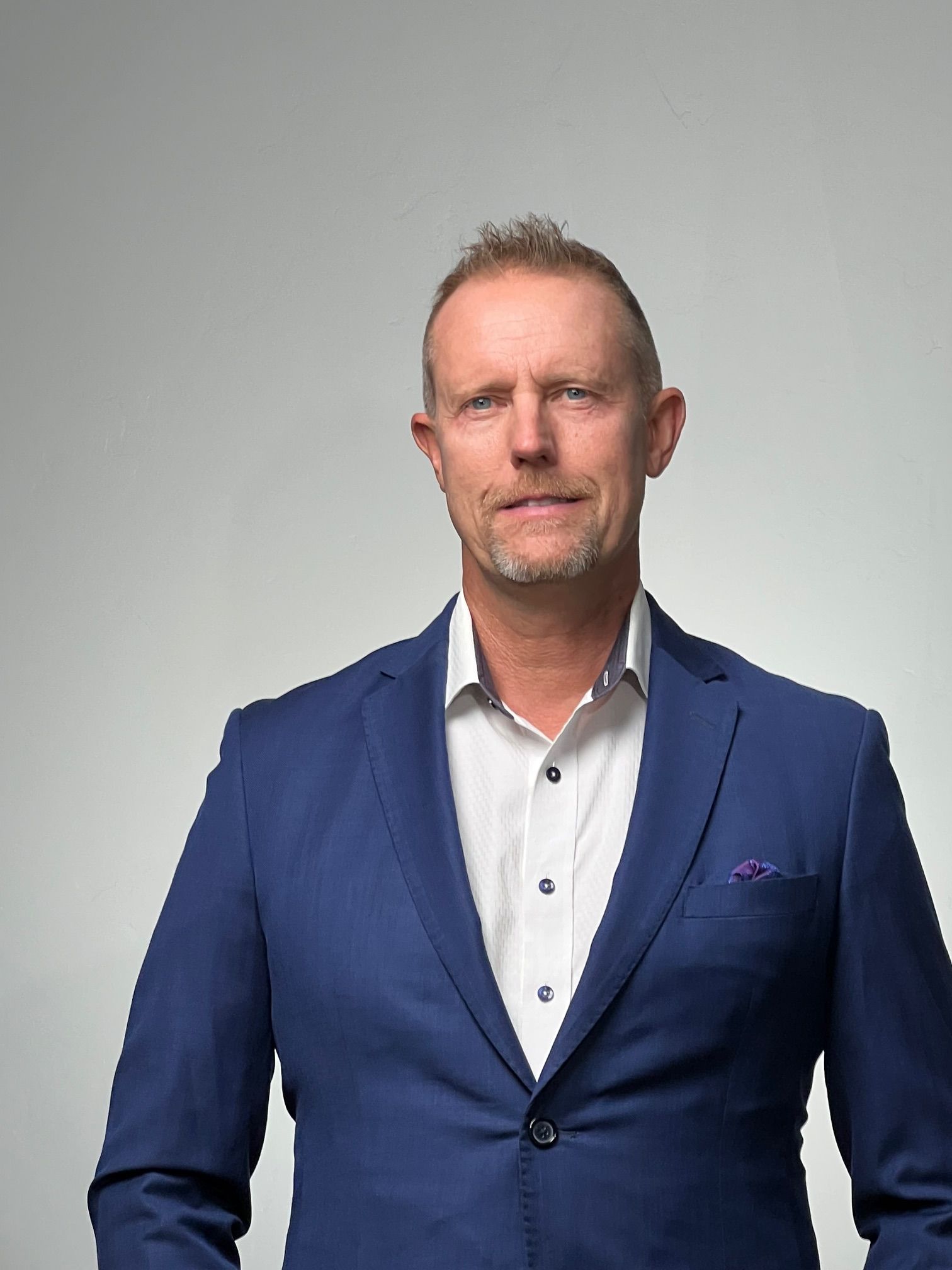

Every year, up to 1.2 million children fall victim to trafficking and many remain undetected, hidden from national authorities and anti-trafficking organisations. Of global trafficking victims, 66% are girls. Often, these victims are young migrants seeking refuge, only to become vulnerable to trafficking and its inherent exploitation. The horrifying "business" of human trafficking is thriving, generating billions in profit at the expense of the lives it destroys.
Paul Hutchinson was managing the multi-billion-dollar investment fund he co-founded, as well as working with several charitable organisations when he received a phone call that would alter the course of his life. He was told that rescuing 100 trafficked children in Colombia required more than just the usual philanthropic cheques he had become accustomed to writing. He would have to become part of an undercover operation at great personal risk.
The request was extremely dangerous, with unimaginable reasons underlying its urgency. The events that transpired as a result of that fateful phone call not only transformed Paul's perspective but also became the foundation for his new purpose – to eradicate child trafficking and its root causes. The organisation he founded as a consequence, the Child Liberation Foundation, is to date responsible for over 70 undercover missions in 15 different countries, recovering more than 5000 children.
In this interview, Paul Hutchinson, entrepreneur, investor, philanthropist, and executive producer of the highly successful film "Sound of Freedom," partially based on his experience in Colombia, shares his extraordinary journey: one that saw him leave the investment fund he co-founded to spearhead a global movement to create a world in which every child can experience safety, freedom, and hope.
What inspired you to retire from your successful investment company at such a young age in favour of following your philanthropic pursuits full-time?
At the beginning of my career, I had a mentor who said his business advice could make me a millionaire by age 30. Our conversations were interesting, and I listened to the guidance he offered. One of his recommendations was to give generously to charity because it would make a notable difference in my business. I couldn't see the connection at the time, but he explained that the average person donates around 2% or less of their income to charitable causes – and that wealthy people statistically donate an even smaller percentage.
His advice wasn't for me to donate 2%, 5%, or even 10% of my income to charity. The suggestion was to dedicate 20% of my income and 20% of my time to making a significant impact in the lives of others through charity work. Whether it was karma, the universal law of exchange, or even a divine blessing, my mentor was convinced that there was a higher power rewarding people who were doing good in the world and that financial returns were a byproduct.

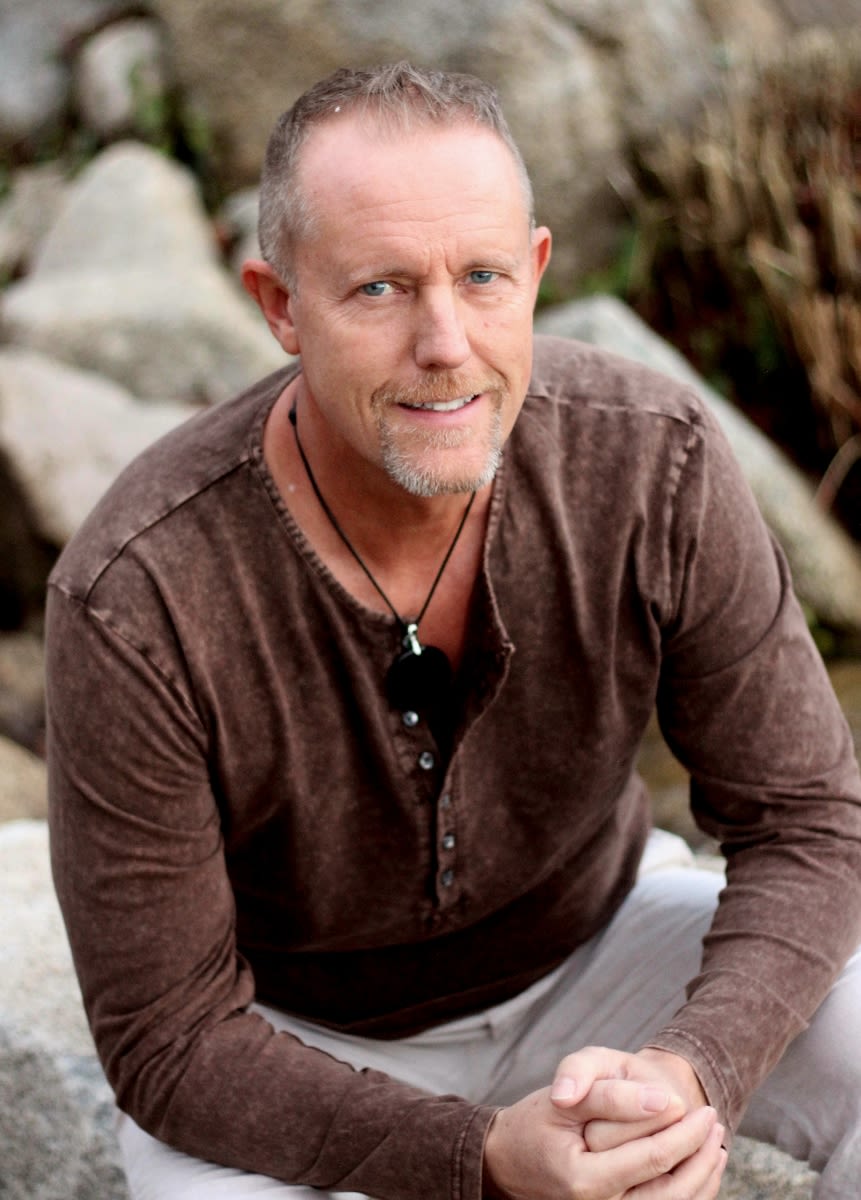
"Whether it was karma, the universal law of exchange, or even a divine blessing, my mentor was convinced that there was a higher power rewarding people who were doing good in the world and that financial returns were a byproduct."


Did you find it difficult to embrace your mentor's advice?
At first, I was very sceptical. I told him I wanted to be successful in business so that I could be charitable, not charitable, so that I could be successful in business. However, although his approach seemed counterintuitive, he urged me to test it, and I did. When I look back on my life today, the statistical probability of getting to where I am from where I came from is zero. How does somebody even become a partner in a $48 billion investment fund, let alone a founder? The only way I can make sense of it is that I decided in my early 20s to follow my mentor's advice, donated my income and time generously, and saw what I could only describe as miracles happening throughout the entire growth of my business.
Interview with Paul Hutchinson, Tharawat Magazine and The Family Business Voice
Interview with Paul Hutchinson, Tharawat Magazine and The Family Business Voice
What process did you go through when trying to figure out where to focus your charitable efforts?
I had already been involved with a lot of different charities, but in the beginning, when I was trying to decide where to donate my money, I found myself giving away a lot of cash to people asking for it on the street. One day, a friend questioned whether I was really making a difference this way, and I honestly didn't know. However, over time, I realised that I was, in many cases, adding to the problem, often reinforcing a welfare mentality.
So that's why I chose children, who are truly innocent and not responsible for the appalling situations they sometimes experience, as my philanthropic focus. I subsequently joined the Make-A-Wish board of directors, where I stayed for seven years, serving as the incoming chair, and had billions under management in my fund. I felt like my life was going amazingly well. Then, I received a phone call from our attorney general that changed my life and brought me into the world of fighting child trafficking.






How did that phone call lead you to establish the Child Liberation Foundation, which has been extremely active in recovering children and helping to fight child trafficking?
It really began during that phone call with the attorney general. He told me about human trafficking and how it was the fastest-growing criminal enterprise in the world. However, he wanted to discuss something even worse: child trafficking, specifically. I just couldn't fathom it. I asked him what the children were being sold for, and he told me about a Homeland Security agent working in South America who had found some children who were being sold for sex.
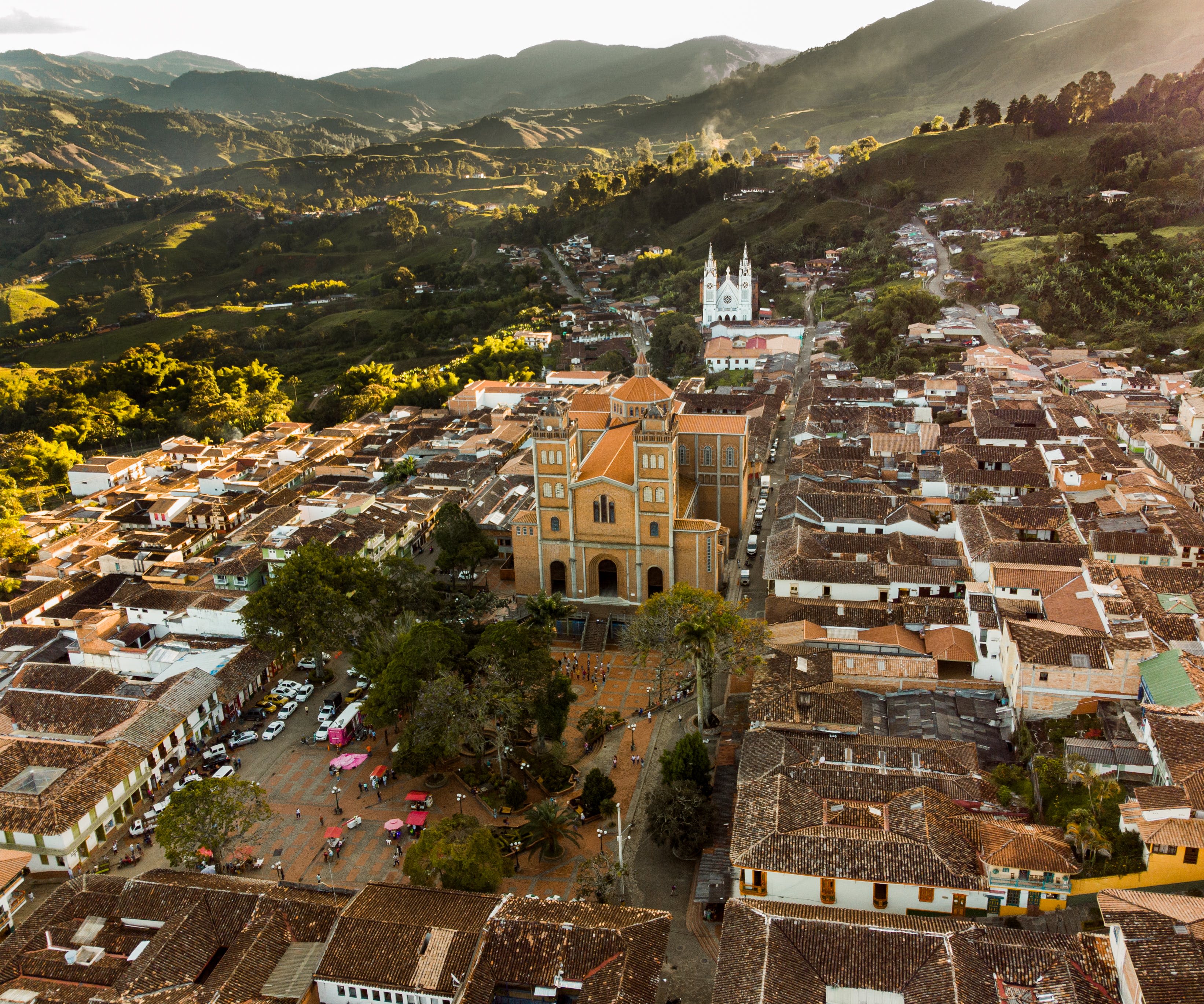
It honestly just didn't compute for me at first, but I met the Homeland Security agent and decided to help. I donated to the cause and introduced them to other donors. But then the same agent called me from Cartagena, Colombia, and told me there were probably more than 100 children in the region they could rescue on the same day. I asked how much money he needed to help, but, to my surprise, that wasn't what he wanted.
Instead, he asked me to go to Colombia and negotiate a multimillion-dollar real estate deal with the traffickers. He said the head trafficker had a piece of land that he hoped to develop into a child brothel and believed he could make millions of dollars a year selling children to Europeans and Americans who were visiting Colombia. It was a very dark situation, but I knew I had to help somehow.
What steps did you have to take to help rescue those children?
An hour after the call, the co-founder of my real estate fund, who had overheard the conversation, questioned whether I had really thought everything through. He pointed out how dangerous it was and wondered why I would take something like that on rather than retire, buy a tropical island, and enjoy the wealth I had accumulated.
But deep down, he knew that would never make me happy. I pointed out that we would still have the same conversation about risk and danger if I decided to climb Mount Everest. But when I'm 95 years old, looking back on my life of mountain climbing, multibillion-dollar company building, and helping to rescue children, rescuing the children would matter the most. He agreed.
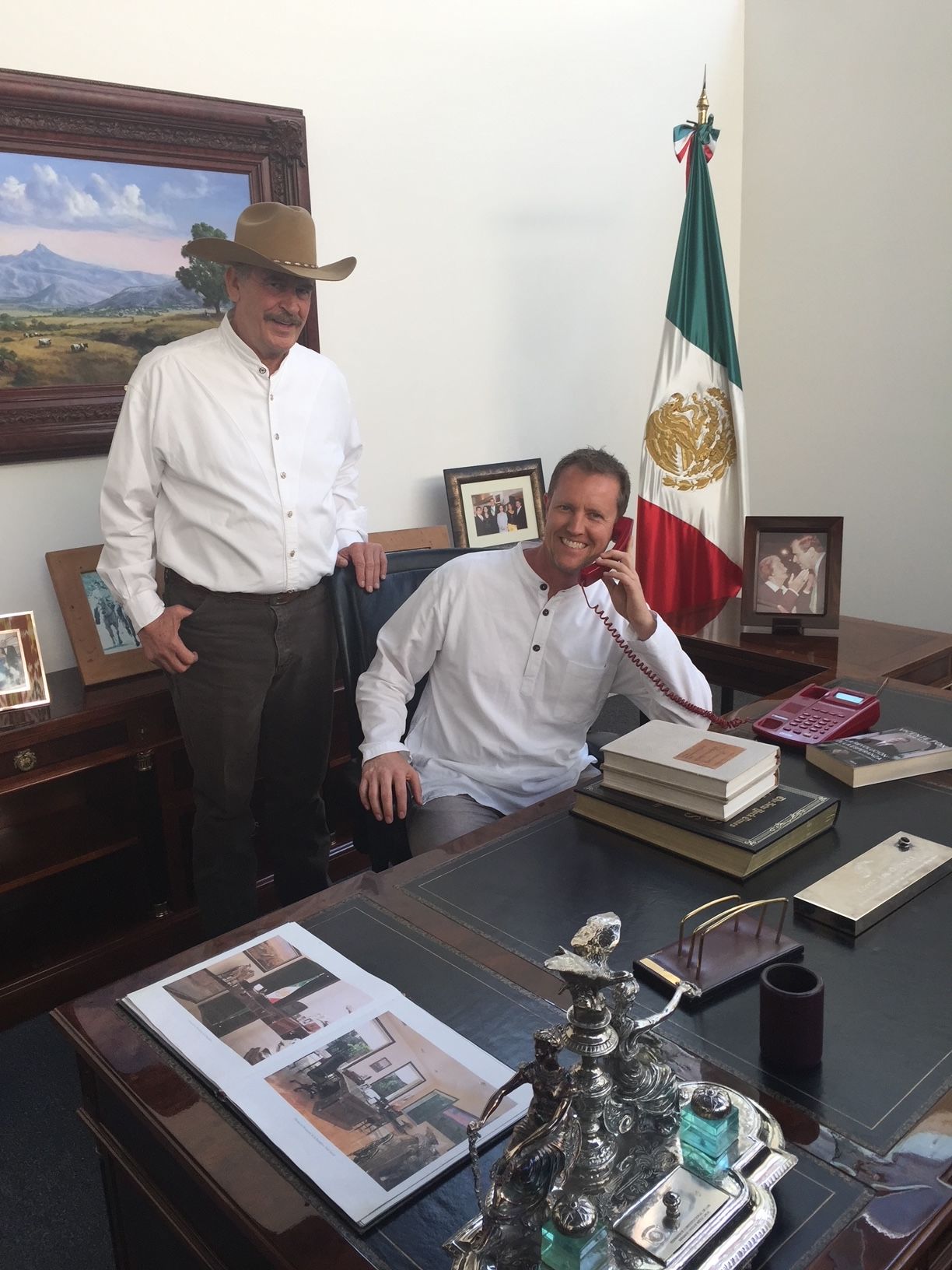
I went to Colombia, not knowing what to expect, and was met at the airport by some Navy SEALs who monitored my introduction to the child traffickers. At the time, I could not believe what was happening. During the meeting, one of the traffickers leaned forward, handed me his phone, and said he had a gift for me. I looked at the screen and saw a picture of an 11-year-old girl. Later, the traffickers brought that little girl, with tear stains showing through the makeup on her face, directly to me.
When I looked into her innocent eyes, all I saw was fear. Looking at that poor, frightened girl, I made an internal commitment to myself, to God, and to everyone else that I would dedicate my life to eradicating the evil that offered her to me. Although helping children through charitable efforts was already an important part of my day to day, what I saw firsthand that day transformed my life.
"It was a very dark situation, but I knew I had to help somehow."
How did that horrific event lead to the production of your popular film, "Sound of Freedom"?
I realised that the only way to truly address child trafficking was to create a global movement. And I knew that movies have the power to reach a large audience, so that's what I did. I am the executive producer of "Sound of Freedom," one of the top independent films in history. We made it with only a $14 million budget and generated over $250 million in box office sales. It's helped us reach a lot of good people and allowed us to at least open up the conversation and gain momentum for the movement.

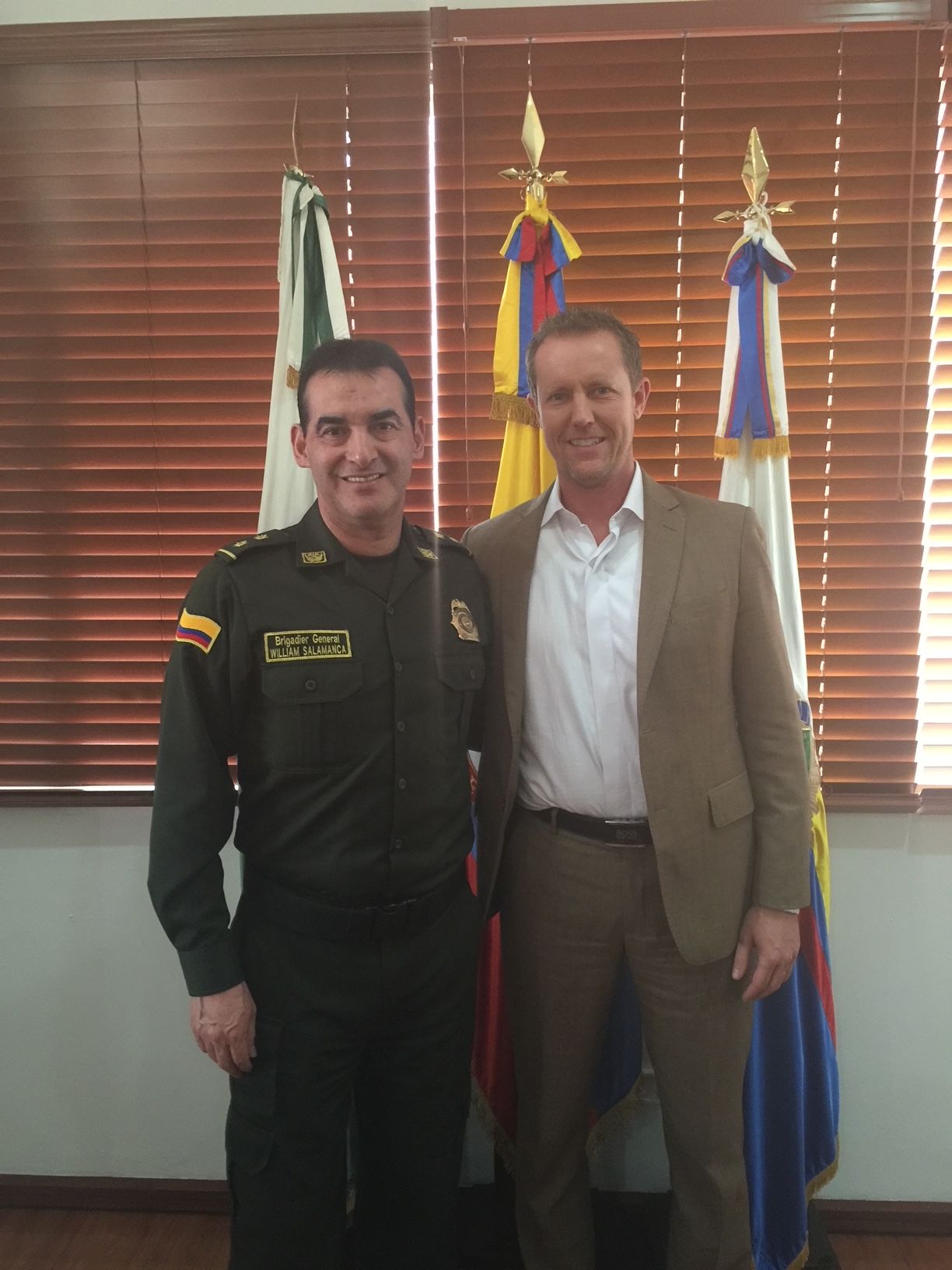
Interview with Paul Hutchinson, Tharawat Magazine and The Family Business Voice
Interview with Paul Hutchinson, Tharawat Magazine and The Family Business Voice
Your Child Liberation Foundation has led or held a critical role in over 70 undercover rescue missions in 15 countries. How have those accomplishments inspired you to establish your Liberating Humanity Foundation?
In the beginning, I didn't have time to set up the foundation. I even had to turn down the Make-A-Wish chairmanship because I felt so strongly about focusing all my philanthropic time and effort on the issue of child trafficking. At the time, I was providing financial support to multiple foundations working for the same cause, but I saw some things that concerned me in other organisations.
In the philanthropy world, you have to be wary of individuals using a foundation to prop up their ego or for their political ambitions. That experience led me to eventually start the Child Liberation Foundation, but it was more of a vehicle to fund other foundations I was interested in at the time. Through its resources and my undercover work, we played a key part in rescuing over 5,000 trafficking victims over 10 years.
I decided to go public at the end of 2022, producing my first podcast early in 2023. It meant saying goodbye to working undercover, but I realised we needed to leverage the movie's momentum to have a global voice to make a more powerful impact. But even more important was tackling all the issues that universally contribute to child trafficking. If we don't do enough to curb the demand, then traffickers will simply replace every child rescued. It's not enough to just throw money at the issue without devising a solid strategy to address causal factors such as domestic abuse, generational abuse, and unresolved child trauma.

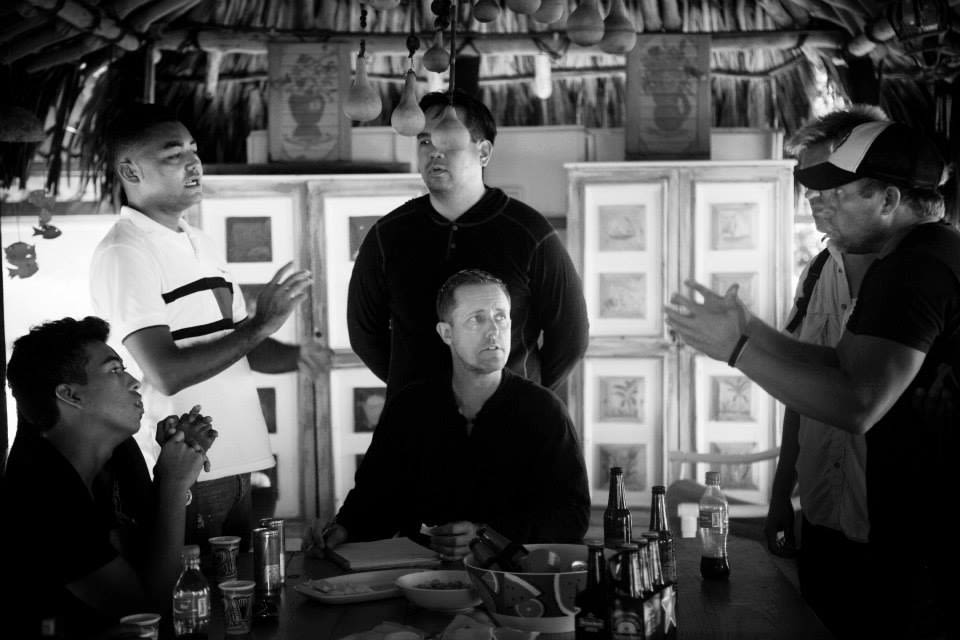
Around 40% of all women have been a victim of sexual abuse at one time in their lives, and one-fourth of those were children forced to be with men. The figure for males is around 20%, which is still a considerable number. This generational trauma is getting passed down repeatedly. We need to focus on addressing unresolved issues, and we need to give the world the tools it needs to keep children safe.
My Liberating Humanity foundation takes a larger, more holistic approach to help adults heal so that emotional traumas don't get down-streamed to children and consequently contribute to their abuse. We try to break the cycle that leads to child trafficking; sometimes, that can be as simple as parents hugging their children, spending time with them, and exercising compassion. Runaways, broken families, and broken foster care programs form the groups at greatest risk of child trafficking.


What is your advice to others who would also like to make an impact?
I tell people to find out what they're really passionate about. It doesn't matter if it's saving the trees, saving the whales, saving children, or saving free speech. What matters is figuring out what motivates you so much that you don't need an alarm clock in the morning to get up and do it.
Someone with financial resources could decide to use the weight of those resources to make a difference. That could mean getting involved with charitable organisations or groups, but I would also suggest they donate their time as well. They should go to galas, hear important stories, and discover what speaks to them.
Everyone has personal trauma to draw on. Maybe someone lost a relative to cancer when they were a child, and the experience hurt them deeply. They can decide to use that pain to motivate themselves and make a difference for those in similar positions. In the process, they will also likely inspire others to do the same. Their children, grandchildren, and great-grandchildren may look back and decide they also want to live their lives in the service of making the world a better place.
There are a lot of different opinions about what a legacy is, especially in the business world. I believe it is something your grandchildren tell their friends about in school because they're proud of the beautiful impact their grandfather is making in the world. That's what a legacy is to me.
If you would like to meet Paul in person, register for Influence here.
About Veritage
Veritage is a family coaching and advisory firm for wealth-owning families, that best delivers on building your family’s capacity to thrive emotionally and financially.
Veritage’s purpose is to help wealth-owning families create a culture of trust and respect, that enables unified decision-making and protects the legacy of the family, fortune and firm. We do this by enabling every family we work with to unlock their full potential, by creating a space of emotional safety that enables unified decision-making.
 Built with Shorthand