
Notre Art:
The Alchemy of Transforming Furniture into Art
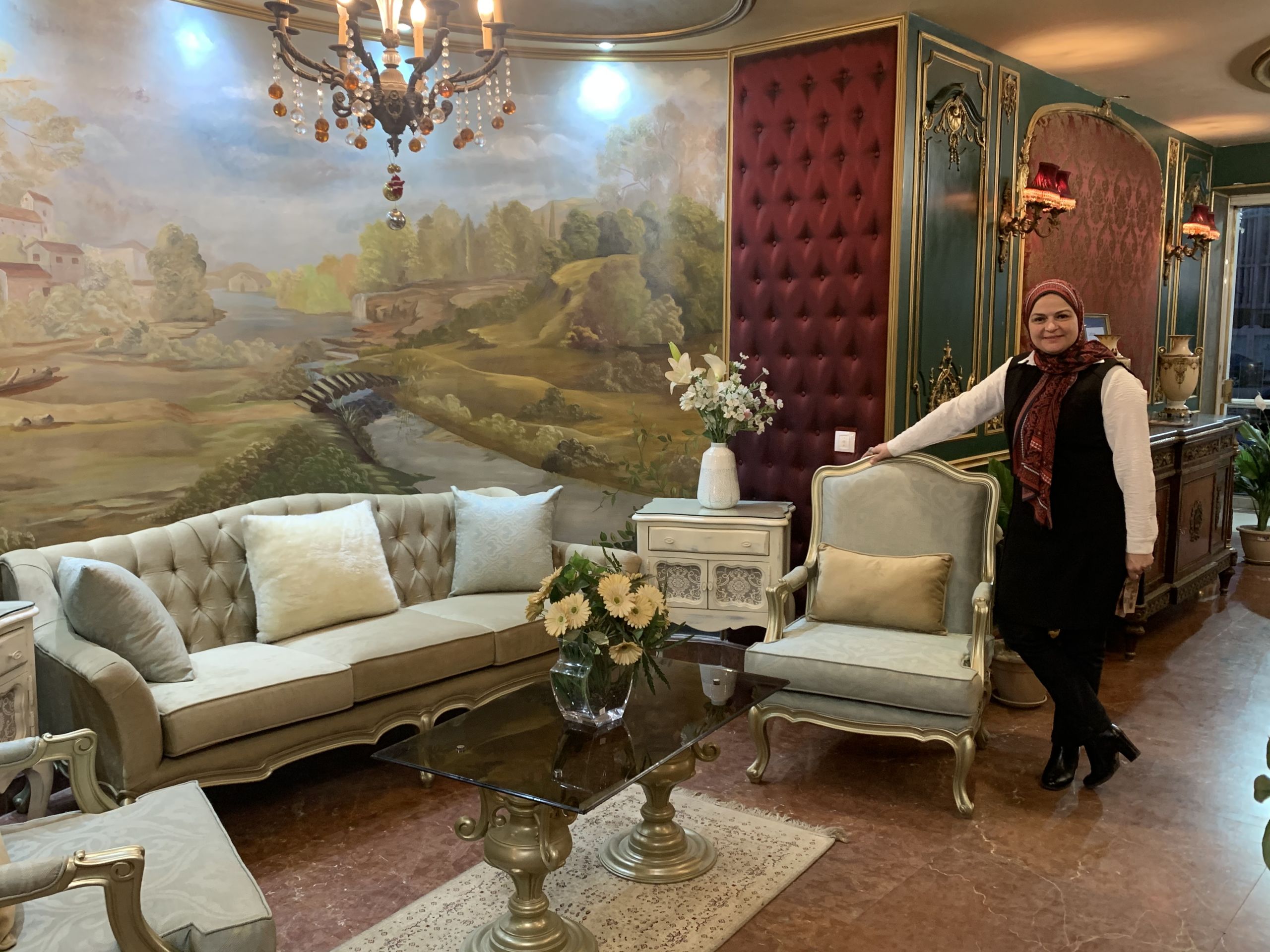

Interview with Noha Yehia, CEO, Notre Art, Egypt
Notre Art, the Egyptian design furniture spearheaded by Noha Yehia and her husband Ayman, blends Egyptian craftsmanship with French artistry to create internationally renowned bespoke furniture defined by intricate details and innovative design.
Noha found design as an outlet for her creativity early: at age 15, she would help her mother decorate the family home, and it wasn't long before she was inspired by French artistry. She called her work Notre Art as an homage to her love of French styling — an aesthetic world that inspires her to this day.
With the hypothesis that artists need more than just their art to speak to a wider audience, Yehia augmented her design acuity with a Master’s of Communication from the University of Cairo, a strategic move that now accounts for Notre Art’s marketing success. Soon after she graduated, she and Ayman married and began running the business as a team.
Since her official debut in the furniture industry, Yehia has always regarded her work as art rather than simply craft. Today, having embraced digital technology and virtual showrooms to reach a wider audience, Notre Art has set its sights on the next significant milestone: large-scale international expansion.
We sat down with Noha Yehia to discuss digital transformation, perseverance through political upheaval and the next generation of the family's design atelier.


What's the secret ingredient in the working dynamic between you and your spouse?
Working with a spouse is not easy. I quickly discovered that we have different methods of working and problem-solving, which caused some misunderstanding in both our professional and personal relationships. However, we are able to see past this because we share the same objective: to grow our business.
I realised that the way forward was to establish clear and separate responsibilities. If we each had our own territory within the business, it would lessen the conflict. Since that realisation, it has been relatively smooth sailing in all aspects of our lives.
My best advice to anyone who wants to go into business with a spouse is to create clear boundaries and separate responsibility.


Noha Yehia; image courtesy of Notre Art
Noha Yehia; image courtesy of Notre Art


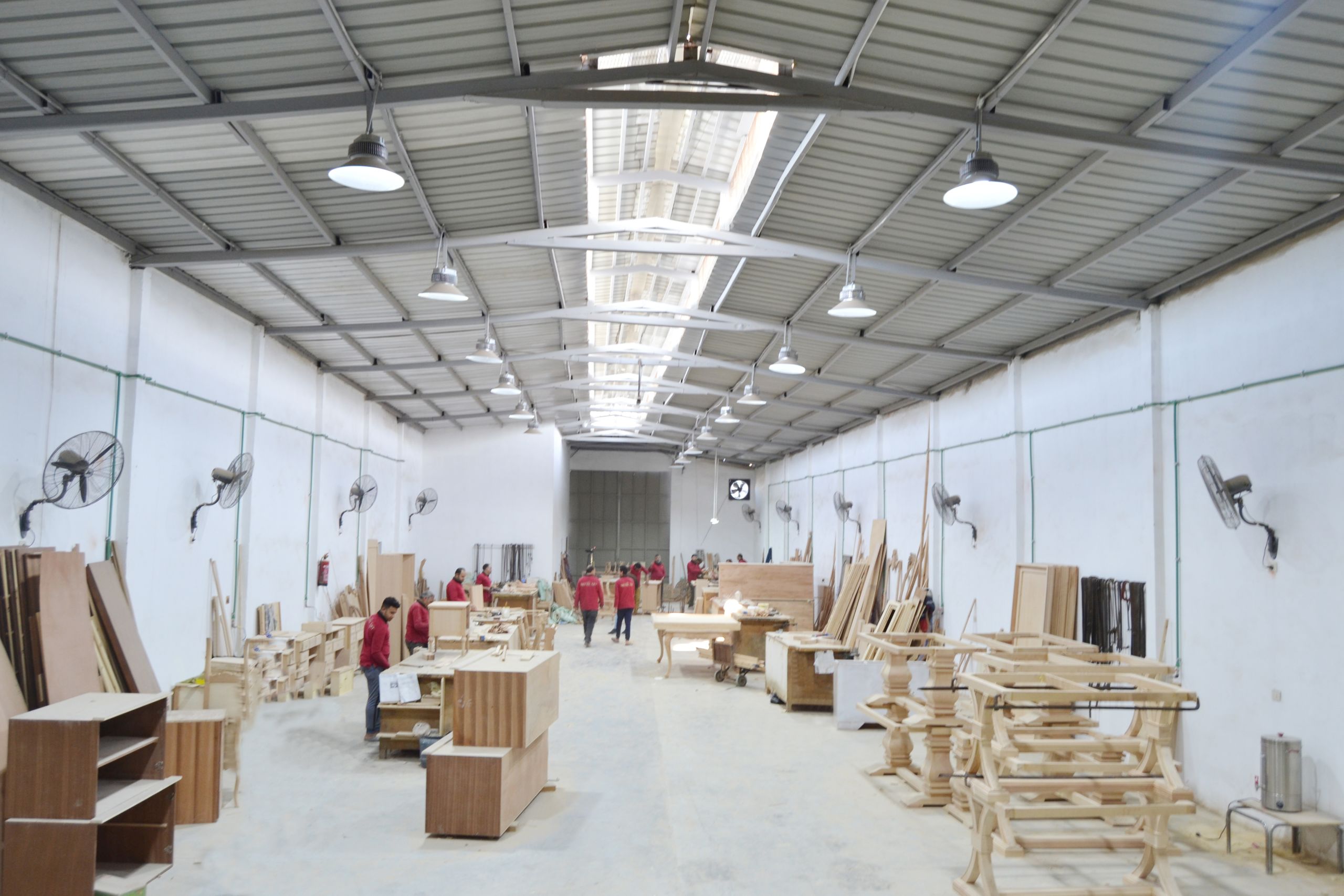


When I started in the furniture industry, our custom-made furniture was considered the best in Egypt because we worked with natural wood. We still use only natural materials today.

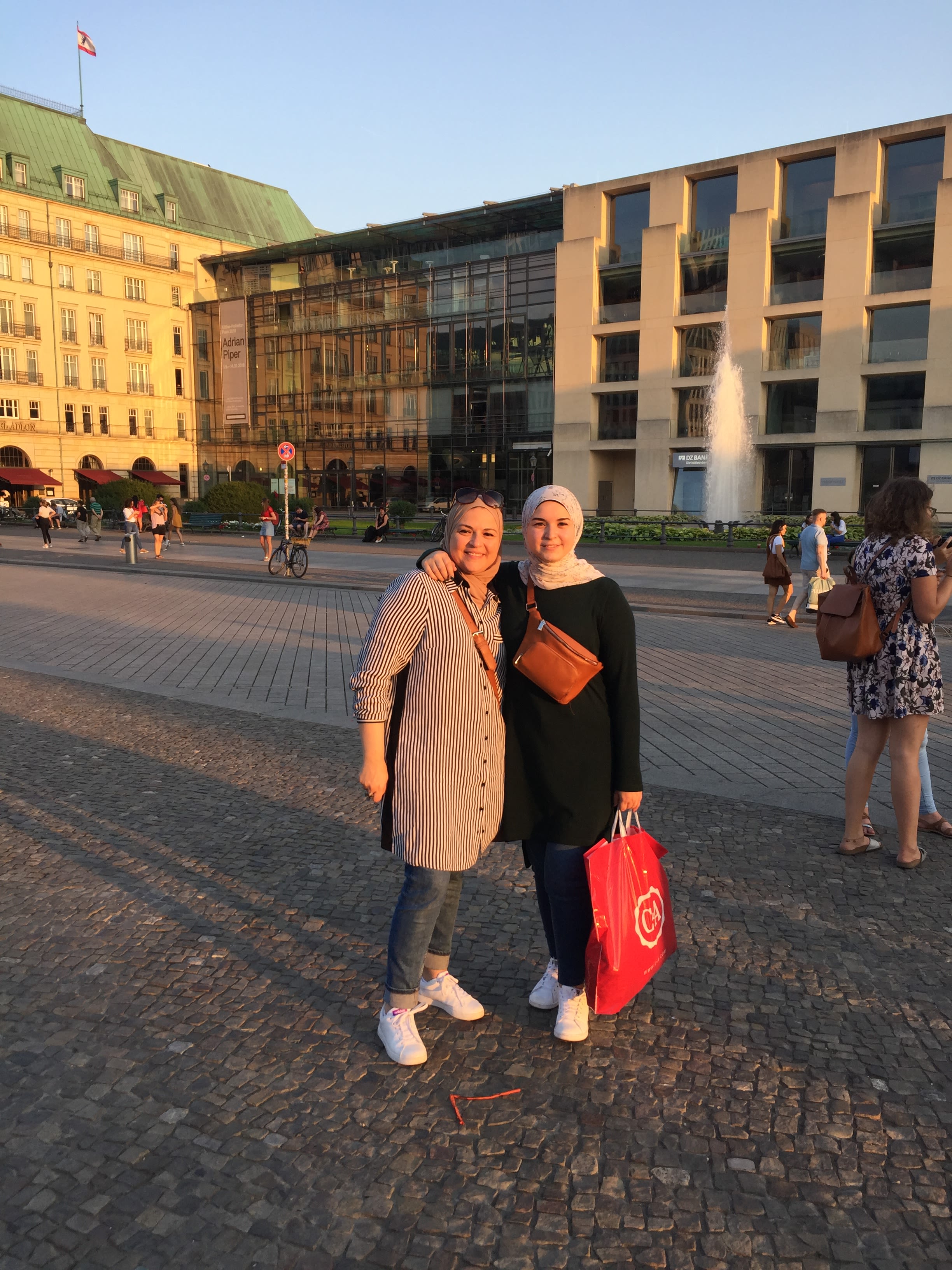
Noha and her daughter, Nada Ayman; image courtesy of Notre Art
Noha and her daughter, Nada Ayman; image courtesy of Notre Art
Do your children have a strong connection to the family business?
I’ve been preparing my children to join the business since they were very young. I would take my son with me to the factory and give him specific tasks, such as working on the inventory or learning woodworking techniques.
When a problem arises, I sit down with my children and we discuss it. Talking about how we can solve the problem together strengthens their connection to the business.
My son and daughter are now 24 and 22 years old, and they understand what we have to do to stay competitive in the market in the wake of this pandemic. It helps that they both studied architecture engineering and are themselves innovating the design world of Notre Art.
My son has modern tastes, which will help diversify our product range, and my daughter is working with me in almost every facet of the business. I believe that, as the second generation, they are strong enough to ensure the continuity of Notre Art.
How did the Arab Spring of 2011 change your approach to the business?
When I started in the furniture industry, our custom-made furniture was considered the best in Egypt because we worked with natural wood. We still use only natural materials today.
However, over the past 15 years, the demand for classic furniture has declined. Today, a more modern, flat style using engineered wood is popular. It is not my taste, but I knew we needed to adapt to meet the customer demand.
So, we launched a more contemporary style, which bolstered Notre Art’s reputation in the industry. International demand began to boom, and we started exporting our products.
In 2011, the revolution changed everything – economically, politically and socially. It froze our business for a few years, and we had to transform both internally and externally to adapt to the changing times. Thankfully, we now have political stability, a rising economy and a stable social environment. Everything we learned during that difficult time has also helped us to get through the COVID-19 pandemic.
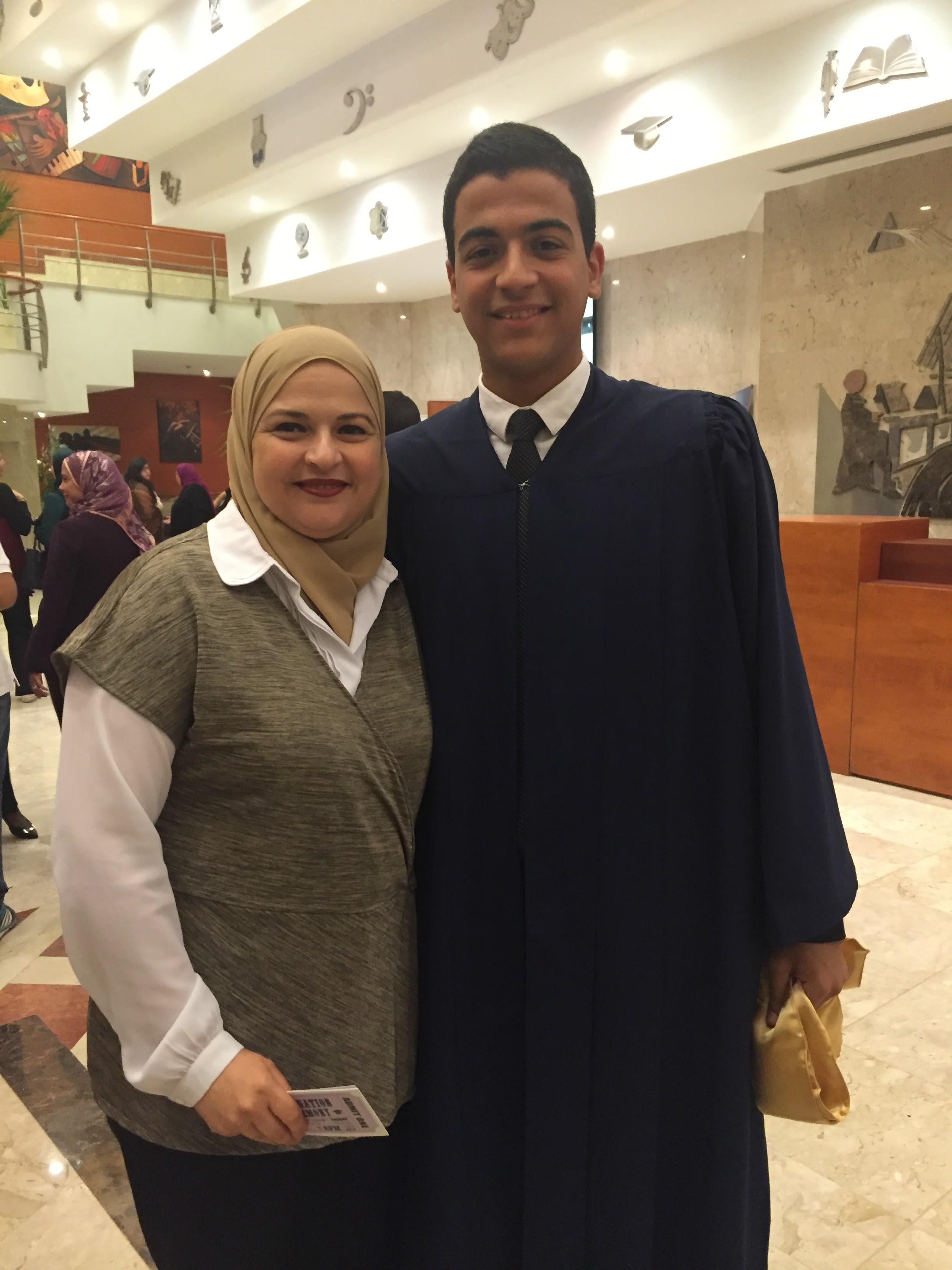
Noha and her son, Ahmed Ayman; image courtesy of Notre Art
Noha and her son, Ahmed Ayman; image courtesy of Notre Art
How has the pandemic been different?
One of the few positive outcomes of the COVID-19 pandemic is that it has forced businesses in Egypt to embrace the online market and digitalise. Before the pandemic, this had not been a particular concern.
We are now working to establish a robust infrastructure for our digital marketing, building a refined presence online and on social media. Before the pandemic, players in the furniture industry would frequently attend exhibitions, which are no longer a relevant channel. We have discovered that we can reach more people worldwide through virtual events.
Technology allows us to meet importers from anywhere in the world through video calling; similarly, people can visit our factory virtually. I see this as the great equaliser between SMEs and large enterprises.
How else has technology changed your operations?
We are currently working on converting all of our machinery to incorporate the latest innovative technology, including automation, 3D printing and Sketch-Up. Our new machines will help facilitate our designs and improve how we manage the factory.
Although it is extremely expensive, this technology will allow us to stay on top. We will be able to predict issues in advance and react to them accordingly. This technological expansion is something that will continue under the capable hands of the next generation.



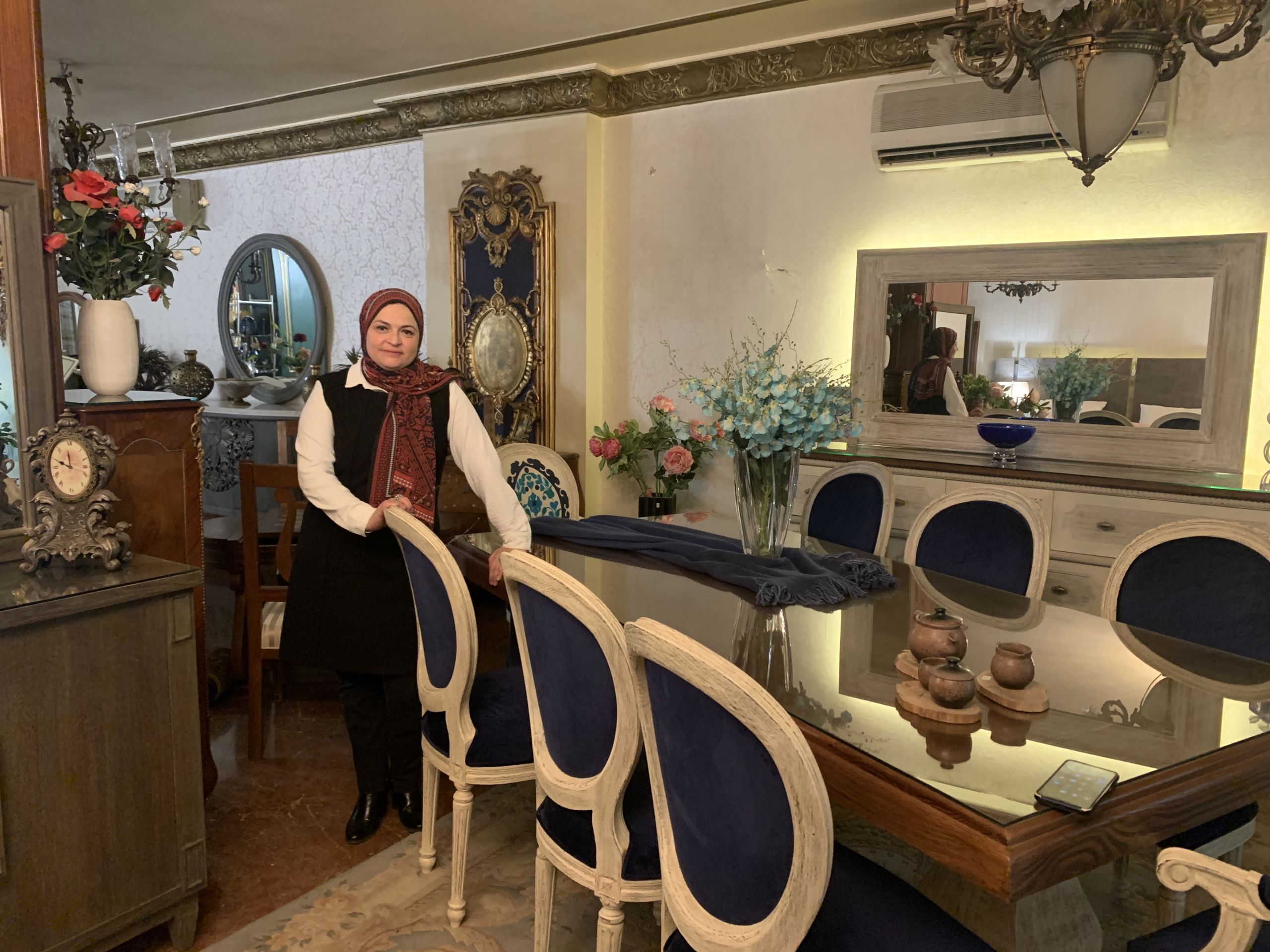

I consider myself the curator of these items — a steward of their aesthetic.
As a woman in a leadership position, what lessons do you feel are important to pass on to the next generation of young women?
Women have great potential to be successful industry leaders because they tend to be detailed-oriented. As a leader, you must be aware of everything that is happening in the business. You do not have to be an expert in all aspects of it, but you must be well-versed in its various components.
Women must also strike a balance between their private and professional lives. If they do not succeed in their private lives, their businesses will also fail. They must be able to convince their husbands, fathers, mothers and children that they are doing something of value in the world while simultaneously supporting their families.
Women-owned businesses make tremendous contributions to the economy and community.
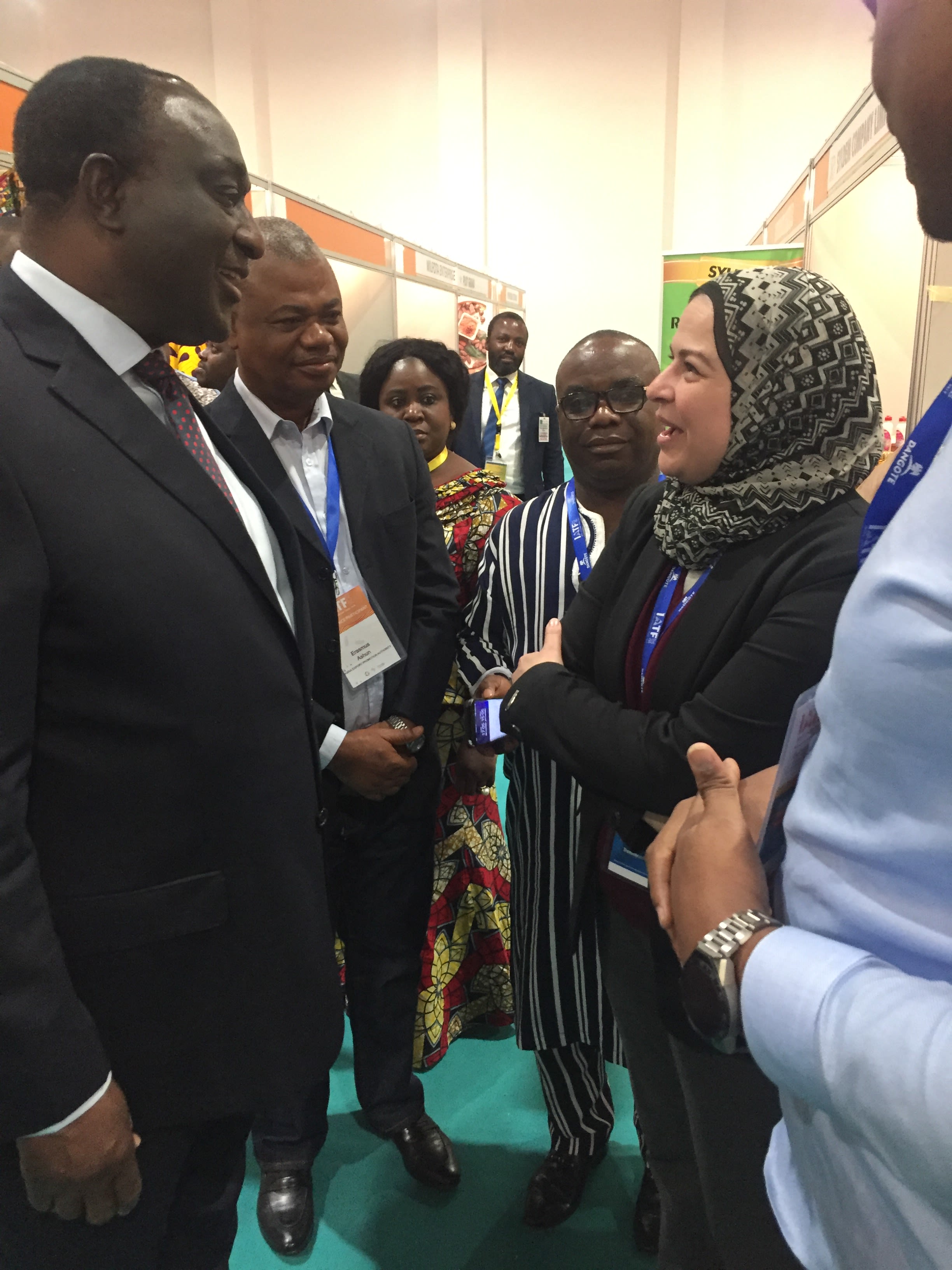
Noha at the IATF Intra African Trade Exhibition, Dec 2019; image courtesy of Notre Art
Noha at the IATF Intra African Trade Exhibition, Dec 2019; image courtesy of Notre Art
What is your biggest goal for the business in the near future?
I would like for Notre Art to have a footprint in every European country, especially France. The ultimate goal is recognition as a top international furniture brand with unique designs.
When I design a product, I'm not just building something for use in the dining room or bedroom. I consider myself the curator of these items — a steward of their aesthetic. I like to differentiate my work in terms of raw material, design and functionality.
My intent is for our clients to be proud of their association with Notre Art. When they purchase a piece of furniture, I want them to feel like they have purchased a piece of art that transcends generations.


 Built with Shorthand