Nature's Legacy: The Business of Doing Good
Interview with Pete Delantar, President and CEO,
Cathy Delantar, Vice President, and
Carlo Delantar, Sustainability Consultant, Nature's Legacy, Philippines

Breaking into any industry is a daunting undertaking. For husband-and-wife team Pete and Cathy Delantar, doing so three and a half decades ago in the Philippines with never-before-seen sustainable products at the heart of their mission, the odds against them were incredible. But they didn't let that stop them.

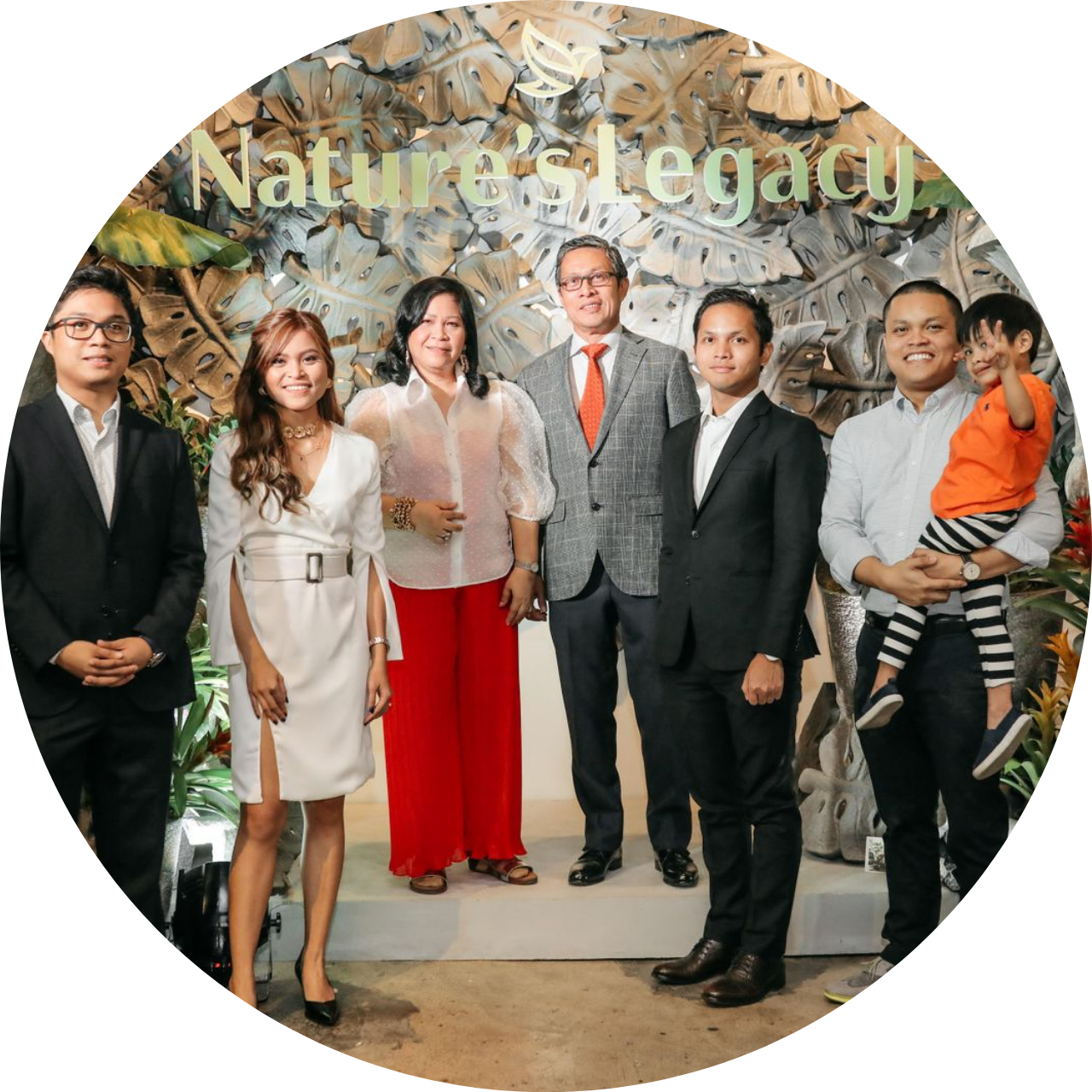
John Dayle, Katrina, Catherine, Pete, Carlo and Peter Delantar in the Nature’s Legacy showroom, courtesy of Nature’s Legacy
John Dayle, Katrina, Catherine, Pete, Carlo and Peter Delantar in the Nature’s Legacy showroom, courtesy of Nature’s Legacy


- Carlo Delantar, Sustainability Consultant, Nature's Legacy
The Delantars established Nature's Legacy in 1986, reimagining manufacturing at a time when sustainability in business was far from a priority. Pete and Cathy made it their mission to create products through upcycling, a fledgling concept back then.
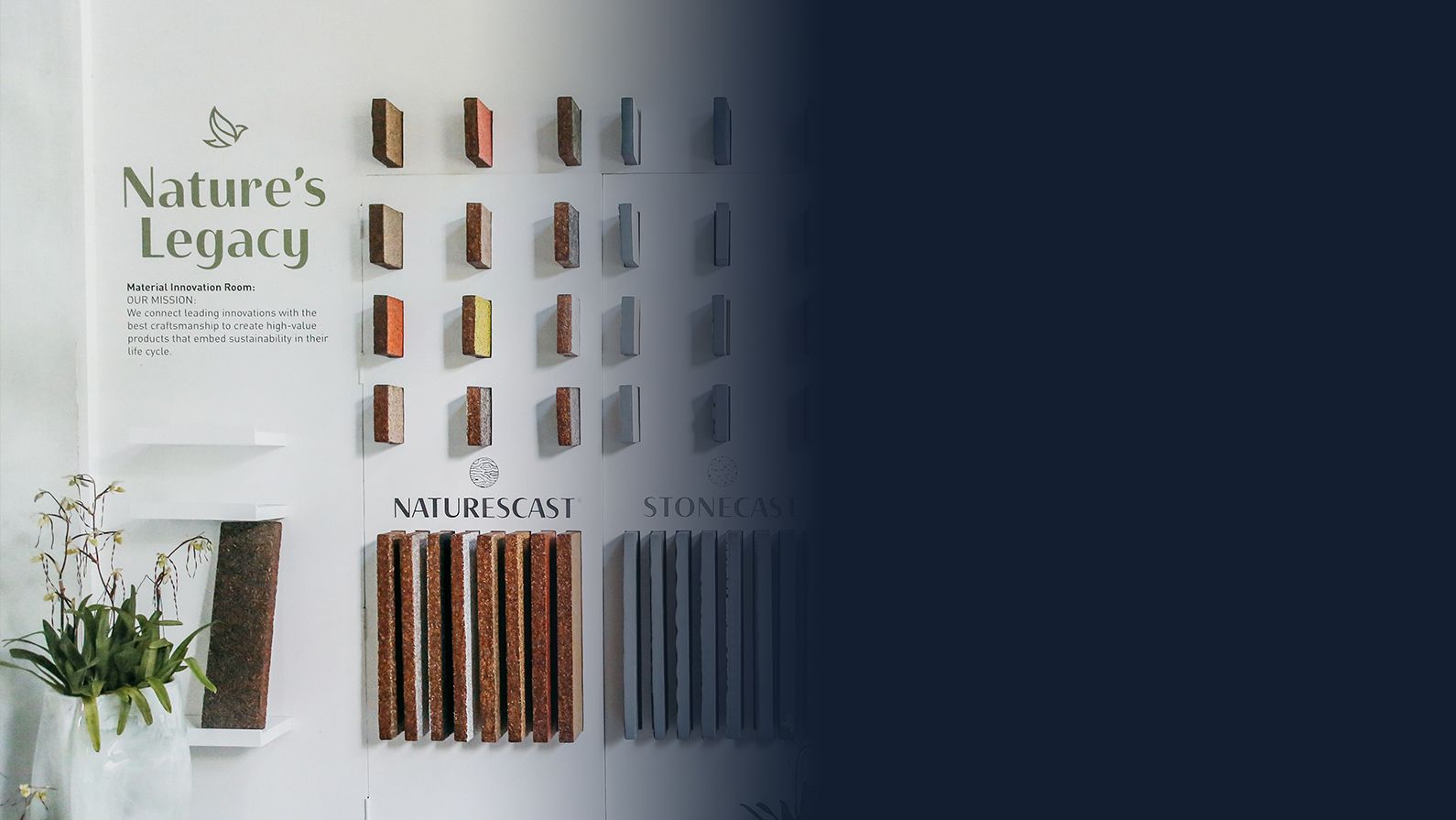
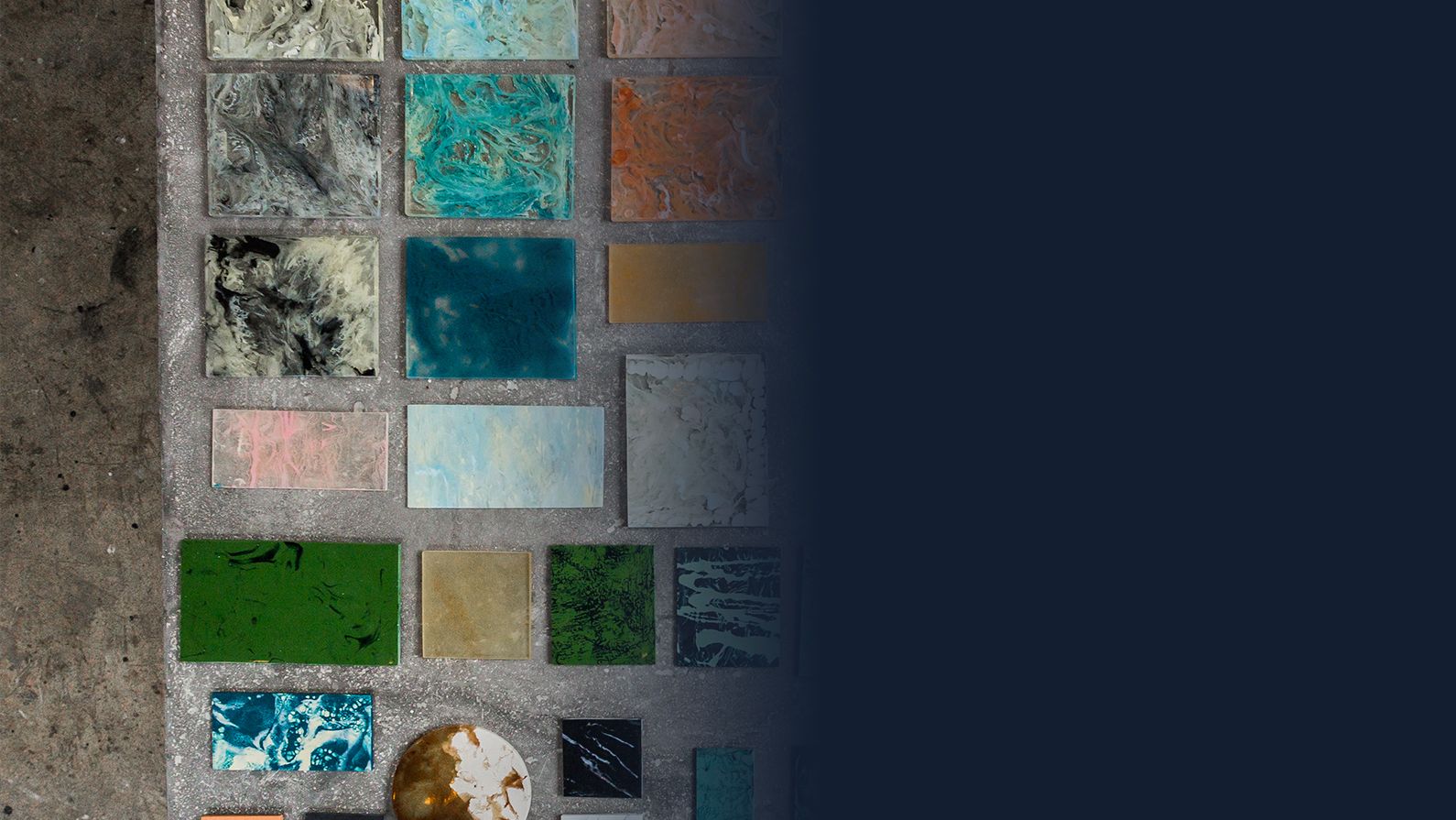
Their product lines — Naturescast, Nucast, Marmorcast and Stonecast — have risen to marked heights in their respective industries. Not only are their products sustainable, but they also reinforce the company's environmentally and socially responsible values.
According to the founders, creating an environment where their people can thrive is equally important as maintaining a sustainable value chain. Nature's Legacy has prioritised its employees' education and well-being by establishing training and exercise programmes, providing peer support and even reducing commute times by relocating facilities.
Giving back to their community ensures a sustainable ecosystem set to thrive for generations. There is just one crucial caveat for their future success: the business' growth will never come at the expense of its sustainability mission or its people.
We sat down with Pete and Cathy Delantar, as well as their son Carlo, to discuss the company's history of sustainability, their innovative products and their mission to better the lives of their employees.
Image1 : Nature's Legacy showroom in Cebu; image courtesy of Nature's Legacy
Image 2: Nature's Legacy at work; image courtesy of Nature's Legacy


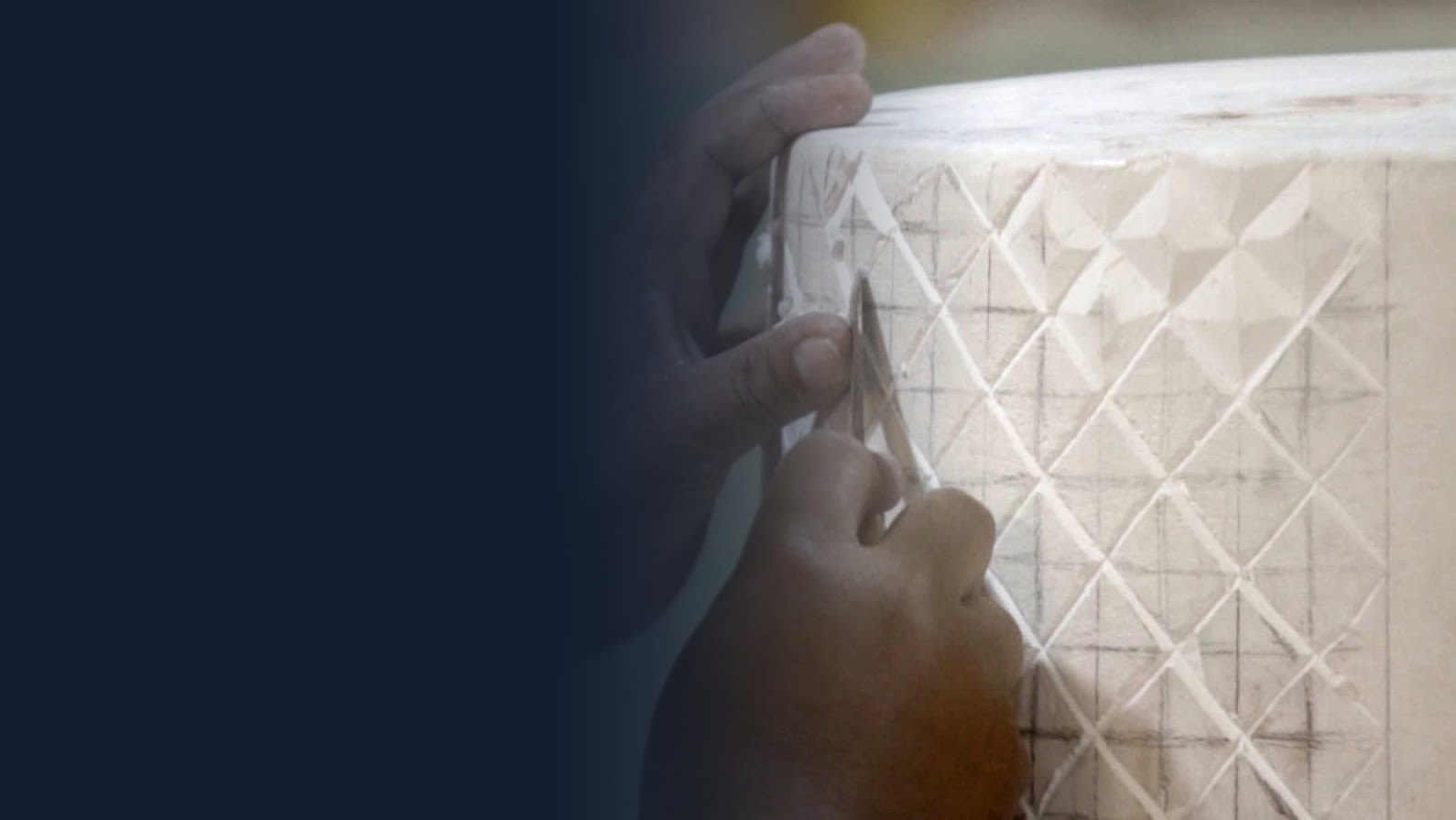


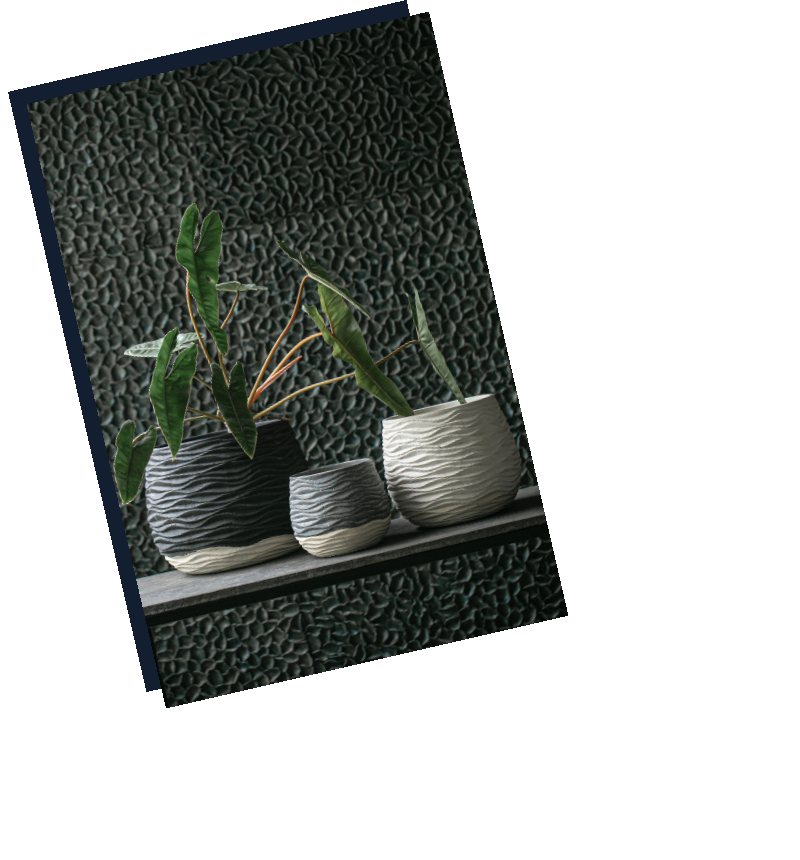
Image courtesy of Nature's Legacy
Image courtesy of Nature's Legacy
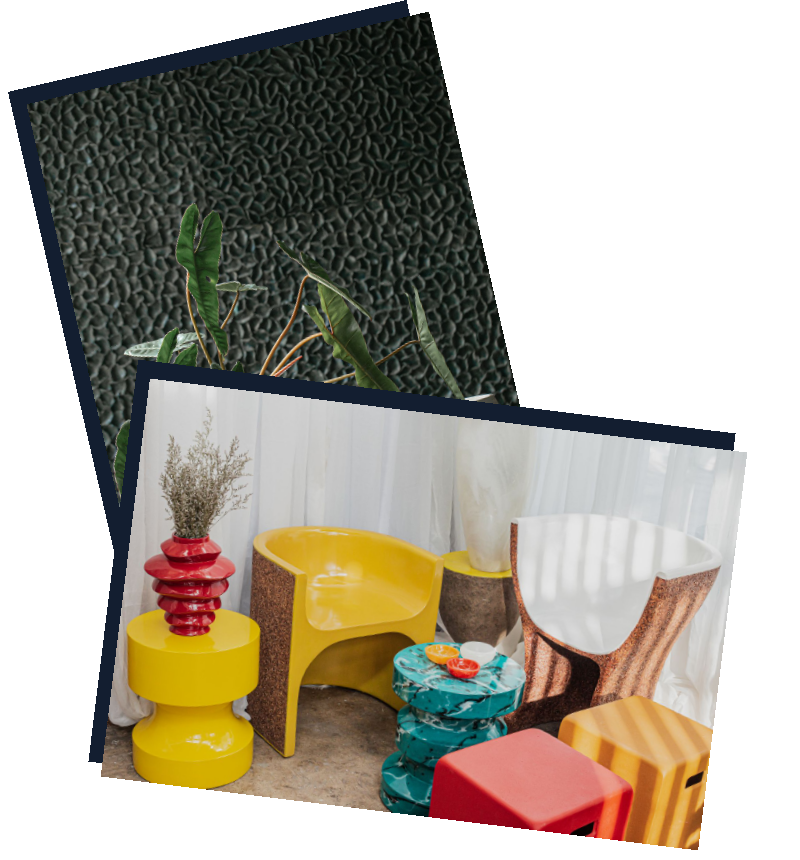
Image courtesy of Nature's Legacy
Image courtesy of Nature's Legacy
How did your entrepreneurial journey with Nature's Legacy begin?
Pete: Nature's Legacy's began with us making something out of nothing. The rattan industry was saturated at the time, so resources were limited in the Philippines. We needed to find a way to compete in the local market while upholding our values. So, we sought to carve out our own space in the manufacturing industry. We quickly found that traditional manufacturing processes produced high levels of waste in order to meet tight production deadlines.
We chose to upend that model by focusing on minimising material wastage during manufacturing. That was the first step towards realising our goal of sustainability. The next step was identifying the right material for our products.
From the beginning, we thought to utilise industry waste products as our base material. We were some of the first to adopt the concept of upcycling.




What was the impetus behind your sustainability model?
Carlo: While the choice was easy, implementing sustainability in the company from the outset was not without its challenges. My parents were often away at trade shows trying to build business relationships when I was a child.
It was the golden era of the Filipino furnishing industry, and the country had a strong command of the market, and this makes what my parents did all the more impressive. It would have been easier for them to ride that wave of success, but they forged their own path by emphasising environmental and social sustainability. They were cognizant of what unchecked consumption might lead to and instead chose to focus on replacing what they took.
The decision to implement a sustainability model could not have been timelier. Shortly after the company began, the Government of the Philippines enacted a moratorium on rattan harvesting, and the industry crashed.
Nature's Legacy became a commanding force in the market because of our proprietary products. We have expanded with several sub-divisions and multiple product lines from those humble beginnings, all driven by our sustainability values.
Image: Nature's Legacy showroom in Cebu; image courtesy of Nature's Legacy
When did you start to benefit from your approach to sustainability?
Pete: The turning point for Nature's Legacy was when we pivoted to locally sourced materials. Naturescast was our first proprietary material to come out of that shift and remains our flagship material. After over 20 years, we are still finding creative uses for Naturecast; its possibilities are limitless.
The product was not always successful, though. When we would pitch the product 25 years ago, we were often met with incredulous looks. Buyers found it difficult to accept that our products were made from a combination of timber and other waste products. It became a matter of showing people that not only are our products high quality, but they are also sustainable, and more importantly, that it's something they should care about.
We continued to create new products; our creativity was the key to showcasing the utility of our proprietary materials. With each new product, manufacturers were exposed to the myriad applications for Naturescast, but many remained sceptical. The material application was just so different from others in the market.
Gradually, we were able to demonstrate that Naturescast could be sustainable and high quality, as well as profitable. Our first buyer, a German corporation, understood the sustainability aspect and recognised its importance. They immediately distributed it across their worldwide network.
They launched their product line called 'Essentials', emphasising that something you need every day should be sustainable. The key marketing points were that the product was upcycled and contained no VOCs, something unheard of at the time. That major corporation created a lot of exposure and faith in our product from which we built our early reputation.
So many years later, the pandemic has increased interest in our product. Companies started to look at how they can operate more sustainably, which has accelerated our sustainability mission. We now have many certifications and regularly meet compliance standards and audits, which assuages any ethical concerns they may have. We are still fighting to convince more buyers, but we can safely say that we have made a demonstrable impact on the sustainability of the manufacturing industry.
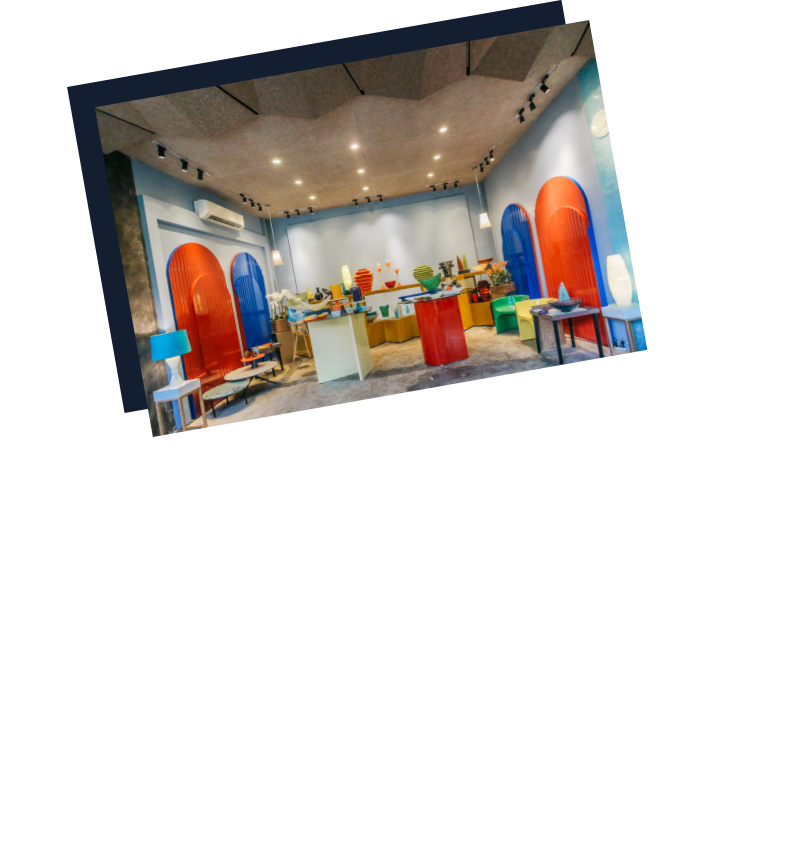
Image courtesy of Nature's Legacy
Image courtesy of Nature's Legacy
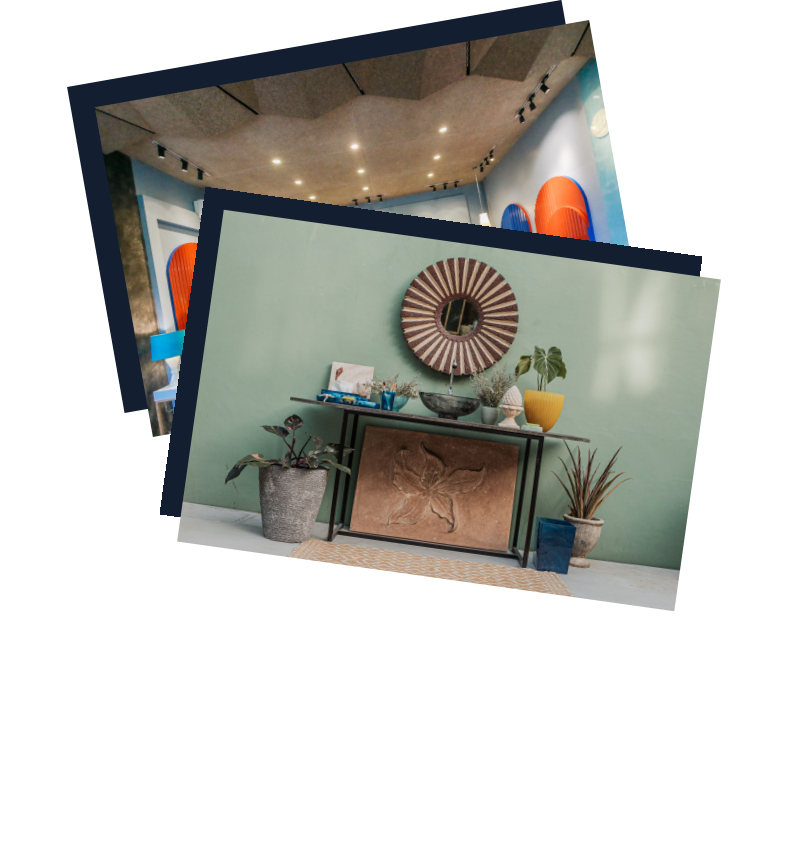
Image courtesy of Nature's Legacy
Image courtesy of Nature's Legacy


Also in this collection:
|

|
|
|
|
|
|
|
|

- Cathy Delantar, Vice President, Nature's Legacy


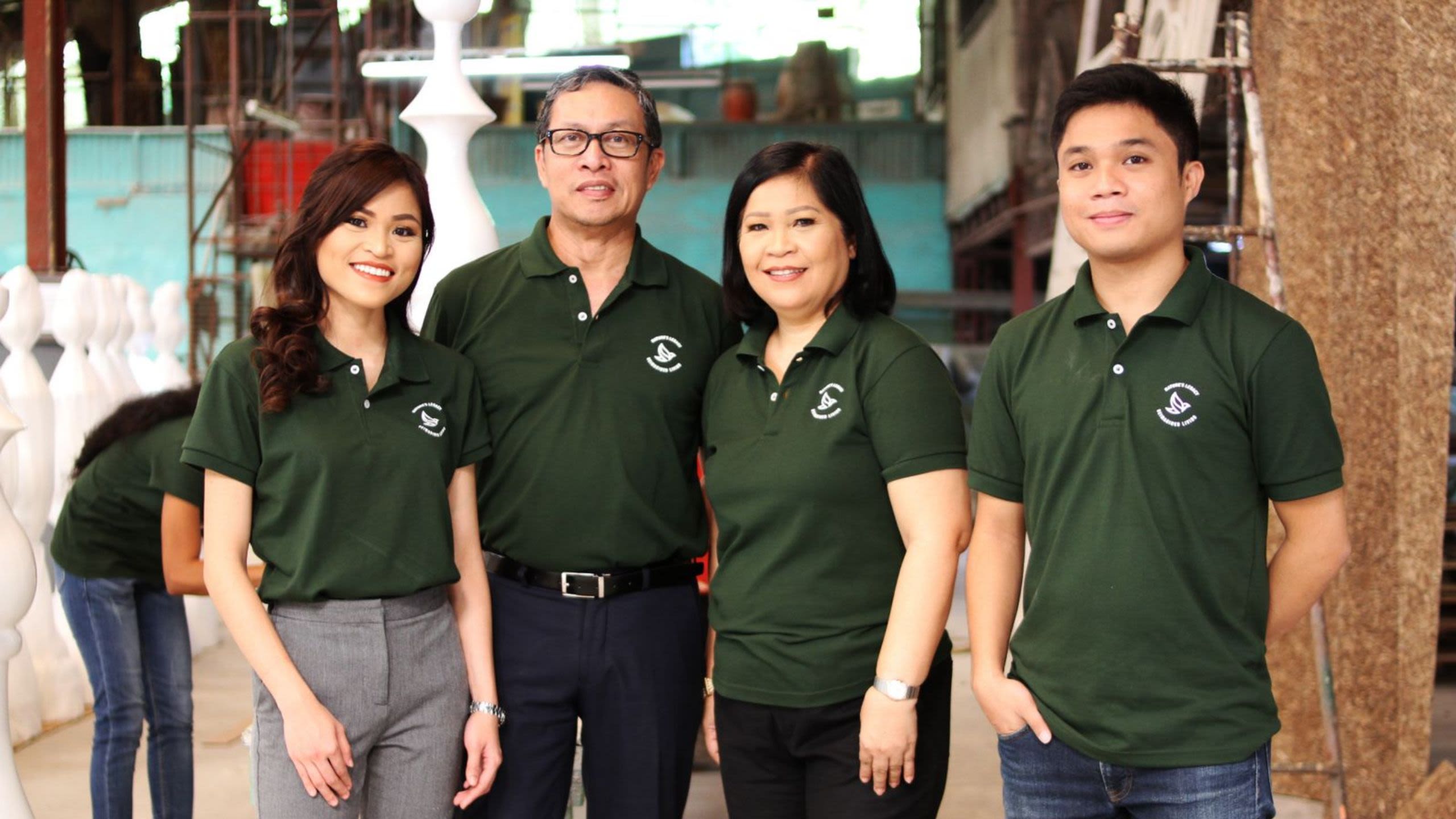
Nature's Legacy Team; image courtesy of Nature's Legacy
Nature's Legacy Team; image courtesy of Nature's Legacy
How is Nature's Legacy investing in its people?
Carlo: The Philippines is a matriarchal society, and our values are familial. With family playing such a significant role in our lives, it comes as no surprise that the focus is on looking after one another. Education for our people is just one key area in which we reinforce those values.
Legacy is a part of our company's identity and rightfully part of our name. My parents sought to increase Filipinos' education and quality of life, and they have succeeded in many ways. Scholarships were an early endeavour that has paid off substantially.
There are numerous cases of the second generation of uneducated first-generation workers going to college and securing meaningful jobs. Some of them went on to work for the company and have been with us for over 20 years. We are transposing those nuclear family values onto the company.
Pete: I would add that we prioritised employing the local people when we moved to the countryside. Education was somewhat lower in the area, but that provided us with the opportunity to share our vision with the employees and teach them our sustainability values. They now practise sustainability at home and pass those values on to their children.
It's not just a matter of teaching them what we know and have now, though. We also teach them what we want to see in the future. It is a chance to impress upon others the importance of cause and effect. The necessity to preserve our ecosystem and the discipline that is required to do so is paramount. We are proud to set this example in our community.
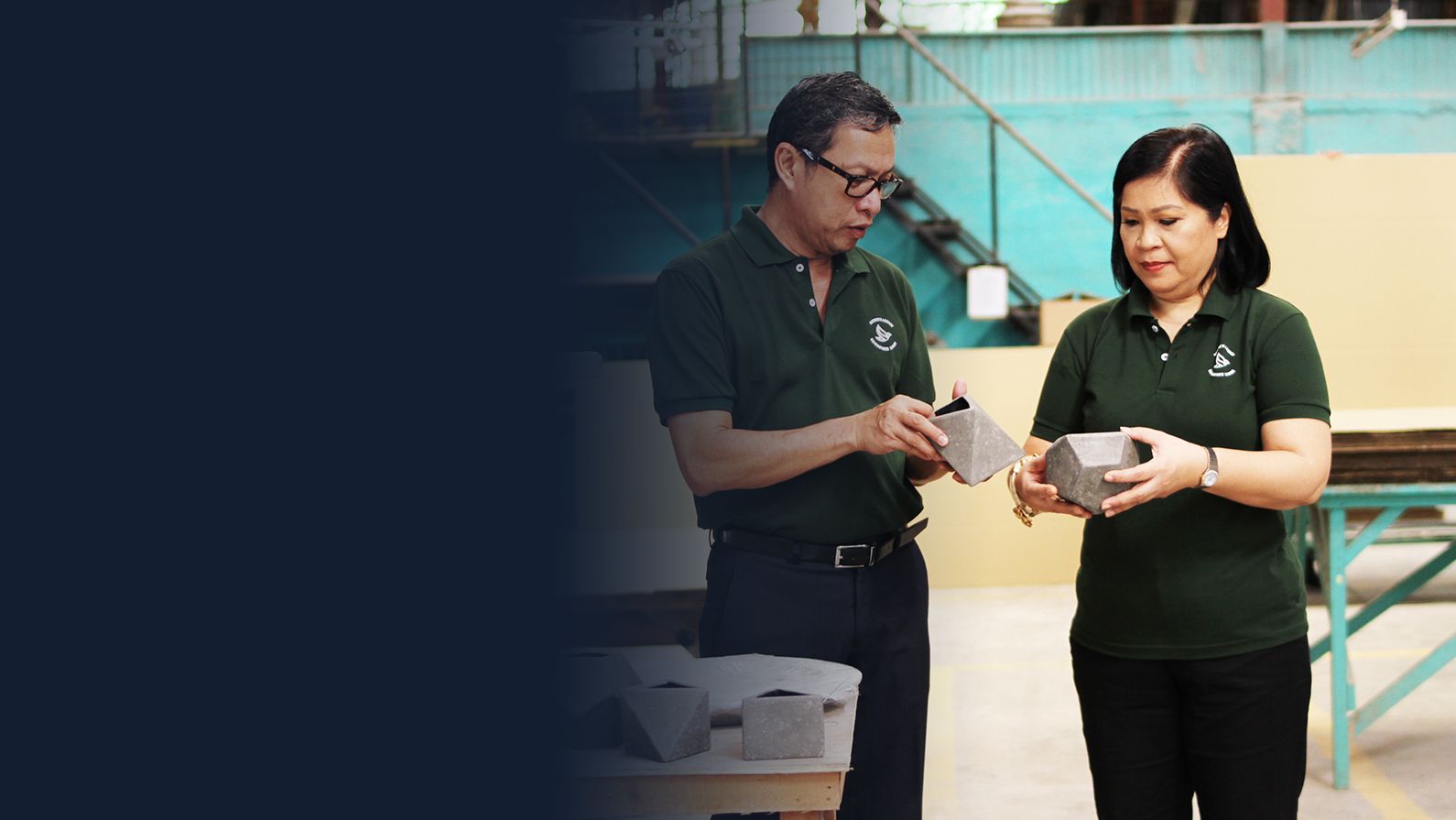
What role does a mixed workforce play in your sustainability model?
Cathy: As Pete mentioned, when we started the business, educating people was one of our key priorities. It is quite difficult for women with no education and experience in the Philippines to enter the workforce. We did not have the resources when we first started, but the flooding of our old factory was a blessing in disguise. We looked for a place where we would have ample room to grow and meet our sustainability goals.
We relocated to our current location, where the infrastructure was lacking. Yet, the first thing that struck us was how serene the environment was. So, we built our facility in a valley nestled between three mountains. I then had the privilege of bringing education to the mothers and daughters of our new community.
We created an ecosystem where housing, schools and work are all within three kilometres of each other. It allowed us to increase our employees' quality of life and decrease our collective carbon footprint.
Families are now able to put more food on the table and invest in their future. It is a perfect example of our sustainability model in action. With many families in the Philippines buckling under their debt load during the pandemic, our community continues to thrive in spite of the challenges.
It also goes beyond financial consideration; we are helping them navigate how to manage a healthy family. I have been working in this way for more than 30 years, and I learn new things every day. That I get to share my experiences and in doing so help create a positive work-life balance and a sustainable family unit is a gift.





There were times when we wanted to withdraw and others when we felt rebellious. At one point, we had an entire industry lobbying against us. Still, we remained steadfast in our beliefs.
Cathy Delantar, Vice President, Nature's Legacy
What measures are you taking to meet the sustainability targets of Nature's Legacy?
Carlo: In manufacturing, waste is inevitable. So, we prioritised finding ways to utilise waste.
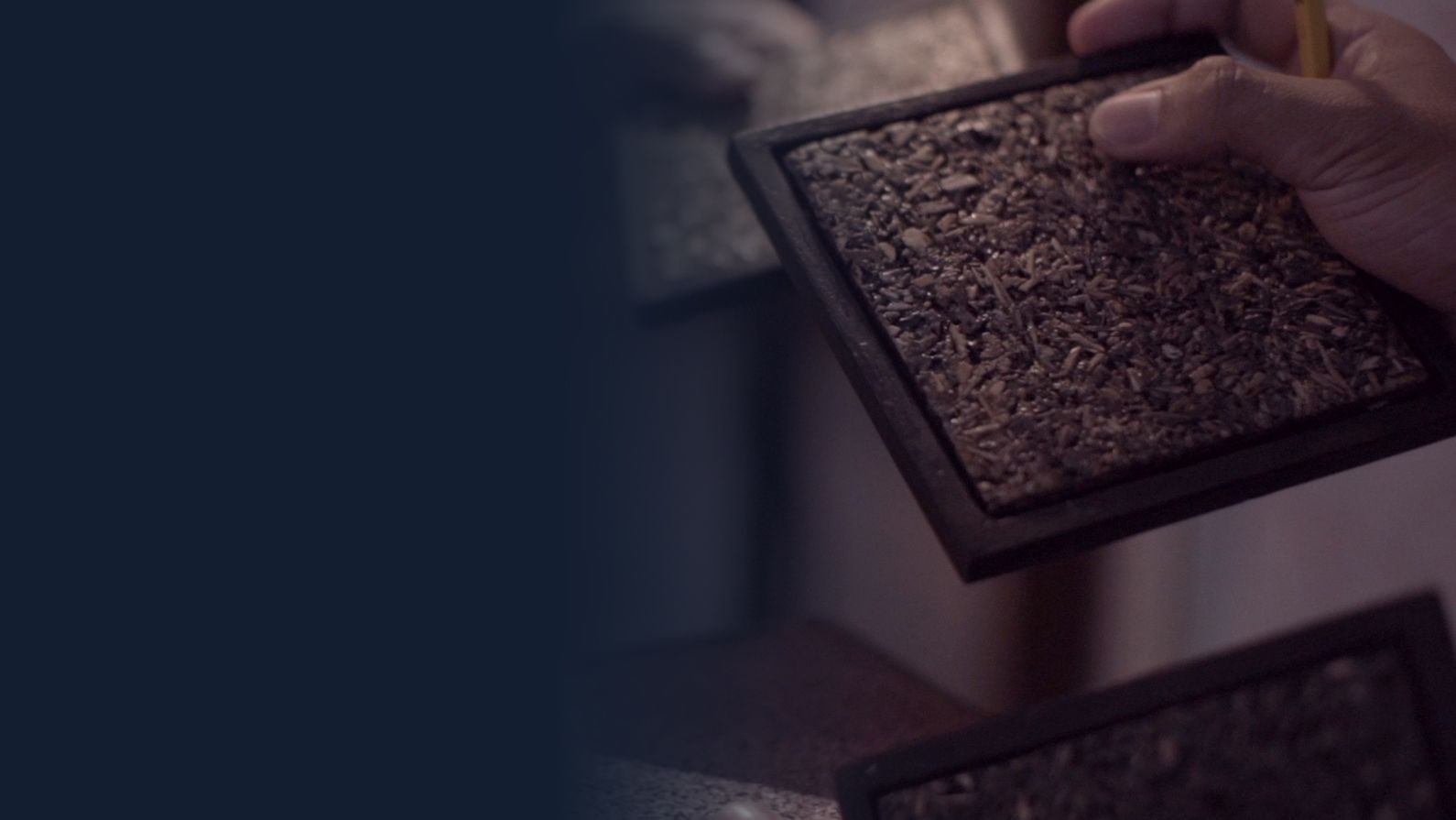
We started with upcycling to create our proprietary materials, such as Naturescast and Nucast, which derive from agro-forest debris and paper, respectively. We were then able to find new uses for our own products, which gave life to Floreia, our fashion line made from Nucast.
The innovative products we can make with our materials are endless, and all of them are sustainable.
As a family business, our next step is figuring out how to increase our presence in the global market while maintaining our core values. I believe a big part of that is sharing our story and values with consumers — everyone from the individual to the manufacturer.
In the Philippines, where certification carries little economic incentive, we are a leading force in our industry. However, there is still room for improvement, and that is especially true abroad. We are constantly striving to improve our standards and certifications to help us to benchmark our progress and speak to an international audience.
Image: Nature's Legacy at work; image courtesy of Nature's Legacy
Feel your best
both physically & mentally


Personal Health Tracking and
Guided Wellbeing


What are the risks of pursuing a sustainability model?
Pete: There were many challenges we had to overcome to see our dreams come to fruition. Facing discouragement is just a part of life. The scepticism that surrounded our products at times made it seem like success was impossible. For example, we built ceiling panels with acoustic properties that were tested to high standards in Japan. Many doubted the efficacy of our panels, but we remained focused on the belief that we are doing good. In the end, our perseverance paid off.
Without taking risks and pushing for sustainability, we would not have received the certifications and accolades we now hold. In fact, companies focusing more on ethics, such as The Body Shop, would not issue the purchase order to us without our level of compliance. Overcoming all of these obstacles changed us as people and made our business stronger.
Cathy: There were times when we wanted to withdraw and others when we felt rebellious. At one point, we had an entire industry lobbying against us. Still, we remained steadfast in our beliefs.
We were strengthened by the quality of our product. We started with the material, then progressed to design innovation and finally focused on function. We are proud of what we've accomplished — creating five new materials that remain at the forefront of sustainable product manufacturing is no small feat.
The support we received from our people was also key. At Nature's Legacy, human development is equally as important as material innovation. Knowing that we were fighting for and with our community along the way bolstered our resolve. We go to bed with a clear conscience every night and wake up ready to tackle the day's challenges together.

Image courtesy of Nature's Legacy
Image courtesy of Nature's Legacy

- Pete Delantar, President and CEO, Nature's Legacy
What advice do you have for companies looking to implement ESG?
Carlo: Most of the time, I think major changes like those towards sustainability start with a leader. It is usually someone that is passionate and willing to challenge the status quo. But, no one person can do it alone. It is essential that the culture of the company changes, too.
Cathy: My dream when we started Nature's Legacy was that we create materials meant for everyone. If we can give individuals and corporations the materials to be sustainable, then we can work together towards a greener future. My advice is don't be afraid to take risks in favour of your values.
Pete: When it comes to implementing sustainability and ESG initiatives, look around you and start small. Develop within a limited market and then expand from there. Perhaps it begins with just one product while you develop new ways to make others sustainable. I believe we can all do our part to secure a greener future for generations to come, one step at a time; don't be afraid to take that first step.




When it comes to implementing sustainability and ESG initiatives, look around you and start small. Develop within a limited market and then expand from there.
Pete Delantar, President and CEO, Nature's Legacy


 Built with Shorthand