
Kiilto: The Centennial Perspective on Continuity and Change

Interview with Ville Solja, Fourth-generation Owner, Kiilto, Finland
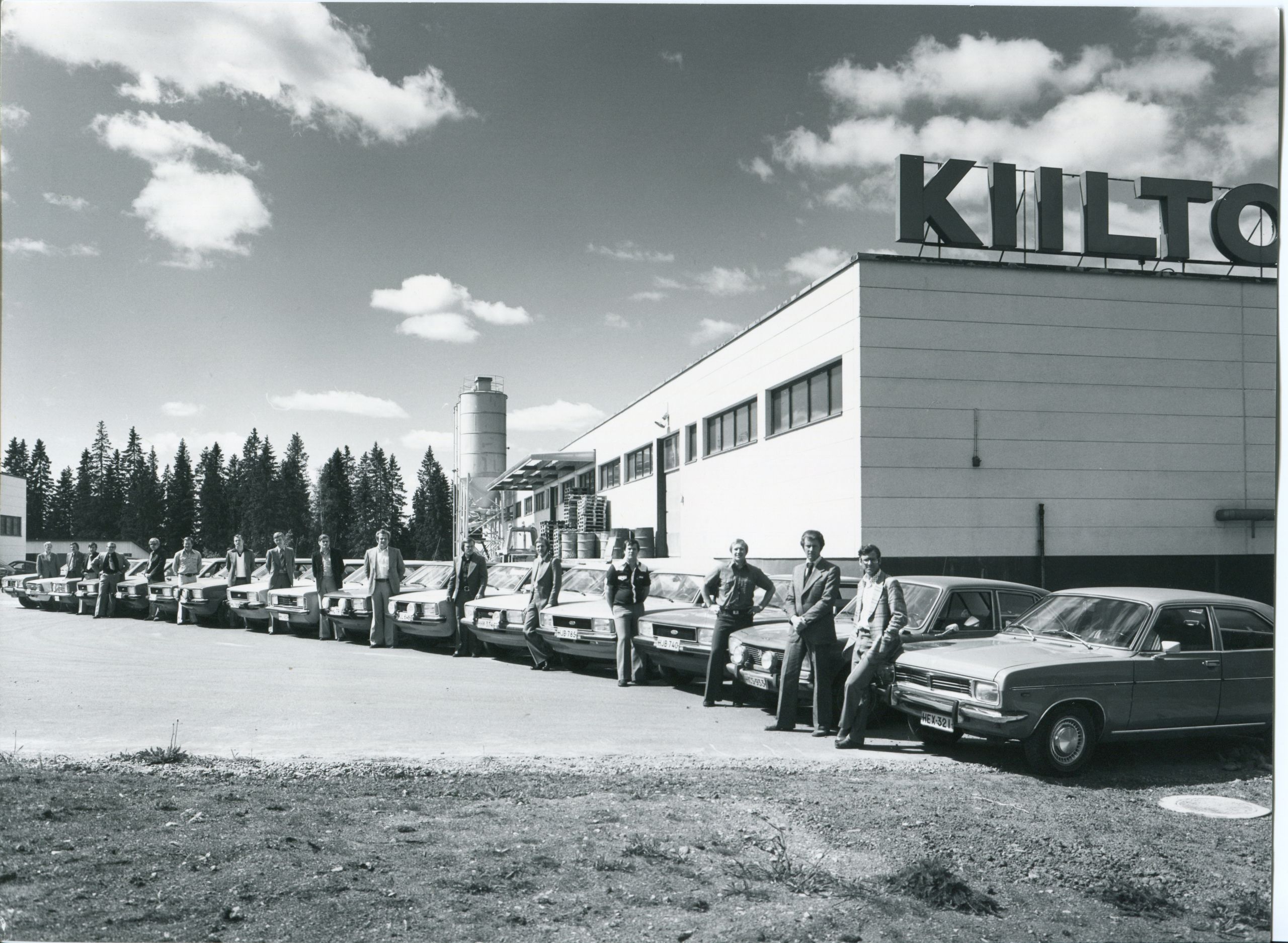
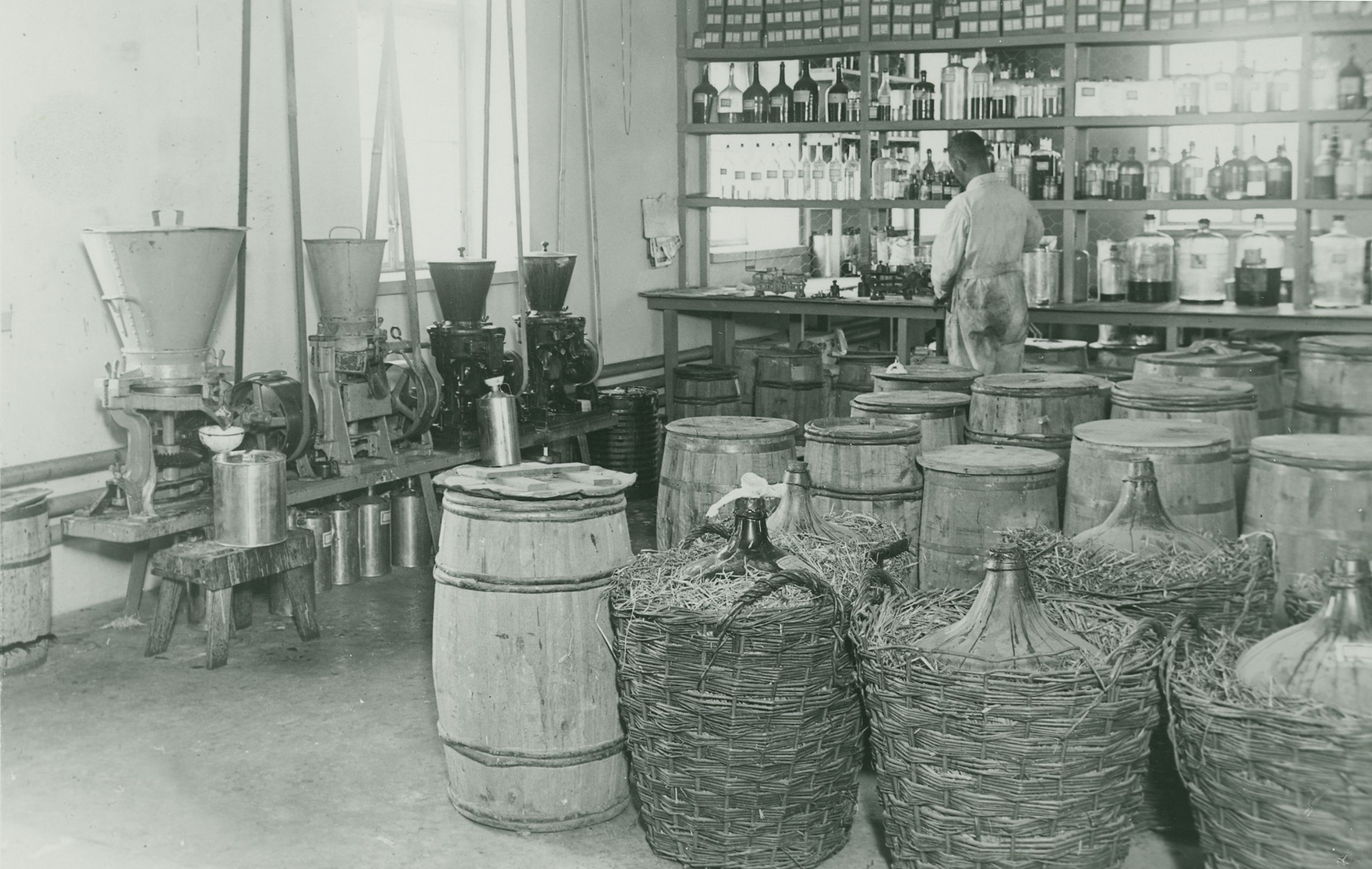
For over 100 years, the Solja family has championed European product development. Their family business, Kiilto, which began as a shoeshine factory in 1919, can be defined only by the forward-facing approach that has enabled their continuous transformation.
At the same time, however, Kiilto’s humble beginnings still hold a central place in the company’s identity. According to the company's fourth-generation owner, Ville Solja, it's Kiilto's enduring culture that sharpens their innovative edge.
Today, Kiilto offers innovative solutions across four sectors: industrial adhesives and fireproofing, construction, professional hygiene and consumer products — gone are the shoe polish days of a century ago. And as Ville Solja says, innovating what comes next isn’t just on the horizon; it’s already begun.
We sat down with Ville Solja to discuss sustainable success in a diverse range of modern business environments and where the family company is headed next.
Can you share a favourite anecdote about Kiilto's origins?
The evolution of our name is a particularly funny story. In 1922, My great-grandfather, also named Ville Solja, acquired the company three years after it was established in 1919. It was originally named Teknokemiallinen Tehdas O/Y Santalahti, which is incredibly long and difficult to pronounce – unless you’re Finnish, of course.
Eventually, he decided that it caused too many marketing dilemmas, so he created a naming competition for his employees. Kiilto, which translates to sheen or gloss, was the winning name, as it fit well with the company’s most relevant product at the time — shoeshine.


Owner Ville Solja; image courtesy of Kiilto
Owner Ville Solja; image courtesy of Kiilto




When you're a next-gen coming into a family business, you learn to consider your heritage in your decision-making.


Kiilto's research and development lab now; image courtesy of Kiilto
Kiilto's research and development lab now; image courtesy of Kiilto
Tell us more about the evolution of Kiilto’s offering. Do you associate the most significant changes with generational transition?
Yes — retrospectively you can clearly see the transitions between the generations. With the founder, Ville Solja, we were working mostly locally and directly with a specific clientele selling shoe polish and hair tonic.
It was the second generation that transformed the company from a regional to a national player. Antti led that generation and, under his leadership, we shifted our focus exclusively to adhesives and other products used in the construction industry.
The third generation, headed by Erkki, really expanded our solutions range and client base outside of Finland.
Did the realities of family ownership enable this transformation, and if so, how?
That’s a good question. I think that when you're a next-gen coming into a family business, you learn to consider your heritage in your decision-making.
As a second, third or fourth generation owner, you can look at your company and family history and examine what you’ve done to stay relevant.
I think it’s very much a question of understanding how to push yourself and think outside the box in order to continue your family’s story by passing the torch to the next generation.

Kiilto Pro Construction; image courtesy of Kiilto
Kiilto Pro Construction; image courtesy of Kiilto
Were you expected to join the family business, or was it something that happened naturally?
Well, the company has been part of my life since I was a child. But even so, when I was younger, I didn’t necessarily plan to work for Kiilto. I just knew I wanted to be a part of the Kiilto story, so, for me, joining the company was more about taking a great opportunity.
I had studied and worked outside the company for a while, but decided that I wanted to be more closely involved in the whole process – not just looking in from the outside. That said, I wasn’t pushed into or handed my role.


Ville Solja; image courtesy of Kiilto
Ville Solja; image courtesy of Kiilto
What was that experience like — joining the family business? Are there rules and governance processes in place to help incoming family members?
Currently, there aren’t any written boundaries or rules in place concerning family members joining the company, and I think that’s partially because the ownership is relatively narrow. It comes down to being active, capable and interested in the company, and whether there are job opportunities that fit people’s skill sets.
I work with two family members day-to-day, depending on which projects we’re working on. I can’t speak for them, but personally, I had some initial concern about maintaining good working relationships. But quite quickly, I became comfortable and was able to see that my working and familial roles are independent of each other.
I feel like I wear three hats: the operational hat related to business development and ventures, a board member hat and a part-owner hat. So, when I’m working together with my colleagues, I try to take on the appropriate perspective for each situation.




What we’re doing today isn’t enough; we need to be better tomorrow. I think that’s embedded in Kiilto's culture – taking leaps toward something new.
How do you communicate this to your colleagues?
I think it’s mostly about letting my actions speak for themselves, but on occasion, I’ve had to communicate the reality of these multiple roles directly. For example, I’ll speak up if we’re in a meeting with someone from outside of the company to ensure them that I’m as transparent as possible in my suggestions.
Also, decision-making can be easily swayed if you’re working on operational problems from a board member mentality, so I have to focus on making sure that I have the right perspective in each conversation — that I don’t use board or owner influence in the wrong situation.




After more than a century, what motivates Kiilto to constantly renew, refresh and continue?
It all comes down to company culture, which, of course, is embodied by Kiilto's employees. We have excellent people working for Kiilto who stay with us for a long time, and even though their roles may change, their commitment is the constant that propels us.
Regardless of what we're doing, the speed of change is only accelerating. To stay relevant, we need to drive that change; not merely try to keep up with it. What we’re doing today isn’t enough; we need to be better tomorrow. I think that’s embedded in Kiilto's culture – taking leaps toward something new. If we have a secret recipe, it’s that drive for change along with the ability to keep the right people engaged and onboard.
Has Kiilto's growth changed how you maintain this culture?
In the last decade or so, Kiilto has grown substantially. We’ve acquired several companies and integrated them into Kiilto, and that has meant adopting tenets of their culture as well.
When considering our growth, we look at organic growth, growth through new business and inorganic growth, which all impact the overall culture of a business. We must focus our efforts on bringing the core elements of our culture into everything that we do while understanding all of these new variables so we can use them to our advantage.



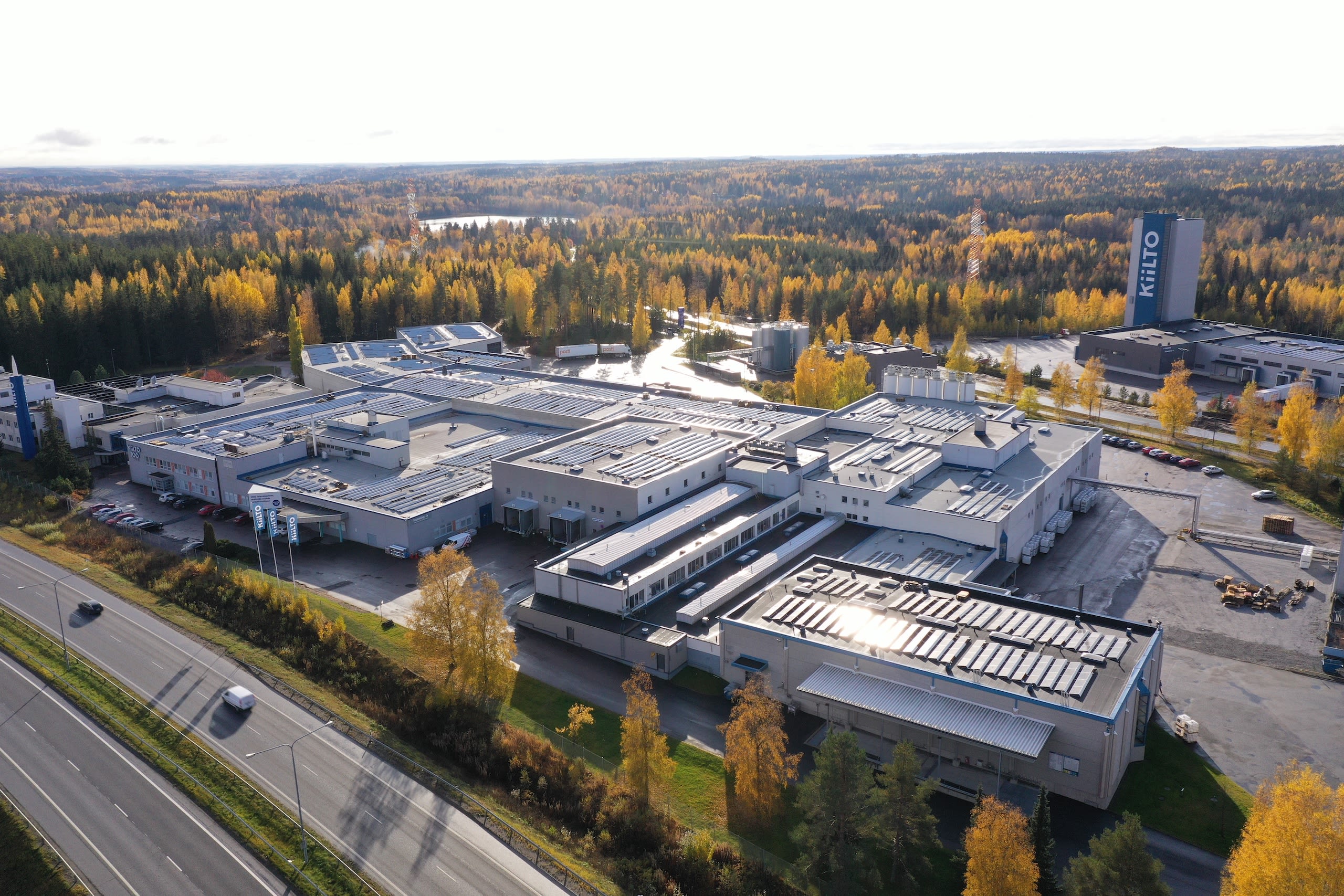

Having ambitious sustainability goals is something that I think many family businesses (especially in the second, third or fourth generations) have a great opportunity to utilise, thanks to the continuity perspective that comes with such territory.
What's behind Kiilto's next big transition to carbon-neutrality and environmental sustainability?
It comes quite naturally to us; having ambitious sustainability goals is something that I think many family businesses (especially in the second, third or fourth generations) have a great opportunity to utilise, thanks to the continuity perspective that comes with such territory.
Kiilto is looking far into the future – 2080, to be exact – to achieve our vision. I think family companies can relate to prioritising our planet, from both an environmental and social perspective, as well as from a financial perspective.
Our aim is to be the environmental leader in our fields of business — something that influences everything we do. To get there, we've delineated sustainability targets under four practical areas: green energy, green materials, green services and green packaging and logistics.





Too often, ambitious ESG planning goes unrealised. How are you making sure that Kiilto achieves these goals?
Not only have we made a distinct promise in each of these four areas, but we've also made concrete action plans with intermediary objectives to help us achieve them.
These promises are, respectively, carbon neutrality by 2028; using less fossil and virgin raw material while reducing waste every year; enabling customers to minimise their environmental footprint; and reducing the use of fossil fuel and virgin packaging material every year.
Looking to the future, I'll be satisfied if we are a relevant and leading player in the market when 2080 comes around. I won’t try to guess what we’ll be doing at that point, but I'll bet that it will be something different from what we’re doing today. When a family company sets their sights on the horizon, there are an infinite number of interesting paths they can take to reach it.




 Built with Shorthand