
Houshi Ryokan:
Longevity Becomes a Tradition
Interview with Houshi Zengoro, 46th-Generation Owner, Houshi Ryokan, Japan


By Lee Hoverd and Minami Koyanagi
The origins of the ryokan, a Japanese style of inn, date back 1,300 years to when Buddhist monks gave peaceful lodging to travellers in need of safety and comfort. As Japan changed over the centuries that followed, the ryokan remained a welcome retreat for Japanese people who came for the graceful architecture, scenic gardens and calming hot springs. Today, the ryokan represents the best of a bygone era – an opportunity for guests to experience treasured Japanese traditions and tranquillity.
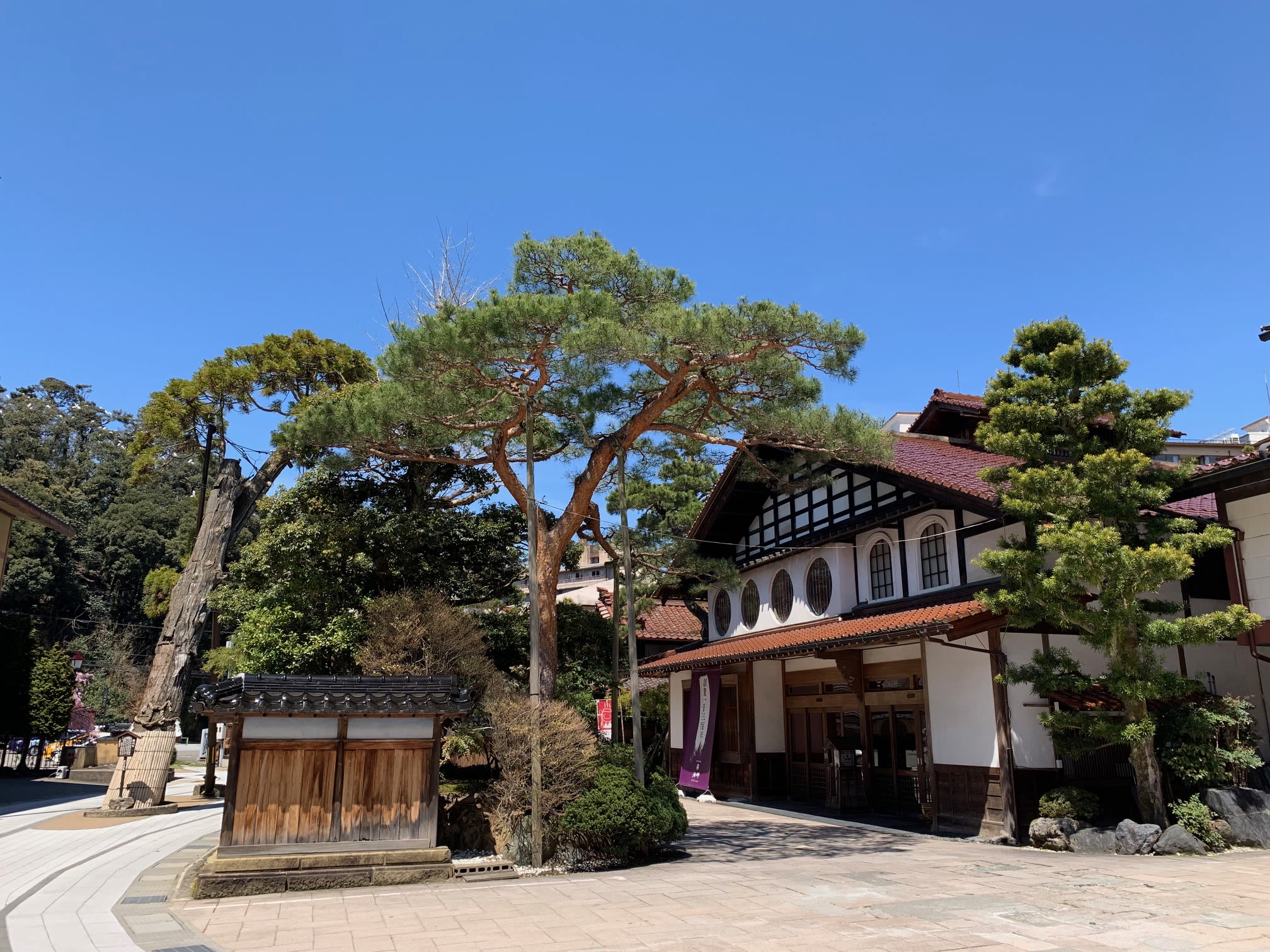
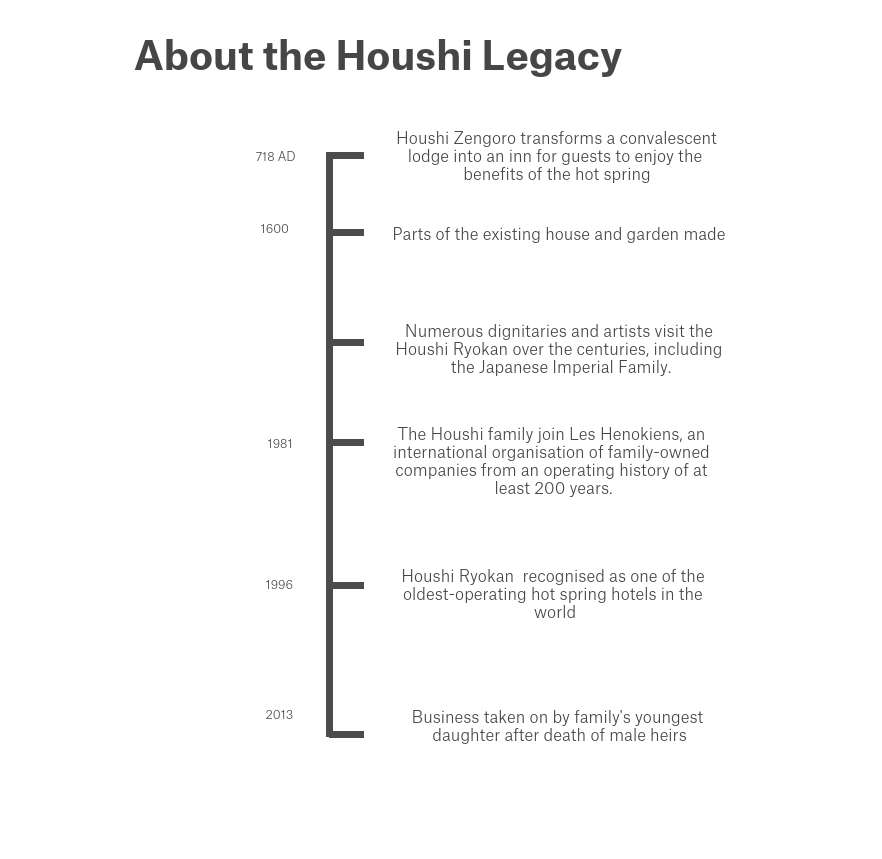
The Houshi Ryokan is considered the oldest family business, and second-oldest hotel in the world. According to Houshi Zengoro, owner of the Houshi Ryokan, the tradition that matters most is the one that inspired the rise of the ryokan in the first place: care. Now in its 46th generation, the family-owned and operated Houshi Ryokan in Ishikawa prefecture has been caring for its guests since 718 A.D. Its ancient healing hot spring, serene environment and classic Japanese cuisine are part of the equation, no doubt, but Houshi Zengoro believes it’s his family’s compassion and attention to detail that has kept the family business thriving for well over a millennium.
Today, the Houshi family faces new challenges. Once, ryokans offered the height of Japanese technology and comfort. Now, Houshi Ryokan must compete with the pace of technology in the contemporary hotel sector, which threatens to push the ryokan into the realm of nostalgia. But perhaps even more impactful for the Houshis is their departure from a father to son patrilineal model of succession. After more than a millennia of male heirs, the tragic loss of a son and grandson has meant that Houshi Hisae, a daughter, will now lead the business forward – a break with tradition as well as a sign of the times, according to Houshi Zengoro.

Tharawat recently sat down with Houshi Zengoro to discuss the ryokan's place in Japanese society, the secret to the Houshi Ryokan’s impressive longevity and what modernisation means for the continuation of their legacy.

How do people perceive ryokans in modern-day Japan?
Much of the demand for ryokans today is associated with the Japanese people’s love of history and tradition. Visitors come to Houshi to experience the hot spring that has been here for over 1,300 years and enjoy food that pays homage to our ancestors. Although our chefs inevitably change, our ingredients and cooking methods are still traditional, with the current owner of the ryokan teaching each new chef.

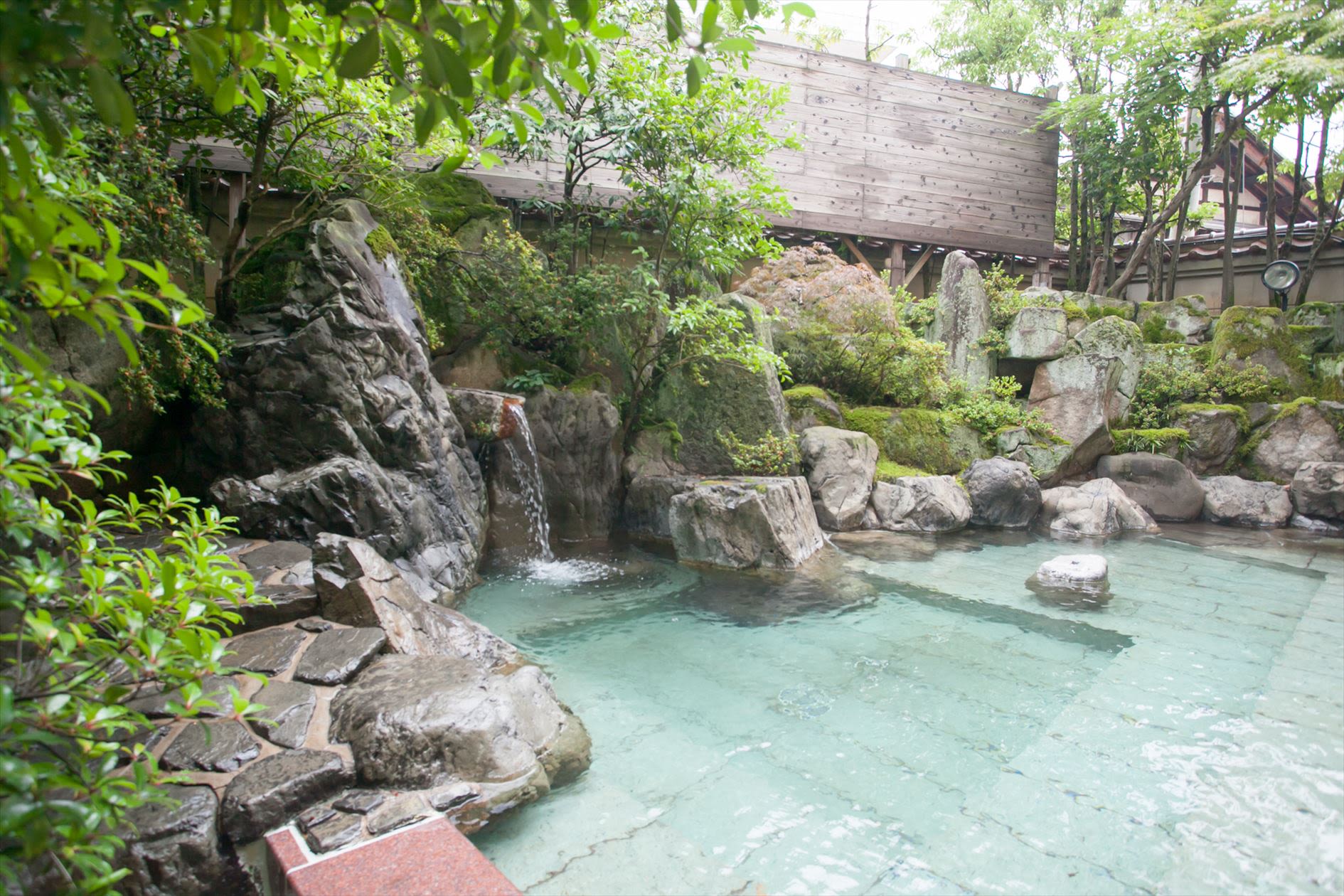
The open-air hot spring at Houshi Ryokan using Saya stone; image courtesy of Houshi Ryokan
The open-air hot spring at Houshi Ryokan using Saya stone; image courtesy of Houshi Ryokan
After the war, there was little food available in Japan, with only four or five different meals to choose from – but still, people expected to eat well at ryokans. And although most people had no choice but to wear poor-quality clothing during their day-to-day lives, they would go to ryokans expecting to wear something nice. After all, ryokans were about food, clothing and shelter. They would also offer privileges that were not available to many people in Japan, such as heating, cooling and telephones.
However, the quality of life is getting better nowadays, and people would rather stay in their modern homes than a ryokan that may not have as many facilities. An endless variety of fine foods can be purchased at a local supermarket, so people aren’t visiting ryokans as much for that either. As a result, our main focus has shifted to protecting the hot spring, which no one can replicate, as well as continuing to provide traditional food for our guests.


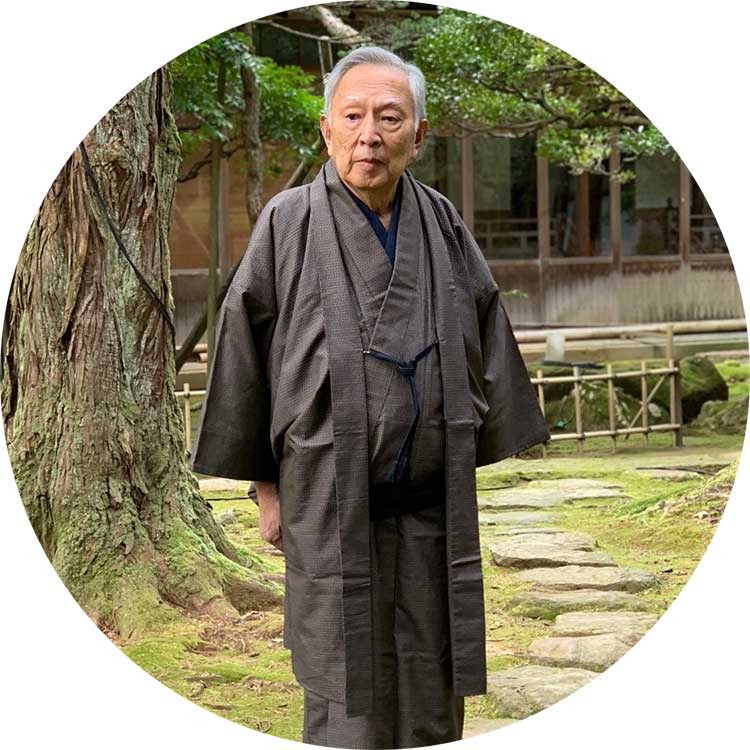
Zengoro Houshi; image courtesy of Houshi Ryokan.
Zengoro Houshi; image courtesy of Houshi Ryokan.






Exploring how to structure and manage your collective assets and wealth in turbulent times.
Leading the Family Office
May 26-28, 2021
imd.org/lfo


How much of your business is international?
We used to have guests from the US, Europe and Hong Kong, but recently, we’ve seen a shift in our international visitors, who now mostly come from South East Asia, particularly Taiwan and Korea.
Right now, guests from abroad, including Europe, account for approximately 20 per cent of our business, but there is potential for growth. While many Japanese people no longer need ryokans to enjoy life’s comforts, guests from other parts of the world appreciate the history and the unique experience, so I believe international interest will continue to grow over the next 10 years.

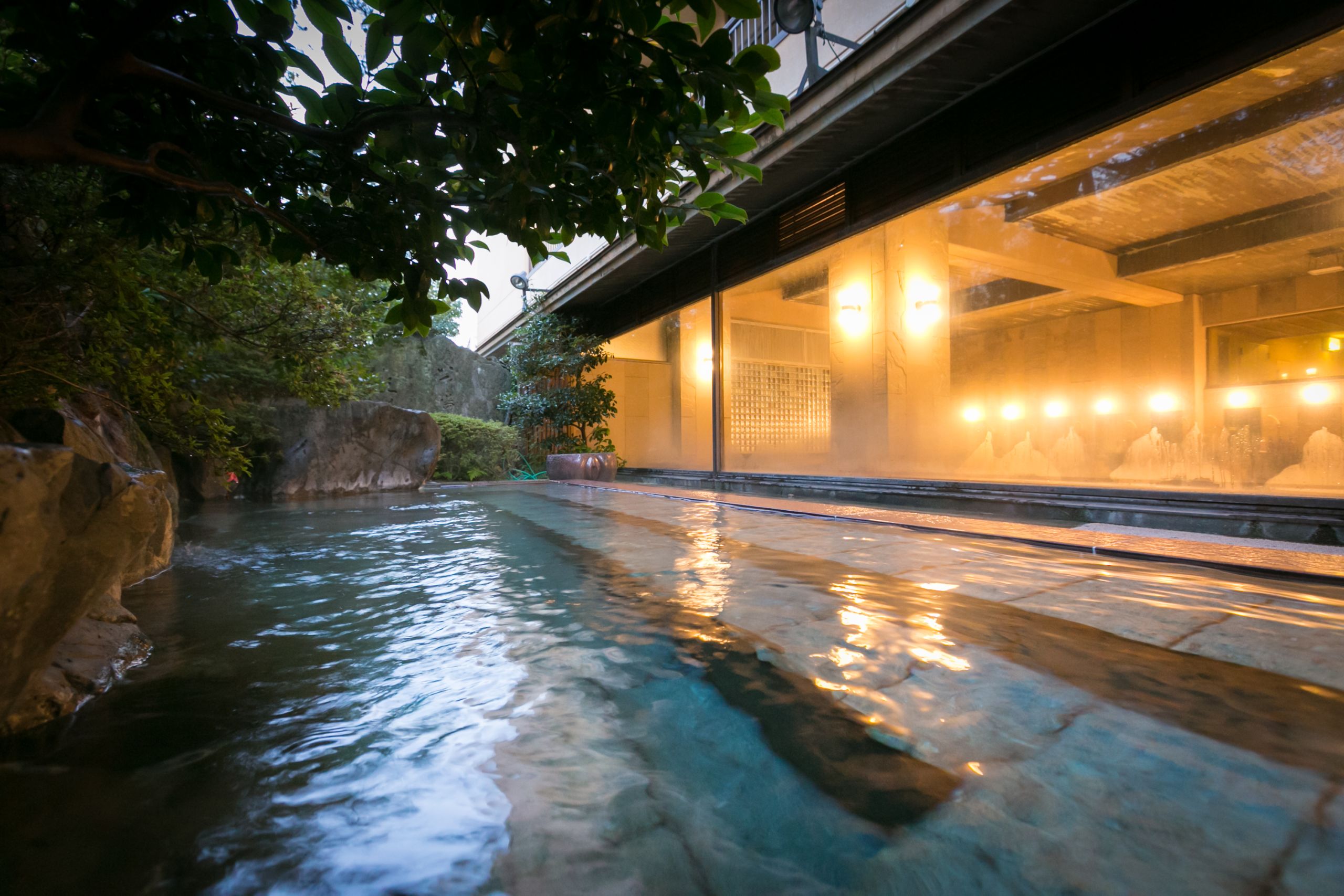




The quality of life is getting better nowadays, and people would rather stay in their modern homes than a ryokan that may not have as many facilities. As a result, our main focus has shifted to protecting the hot spring, which no one can replicate, as well as continuing to provide traditional food for our guests.
How has the Houshi Ryokan been able to stay open for well over a millennium?
We are the oldest in the Henokiens Association of family-owned businesses that are over 200 years old, and I believe the reason we’ve been able to keep the Houshi Ryokan going for over 1,000 years is that the unique characteristics of the hot spring have continually brought people to us – and we have taken very good care of those people. Everyone who takes over the ryokan honours and cherishes the people who visit, a practice passed down through generations. It also extends beyond guests — everyone, including our food merchants, tradespeople and salespeople, are very special to us, and in return, they may visit us again or encourage others to do so.
Much of our business philosophy stems from our Buddhist ancestry. It’s said that everything changes at its own pace — sometimes fast, sometimes slow — but being kind to people as they experience life’s changes is what’s most important. To us, longevity means making an effort day after day, and the accumulation of that effort becomes longevity, which will eventually become tradition. I learned this not from my father, but from my son who passed away. There were many things he taught me, including: do your best every single day, and the result will be tradition and longevity.


How have you responded to digitisation and industry trends, such as online booking?
As my daughter takes over and the new generation enters, I think the ryokan culture will change to embrace the digital age. The Houshi Ryokan now has online booking, and we are making changes to our website to accommodate English visitors in particular; however, due to COVID-19, our current guests are mainly Japanese. It is a very difficult time for us, as I’m sure it is for everyone.


Houshi Hisae; image courtesy of Houshi Ryokan
Houshi Hisae; image courtesy of Houshi Ryokan
How do you balance staying current with maintaining the tradition of Houshi Ryokan?
Old things eventually change. At some point, I am going to retire, and it will be my daughter’s generation that takes over. Her life might have been different if my son could have taken on the business, but instead, she must focus on protecting the ryokan. After all, it’s an important job, especially considering more and more ryokans are closing down in our neighbourhood. At one time, being an owner of a ryokan was considered a dream and an honour, but now, it doesn’t mean as much, and the number of ryokans is decreasing as a result. Big hotels can just leave a market if they’re not doing well, but not ryokans – it is more difficult for us. That’s why the Houshi Ryokan is one of the most prominent family businesses in the world — we aren’t afraid to try new things, and even if we fail, other ryokans will follow us, making improvements and strengthening the industry.

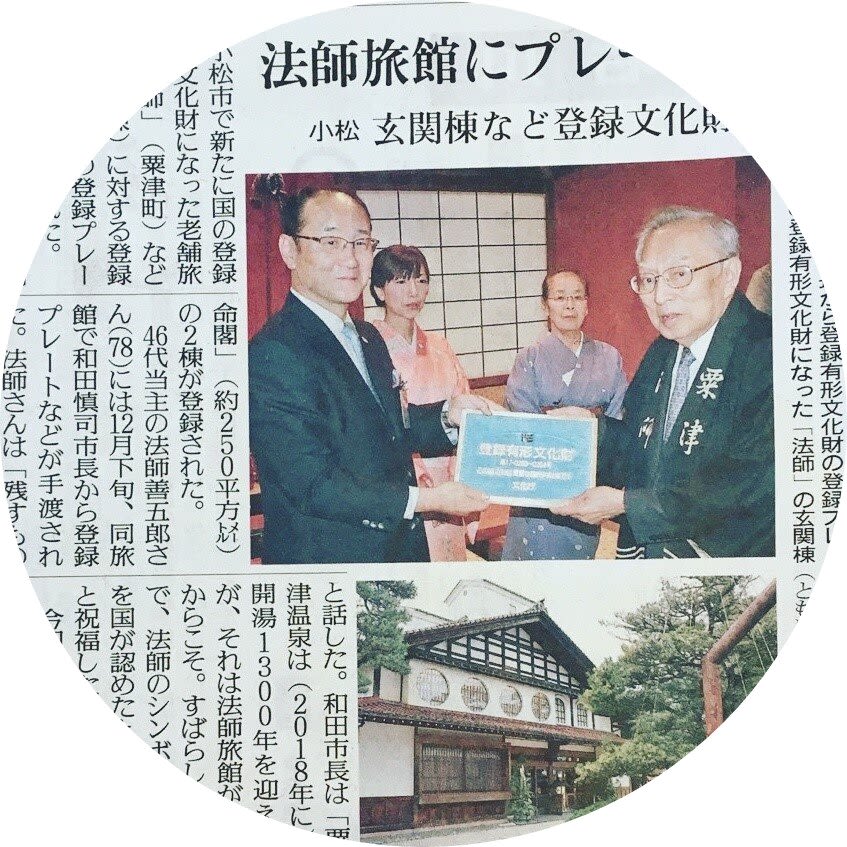


Houshi Ryokan's next-gen leader, Houshi Hisae; image courtesy of Houshi Ryokan
Houshi Ryokan's next-gen leader, Houshi Hisae; image courtesy of Houshi Ryokan

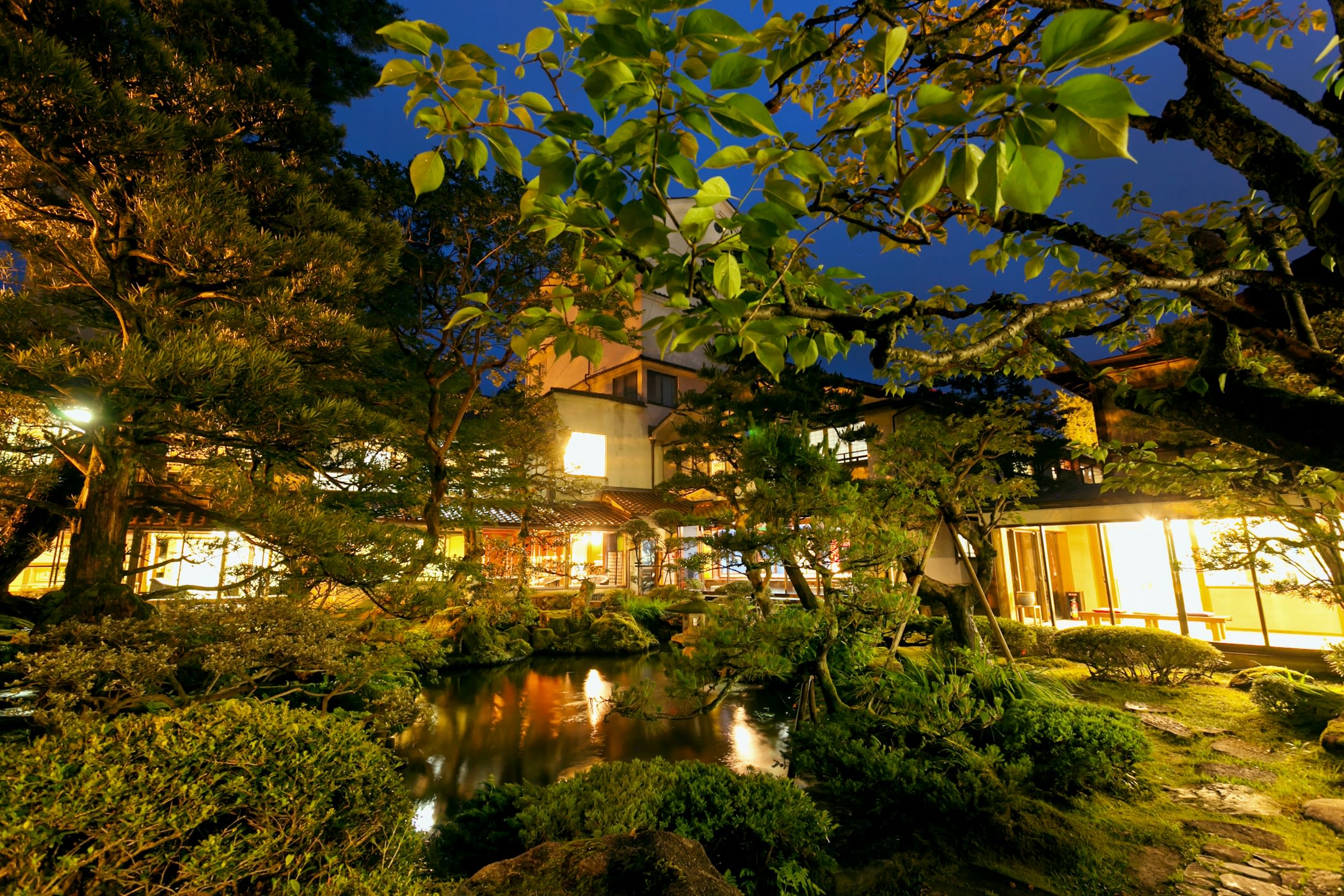


It’s an important job, especially considering more and more ryokans are closing down in our neighbourhood. At one time, being an owner of a ryokan was considered a dream and an honour, but now, it doesn’t mean as much, and the number of ryokans is decreasing as a result.
What governance structures or cultural norms exist to influence how ownership and management transitions from one generation to the next?
Running the ryokan business is what males did — it had always been the rule. My father was raised to take over as a successor. He was taught a variety of things from a young age, such as flower arranging and how to work on the architecture, and although he had the opportunity to attend university, he instead considered it to be an honour to run Houshi Ryokan. My father was very glad when I was born because he finally had a son to take over the business – and it felt like a natural journey to me. However, that mindset has now changed.
For the next generation after my daughter, either she will adopt, or we’ll welcome her sister’s child to continue the business. Today, the tradition of only preparing sons to take over family businesses is starting to change in Japan, and I don’t mind at all. I feel we are living in a new time. Although women are still not well represented in Japan’s legislature, they are taking increasing and more active roles around the world. Since our ryokan is also an enterprise, it has to grow, and I think women are even better at bringing about growth than men.



Is the ryokan model applicable to the future? Do you think 100 years, or even 1,000 years, from now, people will still wish to visit the Houshi Ryokan?
The ryokan style will more than likely continue to be appreciated by guests from South Asia, and I’m grateful for that. Adapting to the future is a balancing act for us; if we incorporate too many of the characteristics common in hotels, we’ll lose our identity and, eventually, our relevance. The essence of our ryokan is the hot spring, gardens and traditional Japanese cuisine, but to keep people wanting to visit us for another 100, or 1,000, years, we need to align with each new generation and offer them something in accordance with the times. We must remain distinctive in what we offer compared to a hotel. That’s why we think the best way for international guests to experience Japan is to stay in a ryokan and experience a tea ceremony, enjoy the arranged flowers and sample traditional meals. Continuing to make those experiences desirable is crucial to our longevity.

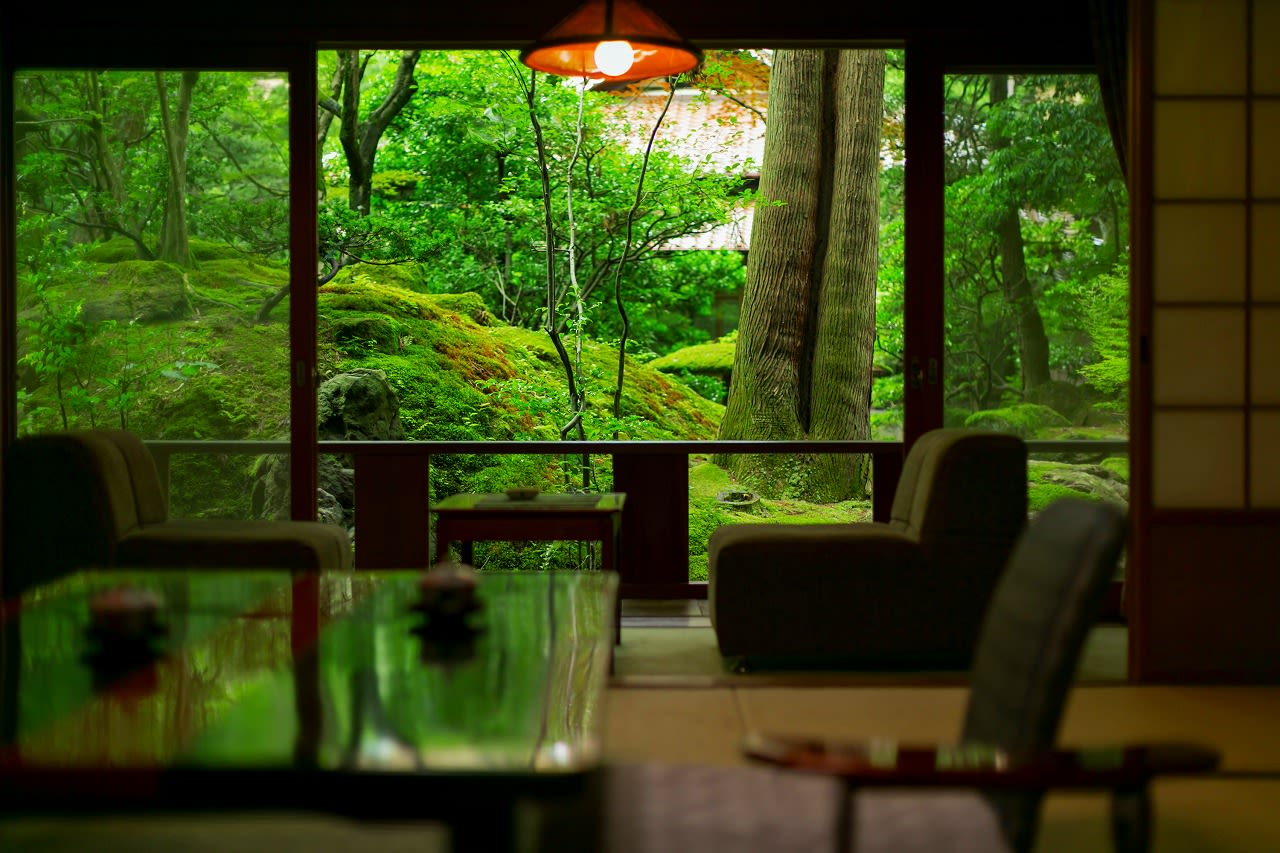
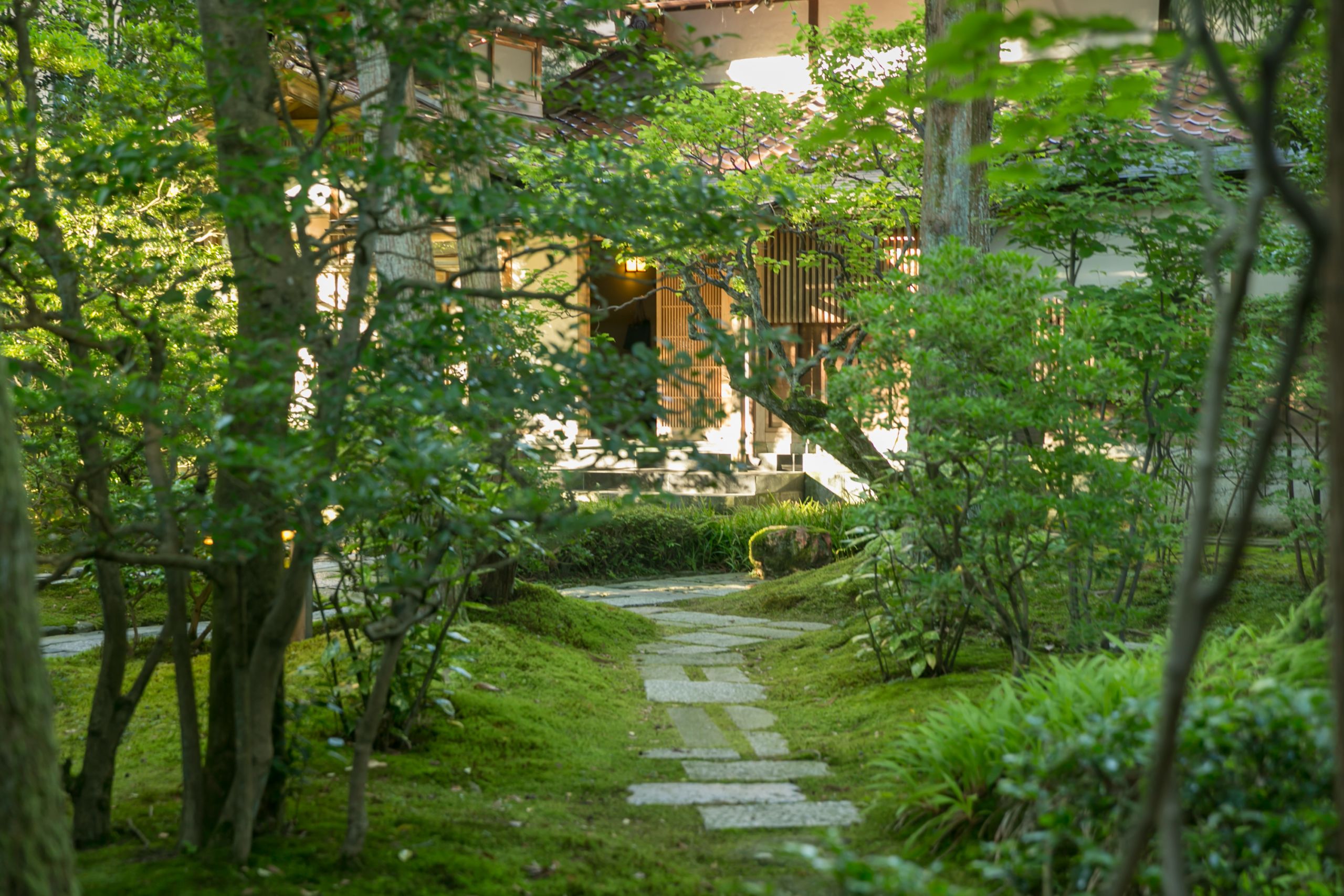
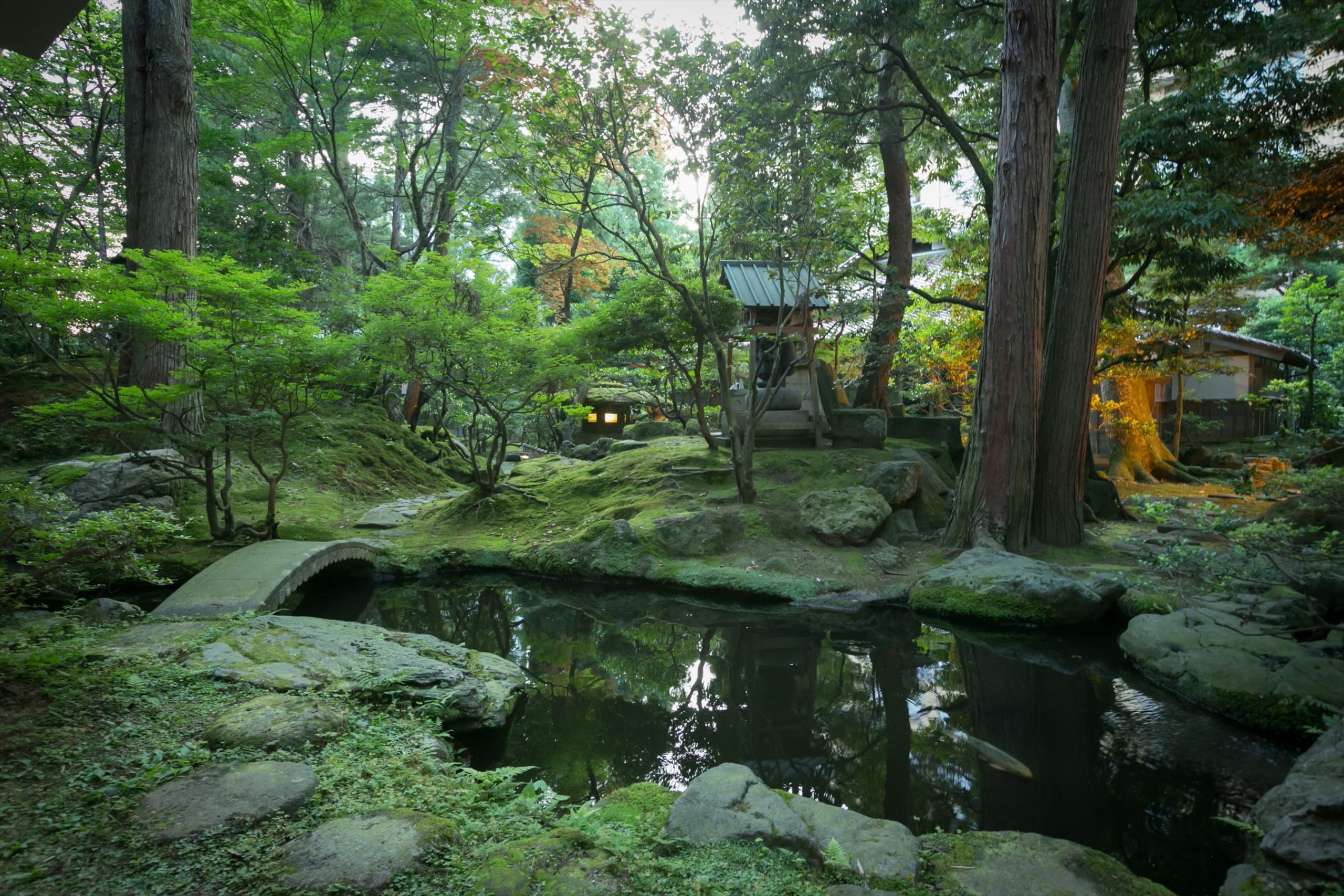
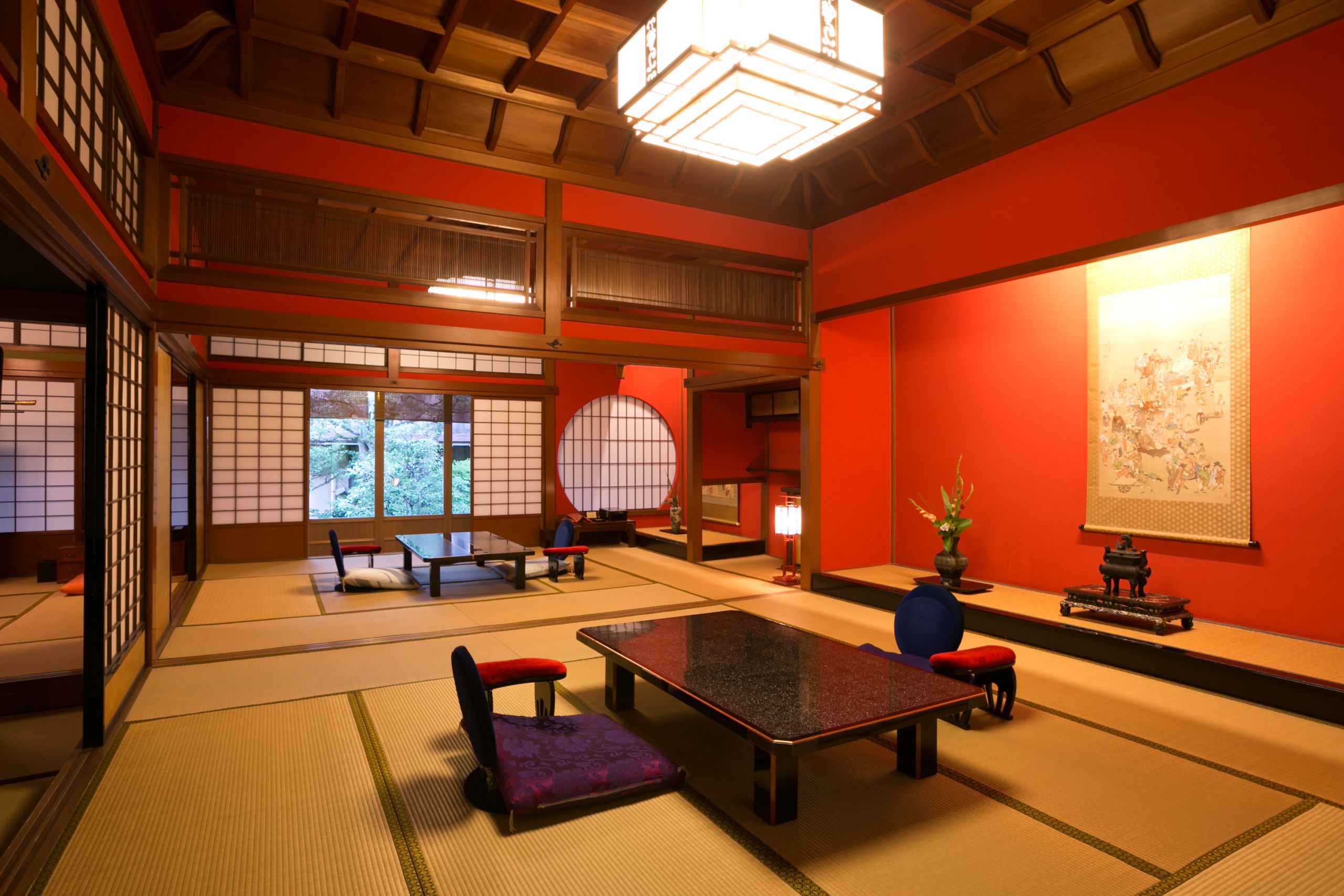
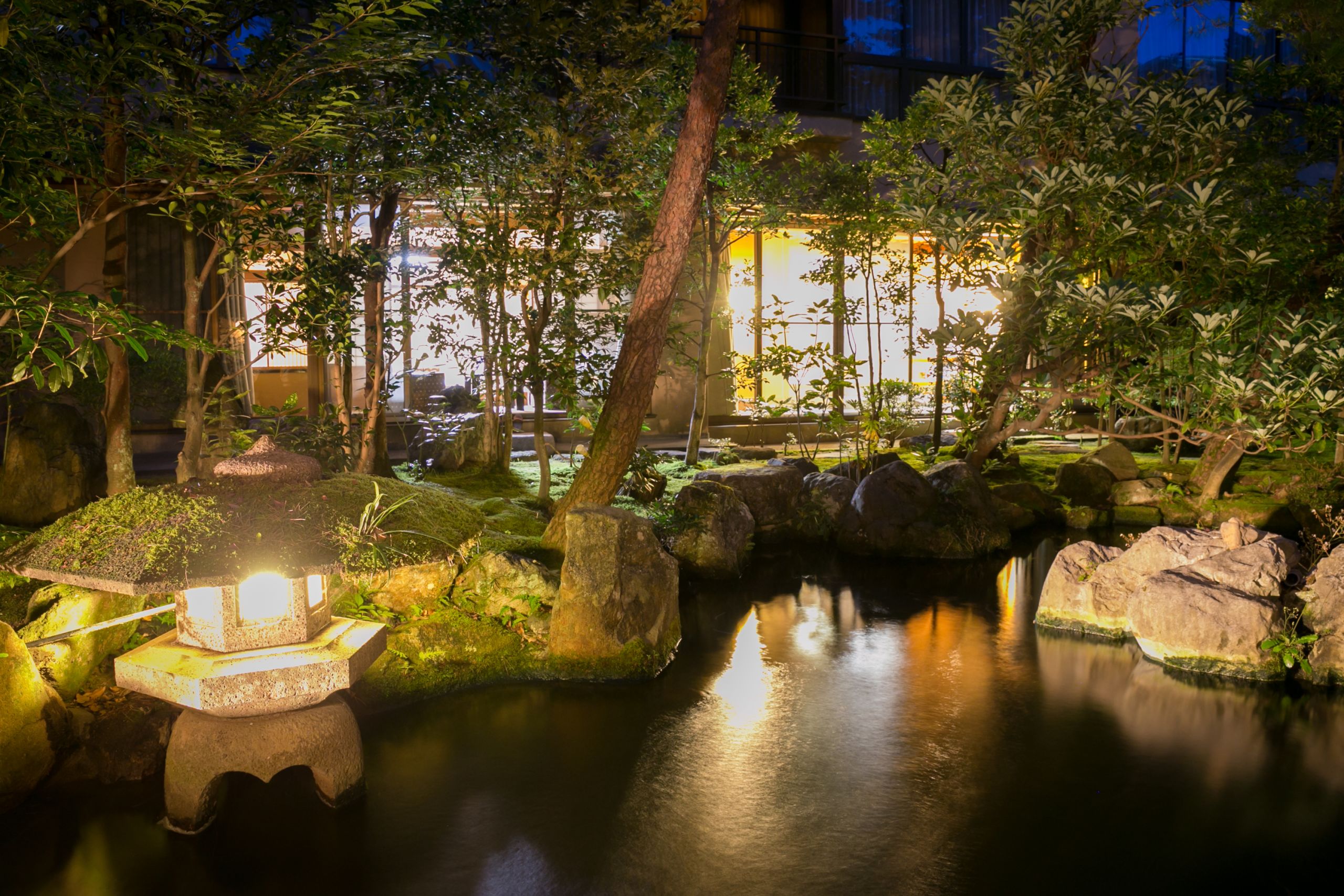
View of the garden from the guestroom; image courtesy of Houshi Ryokan
View of the garden from the guestroom; image courtesy of Houshi Ryokan
What is your biggest ambition, wish or dream for the future of the Houshi Ryokan?
Now that I’m older, I see how important it is to improve the accessibility of our ryokan so that everyone can enjoy it, regardless of their age or physicality. I believe we also have to extend that notion to the planet and operate in a fashion that ensures future generations can enjoy it without having to contend with the consequences of pollution and climate change. It means carefully considering the products we use and the actions we take.
The COVID-19 pandemic should act as a wake-up call to how interconnected we are with the planet and each other. It’s okay for us to make gentle improvements to our ryokan that respect the environment, but unfortunately, Japan, along with many other nations, has made advances for decades with no regard for the planet. I want everyone to know that we can make a huge difference by combining our efforts to create a healthier world, and my wish is for Houshi Ryokan to exemplify that message.






 Built with Shorthand