
E. F. San Juan:
Through the Eye
of the Hurricane
Interview with Edward A San Juan
President and Owner, E. F. San Juan, USA


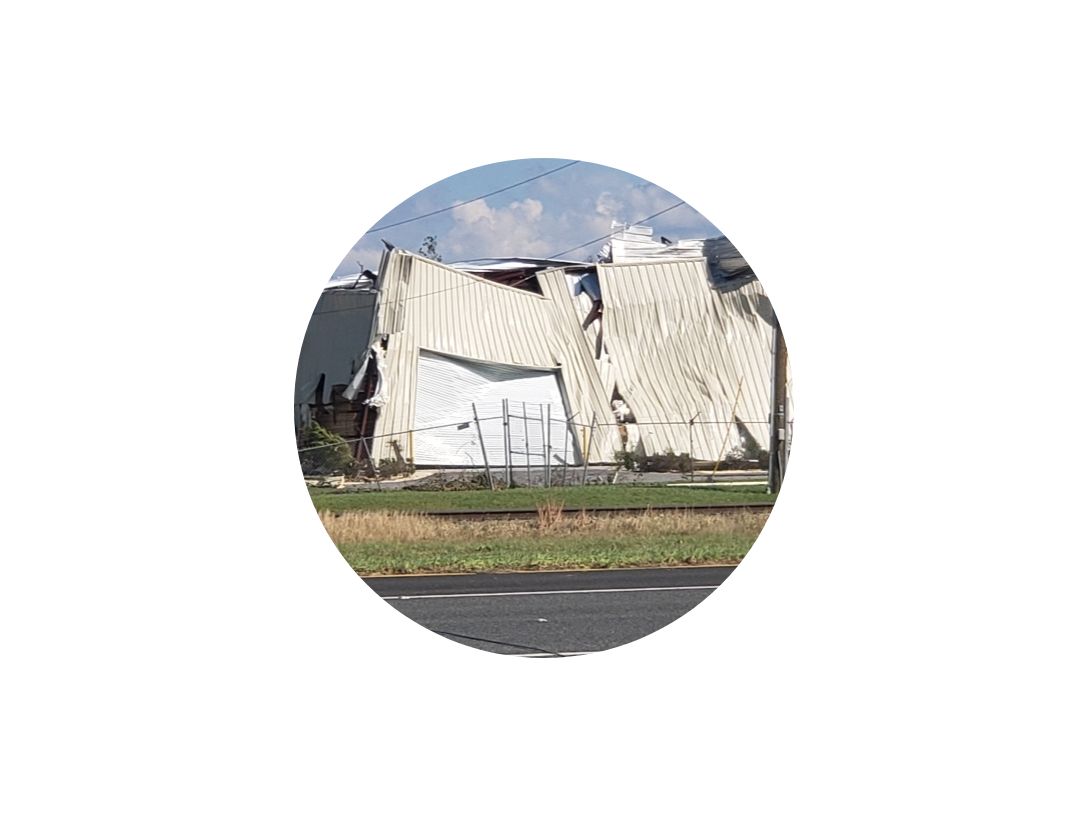
Like many other businesses in Youngstown, Florida, E. F. San Juan was not spared from the destruction of Hurricane Michael in 2018. In fact, the very epicentre of the storm passed directly over the family firm’s property, destroying much of their infrastructure. What the San Juan family did next serves as a lesson in resiliency.
Deliberating whether or not to give up on E. F. San Juan altogether was only the first of many challenges the family business faced in the wake of the storm. Fortunately, and with generous help from community members, employees and organised aid, they were able to rebuild their custom millwork shop from scratch. Physical structures, however, are only part of the family business equation.
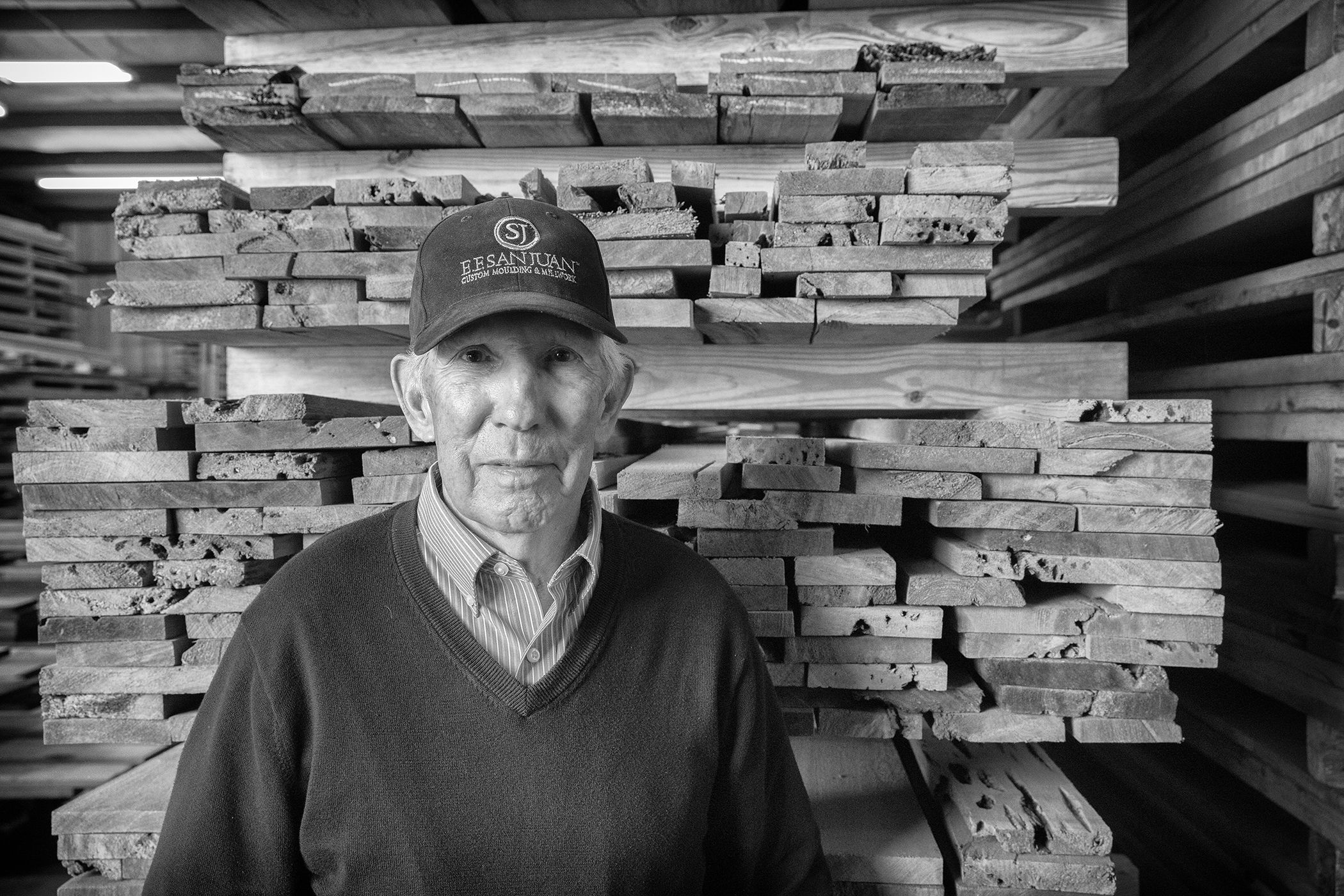
President and second-generation owner Edward A San Juan is quick to point out that in a crisis, employees are the priority – their wellbeing is the wellbeing of the business. E. F. San Juan’s resolve on the road to recovery was reinforced by a culture that puts people first.
Edward’s attitude towards the health and safety of his workforce transcends purely financial motivation or cursory timelines for “getting back to work”. Now, in the battle against a more insidious foe, Edward is keeping his team engaged and busy despite (and in accordance with) social distancing recommendations and regulations.
We spoke with Edward to discuss his perspective on working with family, his passion for people and finding the silver lining in the face of destruction and hardship, however challenging it may be.



How did your business begin, and how did you become involved?
My grandfather Eddie began as a carpenter and opened a small cabinetry business. The rest of my family, who had emigrated from Sicily, Spain and Cuba to Ybor City in Florida, were all cigar makers.
Eddie had great attention for detail and was good at maths, so cabinetry came easily to him. My father grew up in Eddie’s woodworking business, which eventually evolved into a furniture company. From there, my father created E. F. San Juan, which focuses on woodwork, manufacturing and consulting.

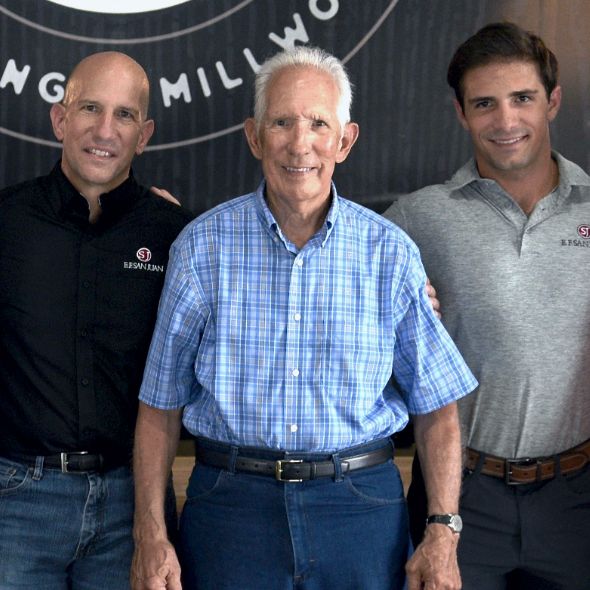
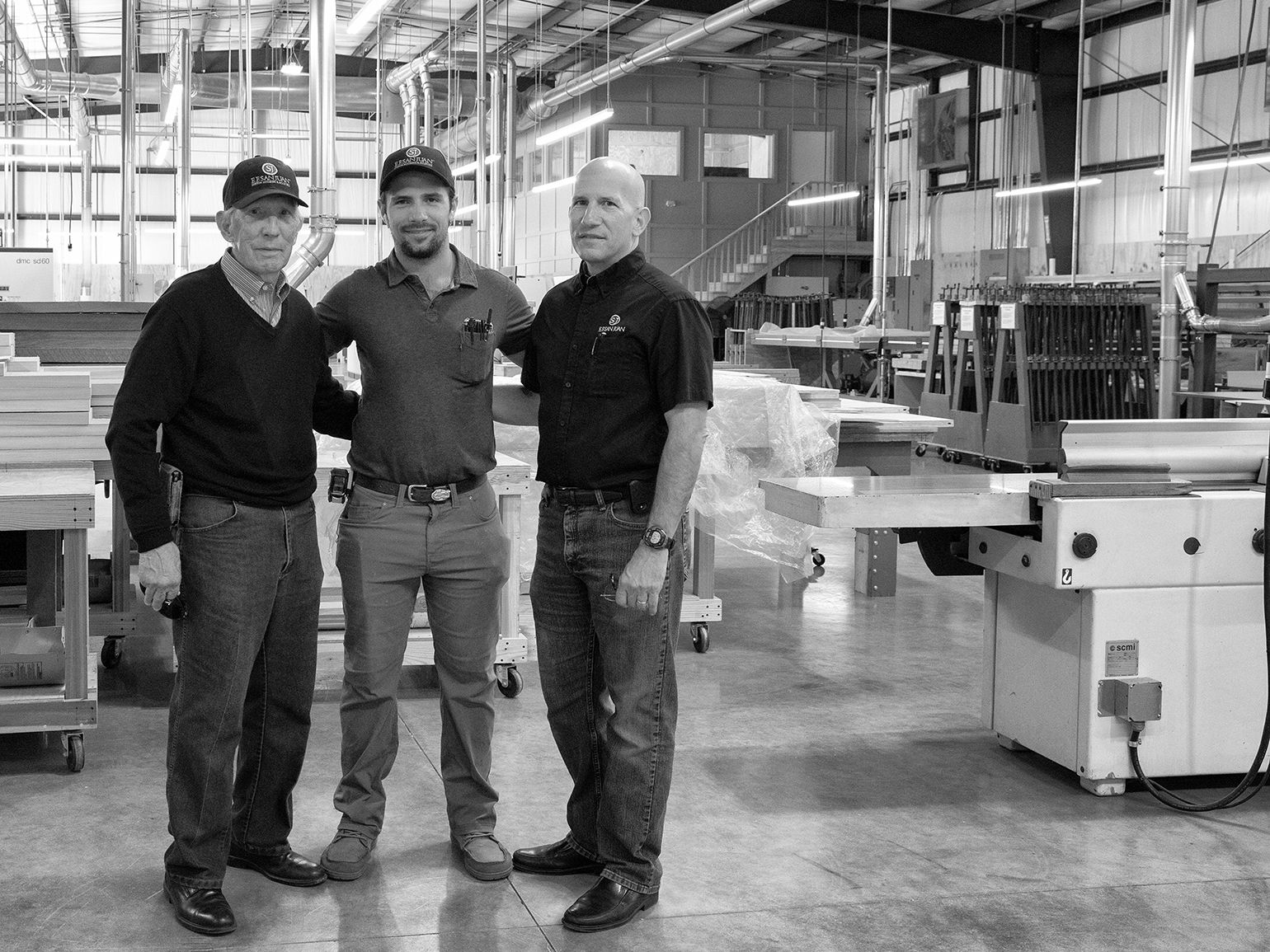
Edward A San Juan, Edward F San Juan and Eddie San Juan, image courtesy of E.F. San Juan
Edward A San Juan, Edward F San Juan and Eddie San Juan, image courtesy of E.F. San Juan
As a child, I was involved in my father’s business, just like he was in my grandfather’s business. Although I worked there during holidays and every summer, my father was very open to me exploring other paths, encouraging me to follow my passions in case I wanted to move away from E. F. San Juan. Even so, I couldn’t imagine finishing college and working somewhere else when I had the skillset to help with the family business.


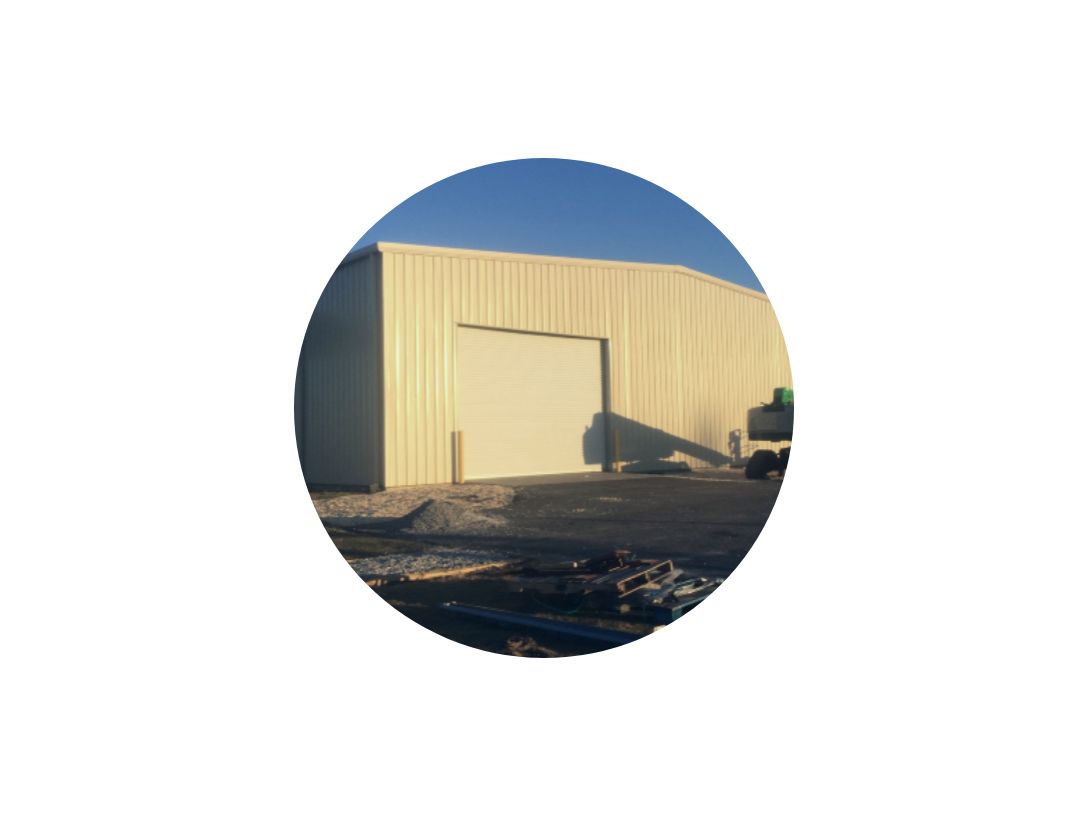
Nearly 100,000 businesses were affected by Hurricane Michael, and the area suffered billions of dollars of damages. What happened to E. F. San Juan?
I had lived in Bay County, Florida, for more than 40 years when the hurricane hit. When you live in that area for a considerable length of time, you become used to the constant threat of natural disasters, yet you don’t appreciate the potential for the kind of damage they can cause.
All the buildings on our property were either severely damaged or destroyed, and it was the same for the homes of most of our workforce.
How did you and your community react?
I expected to have an emotional reaction at the sight of our destroyed property. Instead, I was overcome with motivation. There was a lot of work to do, and I went into command mode. We had employees already on the ground, trying their best to protect any salvageable equipment from further damage.
Some of our employees had family members with medical conditions which could no longer be treated due to the closure of our two local hospitals. We told them to take care of their families first and just report back when they could. For some, it was a week later; for others, it was months.
A local contractor that wasn’t affected took it upon themselves to organise a group of 75 volunteers, who arrived within a week to clear the destroyed buildings. Food for Thought, a non-profit organisation, fed everyone working on the project.
I would tell any and every leader to not be embarrassed to ask for help right away when you need it. People want to help, but sometimes, they don’t know how to. By letting people know what you need, you’ll find they’re usually eager.
People donated food, supplies, clothing and gift cards to our team – and E. F. San Juan wasn’t the only business in the area that was given this much. There was an incredible outpouring of support from the people, for which we will always be grateful.

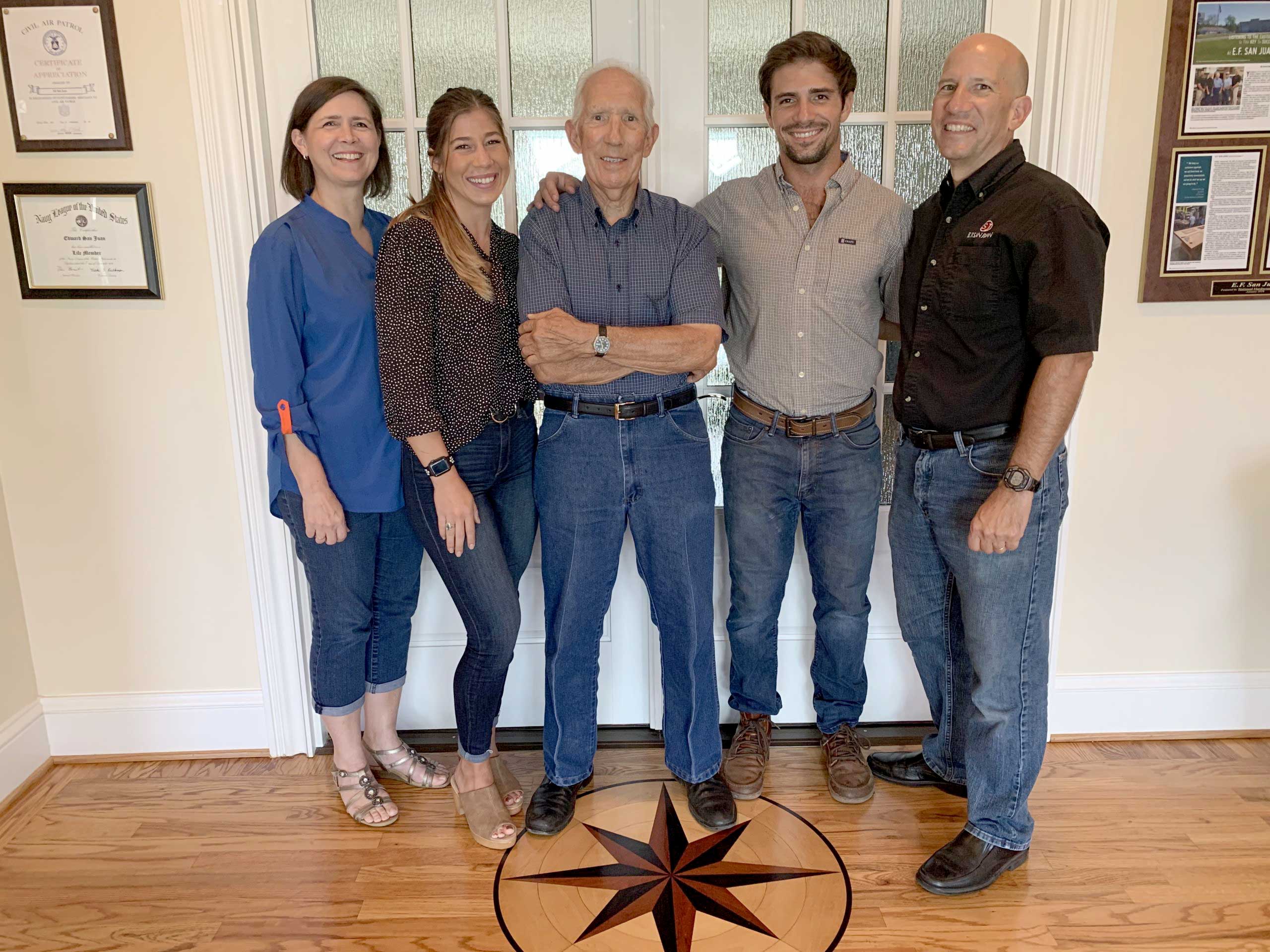
Mary Kathryn (Edward A.’s wife and company comptroller), Lydia, Edward F., Eddie, and Edward A.—all are now a full-time part of the family business, image courtesy of E.F. San Juan
Mary Kathryn (Edward A.’s wife and company comptroller), Lydia, Edward F., Eddie, and Edward A.—all are now a full-time part of the family business, image courtesy of E.F. San Juan

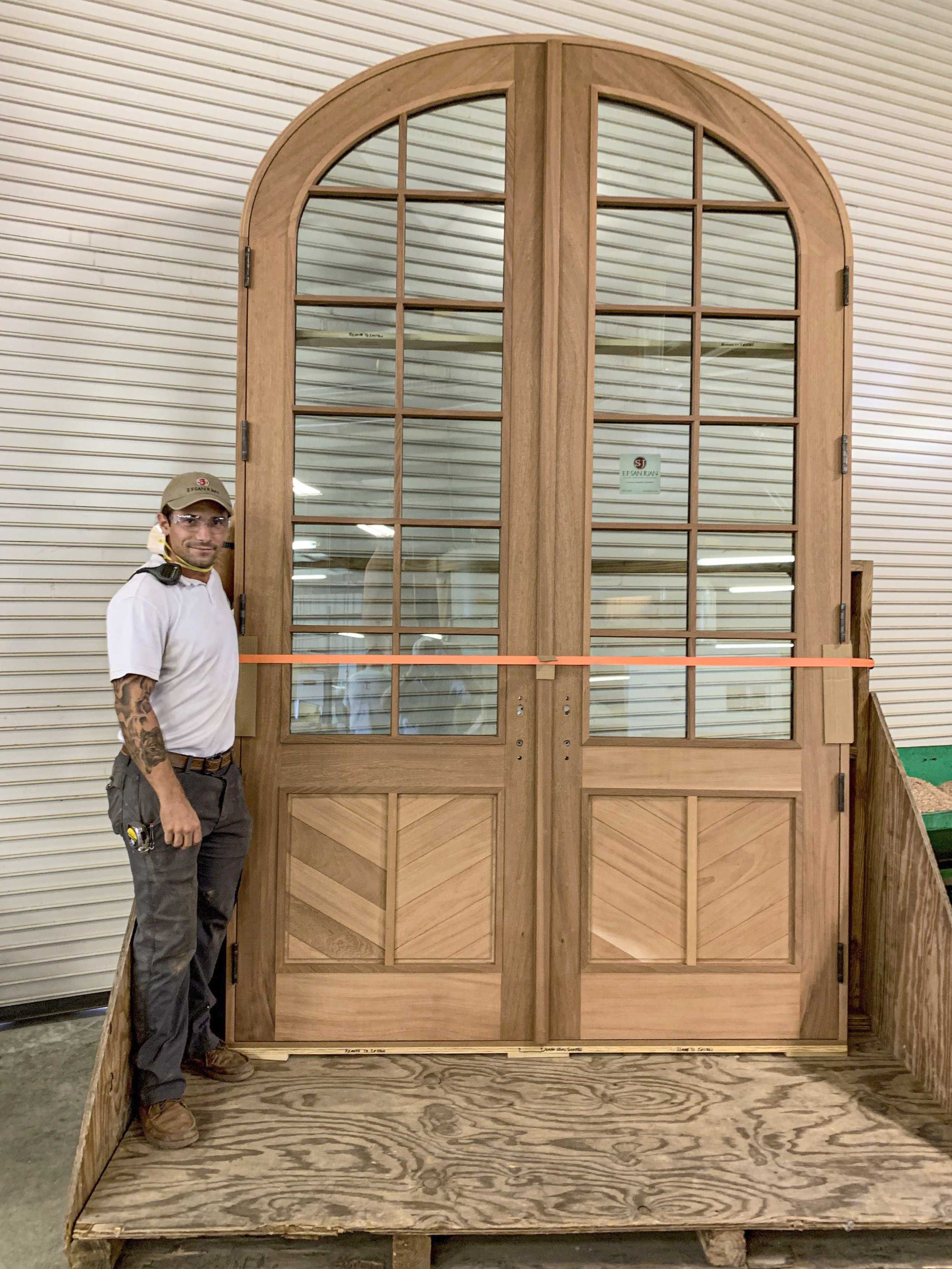
Eddie San Juan poses in the warehouse with a patented E. F. San Juan Invincia® Impact-Rated Door created for a residential project in Alys Beach, Florida. Image courtesy of E.F. San Juan
Eddie San Juan poses in the warehouse with a patented E. F. San Juan Invincia® Impact-Rated Door created for a residential project in Alys Beach, Florida. Image courtesy of E.F. San Juan

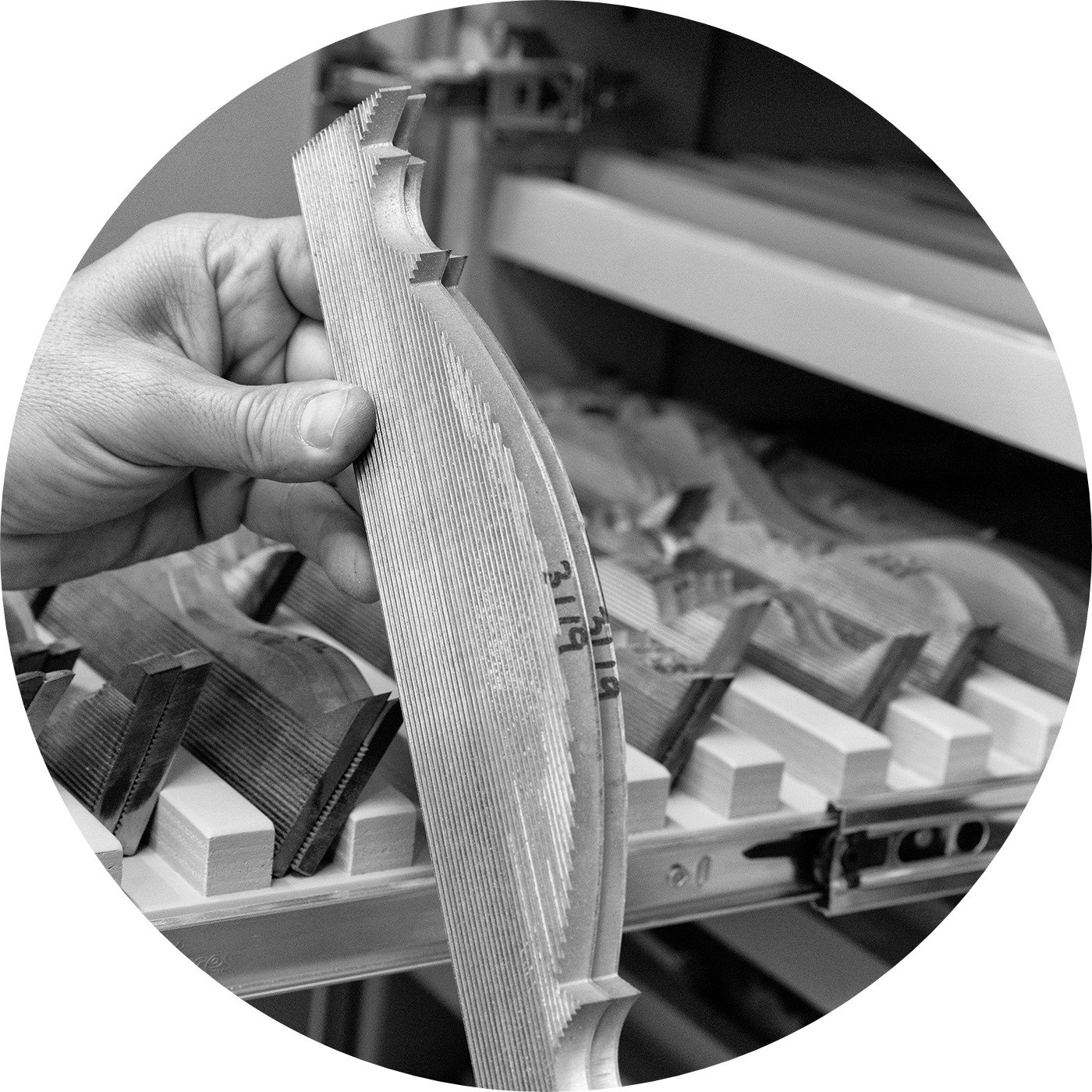
Image courtesy of E.F. San Juan
Image courtesy of E.F. San Juan




Exploring how to structure and manage your collective assets and wealth in turbulent times.
Leading the Family Office
October 28-30, 2020
imd.org/lfo


Following the hurricane, what kinds of challenges did you experience?
I believe that leaders have the natural ability to focus on the task at hand, and when you’re filled with adrenaline and there’s so much to be done, measuring progress is easy. For example, if you have a nice garden that you regularly tend to in a casual manner, day-to-day changes often aren’t immediately obvious. In contrast, because of the level of devastation our property had suffered, we were able to feel like we’d achieved a great deal every day.
I was consumed with activity for several months – cleaning, directing and planning how to rebuild. It took about six months for the whole ordeal to really hit me emotionally. Only then did I feel myself fall into a more sombre place as I realised and accepted what we’d all gone through.

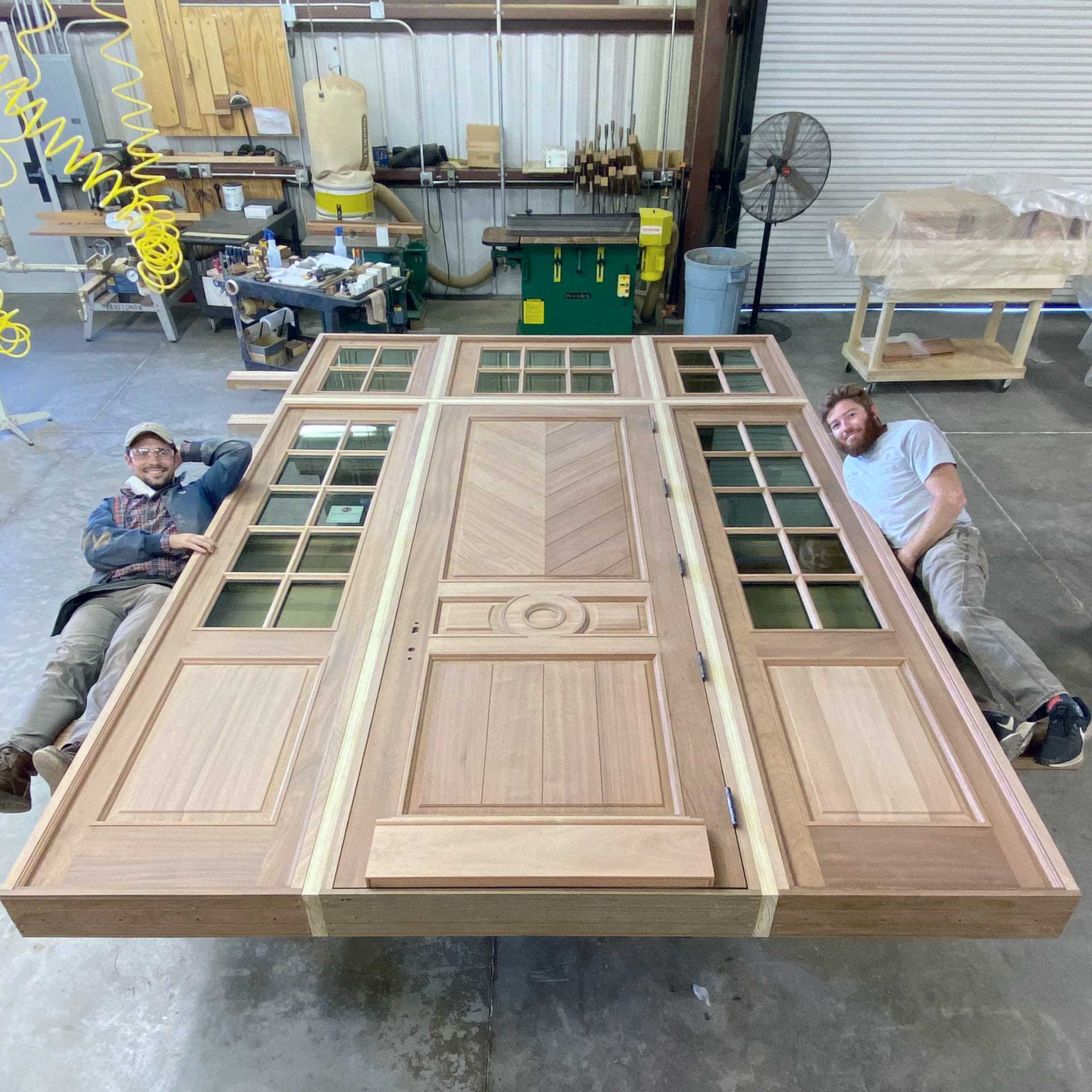
Image courtesy of E.F. San Juan
Image courtesy of E.F. San Juan
Our team struggled too, of course. Despite E. F. San Juan’s 42 years of operations, we had a conversation about whether to even continue as a business.
Naturally, we thought about finances and how difficult it would be to rebuild – but we didn’t have to think about it for long. We soon realised that almost 80 people and their families relied on our business for their livelihoods. In the wake of devastation like this, our community didn’t need us to quit. It needed us to keep going.

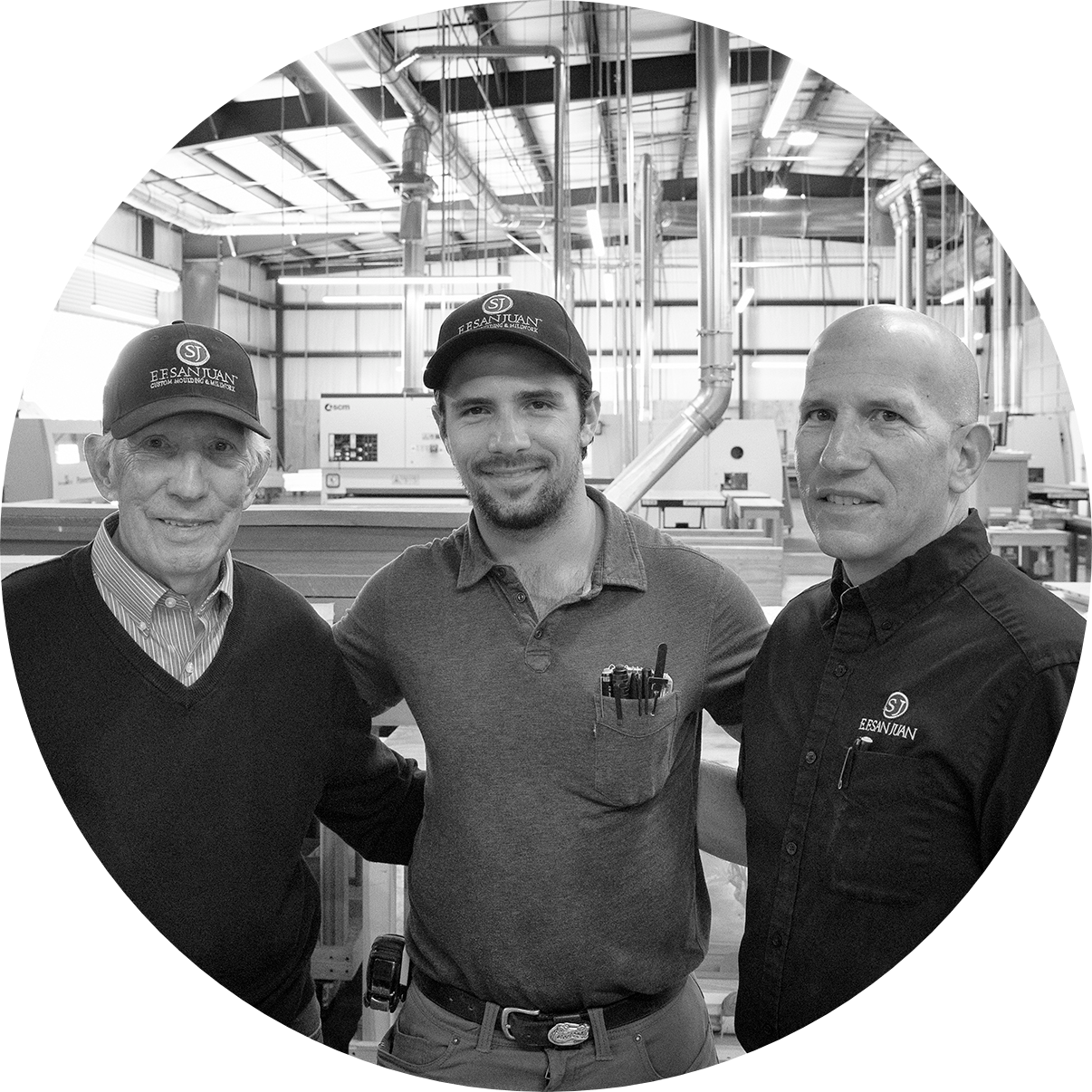
Image courtesy of E.F. San Juan
Image courtesy of E.F. San Juan

Many small businesses around the globe have been forced into the same position by the COVID-19 pandemic. How is E. F. San Juan managing?
After the hurricane, we walked up to our property and saw the damage. With COVID-19, the damage is invisible, but we can feel it just as much. It’s easy for any small business owner who hasn’t previously experienced any kind of crisis to feel lost.
Accepting that things will never be the same is a hard pill to swallow. However, that’s where you look to your family and friends for support. Remember: taking care of yourself and your loved ones is the most important thing.
The first thing we did after the hurricane was to tell everyone to take care of their families and return to work whenever they could – we’d figure something out.
We're dealing with COVID-19 in the same way. The first things we thought were: what do we need to do for our people, our team members and our clients? How do we protect them?
This is what guides us. Every morning, we have a meeting with our senior leadership team to discuss any COVID-19 developments. We consider things that we can do differently over the next three-week period and what more we can do to keep everyone in the company safe and healthy.
After two back-to-back crises, how do you see your business plans changing in the coming year?
Luckily, we’re located in a fairly rural area that hasn’t been affected by high numbers of COVID-19 cases in the same way that densely populated cities have been. Also, we’re fortunate that our business doesn’t centre around hospitality; in construction, it’s far easier to coordinate social distancing and stay open. We’re lucky that we can still operate; in fact, we’re still on target to achieve the goals we set at the beginning of the year. That said, we also know about adaptation and openness to change.
Hurricane Michael taught us a lesson. It made us realise that we weren’t doing everything we could to make our company run as smoothly as possible; we weren't as productive as we could be. It forced us to take the initiative to make changes we’d been procrastinating over.
If I could, I wouldn’t go back and change the destruction Hurricane Michael dealt to our business, despite all of the hardship it caused initially. I believe that everything happens for a reason, and that goes for COVID-19, too. The silver lining is out there, even if we can't see it yet.





I believe that everything happens for a reason, and that goes for COVID-19, too. The silver lining is out there, even if we can't see it yet.


 Built with Shorthand