
Driving Family Business Success Through Personal Development
Interview with Ahmed Nawara,
CEO of Al Manar Group, Egypt
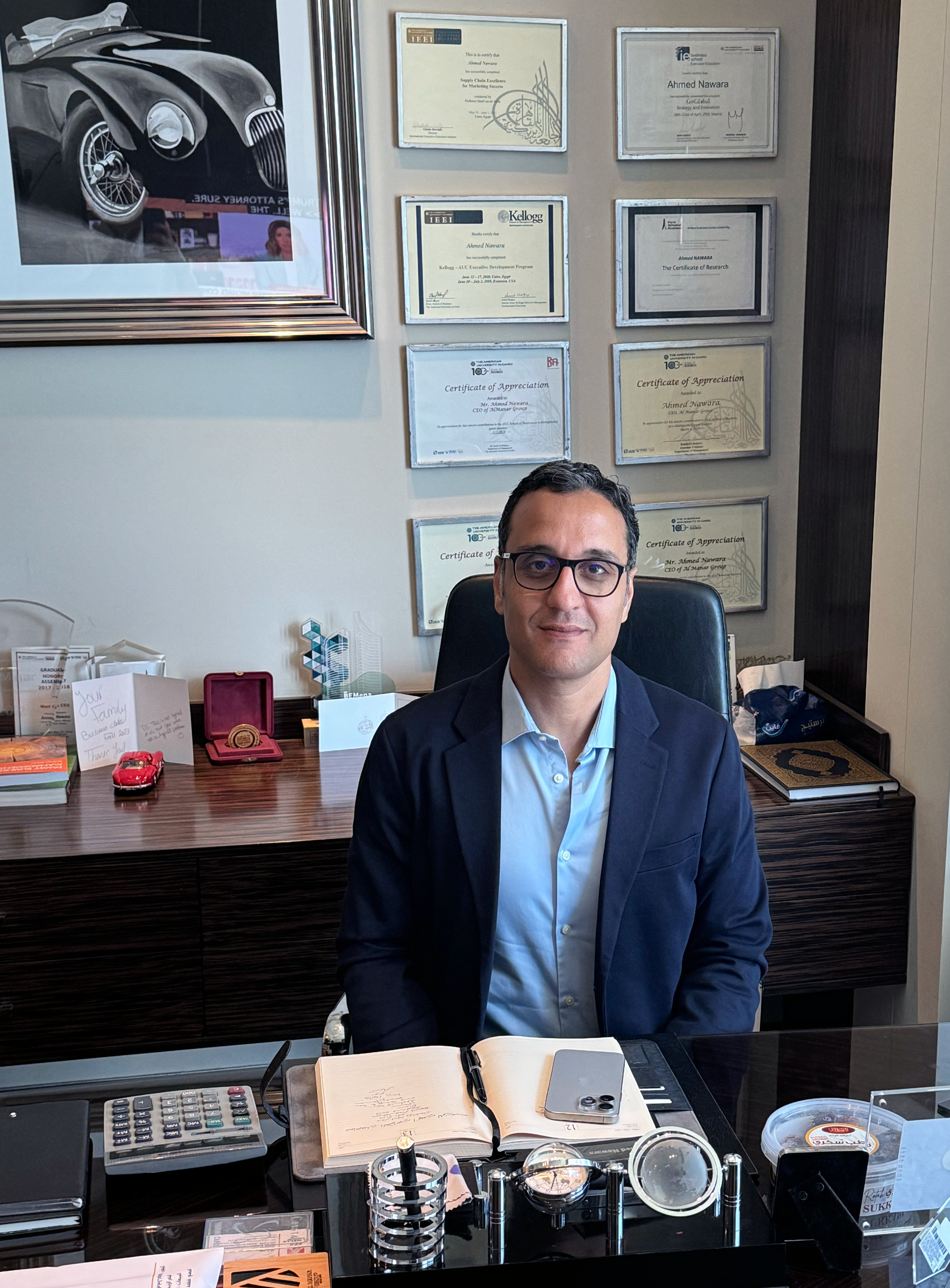

Ahmed Nawara was always expected to join his family’s automobile parts importing business, the Al Manar Group. After graduating from university in 1997, he assumed a role in the organisation, along with his twin brother, Mohamed.
Like many next-generation members starting out in their family business, Ahmed felt a disconnect between his fresh-out-of-school expectations and his real-world experiences at the firm. He wanted to establish himself and impress his father, whose decades-long dream was to have his sons join the business. But even with everything he'd learned at university, it was challenging to make an impact in a well-run company staffed with industry veterans. Eventually, both Ahmed and his brother found themselves at a crossroads. They could continue their struggles, or they could make a change. Ahmed watched his brother leave the business, choosing to strike out on his own. He stayed.
Ahmed committed himself to a new manufacturing project for nearly 12 years, and his efforts eventually delivered success, diversification, and growth to his family's firm. At the same time, he realised that he had not grown along with the business, and in many ways, he had become the very example of the status quo he had been fighting against when he first joined. Ahmed's troubling epiphany not only motivated his return to academia and his professorship at the same university he had once graduated from, but it also set him on a personal journey of self-development that would reshape his life and his family's business legacy.
What did you and your brother, Mohamed, confront when you first entered the family business?
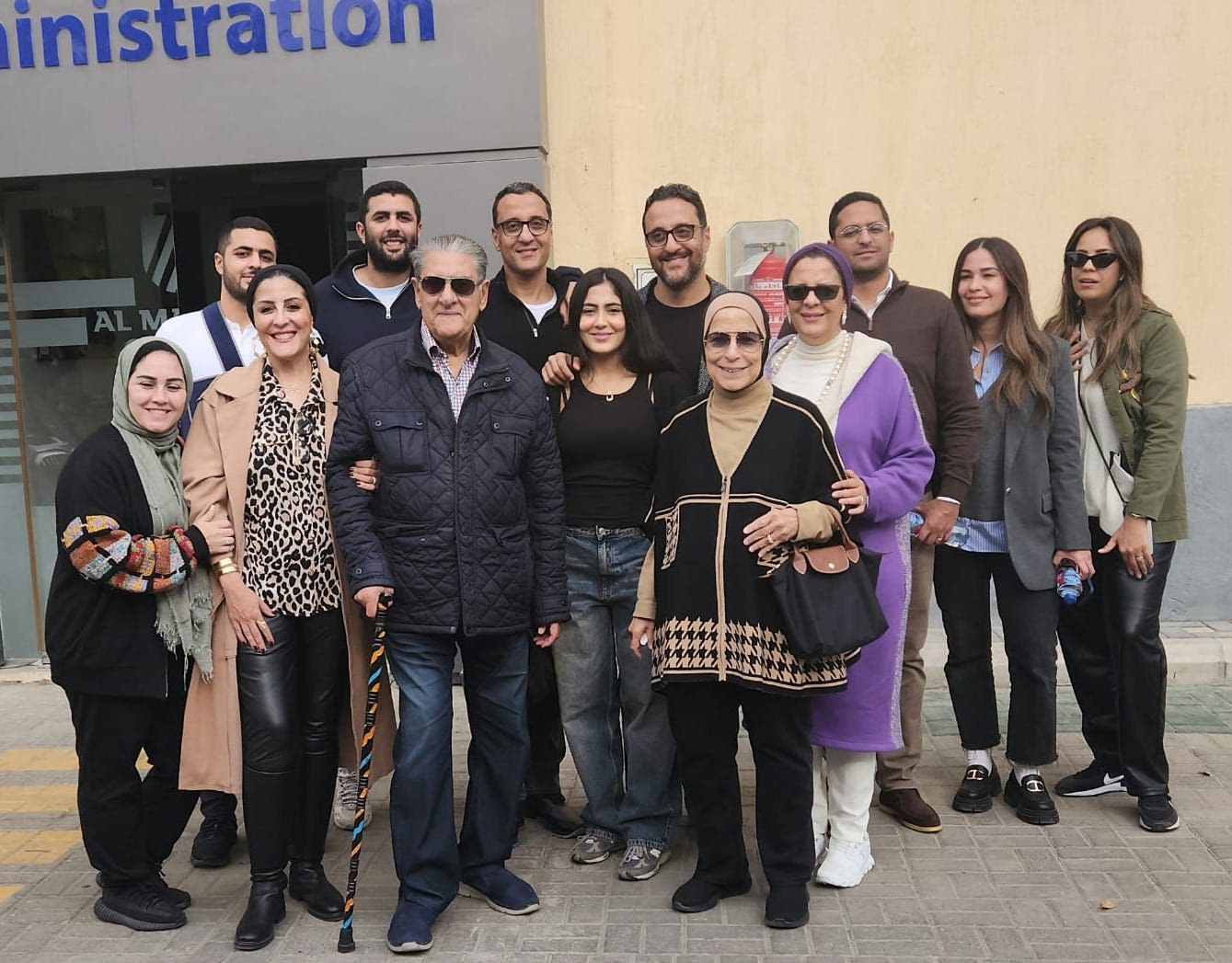
My father made the decision, as he had planned for us to join the business since we were young. There’s a 40-year age difference between us and our father, and he was very keen to have us in the family business, mainly since our two older sisters chose different career trajectories. In 1997, my brother and I graduated from the American University in Cairo and joined our father in the family business two days after our commencement.
Immediately after entering the business, my brother and I felt a culture shock. The real-world experience differed greatly from what we had learned in university. After two or three months, neither one of us was happy. Both of us felt like we didn’t fit in. At that time, the company was 22 years old, and it was difficult for us to find areas where we genuinely added value, particularly in the eyes of the veteran employees who naturally placed high expectations on us, as did our own family. After a few more months, my brother told our father how he felt, then left the family business and launched one of his own.

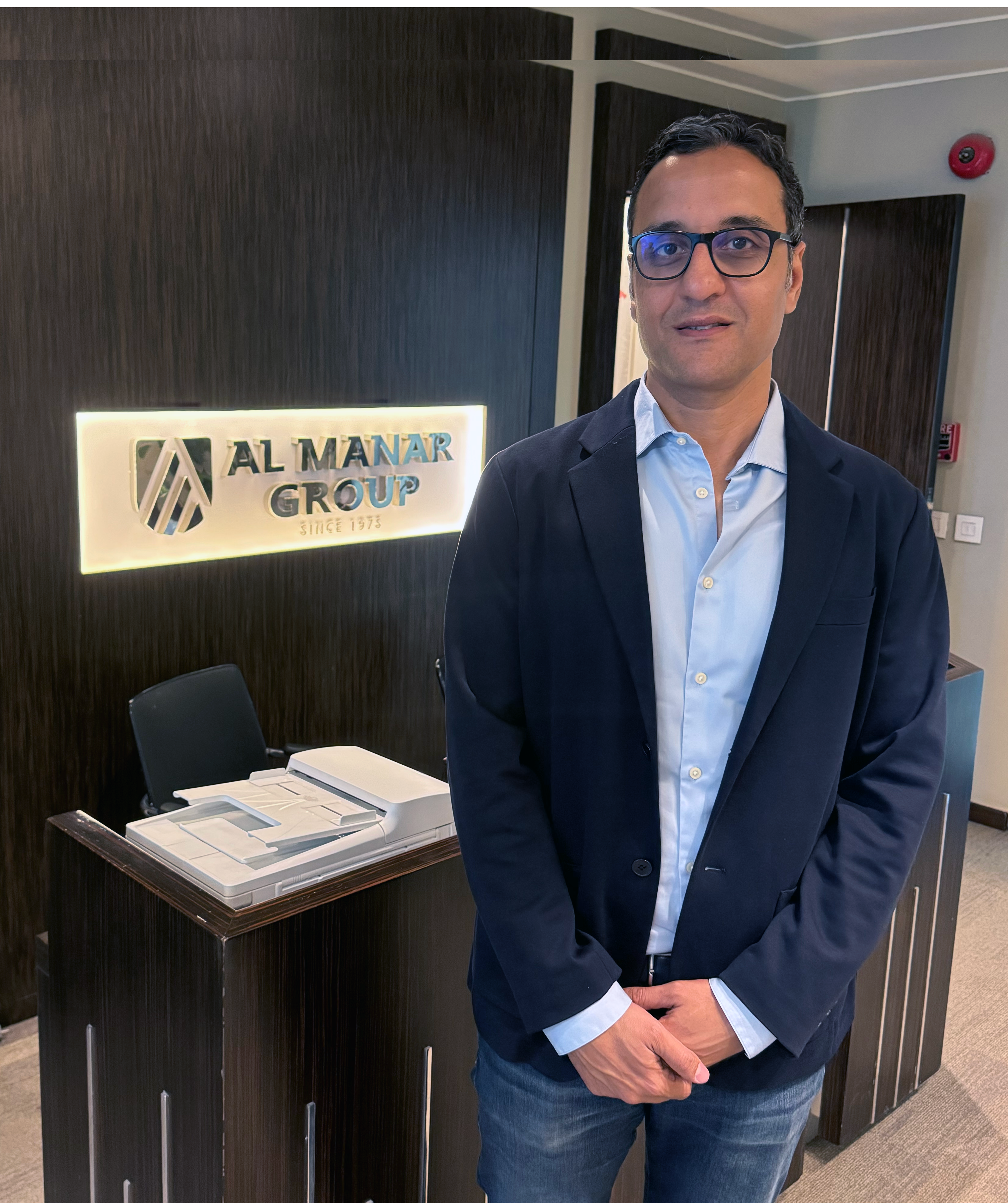
"I realised there were two options. I could feel like a victim who let my family’s business consume years of my life and impede my personal development, or I could believe that it was never too late for growth and development. I chose the latter and set out to leverage my passion for self-improvement."

How did your brother’s departure impact your career decisions?
My brother had conveyed to my father exactly what I was feeling, but I didn’t want our father to go through the disappointment of hearing it from both of his sons. I decided to continue my family business journey to see where it led. A few years went by, and it was very difficult for me; I can remember not feeling good about going to work every day. I didn’t think I was adding any value and instead was wasting precious time to pursue other activities. All my peers at university were improving themselves. They were joining multinationals and getting exposed to new systems, markets, and experiences while I was locked in place.
Interview with Ahmed Nawara, Tharawat Magazine and The Family Business Voice
Interview with Ahmed Nawara, Tharawat Magazine and The Family Business Voice
What was the pivotal moment that redefined your role in the family business?
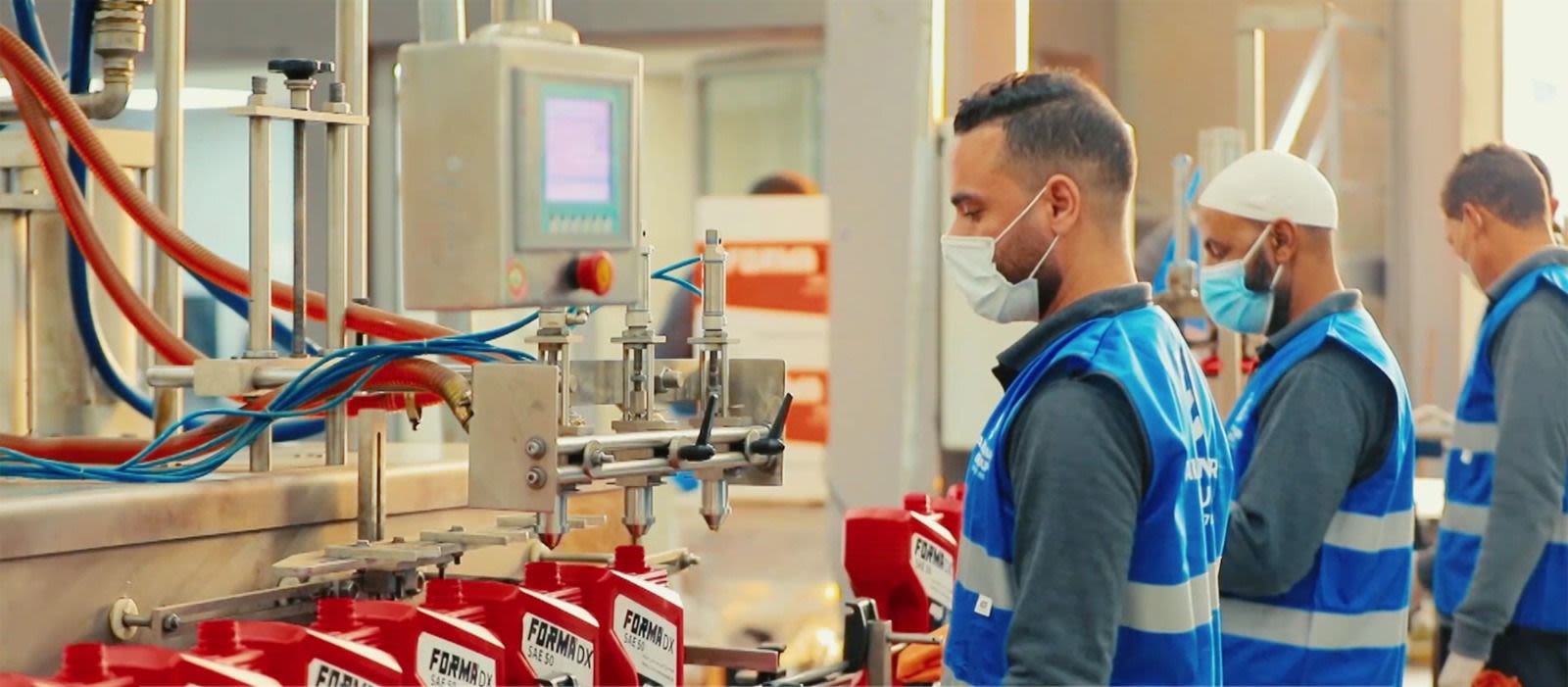
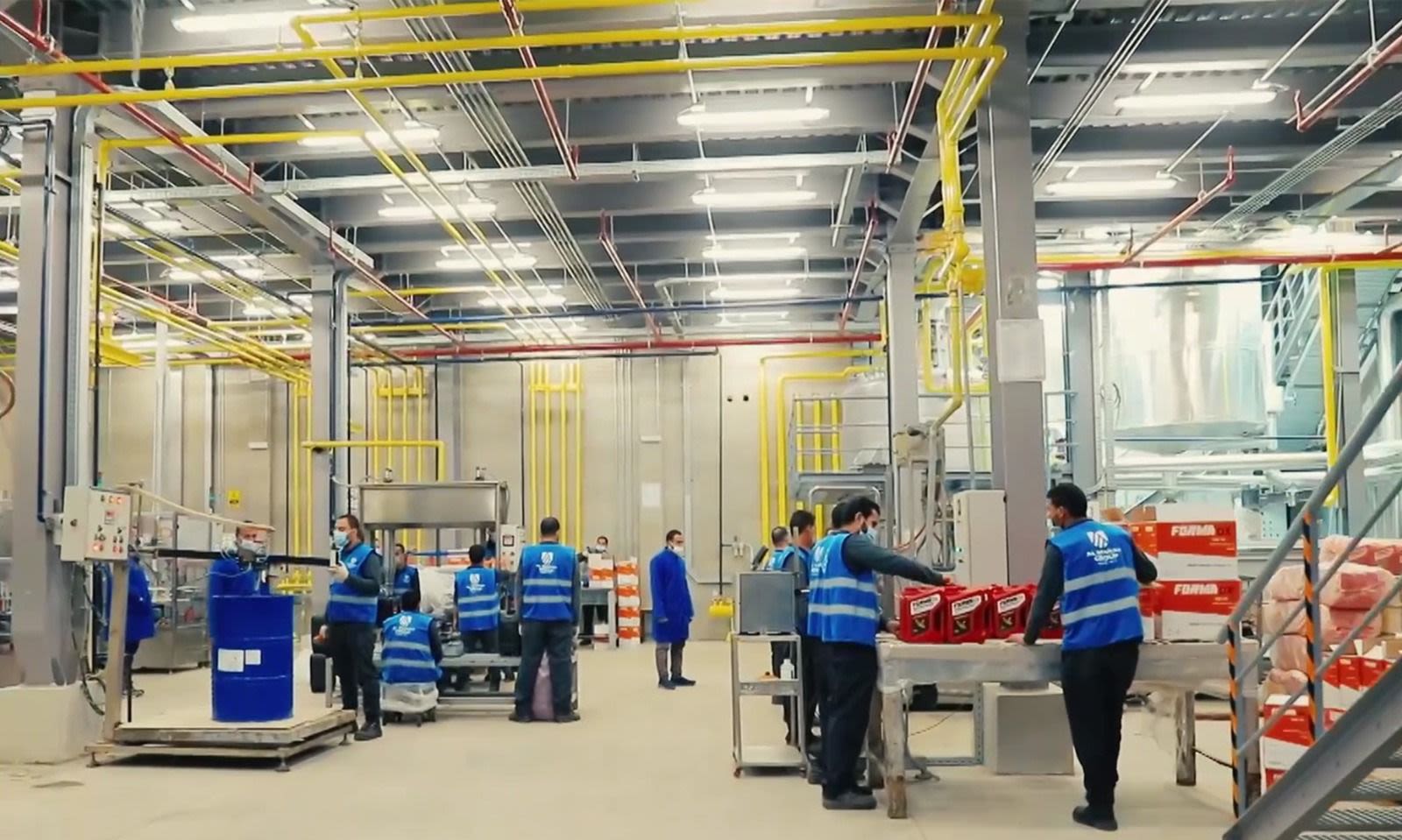
At the time, we were only importers and distributors of automotive parts, operating as a single company. I saw an opportunity for us to manufacture parts locally in Egypt that we had been importing. This led to our opening a manufacturing company that bottled brake fluid under license from our multinational partner. For the first time, I felt I brought something of value to the organisation because none of my colleagues had manufacturing experience; that made us all equal.
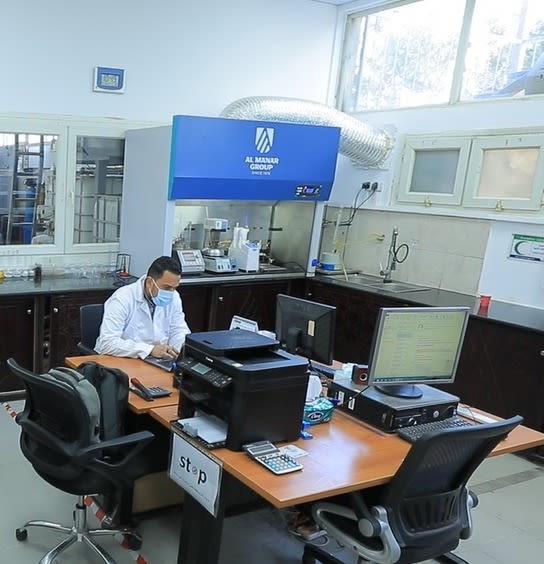
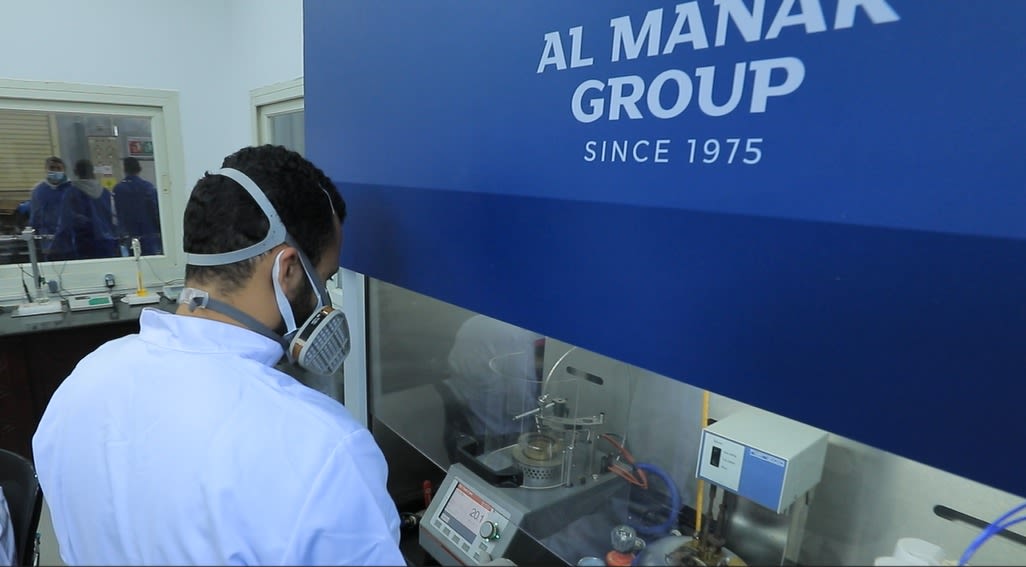
Suddenly, I wasn’t just a fresh university graduate trying to make his mark surrounded by 22-year veterans. My education gave me an advantage and an edge I could exploit to excel in our new manufacturing project. I told my father I wanted to take the project on my shoulders and be responsible for every aspect, from building the team and the factory to buying the machinery and completing the lab training required for the operation. It was the first moment in the business I could truly apply my education and unique point of view.





Do you feel that what you experienced is typical in a family business when the next generation wants to establish themselves and show their value?
I do feel it’s a common situation in family businesses. I think it’s important that next-generation family members look for opportunities to take ownership of new projects in the business. It’s a chance to apply what they know without taking the risk of disrupting a process that has been working well in the business for decades.
New projects offer the freedom of potential success without the high stakes involved when working on established business segments. There can be many reasons new ventures don’t succeed: economic downturns, market challenges, or because they’re a poor fit with the family’s primary business. Consequently, new opportunities can be explored without their possible failure being solely placed on any one person.
How did your involvement with the new manufacturing project trigger your interest in personal development?
Building the new business segment from scratch consumed much of my time and focus for several years. However, the business was growing, and our market position was improving. We had successfully established a manufacturing company alongside our trading company, but I realised that something inside of me had changed. I remembered the inquisitive person I was in university with a thirst for knowledge and felt like he was, at best, a distant part of me.
My feelings were further brought into the foreground when I met with some friends from school who were working with multinationals and had been exposed to new concepts and business terminologies, none of which I had any experience with. I had successfully developed a business for my family. Still, in the 12 years since my graduation from university, I felt like I had fallen behind my peers, and even more distressing, I sensed I had lost something personal that I used to cherish.
It was at that point I realised there were two options. I could feel like a victim who let my family’s business consume years of my life and impede my personal development, or I could believe that it was never too late for growth and development. I chose the latter and set out to leverage my passion for self-improvement when I was still a fresh young university graduate.
"Whether someone is new to business or extremely experienced, they must look for opportunities to contribute while also being very honest about their personal development. And everyone should also understand that sometimes it all comes down to timing."
What steps did you take after making that bold, transformative decision?
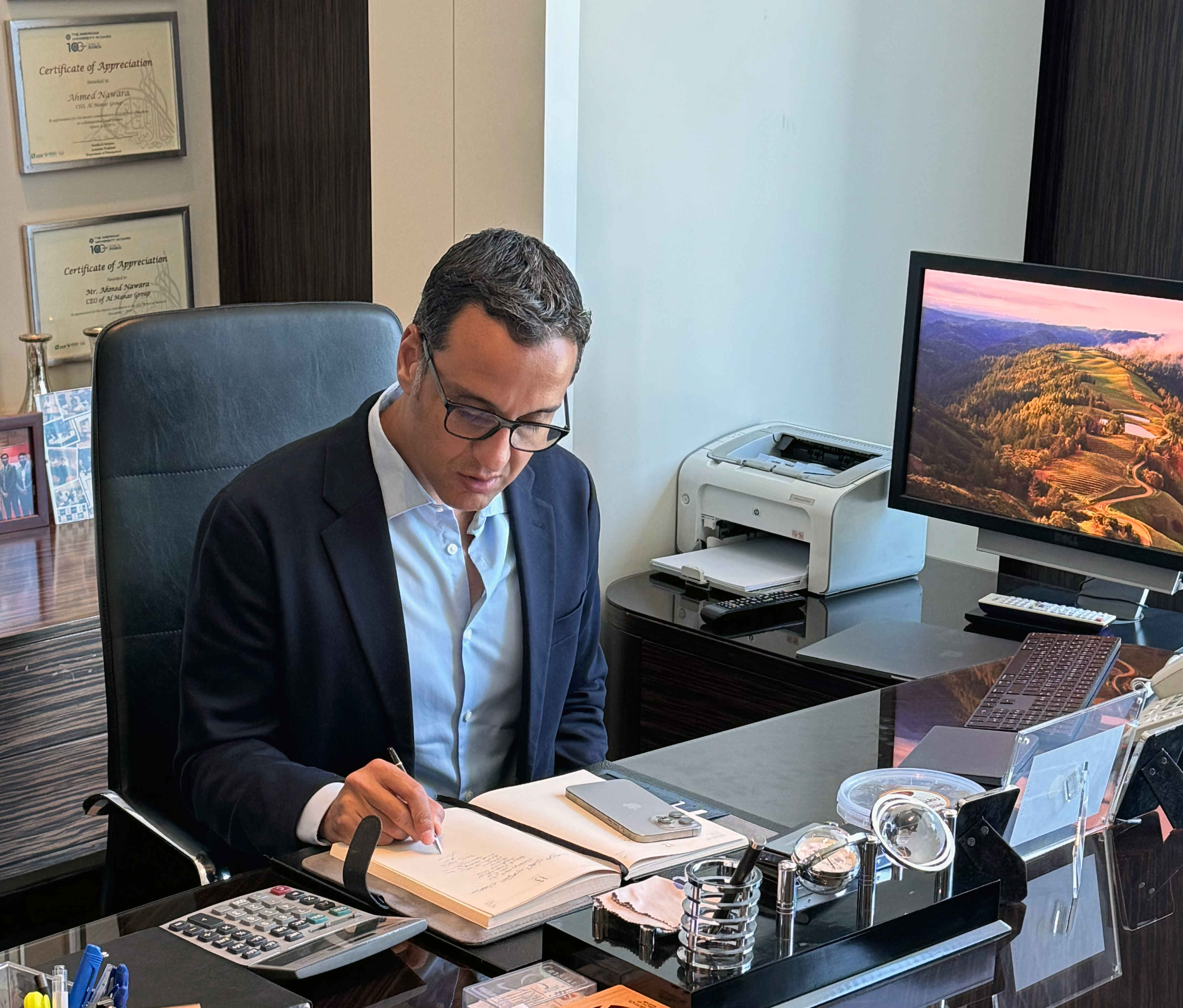
I created a list of what I wanted to accomplish. I needed to prove to myself that I could develop personally and improve to the extent that I would ultimately teach at the American University in Cairo Business School, where I graduated. Setting that goal and proving something to myself was critical for me, and today, I am teaching at the American University in Cairo School of Business. But the journey didn’t happen overnight, and I worked hard to complete many executive courses. I attended Standford University and INSEAD, among others, and I completed my master’s degree. In a few months, I will finish my doctorate in family business at the Paris School of Business. I am also currently teaching family business at the American University in Canada.
Interview with Ahmed Nawara, Tharawat Magazine and The Family Business Voice
Interview with Ahmed Nawara, Tharawat Magazine and The Family Business Voice
How did you balance your personal development journey with your family business responsibilities?
I believe the family business benefited and experienced growth in direct correlation with my personal development. Everything I learned in all my classes was ultimately applied to the family business. I have to acknowledge my father for not only supporting me in my goal of betterment but also for being the main driver behind the company’s transformation, particularly in the area of governance. He helped spearhead a significant family and corporate governance project that we incorporated in 2018.
The changes we made will help address our governance in the future and ensure that our business strategy remains forward-looking and not too focused on day-to-day activities. Without my father’s support, it would have been tough to make those key adjustments to the business and secure buy-in from the board, management, and other family stakeholders.
"I think it’s important that next-generation family members look for opportunities to take ownership of new projects in the business. It’s a chance to apply what they know without taking the risk of disrupting a process that has been working well in the business for decades."

Now that you’ve accomplished so much in your personal development and used that knowledge to help reshape your family’s business, what do you see yourself pursuing in the future?
I'm planning a few things. First, I’ve wanted to take a life-changing management, finance, and marketing program offered through Harvard for some time. The program also offers exceptional networking opportunities. I will continue to educate myself and enrol in executive programs, especially now that artificial intelligence has become such a disruptive force in business. Change is constant, so I must never stop learning and challenging myself.
Future generations would benefit from a similar, hands-on mindset. New generations are typically well-versed in the latest technological tools. Still, they must consider the practical applications of their knowledge to avoid some of the pitfalls I encountered after joining the family business fresh out of school. It’s essential to find ways of bridging the gap between academia and practical, real-world business experience. Much of that experience amounts to soft skills, such as social intelligence, dealing with banks, governments, and the various cultures inside an organisation.
Whether someone is new to business or extremely experienced, they must look for opportunities to contribute while also being very honest about their personal development. And everyone should also understand that sometimes it all comes down to timing. After 15 years, my twin brother, Mohamed, rejoined the business at my request, consequently using his past experience as an entrepreneur in the IT sector to add value to our IT transformation and HR management, as well as contributing to the business's strategic direction as a board member. This further illustrates that you never know what’s possible until you choose and follow through.

 Built with Shorthand