
Collaborating to Create Prosperity
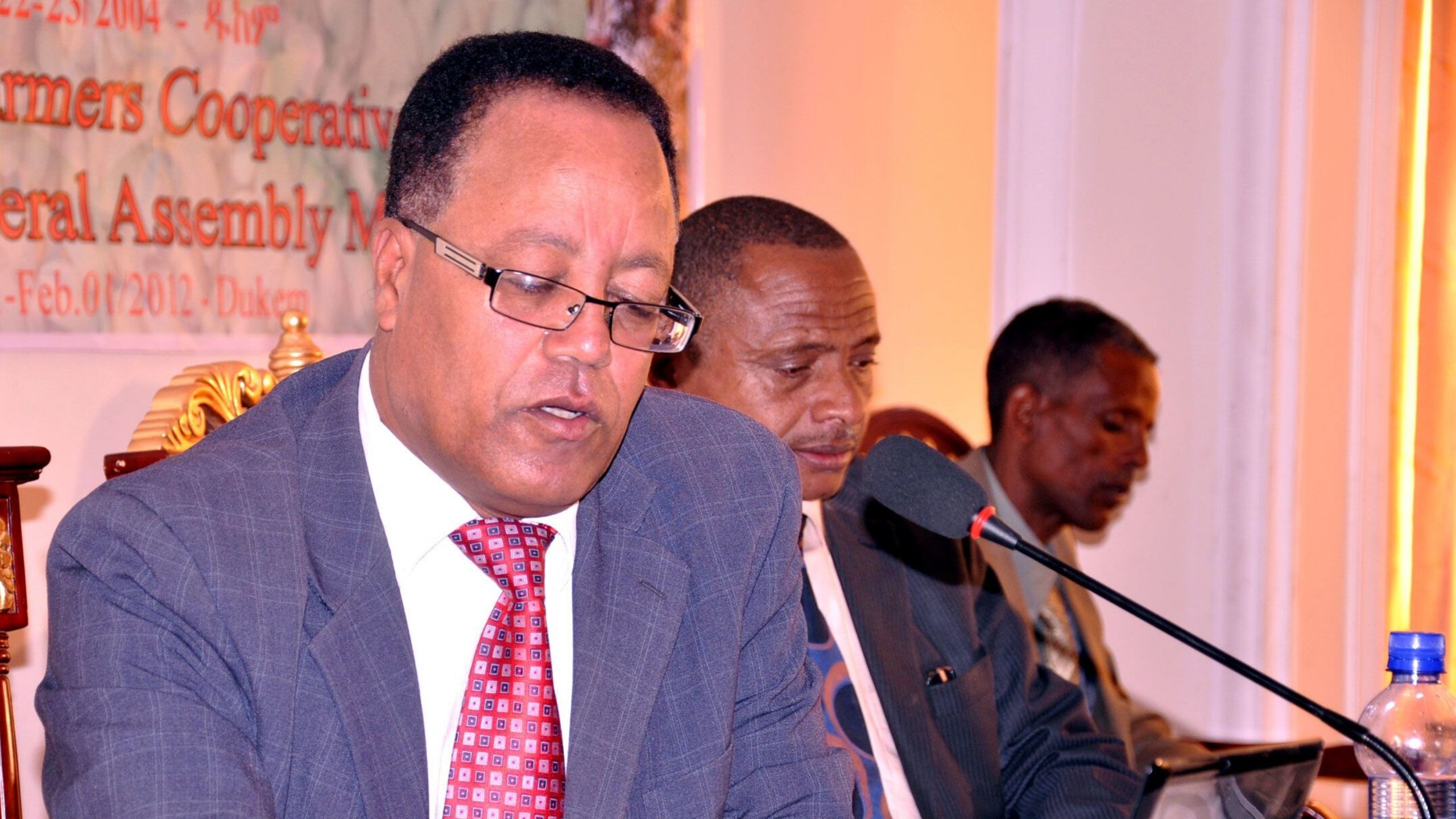
Interview with Tadesse Meskela
Founder of Oromia Coffee Farmers Cooperative Union, Ethiopia

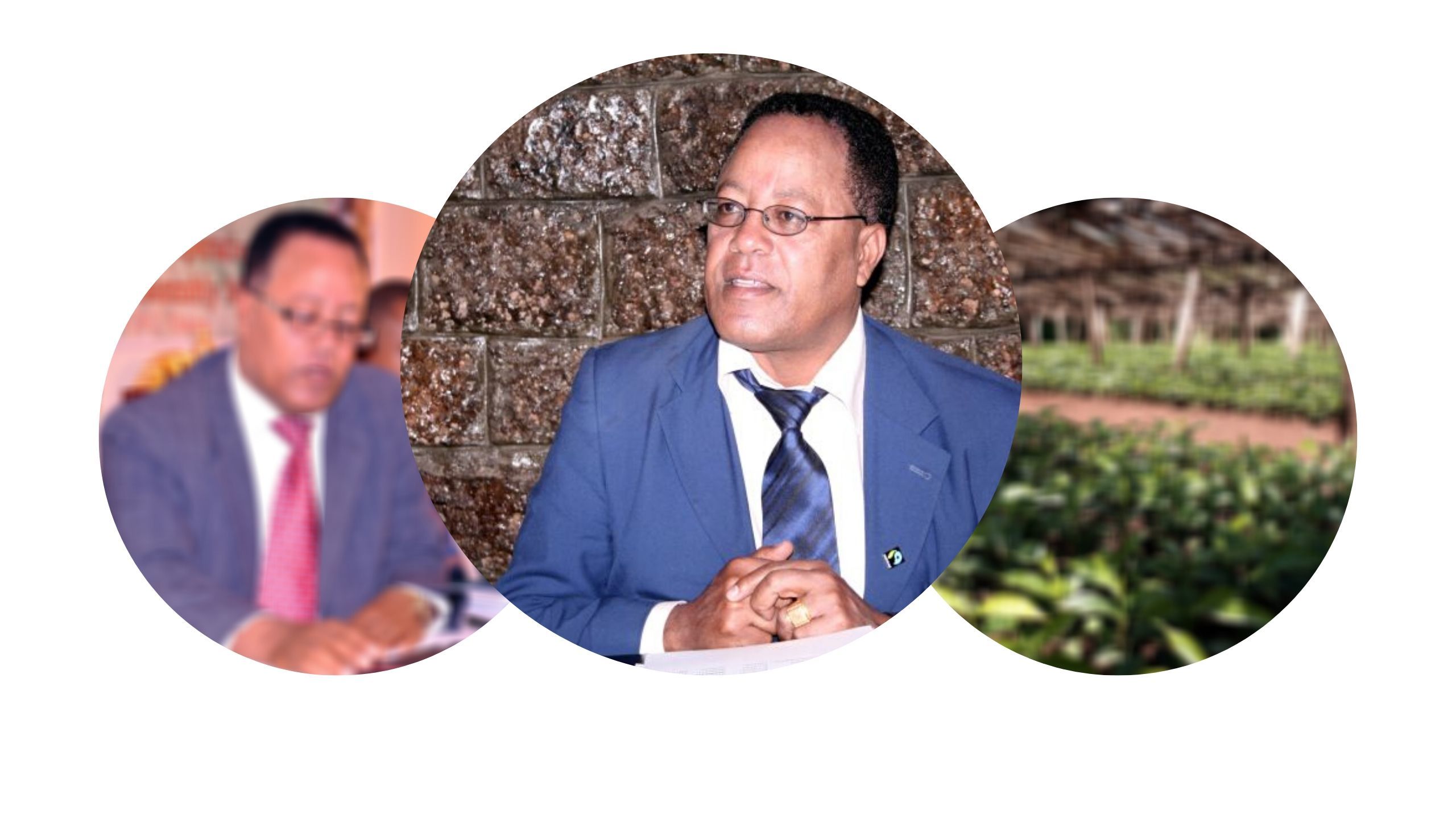
For the Oromo people of Ethiopia, coffee is more than just a drink; it is a way of life. Not only is farming coffee one of their principal industries, but drinking coffee occupies a singular place in Oromo social interactions, marriage ceremonies and religious occasions.
For generations, 40 million Oromo have depended on coffee for their income – and, thanks to the Oromia Coffee Farmers Cooperative Union, they now see an appropriate share of the profits from a global market that depends on their labour and expertise.
To say that Tadesse Meskela, Founder and now retired General Manager of Oromia Coffee Farmers Cooperative Union, is deeply passionate about cooperation is an understatement. Not only is he an unofficial authority on the subject, but his track record also proves the model's potential to create healthier societies. Since its inception in 2000, the Oromia Coffee Farmers Cooperative Union has taken the lead on countless community-building initiatives. Now, Oromo people in coffee-growing regions have better access to clean water, education and healthcare than ever before.
With extensive research, international NGO funding and hard-earned governmental support, Meskela completely revamped the Ethiopian coffee industry to a new standard that allows farmers to reap the benefits of their hard work. With his influence, the number of Ethiopian agricultural cooperatives has increased ten times since Oromia Coffee Farmers Cooperative Union began, and the cooperatives now represent millions of farmer collaborators across the country.
We sat down with Tadesse Meskela to discuss his experiences with cooperation, its positive impact on Oromo communities and how the Oromo coffee farmer's journey serves as an excellent model for others around the world to create prosperity in life and business.

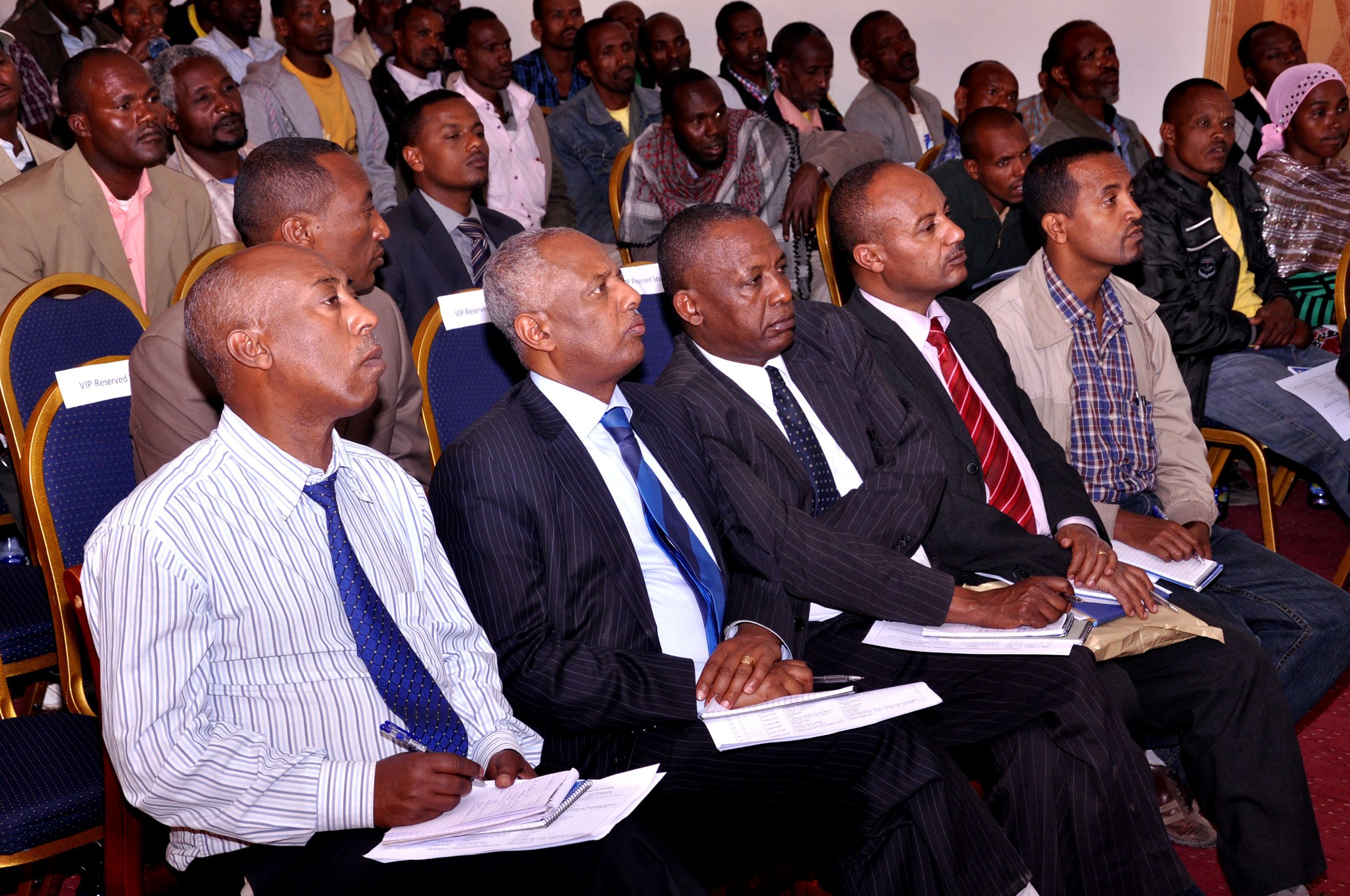

Can you tell us about the agricultural life of the Oromo?
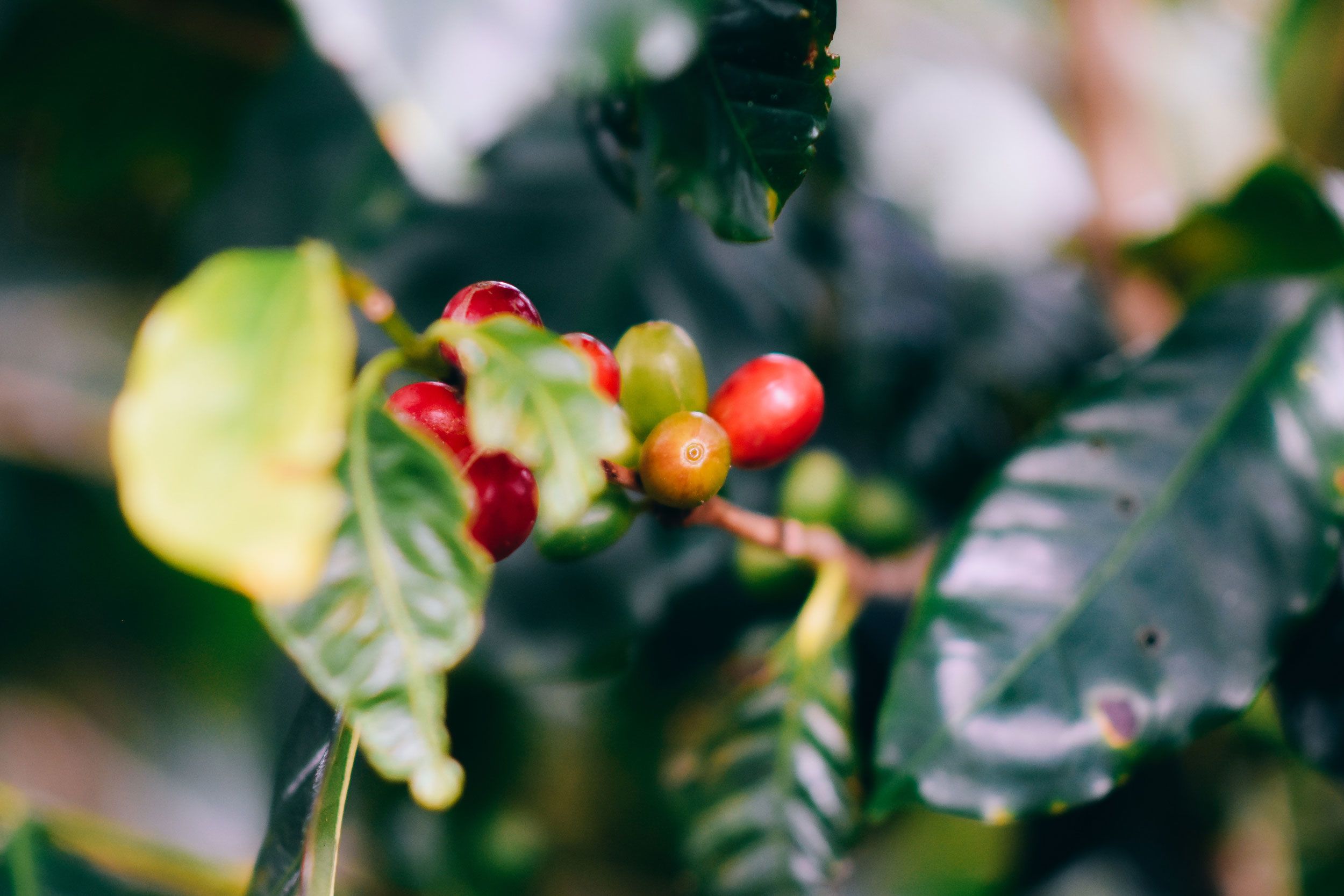
The Oromo make up approximately 40 per cent of the Ethiopian population. Our primary economic contribution is agricultural – farming coffee, fruit and livestock, depending on the fertility and altitude of the village. We are settled on some of the most fertile lands in the country, which is also rich in other resources. The region’s largest gold mine is also on Oromo land.
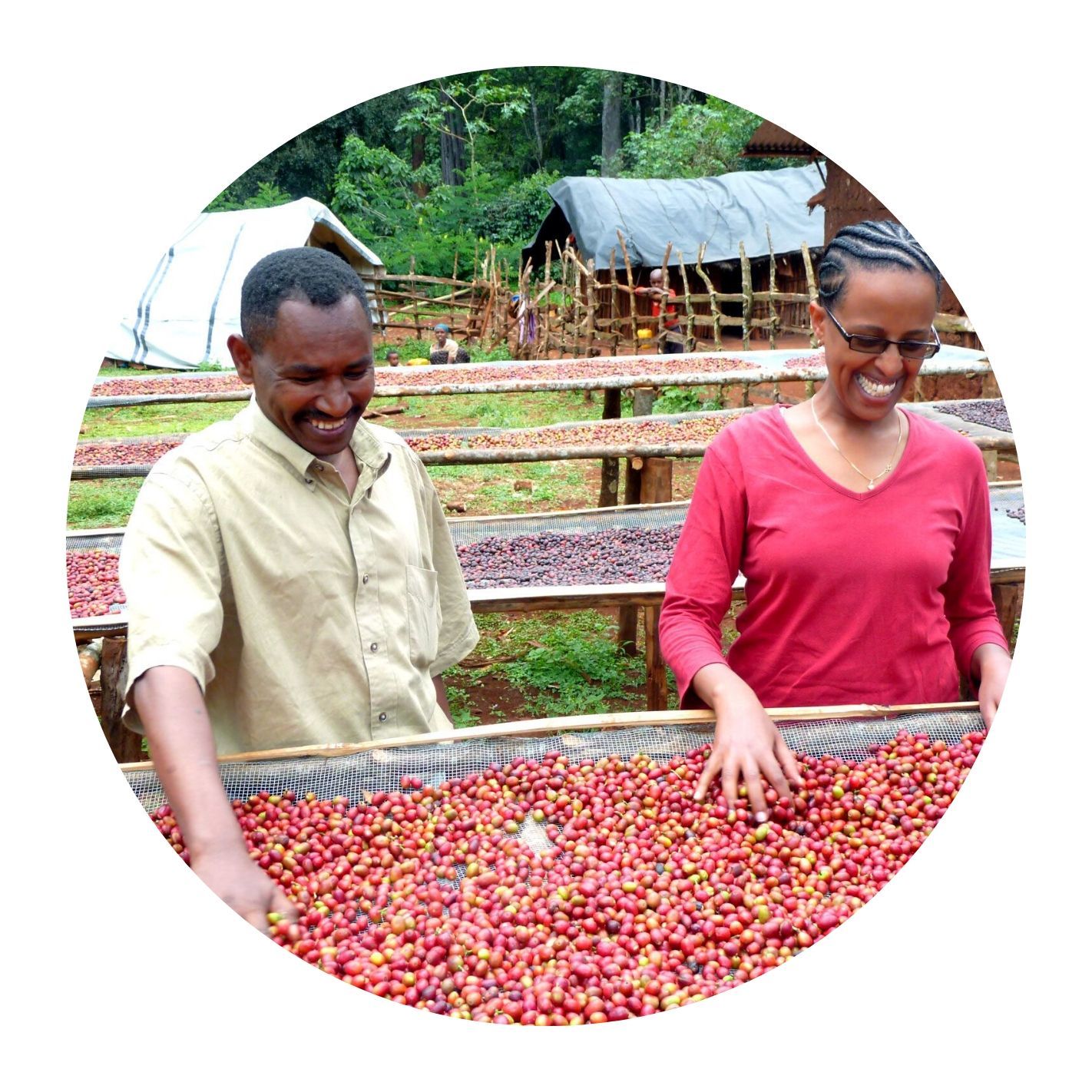
Thanks to the diverse landscape, we’re able to farm a great variety of crops. We export the majority of the region’s cotton and 75 per cent of its coffee. I come from a family of farmers, much like 90 or so per cent of the Oromo. Growing up, I became invested in the plight of the people, particularly the farmers, as I saw the profits from their products continue to increase for sellers. In contrast, the farmers’ standard of living remained stagnant.
I studied agricultural economics and began working for the Ethiopian Ministry of Agriculture, focusing on the farming culture we had in place and what cooperative efforts could be made to evolve. For generations, farmers had been forced to sell their products through traders rather than directly to the markets, and I wanted to find a better way – one where the farmers received a fair share of the profits.
In 1994, I studied agricultural cooperatives in Japan, learning techniques I could bring home to our Oromo farms. With the Japanese blueprint, we started the first Ethiopian marketing cooperative. We found ways to cut costs by storing our own crops and, eventually, unionised. However, these measures still didn’t relieve the competition we faced from private traders.
Our unions began to assemble and bring their coffee directly to the market, cutting out the village middlemen and district suppliers that had previously profited from transferring crops to exporters. Once we established our farmers as the sellers of their own product, they started to regain their profit by negotiating the price of the coffee with the importers directly. This increased the farmers’ profit by 250 per cent.









Exploring how to structure and manage your collective assets and wealth in turbulent times.
Leading the Family Office
October 28-30, 2020
imd.org/lfo


What kind of resistance did you face while setting up these cooperatives?
The greatest difficulty we faced was from the coffee collectors and exporters that previously profited the most from the farmers’ produce. In 2000, they were opposed to us travelling to the US to display at the Specialty Coffee Association of America. At one point, we had to deal with the Prime Minister to get permission for our cooperatives to take part in different exhibitions outside of Ethiopia.
Even our farmers had their doubts. However, I felt that even if, at first, we were forced to sell our product at a low price with no profit, it would be better to have autonomy over it than to be dependent on middlemen. Eventually, we got support from the Central Commission for Discipline Inspection, which paved our way for displaying again in the US a year later. In 2002, after studying the market demand, we were offered fair trade accreditation and were able to get a better price for the coffee.

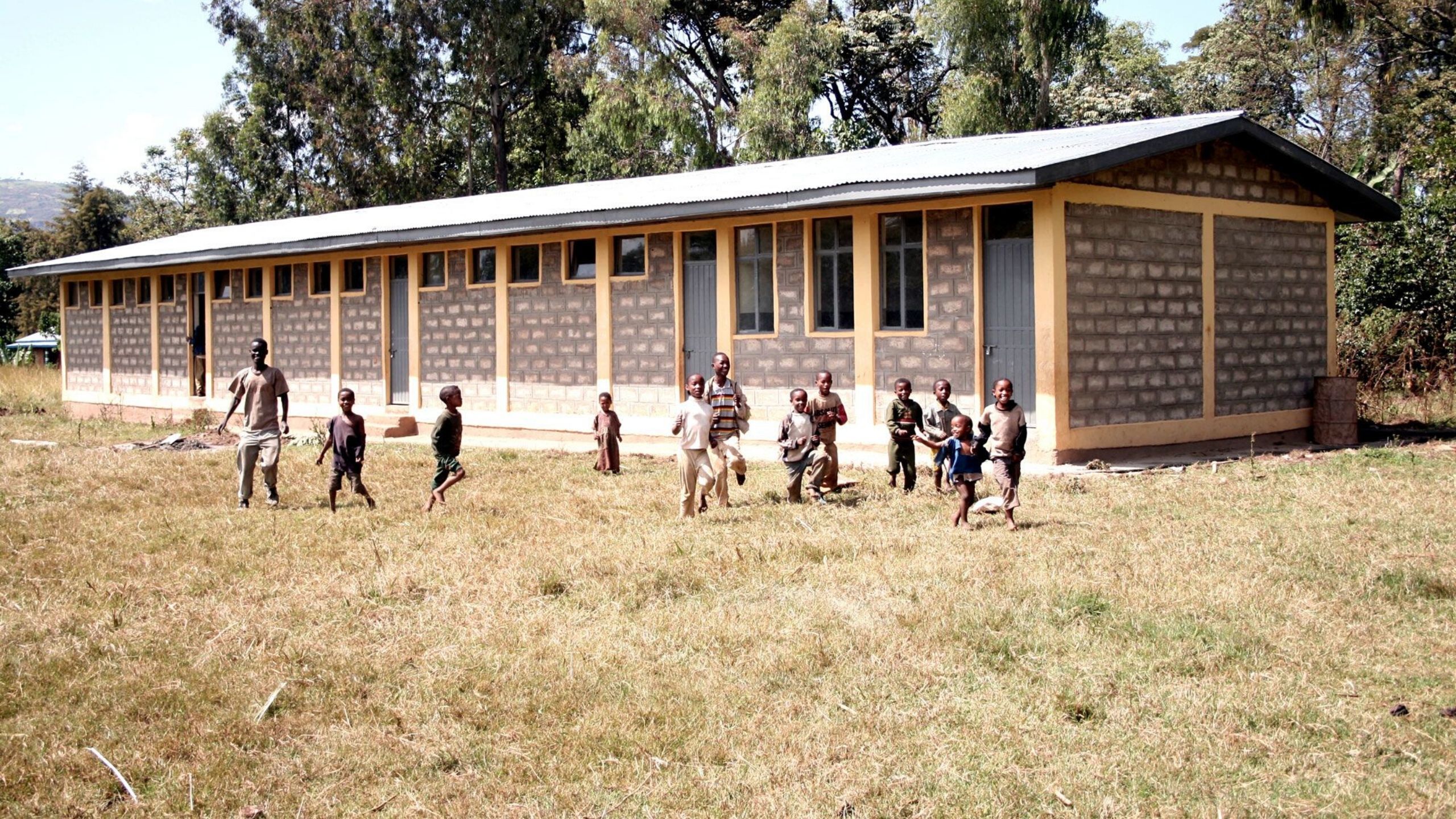




Once they saw that the cooperative was increasing their profit, motivation spread to focus on other necessities that would help with crop production. We worked on securing clean water supplies and grain milling equipment, which freed up the women’s time as they no longer had to travel to fetch water for their households. We also began building elementary schools.

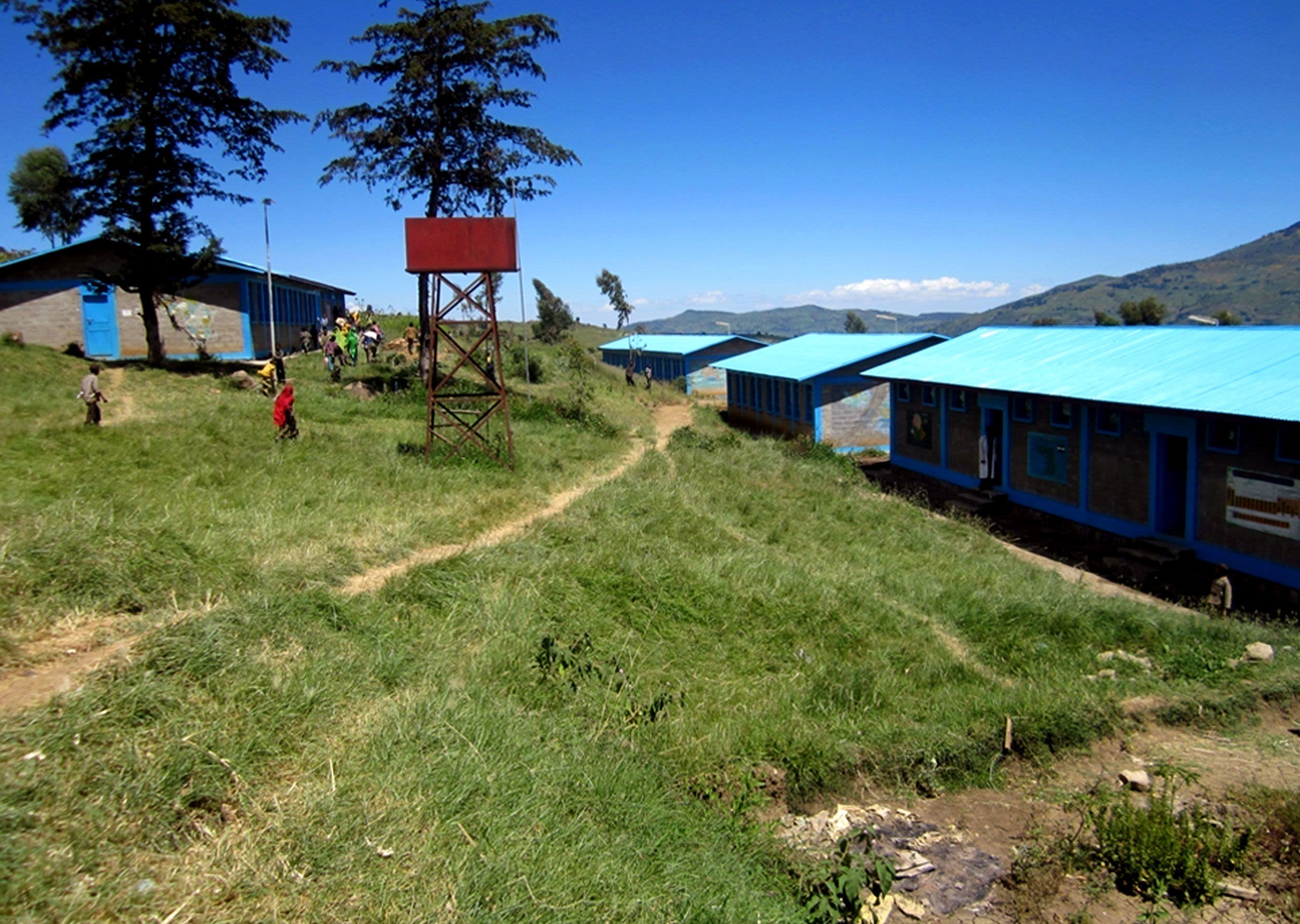
A high school built with Costa Foundation support, courtesy of Oromia Coffee Farmers Cooperative Union
A high school built with Costa Foundation support, courtesy of Oromia Coffee Farmers Cooperative Union




How did this economic project become a social project?
Once they saw that the cooperative was increasing their profit, motivation spread to focus on other necessities that would help with crop production. We worked on securing clean water supplies and grain milling equipment, which freed up the women’s time as they no longer had to travel to fetch water for their households. We also began building elementary schools.
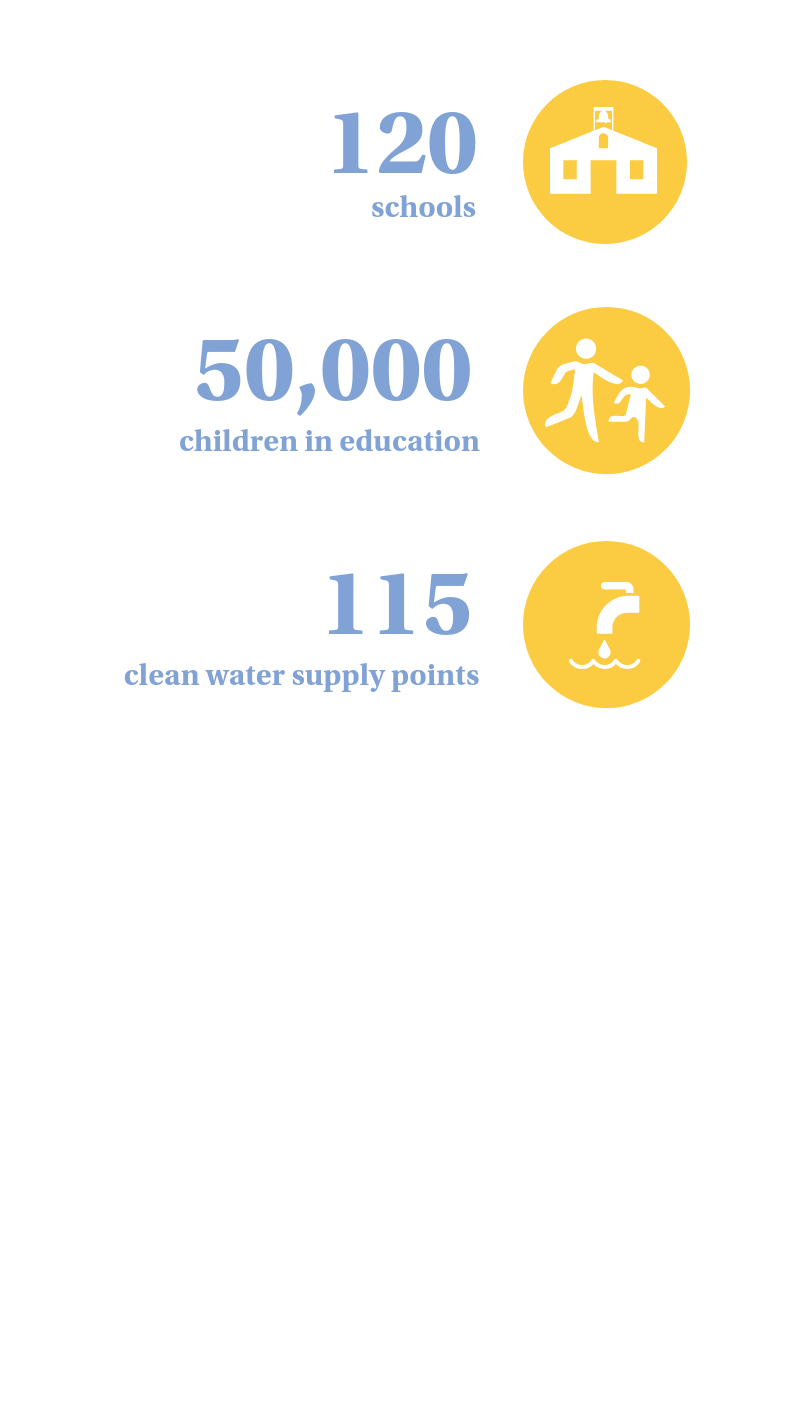
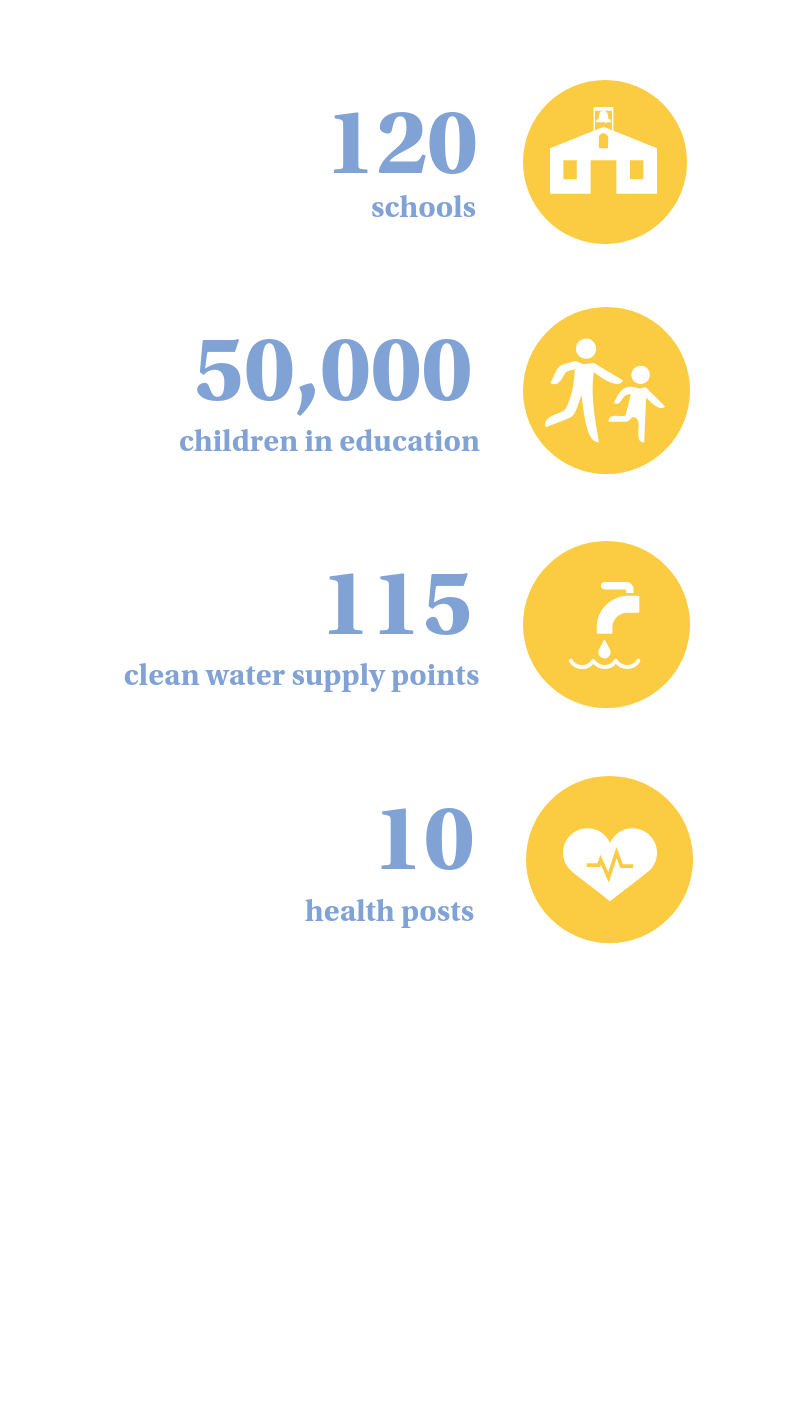
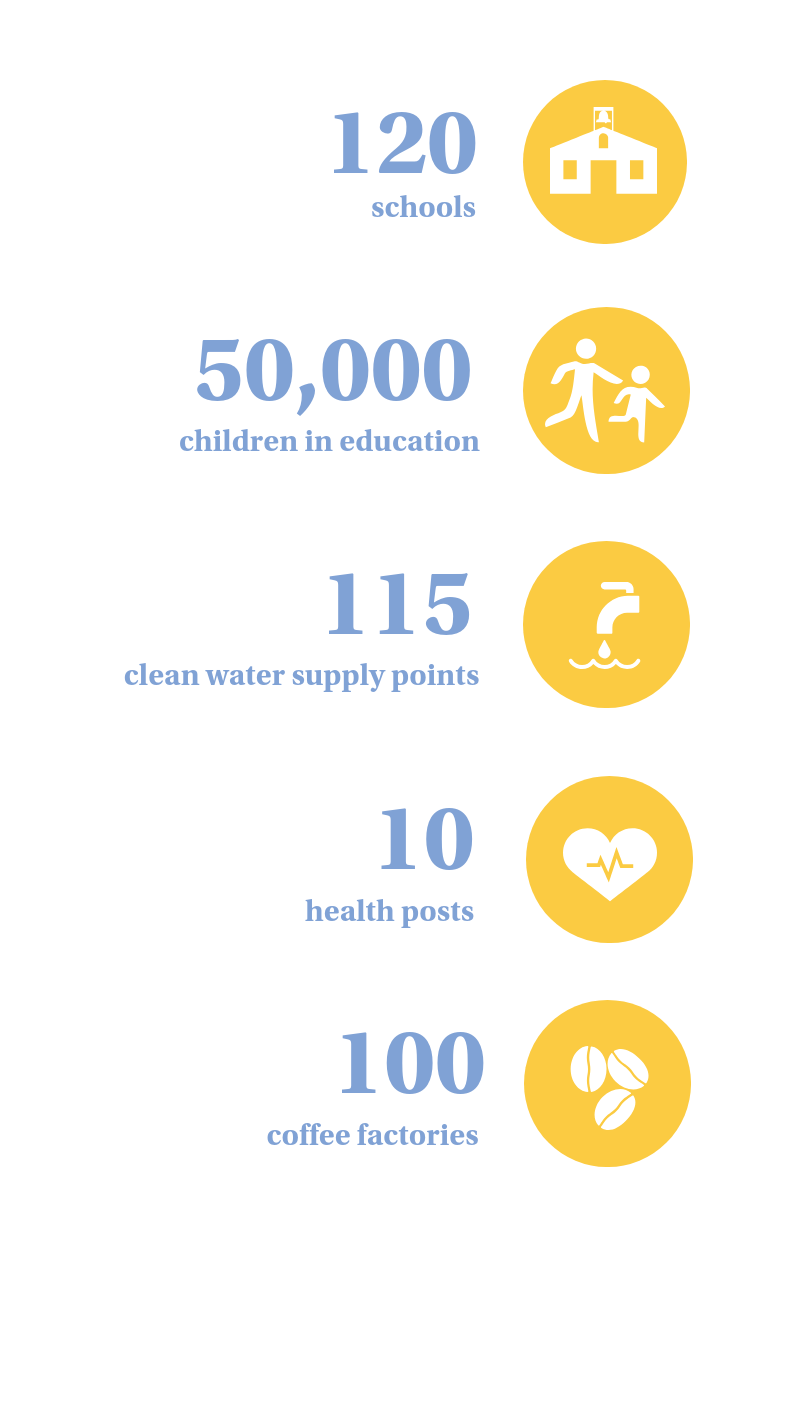
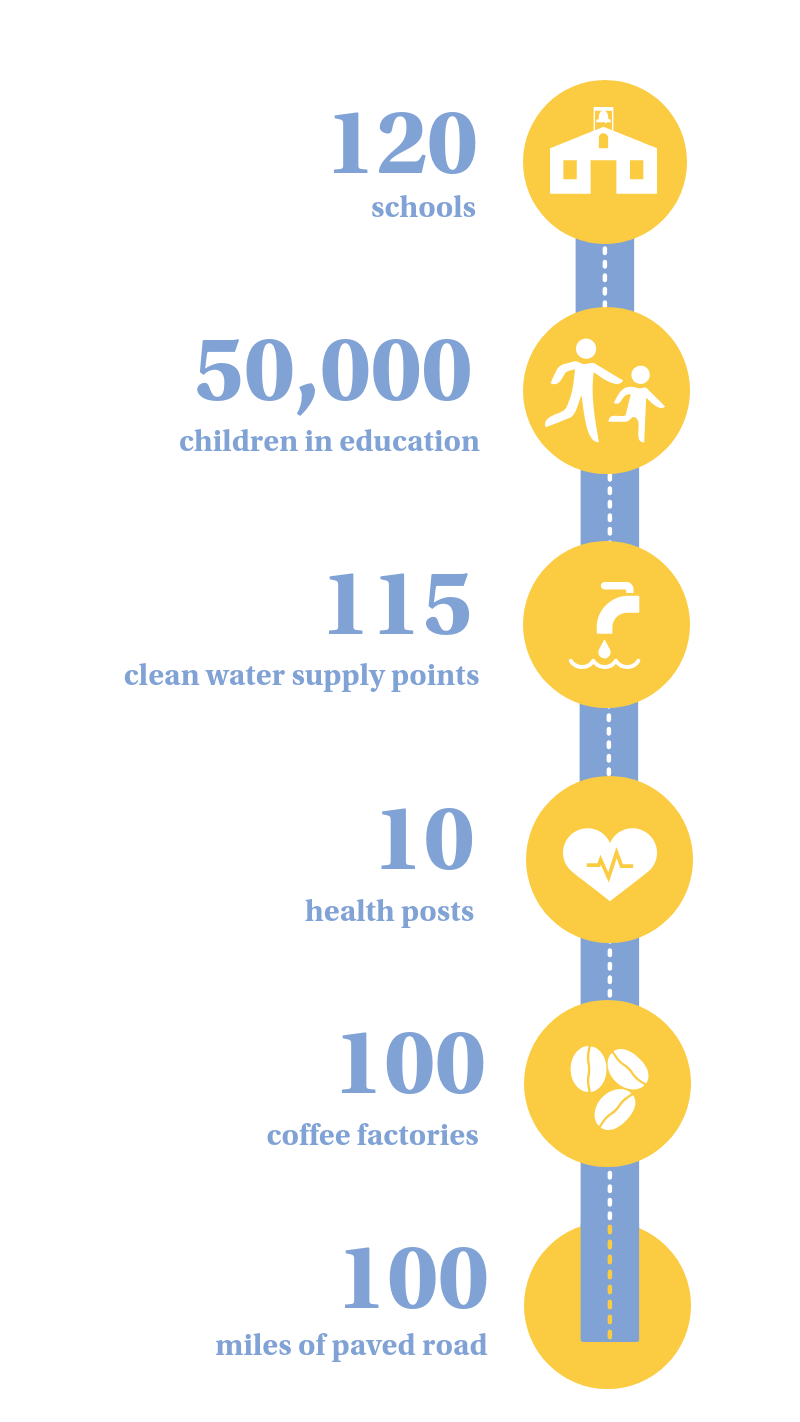
Slowly, the system grew until we’d established thousands of cooperatives throughout Ethiopia. A total of 120 schools were built in farming villages, providing education for 50,000 children. We’ve developed 115 clean water supply points, 10 health posts and more than 100 coffee factories, as well as 100 miles of paved roads in between to connect them all.
When I started the Oromia Coffee Farmers Cooperative Union, I had 34 cooperatives, 22,600 farmers and capital of $90,000.
Now, we have more than 90,000 cooperatives and nearly $1 billion in capital.
The impact these cooperatives have had in improving the quality of life for farmers is profound. They are successful because every farmer has access to the market through the cooperative by producing high-quality products individually.
What problems does the Ethiopian coffee industry face right now?
The main frustration is the pricing. All coffee pricing, regardless of whether you sell fair-trade, organic or speciality coffee, is influenced by the New York Stock Exchange. The issue is that the cost of living is increasing, but the price of coffee remains the same, so farmers are being forced to uproot crops or move to farming fruits and vegetables, the prices of which better reflect the increase in the cost of living.
Climate change is affecting coffee-growing regions. It rains less now, and when rainfall does occur, it's erratic. As a result, coffee plants only flower once or twice a year as opposed to three times on a normal year. This phenomenon has decreased yield. In addition, in the lowlands, the lack of rain is resulting in grass shortages. Approximately one in three livestock animals died from starvation in this last drought.
We also deal with a high unemployment rate; consequently, much of our youth migrate to nearby countries. High school graduates that do remain in Ethiopia are unable to find work in urban areas and often aren’t interested in farming. We lose a lot of people to migration because there’s so little employment – not just in our region but throughout the country. That said, the Government is working hard to alleviate this unemployment issue.
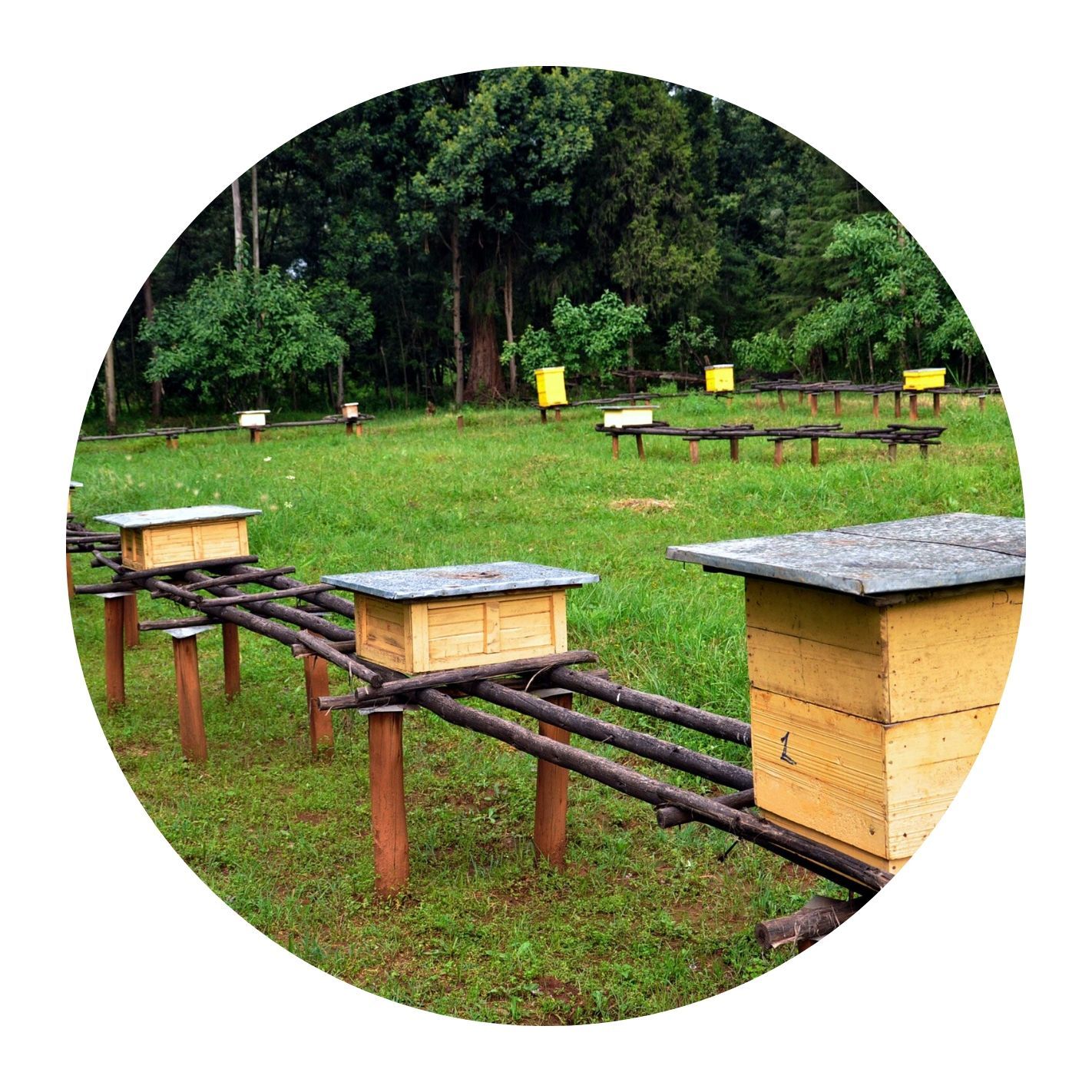


Beekeeping in the coffee regions of Djimma, courtesy of Oromia Coffee Farmers Cooperative Union
Beekeeping in the coffee regions of Djimma, courtesy of Oromia Coffee Farmers Cooperative Union




The most important lesson is that these cooperatives are successful. They are helping to alleviate social issues and resolve our economic struggles because people came together and cooperated – more than 21 million farmers around Ethiopia in total.
What lessons can other businesses learn from the Oromo people?
The most important lesson is that these cooperatives are successful. They are helping to alleviate social issues and resolve our economic struggles because people came together and cooperated – more than 21 million farmers around Ethiopia in total.
They’re working together to tackle any challenges they face, share methods for marketing their produce and techniques for improving product quality, and help ensure all villages and farms have whatever they need in order to flourish, such as a reliable water supply.
What does your involvement with the Coffee Farmers Cooperative Union look like now?
Technically, I retired five years ago, but I’m still involved from an advisory perspective. I also work with coffee farming groups, giving them advice on how best to take care of their workers. So, I still work with coffee and am determined to stay involved with the Union – my pride and joy. I’m there to advise whenever it's necessary.
I’m also staying active with new cooperatives, visiting those in the coffee region while I travel; it’s in my blood. Throughout history, people have come together to solve their problems, and for places such as Ethiopia, where the primary economy is based on agriculture, cooperative formation directly translates to prosperity. We’ve seen the power that these systems have – the power that the people hold when they cooperate. It is only through coming together that human beings really start living their lives.





 Built with Shorthand