
BG Capital Holdings
About Security, Succession and Sustainability


Interview with Saliza Abdullah, Managing Director and CEO, BG Capital Holdings, Malaysia
For many, the perception of security, and the professional industry that provides it, is still largely shaped by outmoded conventions. Possessing physical strength and presenting a commanding stature have long been the hallmarks of the stereotypical security guard in an industry overwhelmingly dominated by men.
But in Malaysia, BG Capital Holdings and its group of companies have not only challenged the security business typecast but the 100 per cent women-owned and managed family firm has redefined what security means and who is involved.
Now in its 30th year of operation, Saliza Abdullah serves as the Managing Director and CEO of BG Capital Holdings, the company her mother founded in 1992. Mirroring the family firm’s precipitous rise and growth in Malaysia’s security sector, Saliza herself grew into the business at a young age, eventually answering her mother’s call after university to help steer the business into a new, technologically sophisticated era.
For Saliza, the continued success of her family’s business is only one part of her mission. The role she plays in advancing the cause of women in her industry, and all of Malaysia, may ultimately be just as impactful as her family’s extraordinary legacy.
We caught up with Saliza Abdullah to learn more about her journey at the forefront of the Malaysian security industry, what she sees as the key ingredients for a family firm’s longevity, and what the future might hold for BG Capital Holdings.
When did you first realise that you were part of a family business?
There isn’t one specific moment, but rather a journey that felt deliberate in many ways. It was my mother who exposed me to the family business.
She resigned from her position as a government officer to found the business in 1992. At age 48, she decided to invest all of her savings into buying a company in an industry she wasn’t familiar with because she saw an opportunity in Malaysia’s security sector and anticipated its future growth. Just like that, she decided she would become an entrepreneur.
I was still in high school and didn’t understand the gravity of my mother’s decision. I was too young at the time for my mother to offer me a job, but she would ask me to tag along with her to the office on weekends or school holidays. It’s how I gained exposure to the business, and I believe it was part of her strategy to get me involved.
My mother would assign me simple tasks like drafting short letters or helping her file. I liked being with my mother and thought it was fun to be in a family business environment. The final step of that journey came when I chose to formally join the business in 2000 after graduating from university.

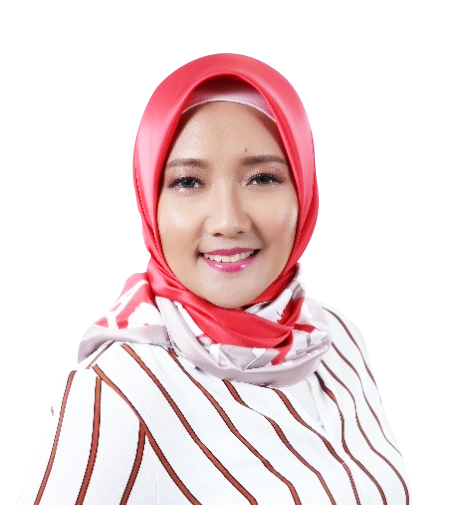
Saliza Abdullah; image courtesy of BG Capital Holdings
Saliza Abdullah; image courtesy of BG Capital Holdings

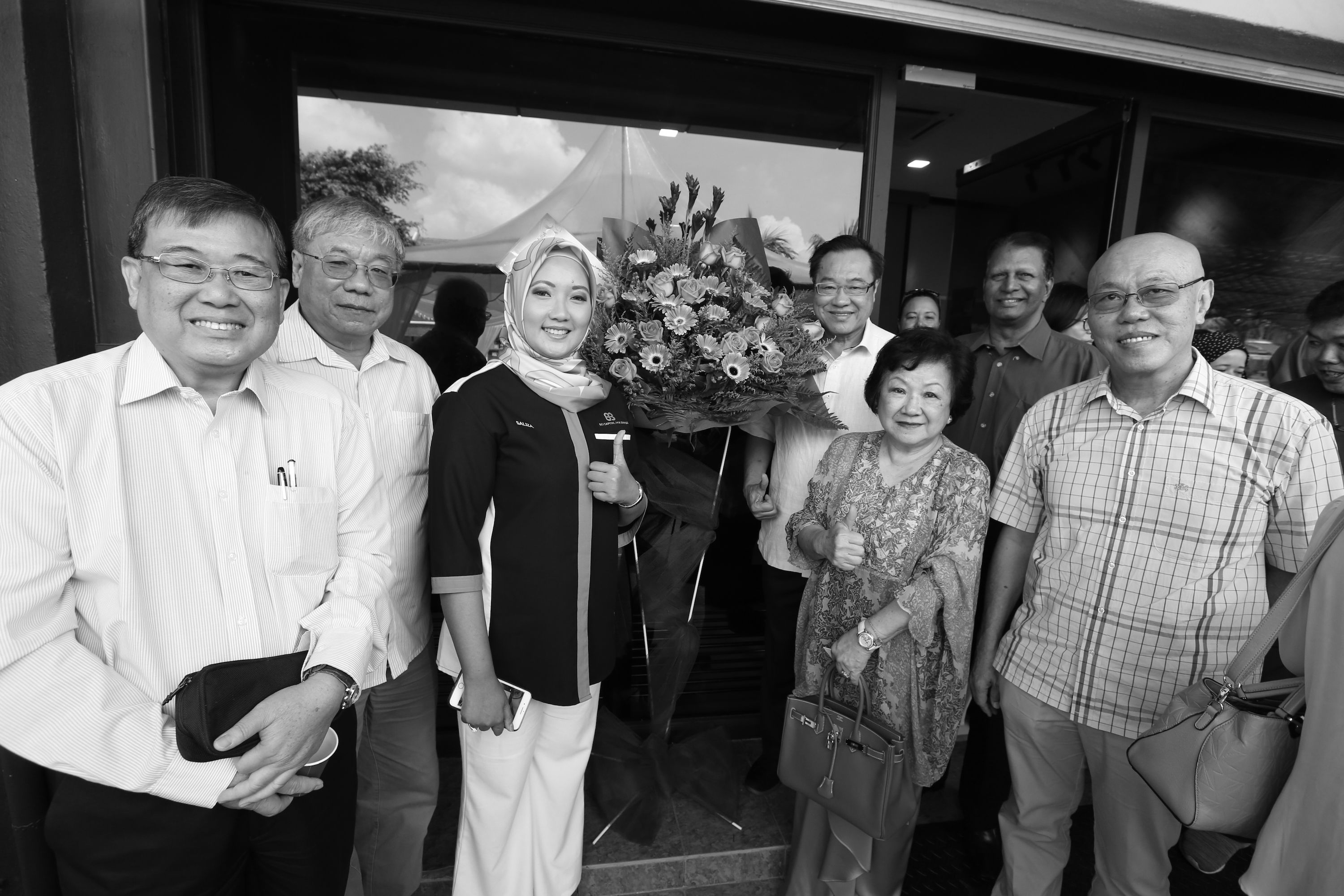

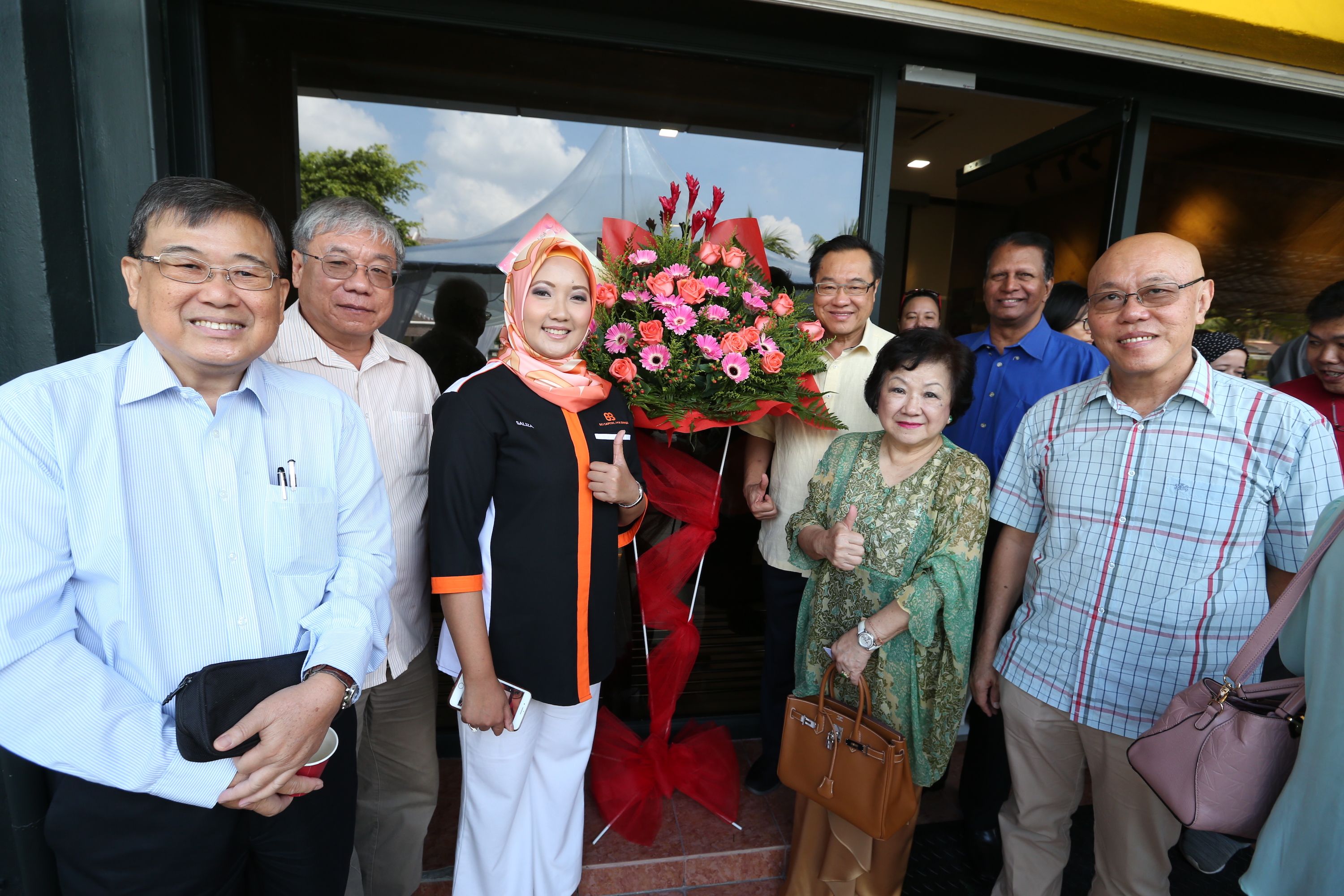



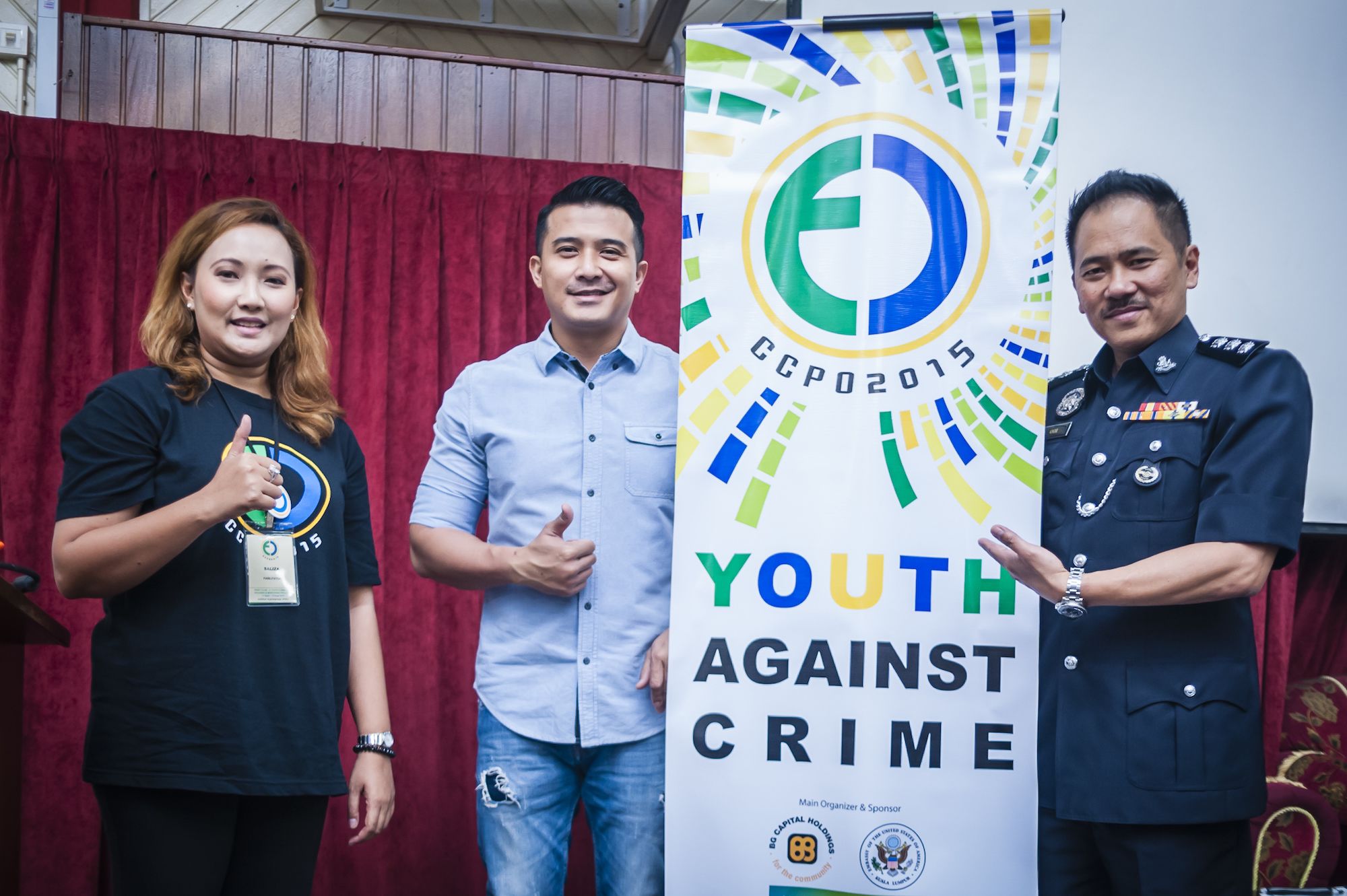
Saliza at Friends of the Community (FC) youth community policing programme launched by Ybhg Dato’ Sri Dr Haji Irmohizam Ibrahim in 2015; image courtesy of BG Capital Holdings
Saliza at Friends of the Community (FC) youth community policing programme launched by Ybhg Dato’ Sri Dr Haji Irmohizam Ibrahim in 2015; image courtesy of BG Capital Holdings

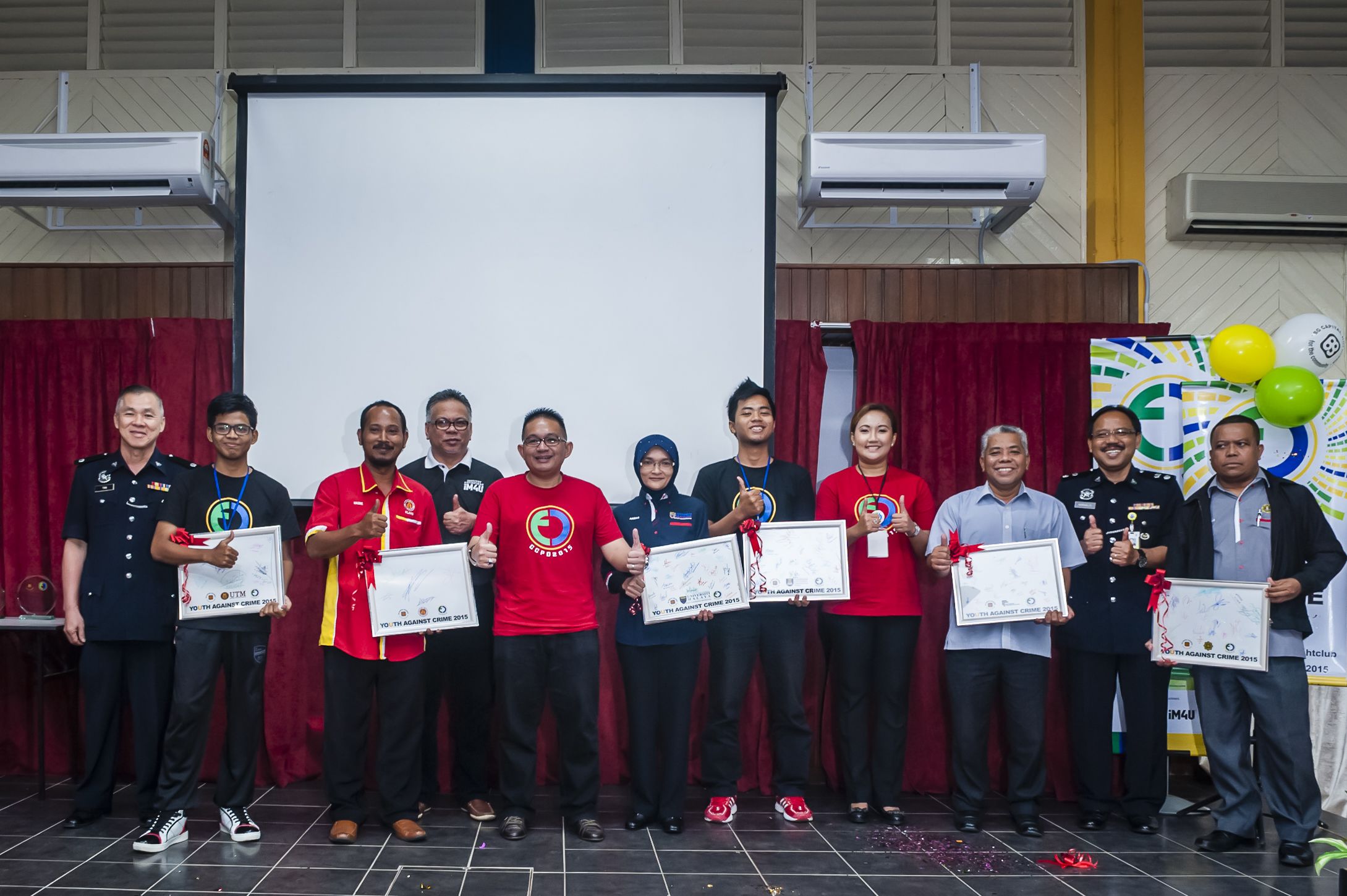
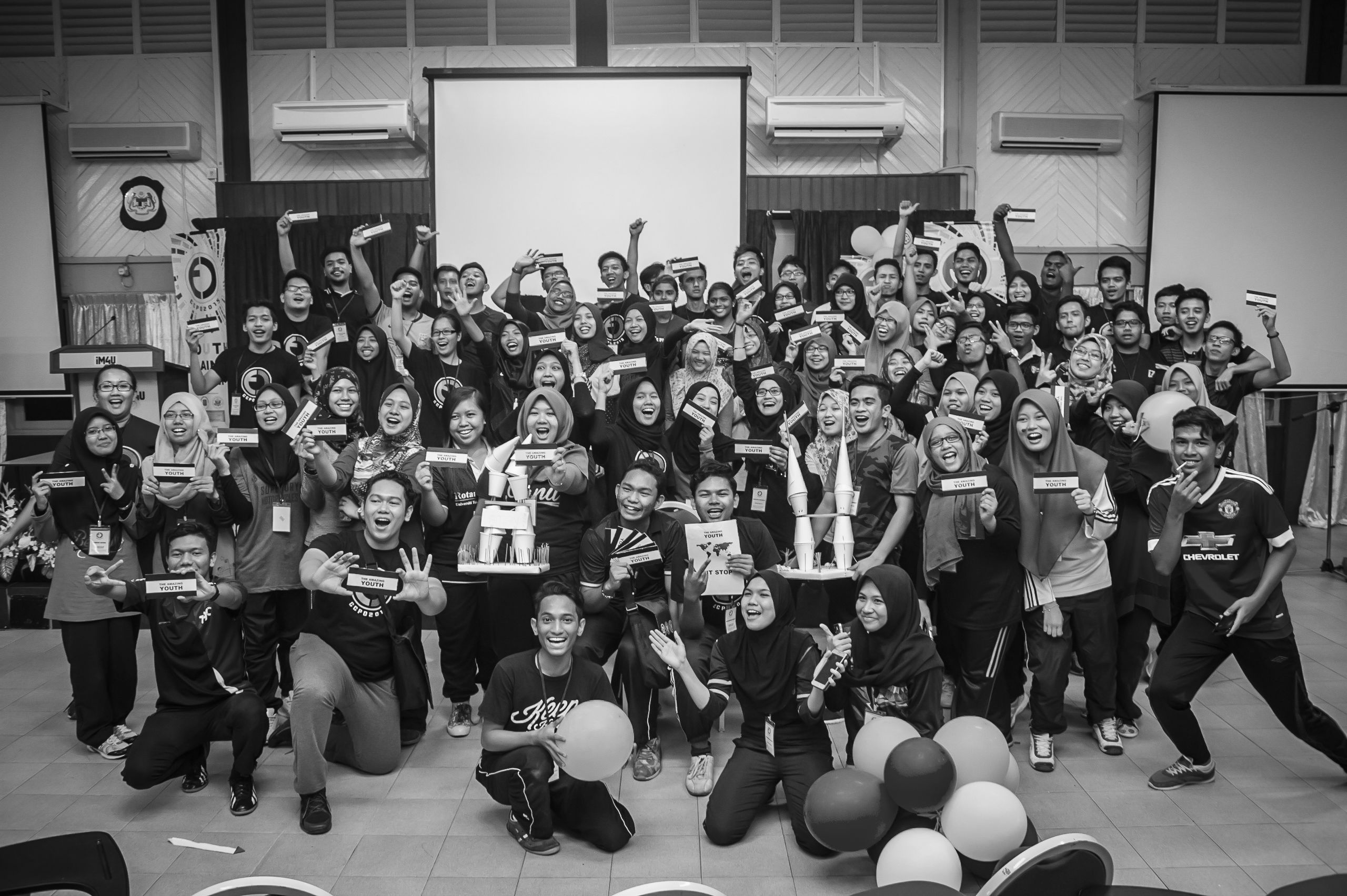
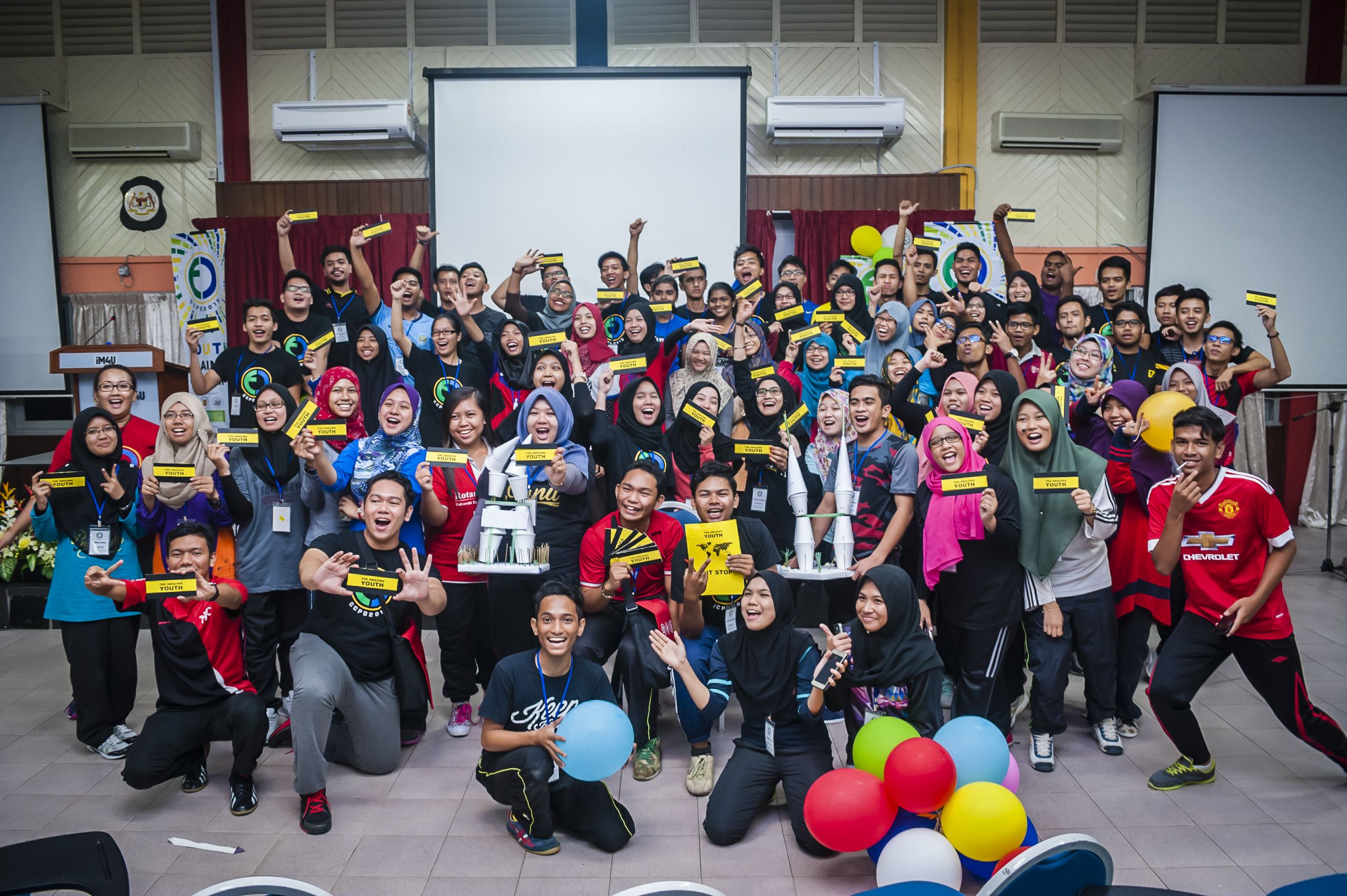
Friends of the Community (FC) youth community policing programme launched by Ybhg Dato’ Sri Dr Haji Irmohizam Ibrahim in 2015; image courtesy of BG Capital Holdings
Friends of the Community (FC) youth community policing programme launched by Ybhg Dato’ Sri Dr Haji Irmohizam Ibrahim in 2015; image courtesy of BG Capital Holdings
Did you have different career aspirations before joining the family business?
I’ve always been a very ambitious person, and I wanted to make sure my CV was strong enough to apply for a job in the corporate sector. That has always been my ambition — to work in the corporate sector with multinational companies. I studied very hard and made sure not to become complacent just because my family had a business that could become an opportunity for me after graduation. I pushed myself very hard and completed my electrical engineering degree at Purdue University in the United States.
My mother knew about my ambitions and always encouraged me, but she also needed somebody to help her with the family business. I realised it could not have been easy for her when she asked if I would join her and sacrifice the professional goals I had been pursuing, but I don’t see it negatively at all. My mother approached my two elder sisters first, but they weren’t interested in joining the family business, so it was completely fair that she would ask me.
In the end, the decision was mine, and mine alone. It may have been a bit of a sacrifice, but I see it as more of a commitment that I made and don’t ever regret making. And after working with my mother and seeing how supportive and open-minded she was to my ideas about the business — I can honestly say I would make that same decision all over again, without hesitation.

The most important thing was establishing a clear line — my mother was always my mother, I would always be her daughter and the business was the business — despite the differences of opinion that arose at the office.
- Saliza Abdullah


Listen to this interview on The Family Business Voice


Listen to this interview on The Family Business Voice

How did the relationship with your mother evolve when you took a role in the business?
My mother was not your typical entrepreneur. She ventured into business out of necessity. She had to provide for her family and was working through some obstacles in her personal life. She wanted to make sure there would be a bright future for her family; she wasn't just interested in making money. Consequently, her leadership style is atypical in the arena of entrepreneurs. She’s very timid, quiet, and keeps a low profile. I would classify her leadership style as motherly. She treated the staff just as she treated her children.
When I joined the business, I realised that I was going to be the more aggressive of the two of us. We developed a kind of a 'good cop, bad cop' dynamic in the business. Employees or contractors would seek her out because they felt she was a softer touch than I was. But we found that having two personalities that contrast in that particular way has real benefits. My mother would offer her support in many situations where I would be more inclined to challenge them. It created a complementary balance in the workplace. And although we had different leadership styles, my mother and I still shared the same goals of serving everyone in the company, which is key to making these contrasting approaches work.

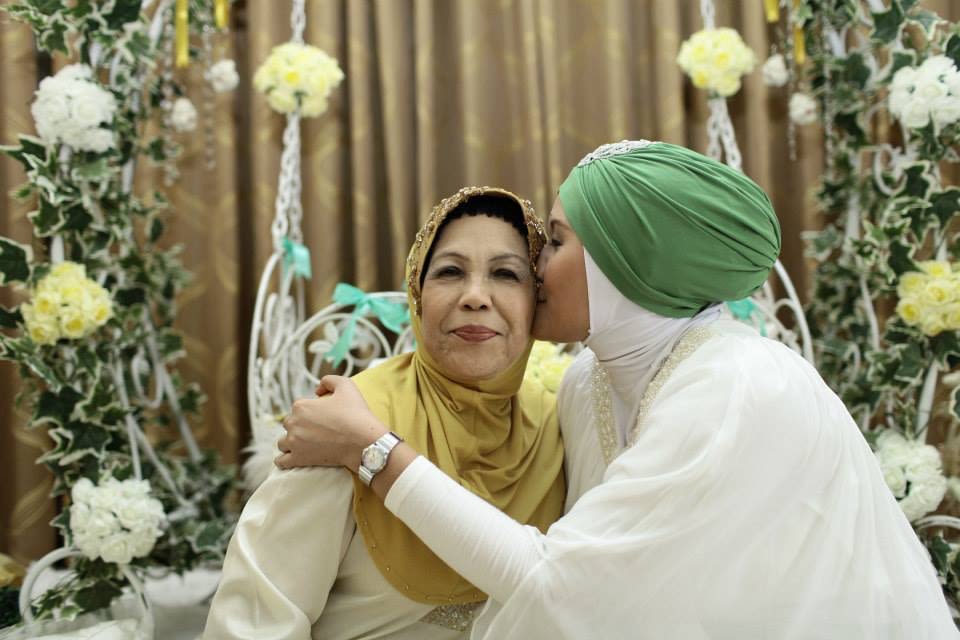
Saliza Abdullah and her mother at a family event in 2014; image courtesy of BG Capital Holdings
Saliza Abdullah and her mother at a family event in 2014; image courtesy of BG Capital Holdings
One obstacle that we faced, and I believe many business owners, especially in the second generation encounter, was addressing conflicts with each other at work.
I was used to telling my mother everything, but I couldn’t complain to her about issues I was having with the boss because she was the boss. I ultimately went to my mother-in-law or husband to vent and blow off steam. But the most important thing was establishing a clear line — my mother was always my mother, I would always be her daughter and the business was the business — despite the differences of opinion or conflict that arose at the office. Drawing that line was an important step.
Has the security industry in Malaysia gone through many changes since you entered it, particularly concerning the involvement of women?
I joined the business in 2001, and it was a very labour intensive profession at the time with little to no integration of technology or surveillance applications. Even the use of CCTV was extremely rare.
The personnel in the industry were not well educated and tended to be middle-aged or much older. It was a stop-gap of sorts; security usually wasn’t their first profession. This meant challenges would arise when trying to meet the expectations of these individuals who were not always well equipped to tackle the physical demands of the job. Technology and talent in the security industry have changed drastically since then.
Also, the amount of security companies has tripled in recent years from around 300 between 1990–2001 to over 900 today. Today, the industry is now governed by the Ministry of Home Affairs who vet the companies seeking to enter the industry through a stringent process. There is also the Malaysia Industry Security Association, the only association recognised by the ministry to help them liaise with all the country’s industry players.
Although there has been some progress with the role women play in the security industry, it is still overwhelmingly dominated by men. Less than 2 per cent of security companies are owned or run by women today. Consequently, to be a women-led company that has been able to sustain and scale up for the last 30 years feels remarkable to us.


Do you feel that you and your company’s considerable success has helped promote women in the industry?
A very positive development in Malaysia occurred in 2010 when the Ministry of Women, Family, and Community Development established a blueprint through its National Women’s Development Policy aimed at promoting and empowering women. The policy encourages more proportional board membership, asking that companies include at least 30 per cent women at this critical decision-making level.
After serving as a committee member for several years in the association that governs the security industry, I was elected as Vice President in 2019, becoming the first woman ever to occupy that position in the association’s 40-year history — a real honour. In my capacity there, I work to encourage women, and not just business owners, but also women in the workforce, to join the security industry.
We’ve seen women board members in the industry increase from 10 per cent to 30 per cent during the past eight years since I was elected in 2014. There has been significant buy-in from the association who realises that diversity is necessary for the industry to prevail and remain sustainable in the long run.




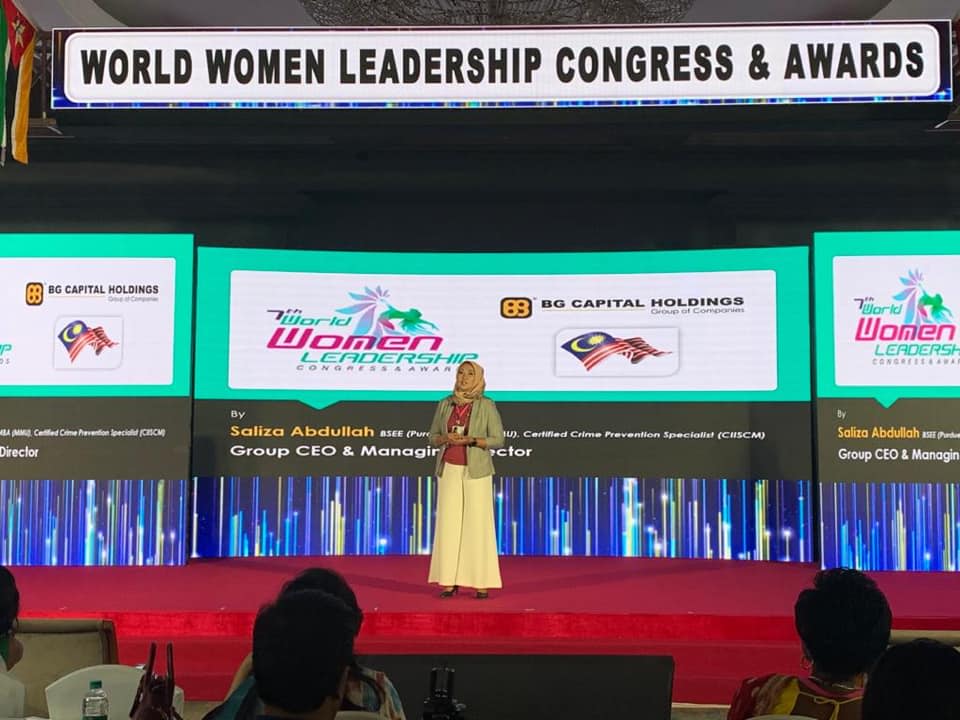
Saliza presenting at the 7th World Women Leadership Congress & Awards in Mumbai, India in 2020; image courtesy of BG Capital Holdings
Saliza Abdullah receiving the Outstanding ASEAN Women Entrepreneur Award presented by HRH Princess of Thailand in 2019; image courtesy of BG Capital Holdings
Do you think the evolution of the security sector in Malaysia will bring about better gender parity one day?
Definitely, because when you talk about security today, it’s not just physical security. If you look at the evolution of security, security systems, and security surveillance, it’s important to have people with skills, not muscles. It’s also about knowledge, and women are just as capable of possessing it as men.
For example, when we talk about the integration of trained security personnel with high-tech security surveillance or systems, we’re talking about AI, drones, facial recognition, and robots. Many years ago, it made sense to have a physically larger man in place to safeguard a location, but with today’s integration of technologies, we’ve moved well beyond that.
Women can operate drones just as well as men. A woman can monitor situations over CCTV from a control room on site just as a man could. Women also understand the work-life demands, balance, and flexibility required to work the long, irregular hours the security industry requires. Millennials, in particular, represent the future of the industry and are quick to adapt to it — men and women alike. We learned that firsthand during the COVID crisis and subsequent lockdowns. Even more integration of technology is where we are heading.

It’s common for individuals to have their ambitions, but they also must realise what it means to continue the family legacy.
It’s not just about profit-making; it’s about values, love, and sacrifice.
- Saliza Abdullah


BG Capital Holdings’ 30th anniversary is a remarkable milestone. What do you see in store for the next 30 years?
My mother and founder of the business passed away in 2016. She only had daughters and transferred her shares to us before her death, based on our individual involvement with the company. Appointing a successor and securing the business for the future was very important to her. That’s why in conjunction with our 30th anniversary, I’ve written a book to chronicle our journey of growing a sustainable family business.
Much of the book’s focus is on values, strategies, and building relationships. I believe successors, or the business’s next generation of family members, need to understand their responsibility. It’s common for individuals to have their ambitions, but they also must realise what it means to continue the family legacy. It’s not just about profit-making; it’s about values, love, and sacrifice.
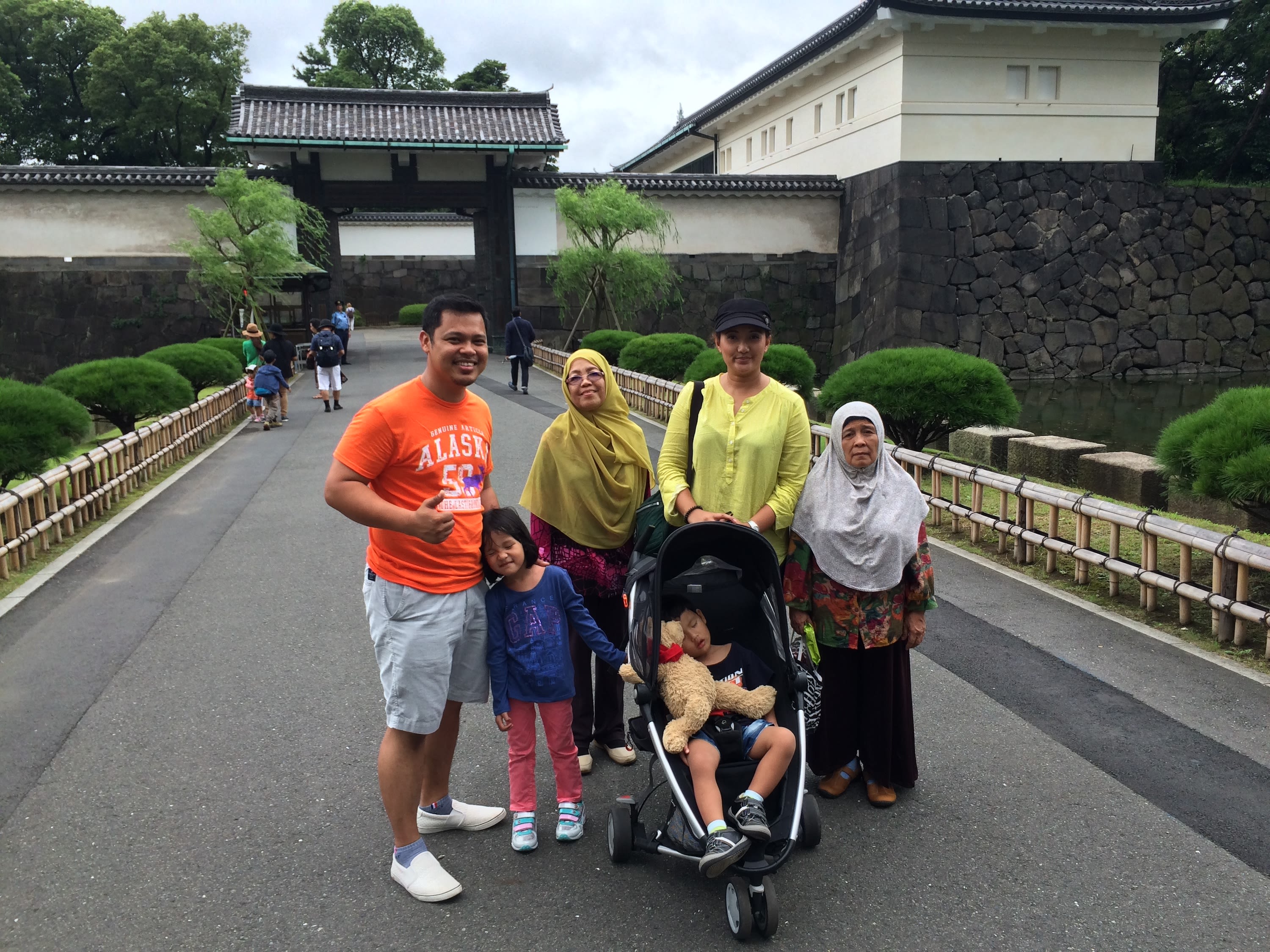
The Abdullah family on a trip to Tokyo, Japan in 2016; image courtesy of BG Capital Holdings
The Abdullah family on a trip to Tokyo, Japan in 2016; image courtesy of BG Capital Holdings
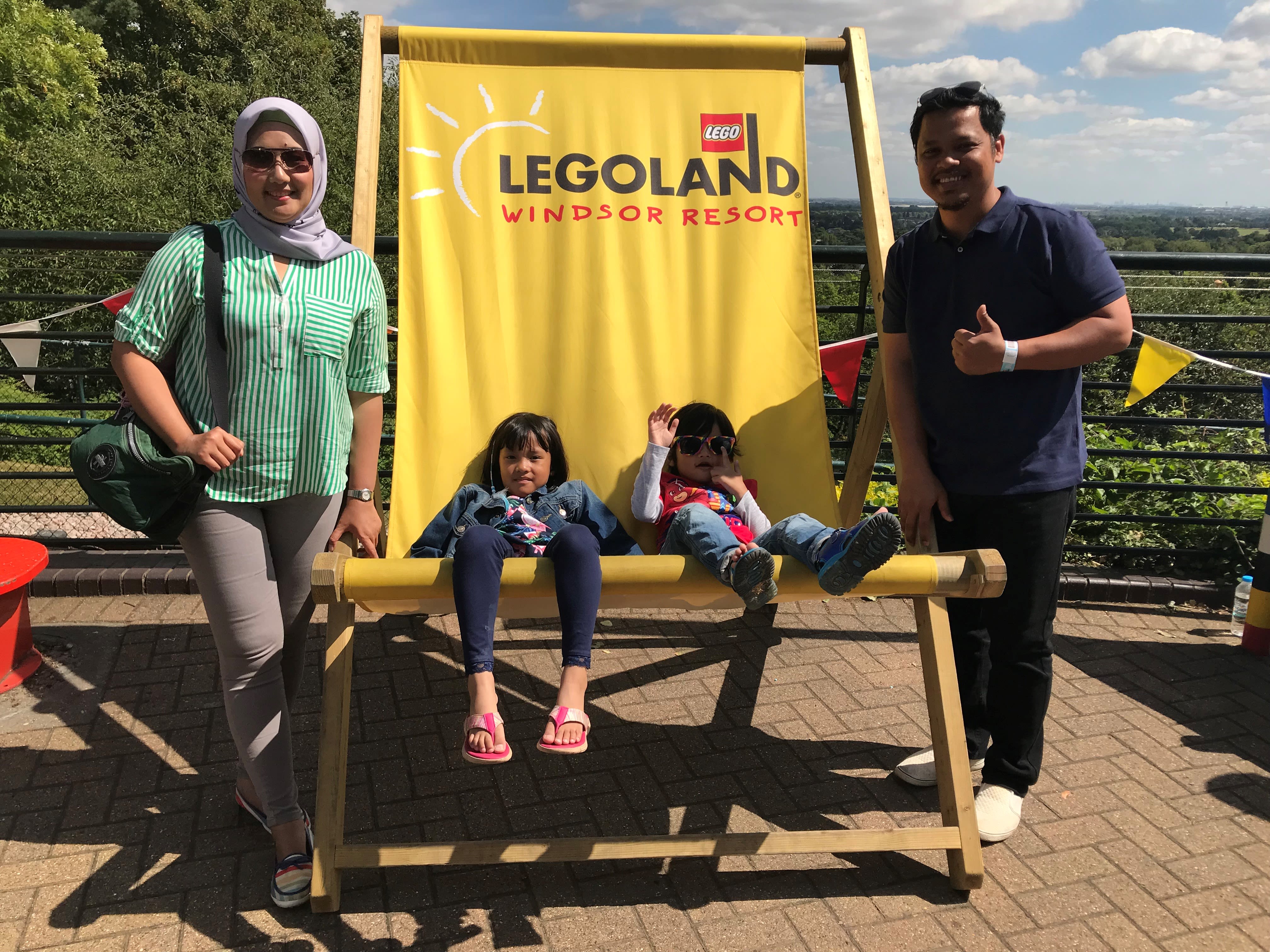
Saliza and her family in England, 2018; image courtesy of BG Capital Holdings
Saliza and her family in England, 2018; image courtesy of BG Capital Holdings
We’re charting the next 30 years with the same foundational tenets that allowed us to grow and prosper over the last 30 years.
My niece expressed an interest in joining the business when she graduated university three years ago, but as is our family’s succession strategy, we encouraged her to gain knowledge outside of the business while I personally mentor her and expose her to what we do. She’s currently a shareholder and business director with our organisation. It’s very nice to have her on board.
Although she’s not directly involved in day-to-day operations in the family business, she’s already started to understand what it means to be in the family business. That understanding is the key to our future.


 Built with Shorthand