
Wheels of Change:
The Crave Family’s Journey from Dairy Farming to
Cheese Mastery
Interview with Mark Crave,
General Manager and Operating Partner of
Crave Brothers Farmstead Cheese, USA

Wheels of Change:
The Crave Family’s Journey from Dairy Farming to
Cheese Mastery
Interview with Mark Crave,
General Manager and Operating Partner of
Crave Brothers Farmstead Cheese, USA


For farmers, nature sets the stage for perpetual change, demanding unwavering adaptability and creative problem-solving. For the Crave brothers, who were raised on their family’s dairy farm in Wisconsin – “America’s Dairyland” – this was instilled early on.
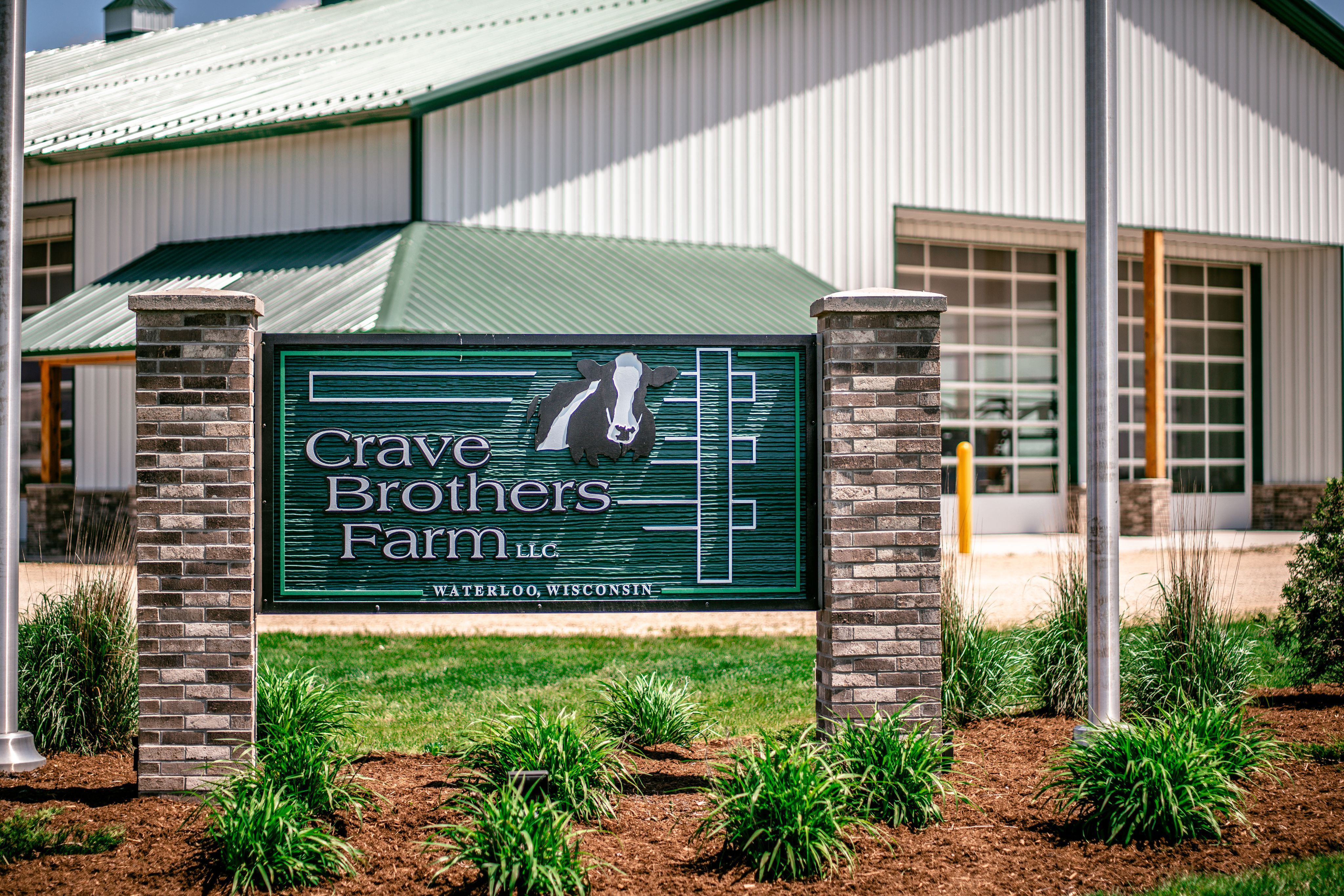
They saw firsthand how industry consolidation was changing and reshaping the dairy trade in the 1990s and threatening the survival of their traditional family farm. In response, the Crave siblings leaned heavily into what they knew – building a thriving agribusiness that would provide the equity needed for their next bold move. This came in 2002 with the launch of Crave Brothers Farmstead Cheese in Waterloo, Wisconsin, marking the family’s first foray into cheese-making and forever changing the trajectory of their business.
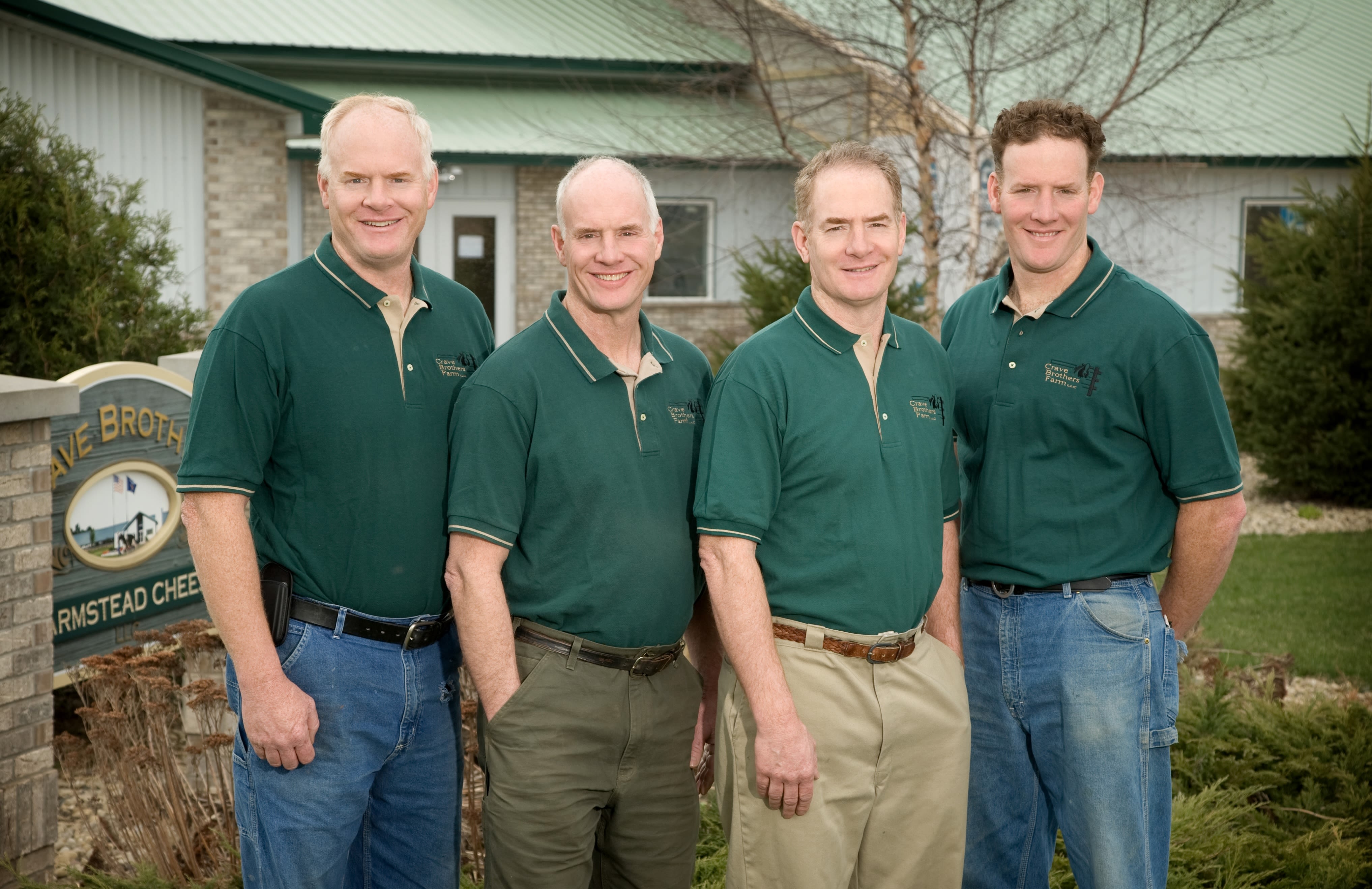
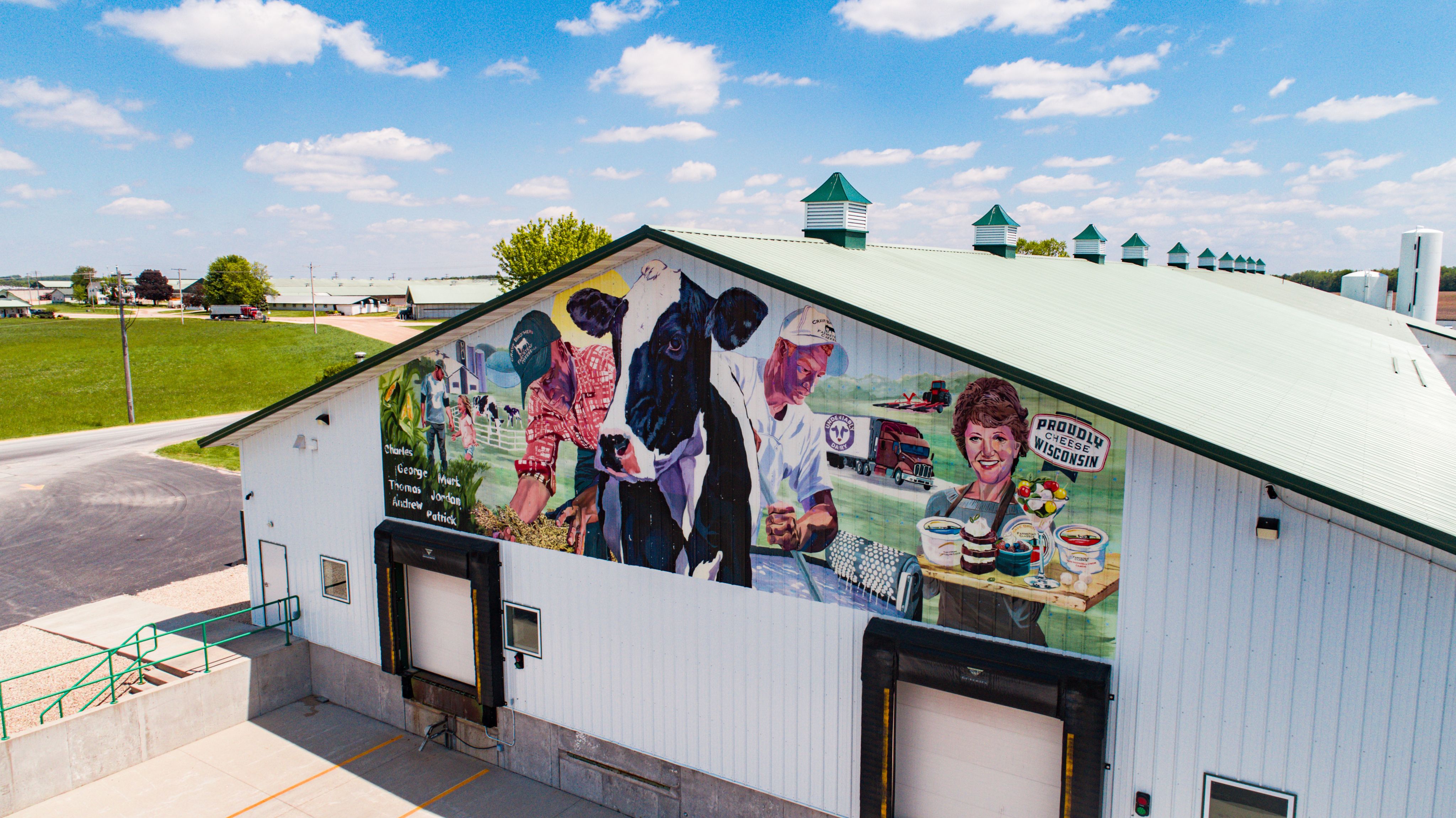
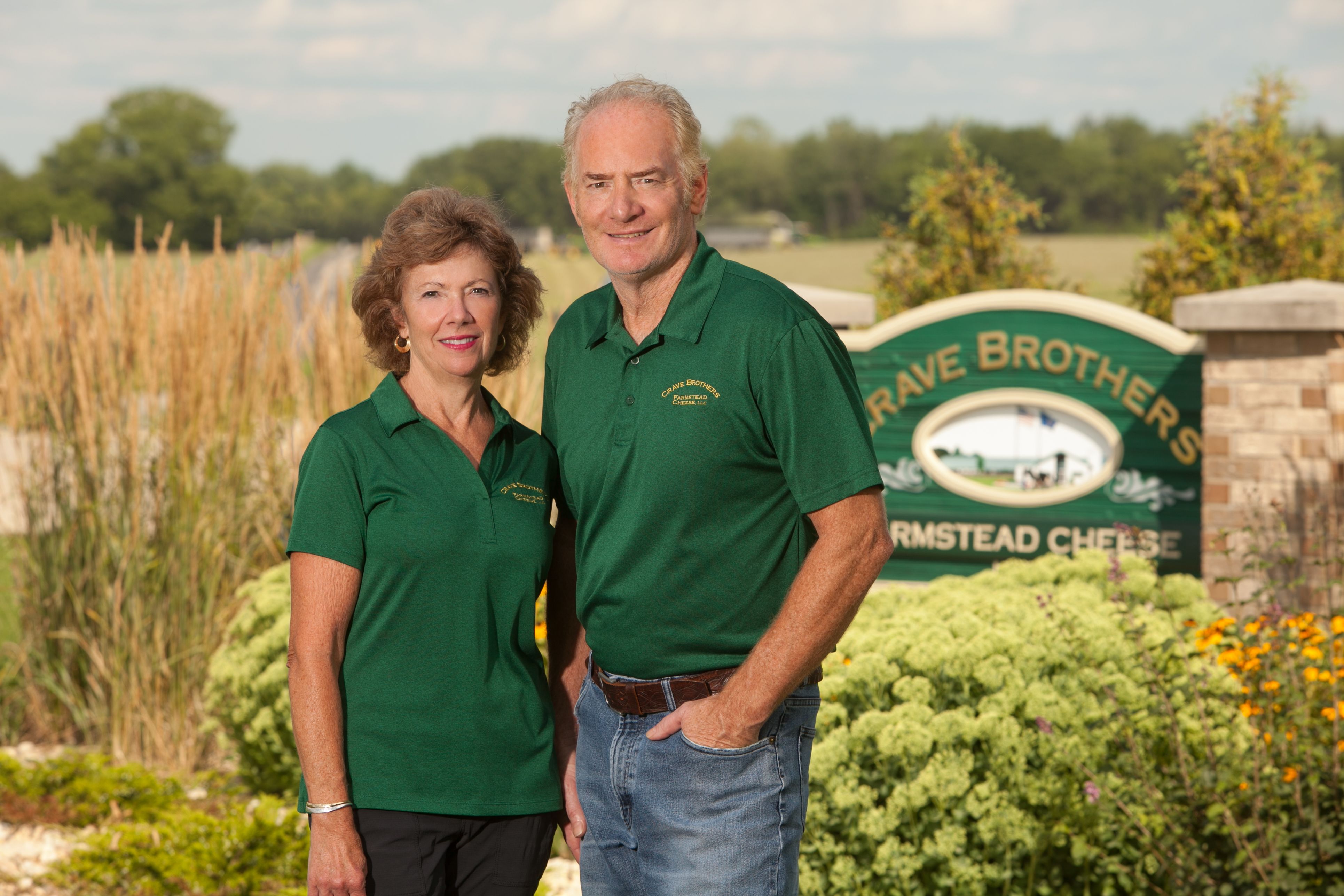
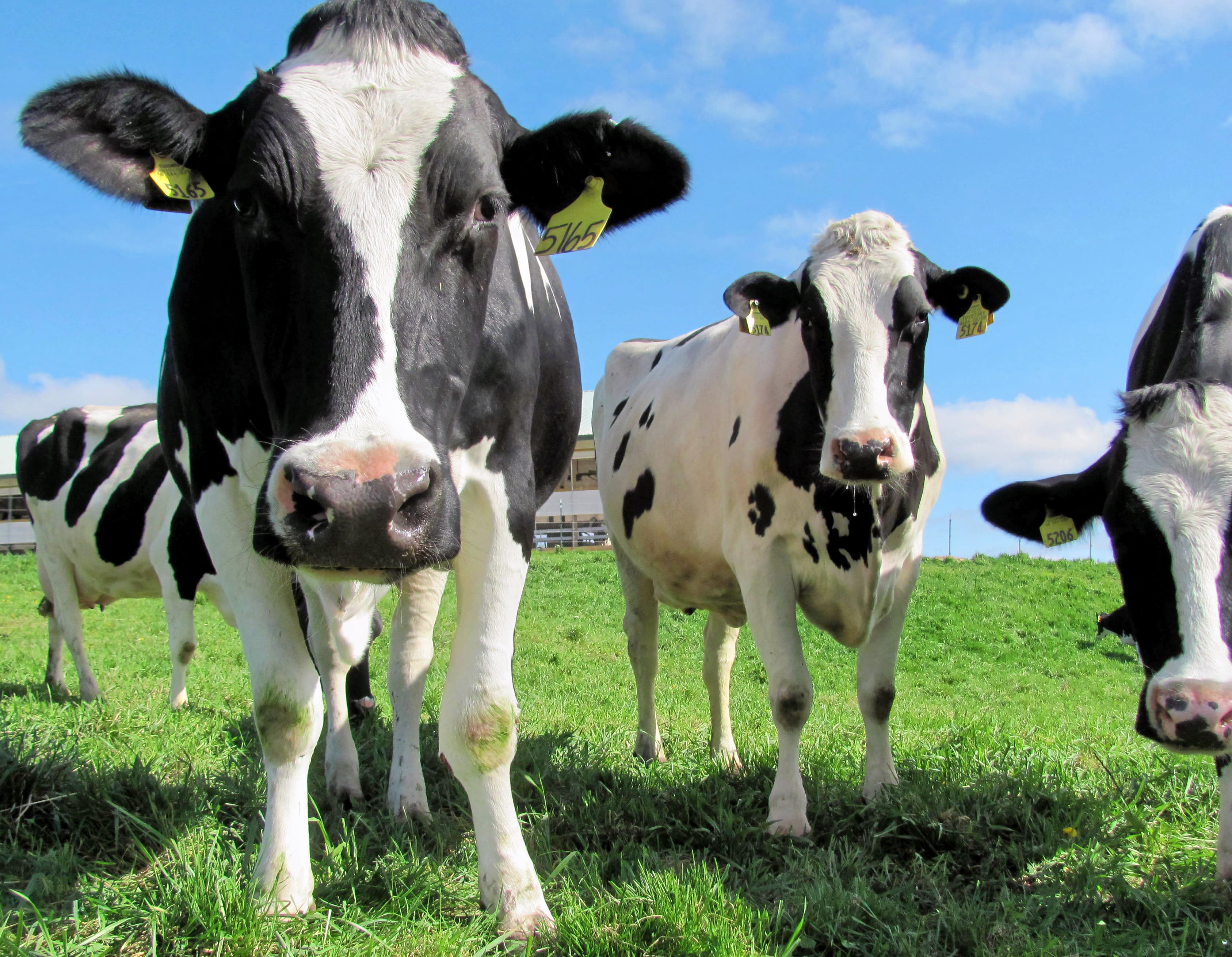
Today, 24 years later, the Crave legacy has flourished. What began on their parents’ modest 40-cow farm now operates as a thriving dairy that produces a variety of artisanal cheeses using sustainable methods and fresh milk from over 2,000 happy dairy cows. Currently, 10 family members work in the business, including founders Charlie, Tom, Mark, and Crave’s former President, George, and his wife Debbie, who both serve as Brand Ambassadors. As General Manager and Operating Partner, Mark continues to drive innovation while honouring time-tested traditions. Roseanne Crave heads up sales and marketing while Beth Crave directs quality and customer service, and Brian Crave is a licensed cheesemaker on the factory side of the business. Two other owners, Andy and Patrick, work on the farm side.
What was the primary motivation behind your family’s shift from dairy farming to cheese making?
Our farm is in Wisconsin – a state with the highest number of dairy farms in the US and the nation’s second-largest milk producer. We grew up on a small, traditional dairy farm – one of around 40,000 in the state. Today, there are fewer than 6,000 dairy farms in Wisconsin – a dramatic consolidation that didn’t escape the notice of my older brothers.
They realised that if we were to remain in agriculture, we needed to rethink the family farm model. After graduating college, my two older brothers, Charles and George, saw an opportunity to rent a farm for dairy production. They invested in cattle and equipment and started building equity. Three years later, they moved to our current farm, joined by our brother Thomas. Since then, we have grown from 70 cows to 2,200, and our herd now totals around 3,700, from newborn calves to mature cows. For the first 20 years of the business, our focus was solely on dairy farming.
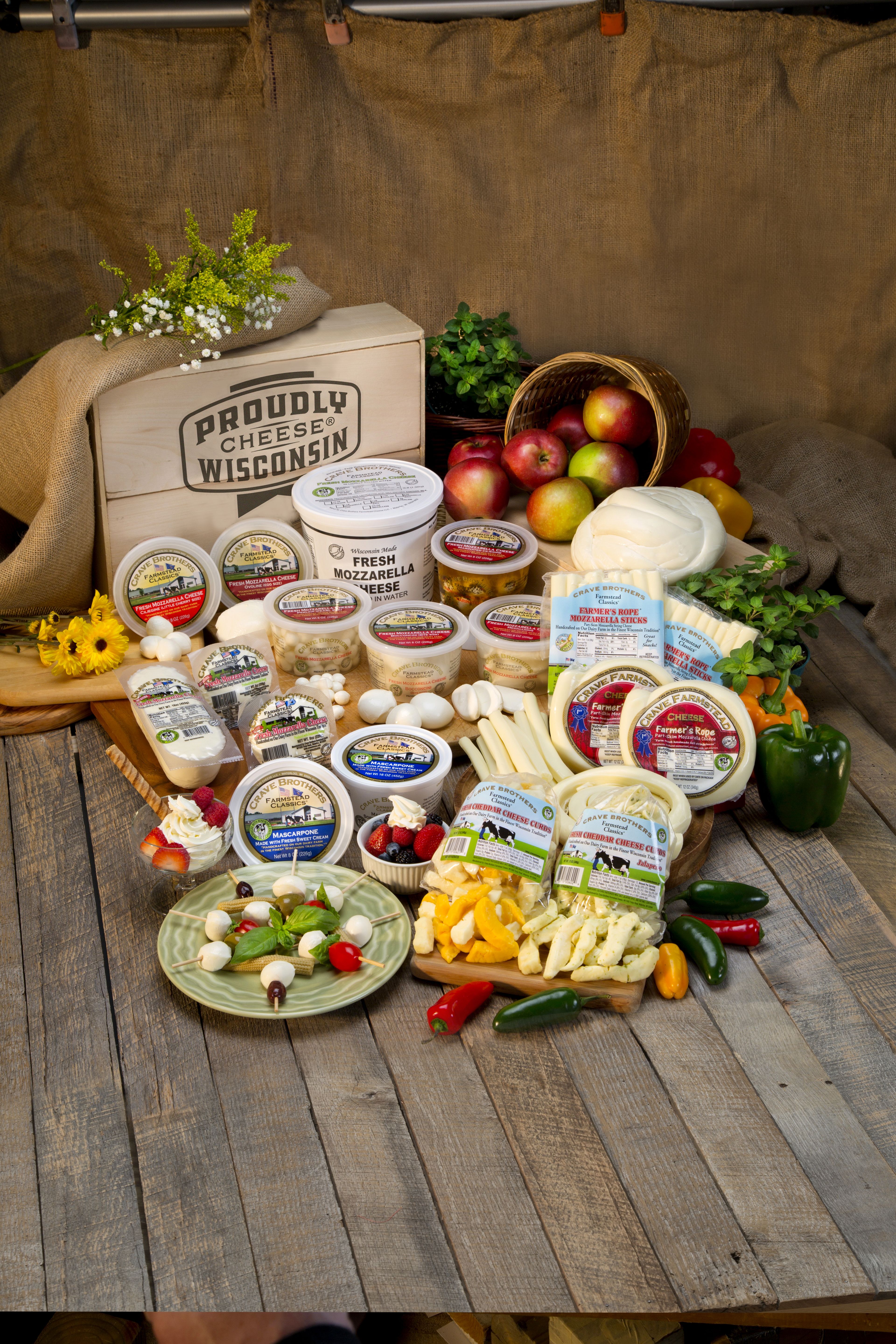
Then, in 2000, there was a pivotal shift. We realised that milk was rapidly becoming a commodity subject to volatile market forces. Ultimately, we had a significant level of investment in a product that we couldn’t guarantee would generate the profit we needed, and that felt risky to us. At the same time, we could see a change in consumer trends in the US – more people were gravitating toward premium products and unique experiences. Given that Wisconsin is also renowned as America’s cheese state, it seemed a natural step to develop our own cheese business. So, in 2002, we began our journey into cheese-making.

"Every day, we asked ourselves, “Who do I need to be today to make the business a success?”"

How did your vertical integration in the market change your views of doing business and what it takes to become successful?
A lot of credit goes to my parents, who were continuously learning about their trade. My mom was an educator and my dad was always on the lookout for ways to enhance the farm, so they frequently had deep discussions and brainstorming sessions on how they could improve efficiency and leverage what other successful people were doing. Their curiosity and willingness to explore new ideas became a core value that we all embraced and used throughout our careers.
In the early days, we had little capital, so we built much of the farm’s infrastructure ourselves – pouring concrete, welding steel, and building barns. When we acquired our cheese factory, we suddenly found ourselves navigating an entirely new industry – and to be honest, if I had known then what I know now, I might have found it overwhelming.
I have to acknowledge my brothers for their sheer determination. I also have to commend my sister-in-law, Debbie, and my brother, George, who spearheaded the development and growth of our cheese business during its first two decades. They adopted an approach to learning that led to the advancement of the business, diving head-first into the world of cheese-making by attending trade shows and adopting a cheese-maker’s mindset. They even managed to convince bankers that four brothers who owned a growing dairy farm could successfully expand into a new industry and start making value-added products right on their property.
Ultimately, I think a big part of what made that undertaking work was strong communication – between each other as well as the people we were working with – adaptability, and a shared commitment to growth. Every day, we asked ourselves, “Who do I need to be today to make the business a success?” This question has driven our evolution and remains at the heart of our approach to business.

With your process of continuous learning and strong communication, how did you and your three brothers address decision-making?
I’m not saying our approach will work for everyone, but we made communal decisions for big-picture and capital-intensive things. With limited capital at the outset, it was important to collaborate on how we deployed every dollar. We made investment decisions together, always aligning on our mutual vision for the business. Sometimes, those decisions were the easiest to make because we only had so much to spend, and once it was committed, we were all on board. There was no room for second-guessing – failure simply wasn’t an option.
Of course, being brothers means our discussions could get heated at times – we had plenty of interactions that we wouldn’t dare have with non-family members. Yet that passion and energy is part of who we are. And whether we were investing in a new cheese factory or managing day-to-day operations, maintaining a unified front was essential to our success.


Interview with Mark Crave, Tharawat Magazine and The Family Business Voice
Interview with Mark Crave, Tharawat Magazine and The Family Business Voice
It was important for you and your brothers to share a vision and work in lockstep while building the business. Were there opportunities where you could make an individual mark on the operation?
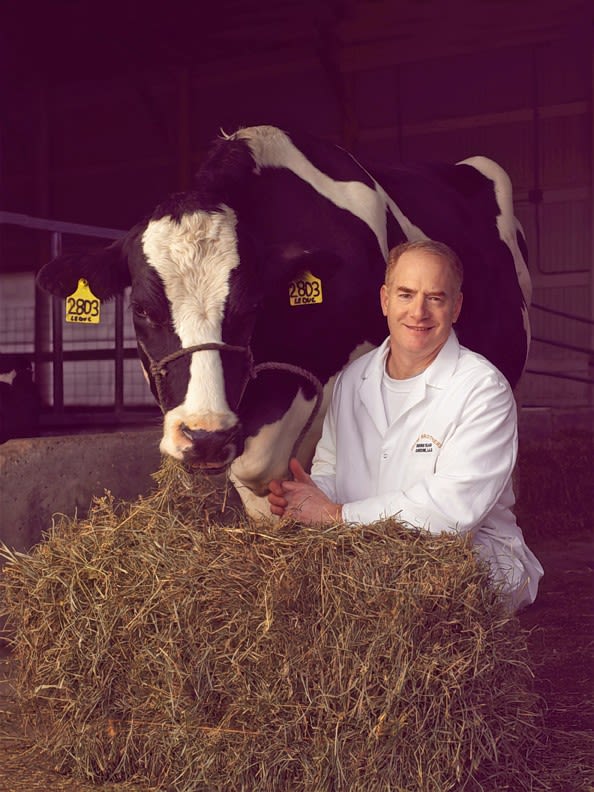
I’m the youngest of seven children by several years, and growing up, I was fortunate to have tremendous role models in my brothers and sisters. By the time I graduated from university and joined my brothers on the farm, they had already carved out well-defined roles in the business. My opportunity to make an individual mark came through refining our communication and administrative processes – providing a fresh perspective that proved invaluable as the company expanded.
Adaptability is also key. At one time, my title was Herd Manager, but I also oversaw our team, which started with just a few neighbours and local high school kids and has now grown to 90 full-time staff. I believe it’s an example of how growth can present opportunities for family members to work in different capacities, especially when the business needs a specific role filled.

After establishing your working relationships and roles, how does a new generation impact the operation?
We consider our father and the farm we grew up on as “Gen One”. However, since my brothers and I were the first to launch the cheese-making business, the generational line isn’t strictly linear. However, we think of the next generation as “Gen Three” – there are five of them, along with others who joined the business 30 years ago. Every generation is different and brings its own unique approach, yet we uphold one constant: every member of our family must get some formal education in our trade and work experience outside the family business before joining us full-time. We find it helps when they’ve worked for a boss who isn’t their dad or their uncle – and it also allows them to develop different perspectives, which is invaluable.
In my case, when I joined, I was excited to innovate, yet I also recognised the deep-rooted traditions of the dairy industry and the wisdom my father and uncles had long practiced. It often felt like walking a tightrope, balancing bold new ideas with the proven methods of our past. I feel like every new generation might have similar goals and reservations when joining our business. In the end, it’s about finding balance. The next generation learns from the proven farming and cheese-making techniques of the previous generation and combines those skills with modern technology. That’s how we find the sweet spot as a family business.




Do you think your next generation will be confronted by a significant shift in the industry and changing consumer habits?
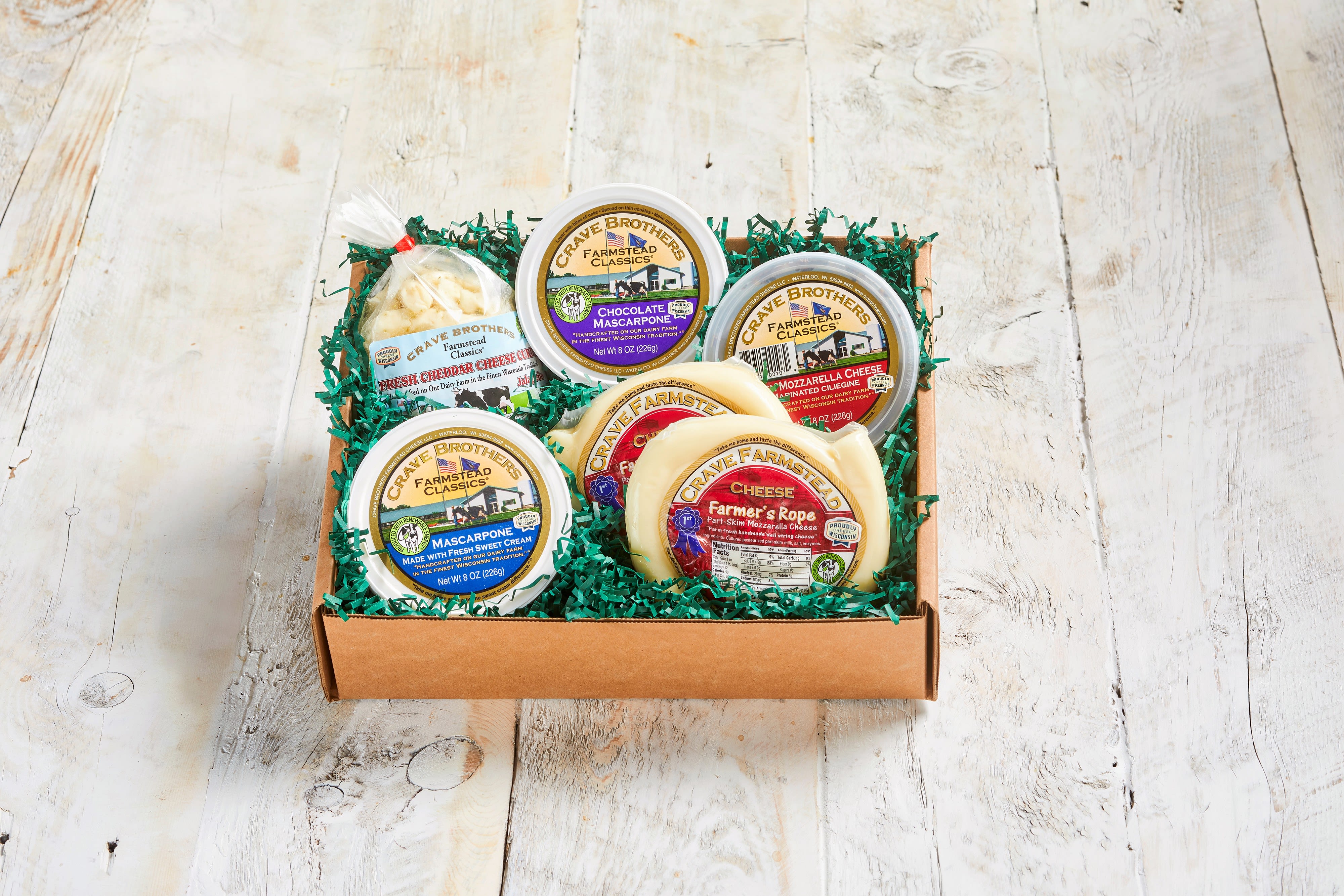
Challenges are inevitable as both our industry and we ourselves evolve. One striking realisation – and something that can be a genuine test of our business strategy – is that the 20-something-year-olds buying our cheese in an urban market live lifestyles that are completely different from those of local producers and cheese-makers here in rural Wisconsin. To stay connected with these consumers, we attend many national trade shows every year. They’re held in large urban markets, and we get to see the whole gamut of players in the industry, enabling us to have conversations with all kinds of people from the industry – buyers, restaurant chain owners, and distributorships – about what they’re looking for. These events, along with the market insights we gain from the Dairy Farmers of Wisconsin organisation, help us understand emerging consumer trends and social media influences.
As a small business, we can’t possibly keep up with the latest trends without drawing on those resources. Even so, it can still be very easy to get overwhelmed, but we invariably circle back to our roots and our core commitment: making great cheese. We use high-quality milk to make superior products, doing everything we can to ensure our customers enjoy them as much as possible. If we can keep doing that, we will keep this essential connection point with our customers.
At the same time, the push for progress poses its own challenges for a traditional family business like ours. We have frequent conversations about growth and how we achieve it while ensuring every decision aligns with our family values and vision. For example, if somebody in the room says we have to grow by X amount, and that will mean doing Y, somebody else might point out that doing Y doesn’t meet work with our established goals. Every objective needs to be measured against how we define our business and its market.
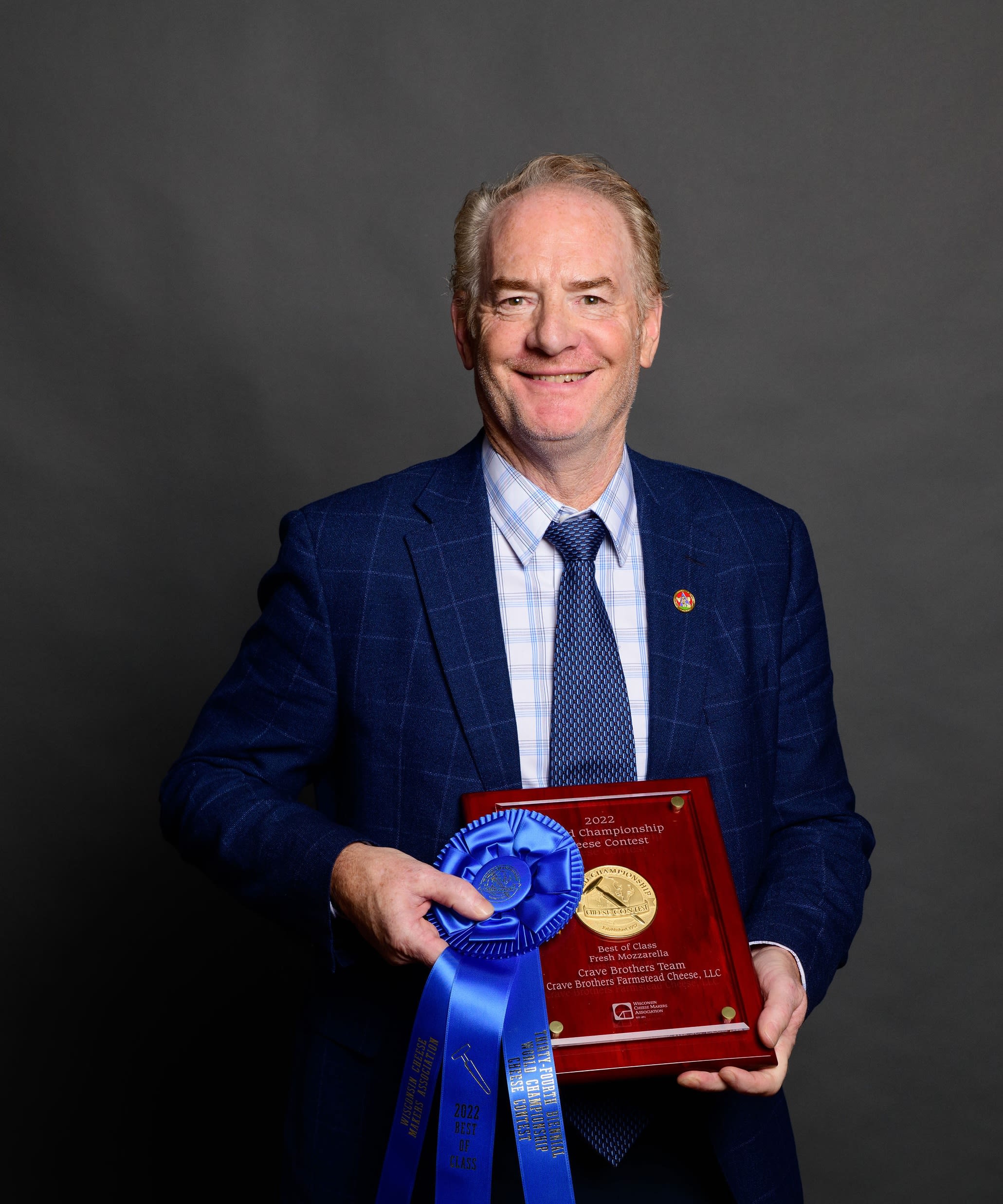
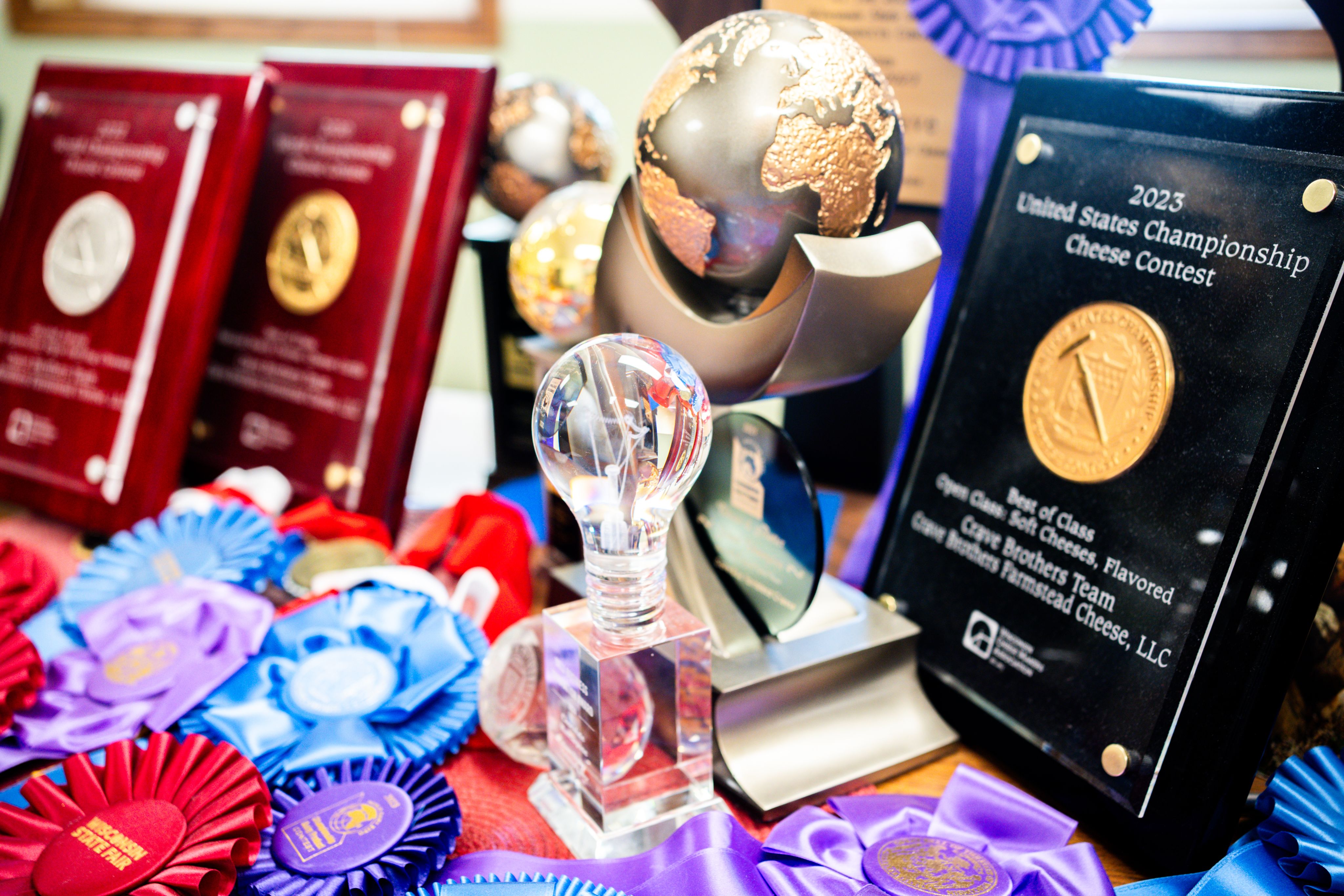
While we can’t please everyone or meet every demand, we recognise that we have to grow and expand. There are a lot of wonderful cheeses in Wisconsin, including over 600 styles of specialty cheese. In fact, if Wisconsin were a country, we’d be the fourth-largest cheese-producing country in the world. That presents tremendous opportunities for us, and we firmly believe that, by staying true to our model of producing award-winning, high-quality cheese, the next generation will successfully navigate the significant shifts in the industry as well as changing consumer habits.
"Being brothers means our discussions could get heated at times — we had plenty of interactions that we wouldn’t dare have with non-family members. Yet that passion and energy is part of who we are."
How does the growing sustainability movement impact your operation or its marketing?
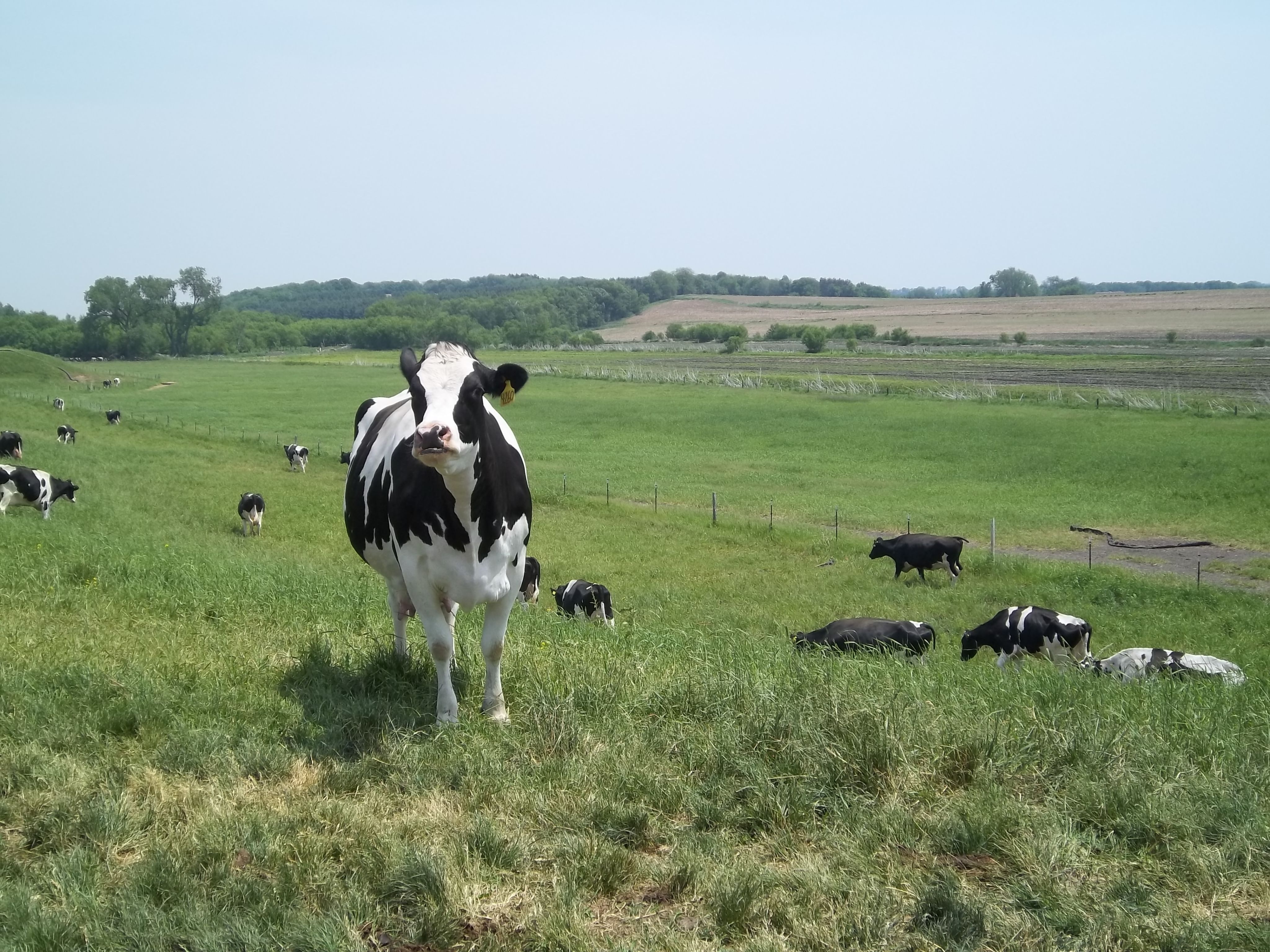
In recent years, the focus on environmental sustainability has intensified, with a growing spotlight on reducing carbon footprints. Our commitment to the environment runs deep, and we are genuine in our beliefs and actions that support its wellbeing. As farmers, we’ve been environmental stewards for generations, and we live where we produce our goods. We drink the same water, breathe the same air, and reside on the same land that forms the foundation of our business. For us, sustainability isn’t just a marketing ploy. It’s a way of life – our philosophy – and we’re 100 per cent genuine about it.
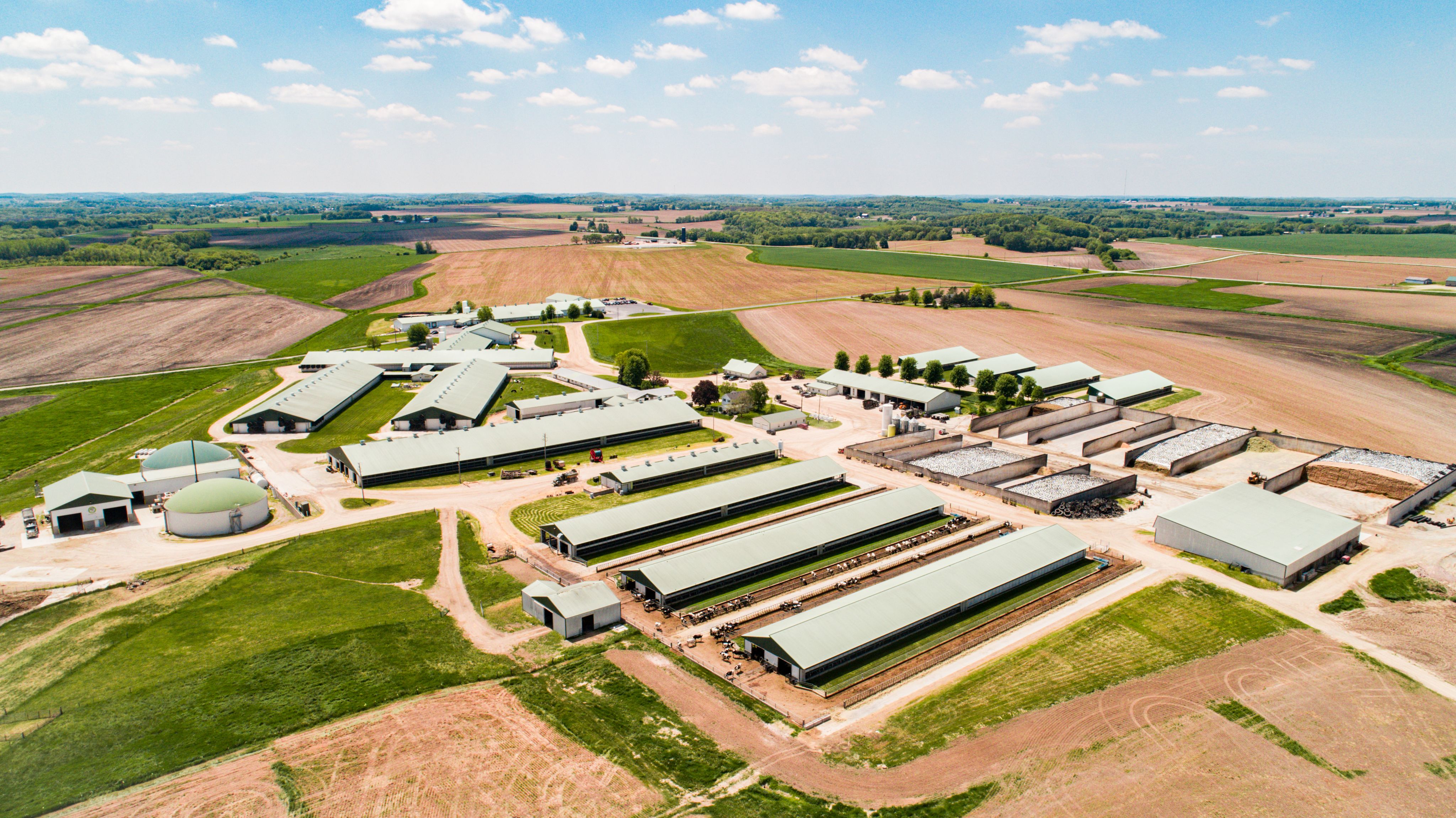
We’ve always tried to be very smart and efficient about our consumption, both for the sake of the environment and for our bottom line. We produce our milk on-site, grow and manufacture our animal feed locally, and locate our cheese production as close to the barns as we can. By pumping milk directly to our cheese factory, we reduce the number of trucks on the road. Additionally, we repurpose our waste to support the agriculture in our fields. We estimate that, due to our sustainability efforts, we save the equivalent of about 2,000 truckloads of product that would either be leaving or coming to our farm annually. However, while we’ve built many systems that are integrated into the beautiful puzzle that has become a functional business, it also means we must be careful our growth doesn’t throw off our equilibrium.

Interview with Mark Crave, Tharawat Magazine and The Family Business Voice
Interview with Mark Crave, Tharawat Magazine and The Family Business Voice
How do you approach risk management in the delicate ecosystem you've built, and what do you see as the biggest risks to your operation?
We focus on the near term – typically one to three years – rather than worrying about risks five, 10, or 20 years down the road. Right now, our biggest challenge is securing the right talent. Our operation isn’t highly automated; it’s labour-intensive, so we rely on dedicated people who can work in demanding conditions – whether it's working in sub-zero temperatures to feed and care for livestock and manage our mechanical systems.
Managing our capital is also critical, especially with inflation driving up the cost of building materials and other investments. And we’re always mindful of “black swan” events, such as the bird flu currently affecting US agriculture. Of course, we depend on Mother Nature herself to provide the rain that is essential for our crops. Ultimately, while we address our immediate needs, we also prepare the next generation to embrace every aspect of the business, knowing that being a lifelong farmer means accepting all the challenges that come with making great cheese and managing a complex, interconnected ecosystem.


"We’re not environmentalists because it’s trendy — we’re farmers. We’ve cared for the land for generations. We drink the same water, breathe the same air, and live on the land."




What mistakes have you made throughout this journey and what have they taught you?
There have been many opportunities to turn our mistakes into operational growth. We can only yield one crop a year, and a mistake in production might mean a full year goes by before we can correct it. On average, a farm only gets around 40 crops in its lifetime, so mistakes can sting. And you remember those bad crops – the year we tried a different method and it failed, or the year it didn't rain. But that also means we have to learn from them and carry that knowledge forward, streamlining and tweaking processes where necessary.
On the cheese-making side of the business, our challenges often came from not pairing the right talent with the right roles. We have subsequently learned that we can’t do everything ourselves and need to hire outside experts in certain situations. It can be a challenge for a small business that can’t support an entire HR department, an accounting department, or an R&D department – and in our drive to grow, it’s easy to overextend, only to be forced to take a step back and learn from our experiences. Fortunately, as stakeholders, none of us ever expect perfection. We hold everyone accountable and can be tough on each other at times, but ultimately, we all push forward in the same direction together, not against each other.
How do you see the future unfolding for your family business?
Our family business has enormous opportunities in front of it, all supported by our legacy, our location, our natural resources, our community, and our culture. I believe that the real challenge for us, and even more so for the next generation, is deciding which of these opportunities to pursue. It’s exciting to envision the possibilities, yet every new venture takes capital, talent, and energy – which can be daunting. Sticking with what we know might seem safe but, over time, that approach can lead to stagnation. Instead, we’ve continually re-envisioned our strategy and set clear, ambitious goals to keep us moving forward.
Now that I’m the Managing Partner, I find it both challenging and inspiring to look at the business through the eyes of the next generation. I remember being 25, with everything in front of me, filled with determination as my brothers and I worked tirelessly to get the business where it is today. I’m very much looking forward to how the next generation of leaders at Crave Brothers harnesses the opportunities and confronts the challenges ahead. And I’m excited to find out what they believe the business could be. While I certainly still have things I want to accomplish, I will inevitably step back someday. But before that time comes, I want to build a foundation for the next generation that will allow them to see the possibilities, develop a clear vision and roadmap, and take the business in whatever direction works best for them.
 Built with Shorthand