
Tavares de Melo
The Governance and Resilience of a
5th Generation Family Enterprise


Tavares de Melo was established in 1920 when Arthur Tavares de Melo acquired his sister’s shares in a sugar mill they inherited. In 1928, with his wife Helena’s oldest brother José Hardman, and her father, Samuel Hardman, they turned it into a sugar and alcohol plant.
Arthur and Helena had three older sons, followed by a daughter, and several years later by four more sons, who formed the second generation of the family business. The family is currently in its 5th generation with more than 170 members, and Tavares de Melo just celebrated its 100th year.

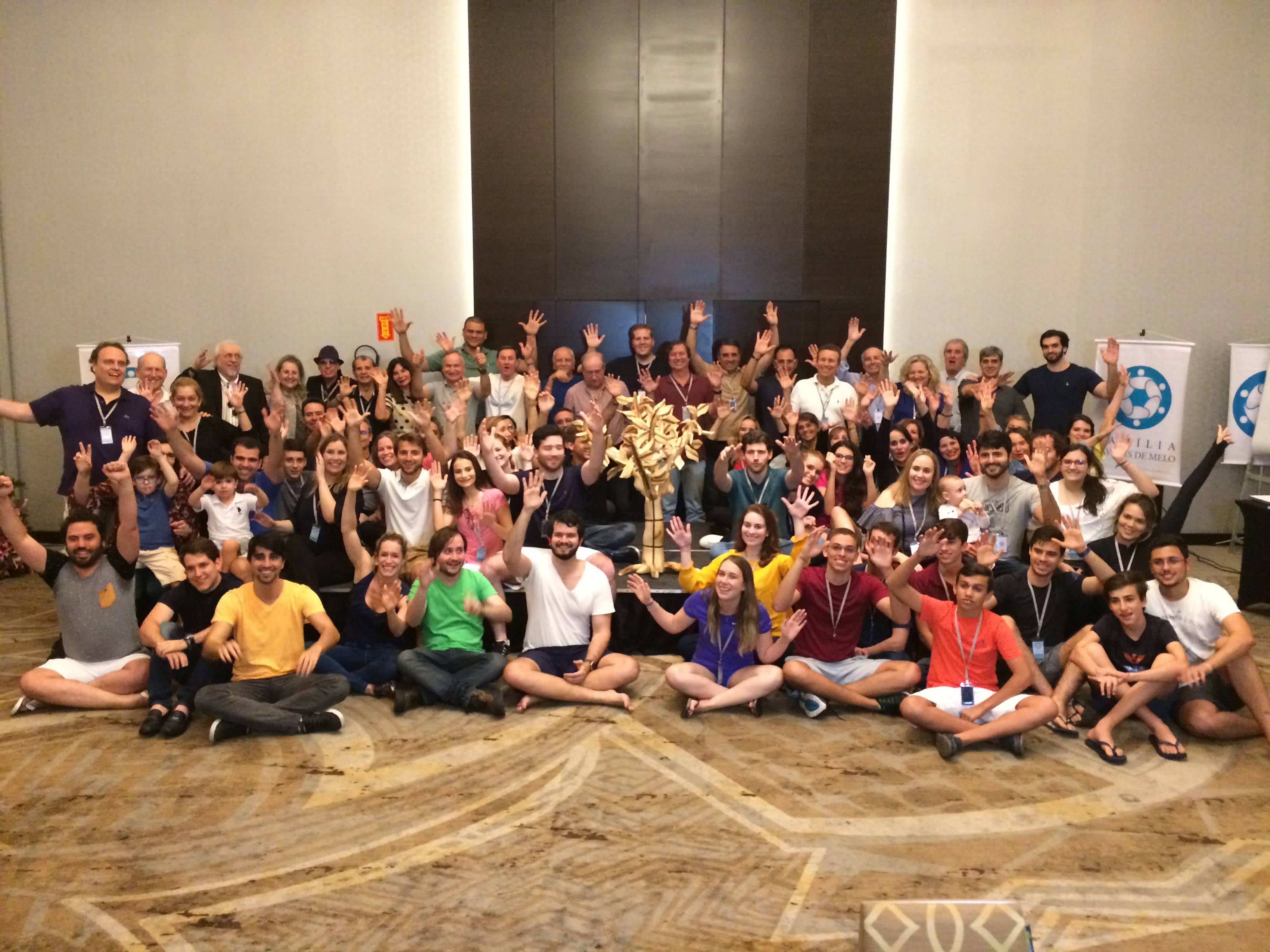
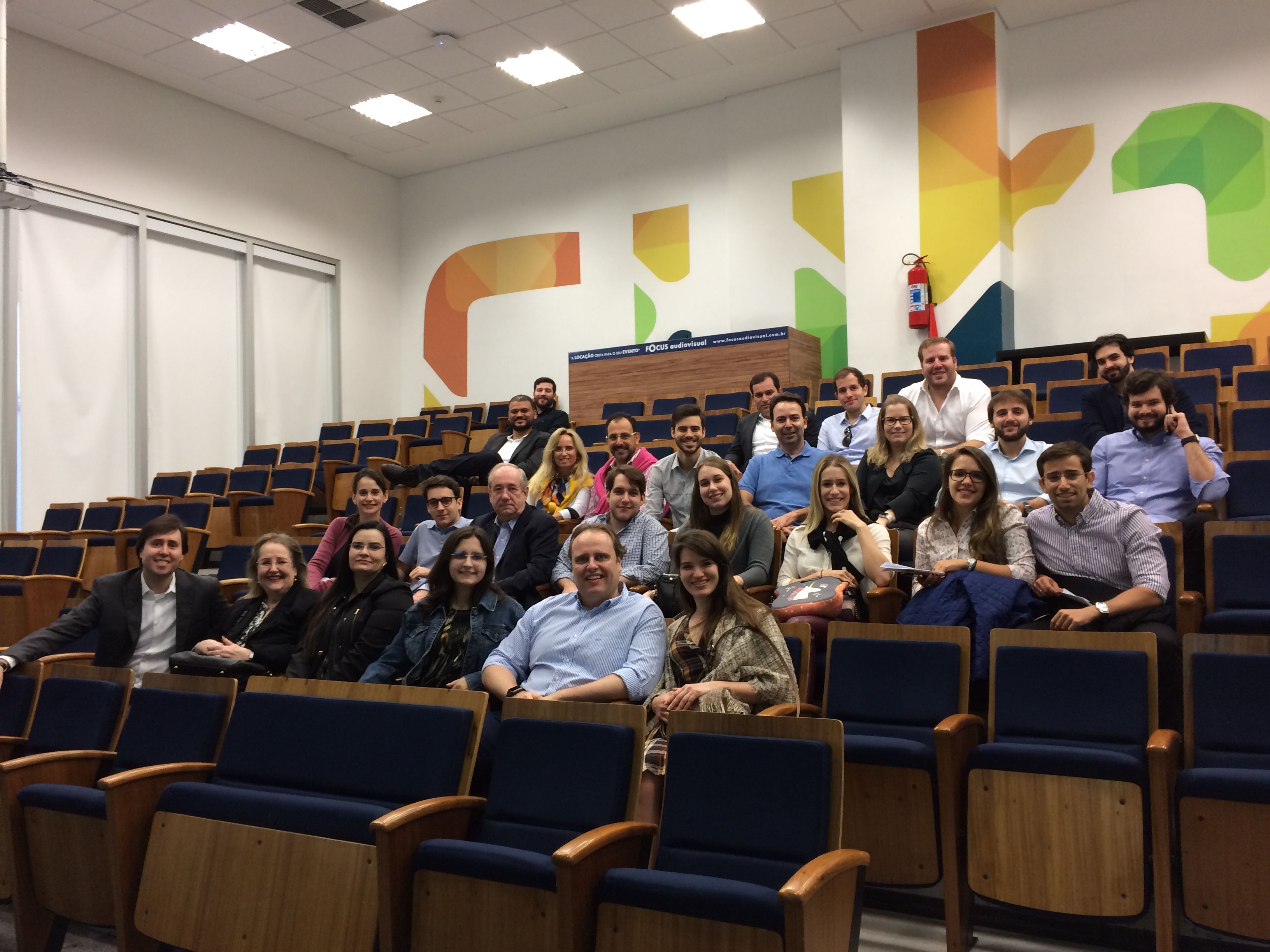
A family meeting in 2017; image courtesy of Tavares de Melo
A family meeting in 2017; image courtesy of Tavares de Melo
To understand their success we need to examine the narrative. Theirs is a story of generational transitions and a shared family culture that developed as each business challenge was met by an evolving family partnership based on the legacy of their founders, Arthur and Helena. Their values — the allegorical heart of this story — were brought to life and revitalised by each successive generation.
Tavares de Melo was established in 1920 when Arthur Tavares de Melo acquired his sister’s shares in a sugar mill they inherited. In 1928, with his wife Helena’s oldest brother José Hardman, and her father, Samuel Hardman, they turned it into a sugar and alcohol plant.
Arthur and Helena had three older sons, followed by a daughter, and several years later by four more sons, who formed the second generation of the family business. The family is currently in its 5th generation with more than 170 members, and Tavares de Melo just celebrated its 100th year.
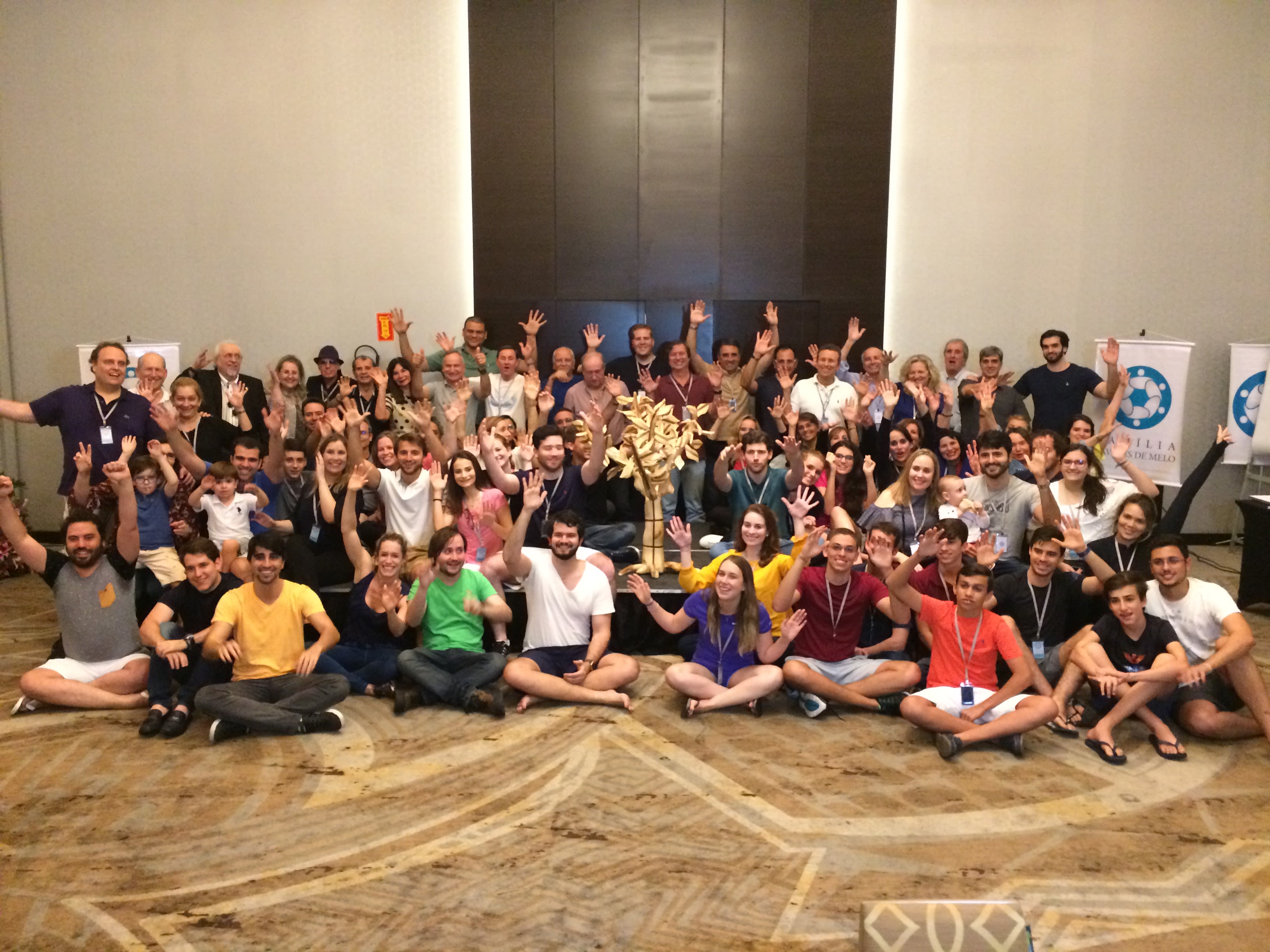
A family meeting in 2017; image courtesy of Tavares de Melo
A family meeting in 2017; image courtesy of Tavares de Melo
To understand their success we need to examine the narrative. Theirs is a story of generational transitions and a shared family culture that developed as each business challenge was met by an evolving family partnership based on the legacy of their founders, Arthur and Helena. Their values — the allegorical heart of this story — were brought to life and revitalised by each successive generation.
We tell Tavares de Melo's story through the major transitions in their business and family.
Their experience suggests there is no one 'secret' to long-term success. Rather, there are common threads that helped inform the successful trajectory of the family enterprise over the years. After each crisis, the family reemerged with a revitalised governance platform that enabled the business to adapt and grow.
Some of the principles that underpin Tavares de Melo's success are:
- A family culture of cooperation and common purpose
- Deep trust among family members
- The ability to anticipate and face new realities
- The courage to make decisions that depart from long-standing features of their business
- An acuity for passing leadership across generations without losing the wisdom of the older generation
The First Transformation: Sale and Cooperative Business Leadership
After 15 years of partnership, in 1943, José, Helena's elder brother and partner in the business, died suddenly. Arthur was left with the entire responsibility of running the business and decided to sell.
That might have been the end of it, but Arthur's three oldest sons hadn't stepped in and bought the business from their parents.
The younger brothers eventually joined them and worked at the mills as well. Each brother had space to run their own mill, but the brothers met weekly and saw themselves as stewards of the growing family enterprise. They collaborated well and were committed to the values they shared — values that would become the core of their family culture.
A Matriarch’s Influence
Family members exerting influence behind the scenes often play a key supportive role in the business and the family. While the brothers and their sister held the shares of the family enterprise, they drew support and learned values from their mother, Helena, a force in their lives until she passed away in 2000.
The third generation remember their grandma as a silent partner, playing a strong role in keeping everyone aligned. Major decisions were all shared with and approved by her.

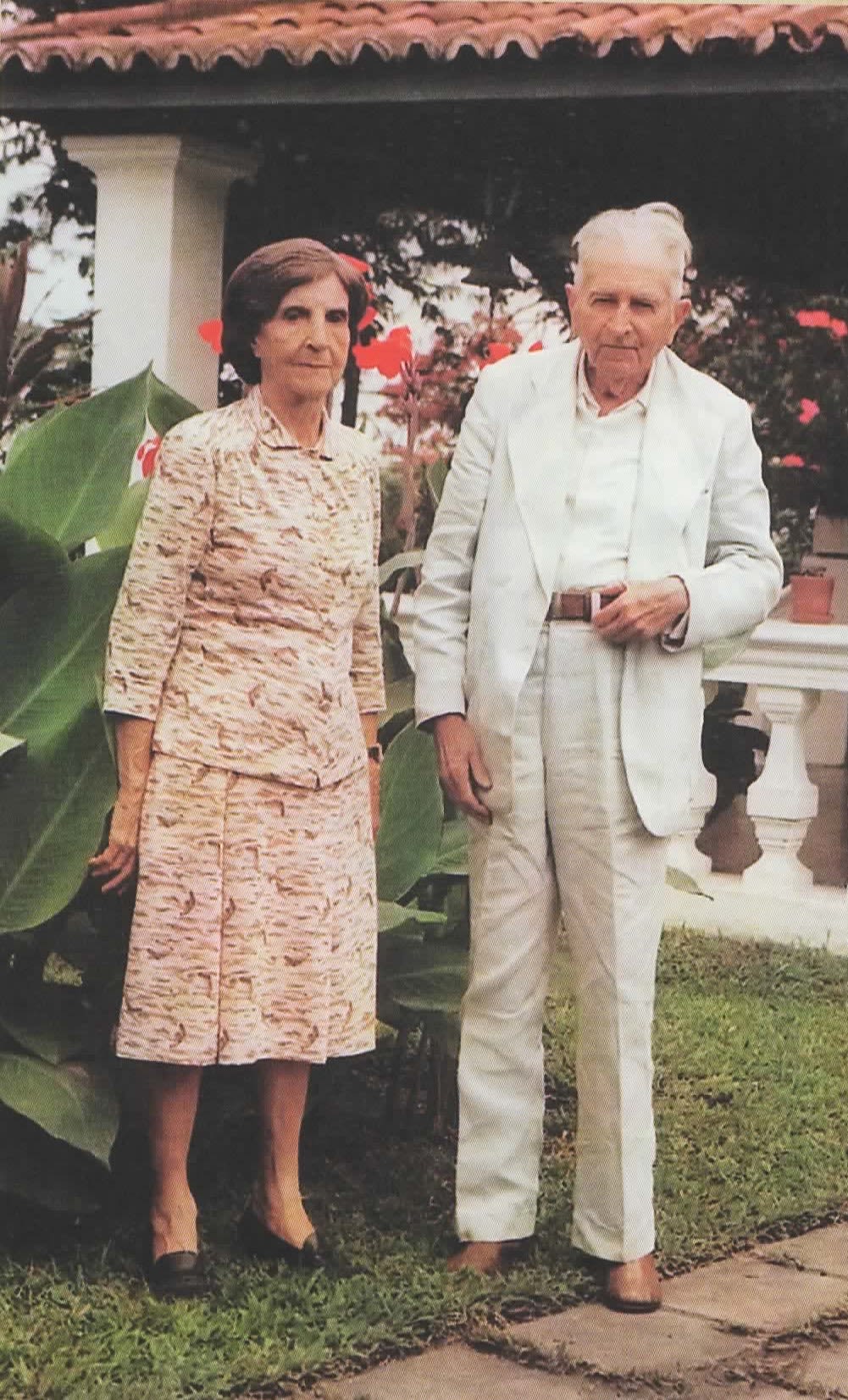
Founders Arthur and Helena Tavares de Melo; image courtesy of Tavares de Melo
Founders Arthur and Helena Tavares de Melo; image courtesy of Tavares de Melo

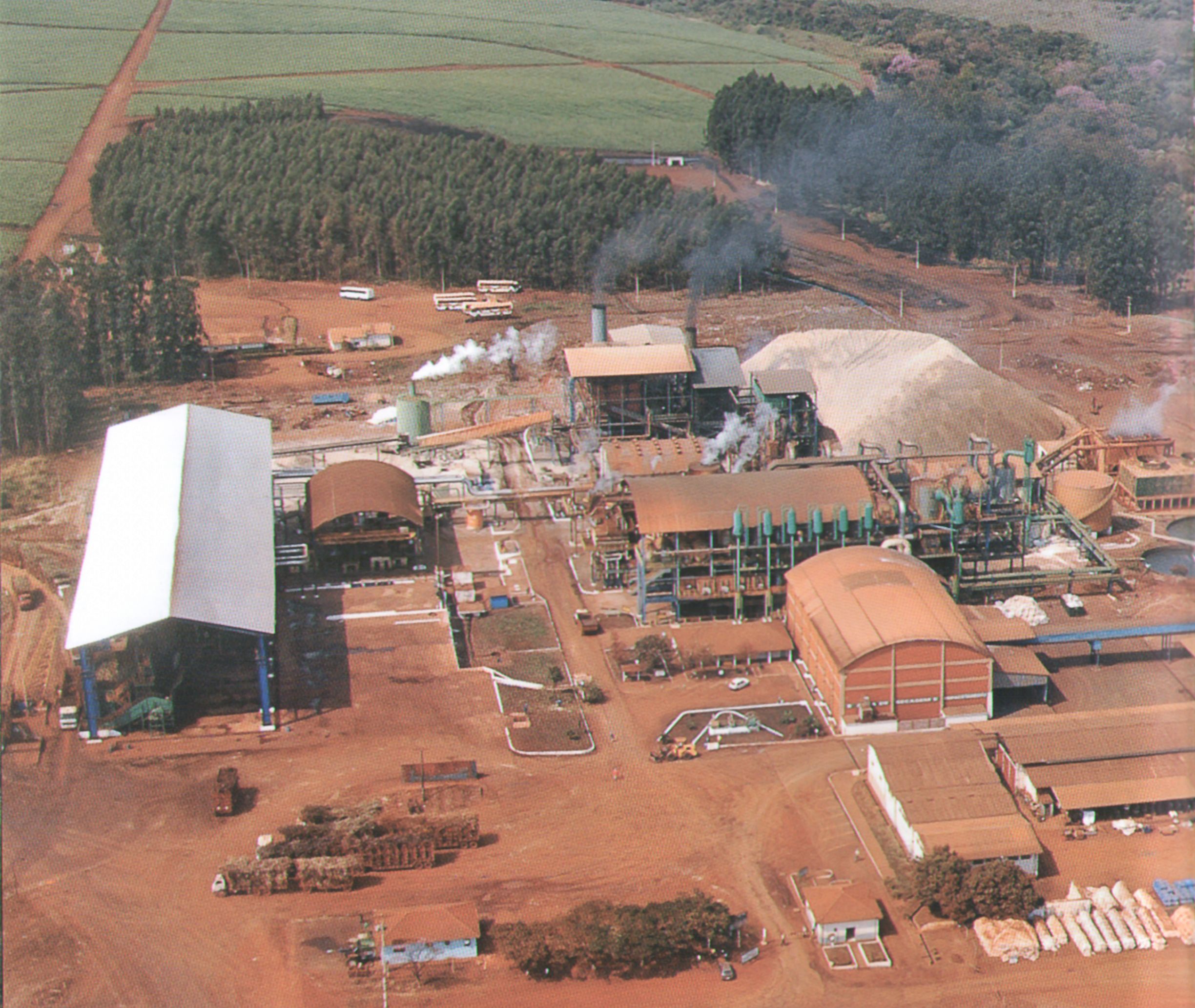
Usina Maracaju in 1985; image courtesy of Tavares de Melo; image courtesy of Tavares de Melo
Usina Maracaju in 1985; image courtesy of Tavares de Melo; image courtesy of Tavares de Melo
We tell Tavares de Melo's story through the major transitions in their business and family.
Their experience suggests there is no one 'secret' to long-term success. Rather, there are common threads that helped inform the successful trajectory of the family enterprise over the years. After each crisis, the family reemerged with a revitalised governance platform that enabled the business to adapt and grow.

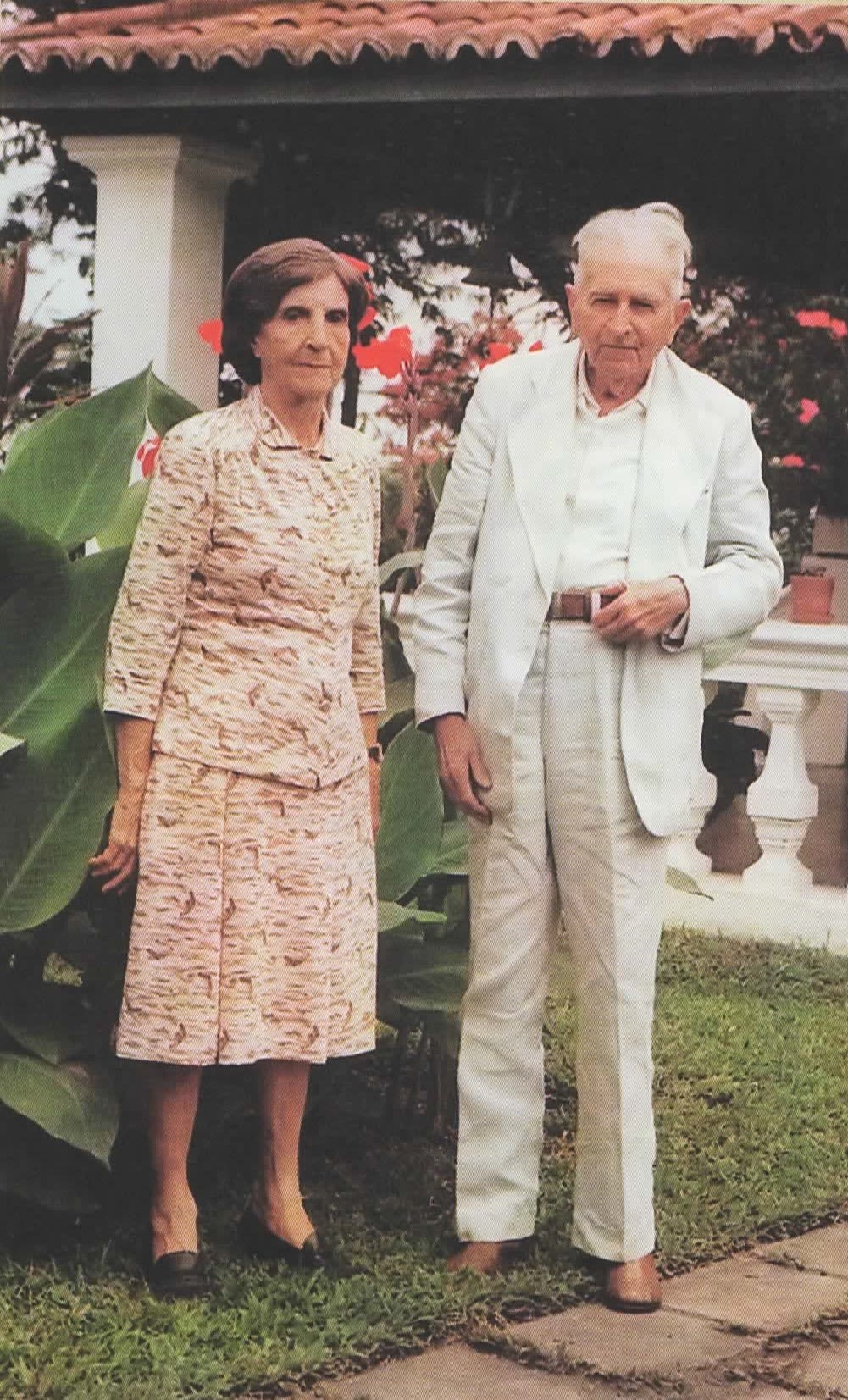
Founders Arthur and Helena Tavares de Melo
Founders Arthur and Helena Tavares de Melo
Some of the principles that underpin Tavares de Melo's success are:
- A family culture of cooperation and common purpose
- Deep trust among family members
- The ability to anticipate and face new realities
- The courage to make decisions that depart from long-standing features of their business
- An acuity for passing leadership across generations without losing the wisdom of the older generation.
The First Transformation: Sale and Cooperative Business Leadership
After 15 years of partnership, in 1943, José, Helena's elder brother and partner in the business, died suddenly. Arthur was left with the entire responsibility of running the business and decided to sell.
That might have been the end of it, but Arthur's three oldest sons hadn't stepped in and bought the business from their parents.
The younger brothers eventually joined them and worked at the mills as well. Each brother had space to run their own mill, but the brothers met weekly and saw themselves as stewards of the growing family enterprise. They collaborated well and were committed to the values they shared — values that would become the core of their family culture.

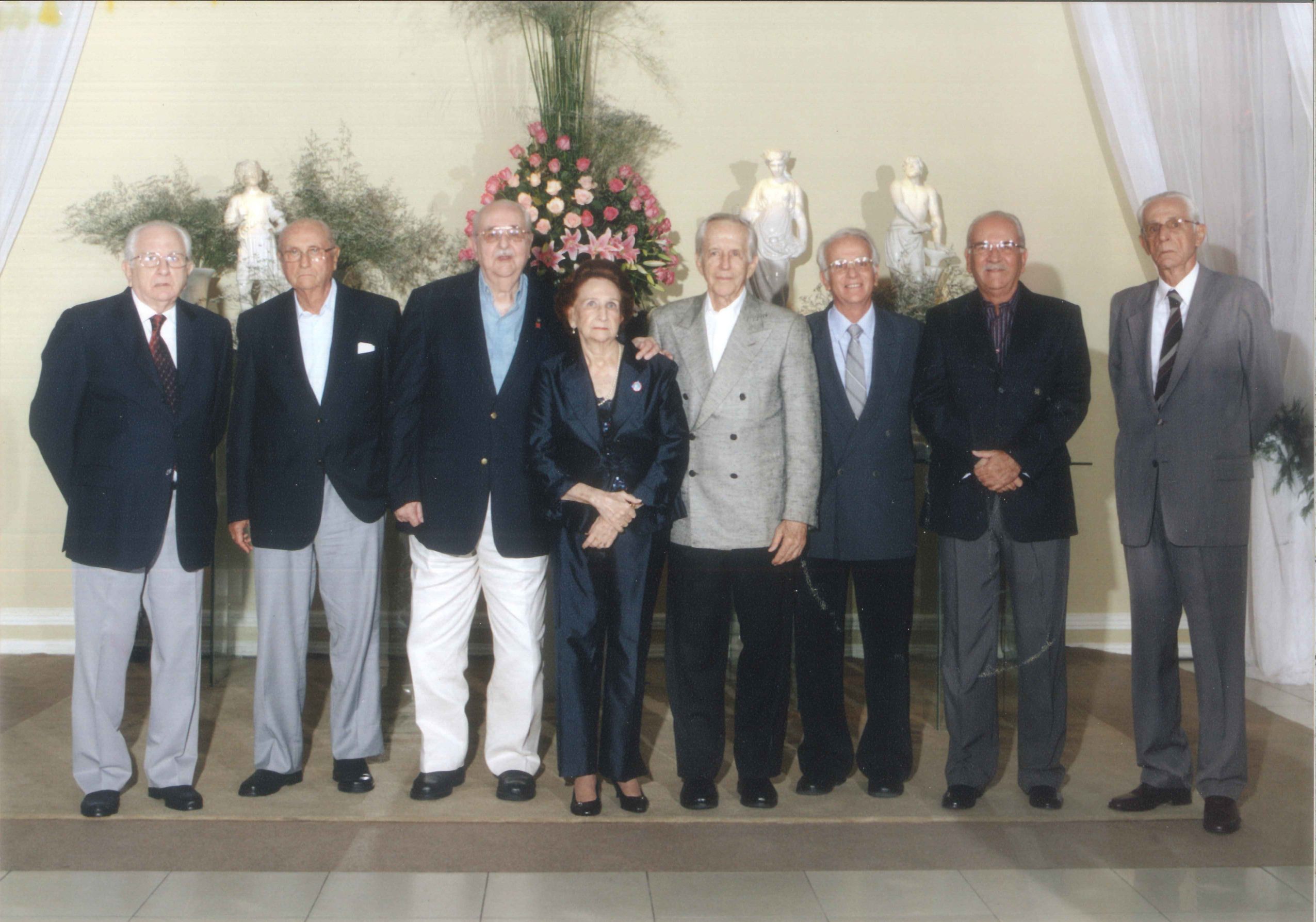
The second generation; image courtesy of Tavares de Melo
The second generation; image courtesy of Tavares de Melo
A Matriarch’s Influence
Family members exerting influence behind the scenes often play a key supportive role in the business and the family. While the brothers and their sister held the shares of the family enterprise, they drew support and learned values from their mother, Helena, a force in their lives until she passed away in 2000.
The third generation remember their grandma as a silent partner, playing a strong role in keeping everyone aligned. Major decisions were all shared with and approved by her.


Think of the business first and the family second because if you do something good for the business then the business goes well, and the family prospers as a result.
- André Tavares de Melo Nóbrega


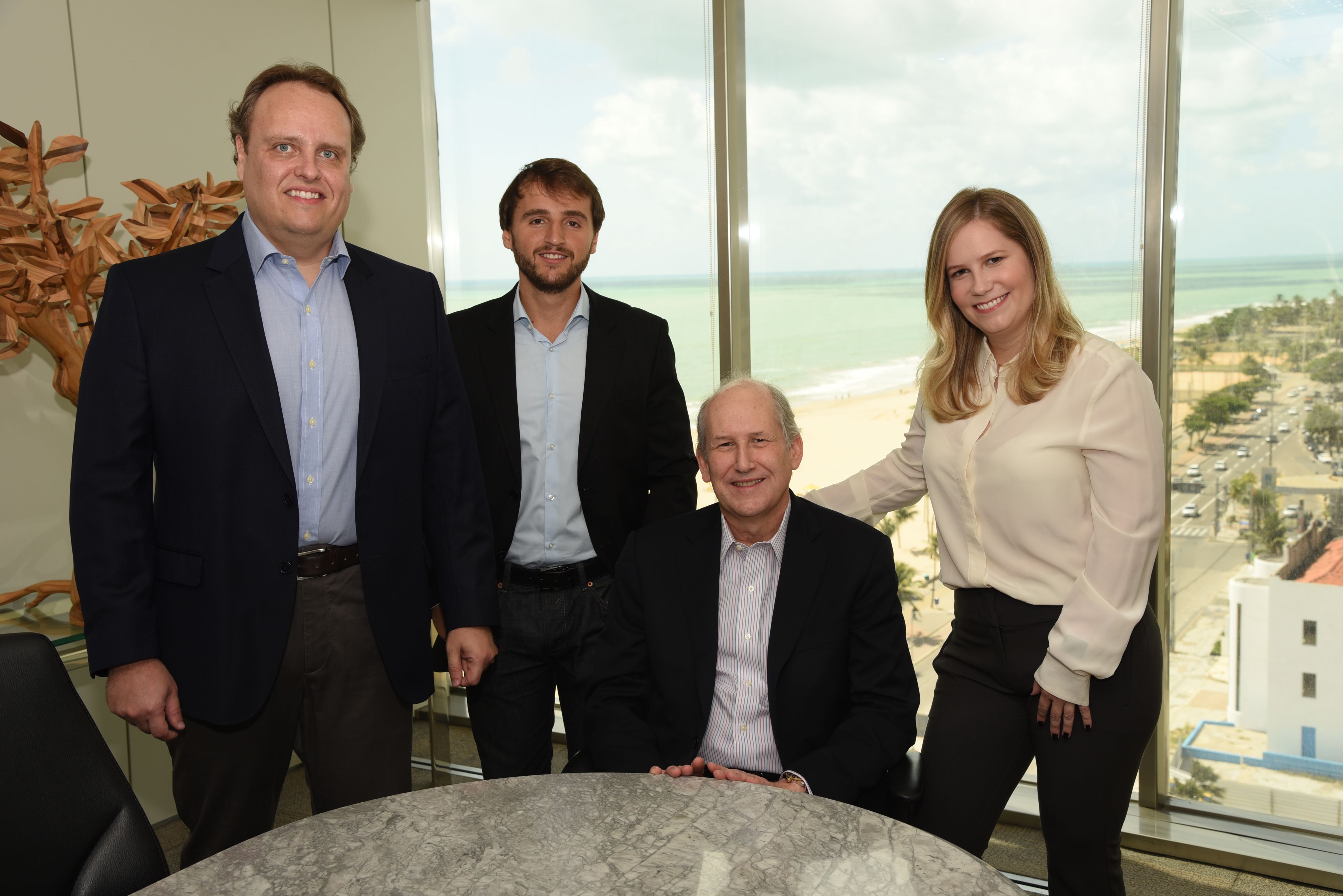
Andre, Bruno, Marcos and Giselle; image courtesy of Tavares de Melo
Andre, Bruno, Marcos and Giselle; image courtesy of Tavares de Melo


Tavares de Melo's Tecab facility; image courtesy of Tavares de Melo
Tavares de Melo's Tecab facility; image courtesy of Tavares de Melo
According to her great-grandson, Andre, Helena's example set up a cooperative ethic for successive generations, enabling collaboration and conflict resolution that avoided escalation:
"I like to think of her as the Chief Trust Officer. She was the person that would evaluate and coordinate people; it is not a formal position.
Think of the business first and the family second because if you do something good for the business then the business goes well, and the family prospers as a result. If you start doing things to accommodate your family situation and that starts to interfere in the business, then it becomes a major limitation on both fronts. You must be very pragmatic. You can't always accommodate individuals: consensus is always better."
In the early 70s, Tavares de Melo bought more alcohol distillers and created an ice cream company.
They recognised that the company had expanded far beyond a trio of sugar mills and they needed to professionalise, clarifying their structure and decision-making processes. The family engaged an advisor to strengthen their governance, guide succession and maintain transparency, which is something they've always valued. Through this collaboration, Tavares de Melo established their initial governance platform, consisting of a shareholder’s agreement and rules for family employment.

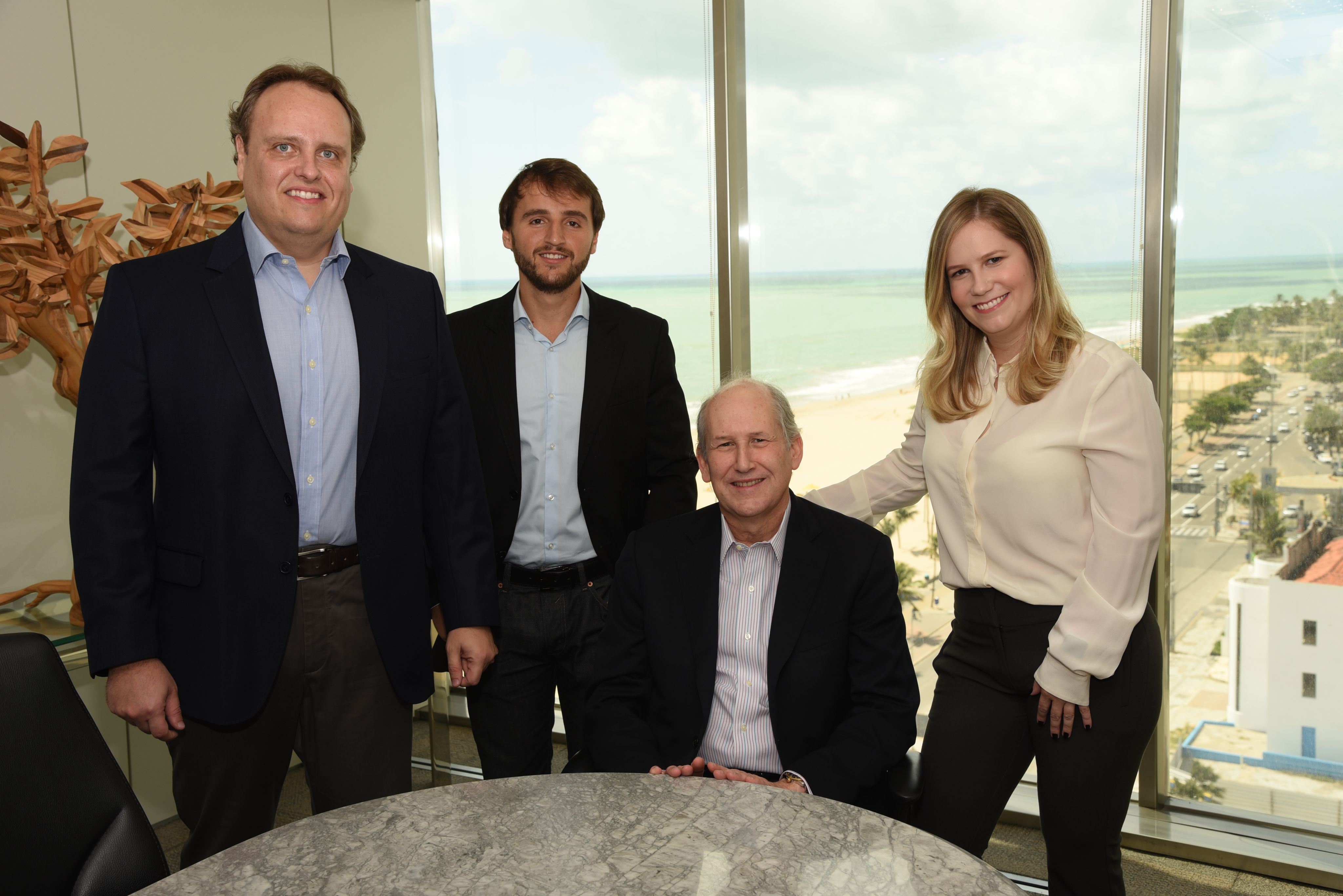
André, Bruno, Marcos and Giselle; image courtesy of Tavares de Melo
André, Bruno, Marcos and Giselle; image courtesy of Tavares de Melo
According to her great-grandson, Andre, Helena's example set up a cooperative ethic for successive generations, enabling collaboration and conflict resolution that avoided escalation:
"I like to think of her as the Chief Trust Officer. She was the person that would evaluate and coordinate people; it is not a formal position.
Think of the business first and the family second because if you do something good for the business then the business goes well, and the family prospers as a result. If you start doing things to accommodate your family situation and that starts to interfere in the business, then it becomes a major limitation on both fronts. You must be very pragmatic. You can't always accommodate individuals: consensus is always better."
In the early 70s, Tavares de Melo bought more alcohol distillers and created an ice cream company.
They recognised that the company had expanded far beyond a trio of sugar mills and they needed to professionalise, clarifying their structure and decision-making processes. The family engaged an advisor to strengthen their governance, guide succession and maintain transparency, which is something they've always valued. Through this collaboration, Tavares de Melo established their initial governance platform, consisting of a shareholder’s agreement and rules for family employment.
Listen to this interview on
The Family Business Voice

Listen to this interview on
The Family Business Voice


Second Transformation: Departure and Split
With their acquisitions, the family enterprise was thriving into the 1990s. This growth and the involvement of the third generation necessitated further changes in the family enterprise's governance and ownership.
Since the family had a collaborative culture that emphasised consensus, the trio of family leaders wanted to listen to and include their younger siblings, who would soon be their successors. They wanted to avoid potential conflict and competition for positions and provide a fair and clear roadmap for entry.
For this reason, they developed policies and practices around transparency, making decisions and defining ownership and business roles for each of them, as well as their soon-to-be adult children.
In 1994, after nearly a generation where the three uncles worked in their mills every day, they were presented with a huge dilemma. Murilo, the youngest of the three elder brothers, wanted to leave the company and the remaining brothers agreed to split the business to allow this to happen.
This transition wasn't easy but was accomplished with the family's characteristic pragmatism and willingness to make holistically beneficial decisions.
Third Transformation: Succession to Third Generation
At the turn of the millennia, the family faced another set of challenges: shifting business priorities and succession.
Some third-generation family members worked in the business. They expected to become the new leaders, but the second-generation brothers wanted to ensure that the process of succession was fair, organised and inclusive.
This is a place where many successful families face business and leadership challenges as the new generation has different capabilities, values and agendas; conflict and competition can easily arise. Aware of these potential pitfalls, the owning brothers engaged another consultant to assist them.
The new structure that arose from this collaboration, announced in mid-2003, was implemented with the next generation taking control. New leaders were selected based on their capacities and qualifications, irrespective of family branch.

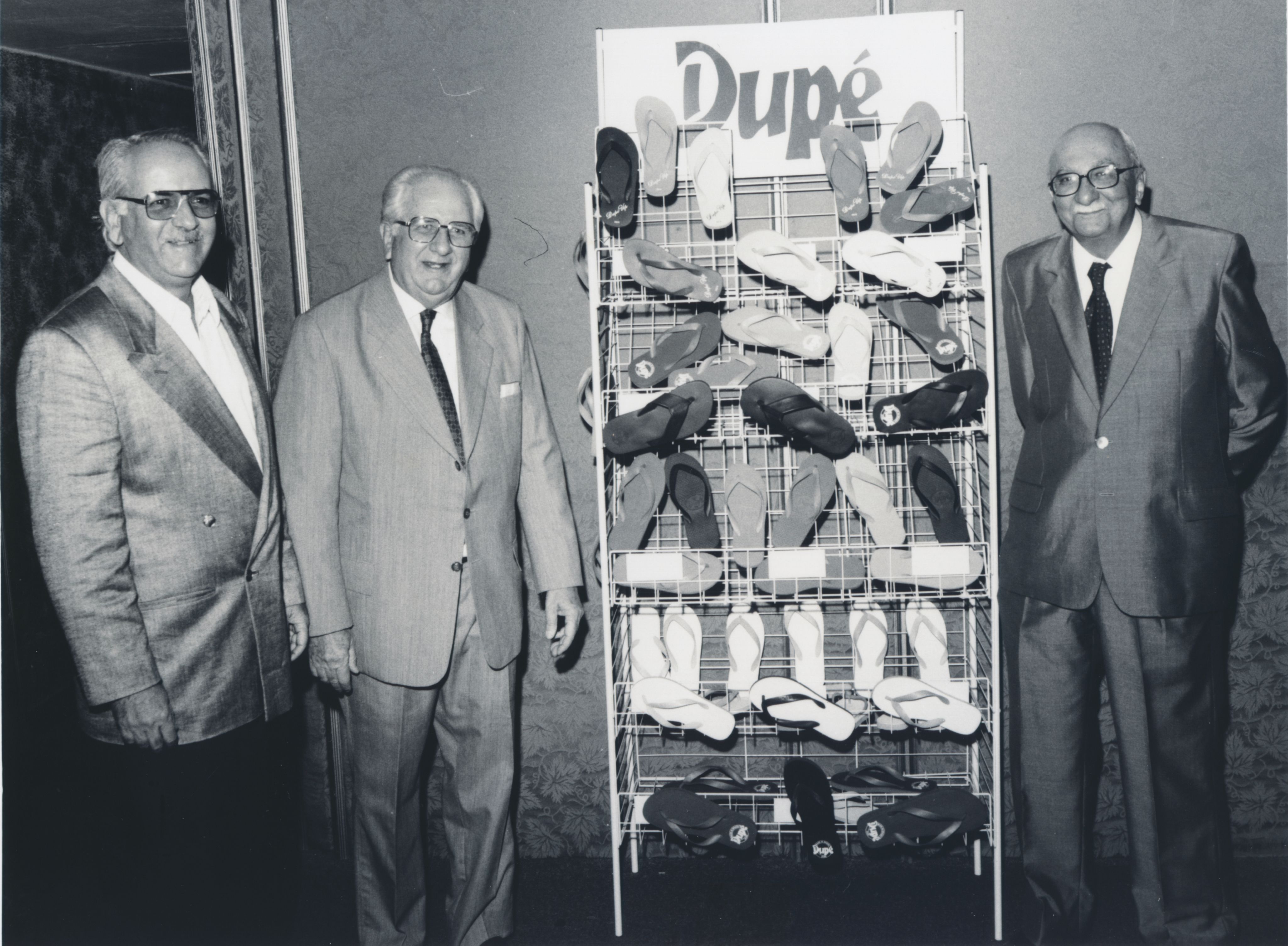
Romildo, Marcilio and Clovis Tavares de Melo; image courtesy of Tavares de Melo
Romildo, Marcilio and Clovis Tavares de Melo; image courtesy of Tavares de Melo
Second Transformation: Departure and Split
With their acquisitions, the family enterprise was thriving into the 1990s. This growth and the involvement of the third generation necessitated further changes in the family enterprise's governance and ownership.
Since the family had a collaborative culture that emphasised consensus, the trio of family leaders wanted to listen to and include their younger siblings, who would soon be their successors. They wanted to avoid potential conflict and competition for positions and provide a fair and clear roadmap for entry.
For this reason, they developed policies and practices around transparency, making decisions and defining ownership and business roles for each of them, as well as their soon-to-be adult children.
In 1994, after nearly a generation where the three uncles worked in their mills every day, they were presented with a huge dilemma. Murilo, the youngest of the three elder brothers, wanted to leave the company and the remaining brothers agreed to split the business to allow this to happen.
This transition wasn't easy but was accomplished with the family's characteristic pragmatism and willingness to make holistically beneficial decisions.
Third Transformation: Succession to Third Generation
At the turn of the millennia, the family faced another set of challenges: shifting business priorities and succession.
Some third-generation family members worked in the business. They expected to become the new leaders, but the second-generation brothers wanted to ensure that the process of succession was fair, organised and inclusive.
This is a place where many successful families face business and leadership challenges as the new generation has different capabilities, values and agendas; conflict and competition can easily arise. Aware of these potential pitfalls, the owning brothers engaged another consultant to assist them.
The new structure that arose from this collaboration, announced in mid-2003, was implemented with the next generation taking control. New leaders were selected based on their capacities and qualifications, irrespective of family branch.

The family is democratic; every choice is collaborative.
- Dennis Jaffe, Carolina Cintra and Maya Prabhu


Fourth Transformation: Family Business to Business Family
In 2007, Tavares de Melo sold their legacy ethanol and sugarcane plants, moving beyond a 90-year legacy into new territory.
The second and third generations inherited substantial resources to invest. They had to plan their next steps and decide whether they would remain together. Once again, they realised the need to adapt their decision-making policies to account for who would participate in the move forward and what form that move would take.
Sale of the legacy business is a major turning point for a business family; with the huge liquidity, many families choose separation. This makes sense especially if their identity as a family was wholly tied to their operating business; without it, their interests separate, and there is no need to remain in business together.
But there is another path, taken by a minority of families: to remain together and develop a new focus and identity. With their shared history and culture of collaboration, the Tavares de Melo family chose to continue together. The creative task they faced was: how best to do it?.
They decided that a family office was the ideal vehicle to carry them forward.
Marcos described the transition after the sale:
"After we sold the business in 2007, we hired an advisor to guide through structuring the liquidity so we could meet our family goals and give the freedom for everyone to leave or stay as they pleased. We created the structure that we have today. Of course, it's changed a little bit but after 14 years we are still partners. Most of the people invest together but have the freedom to leave if they want."
In the Tavares de Melo family office, family branches and sometimes individuals decide whether they want to be part of each new venture. This 'family marketplace', where the family shares opportunities as they meet regularly, also works to sustain a shared family identity.

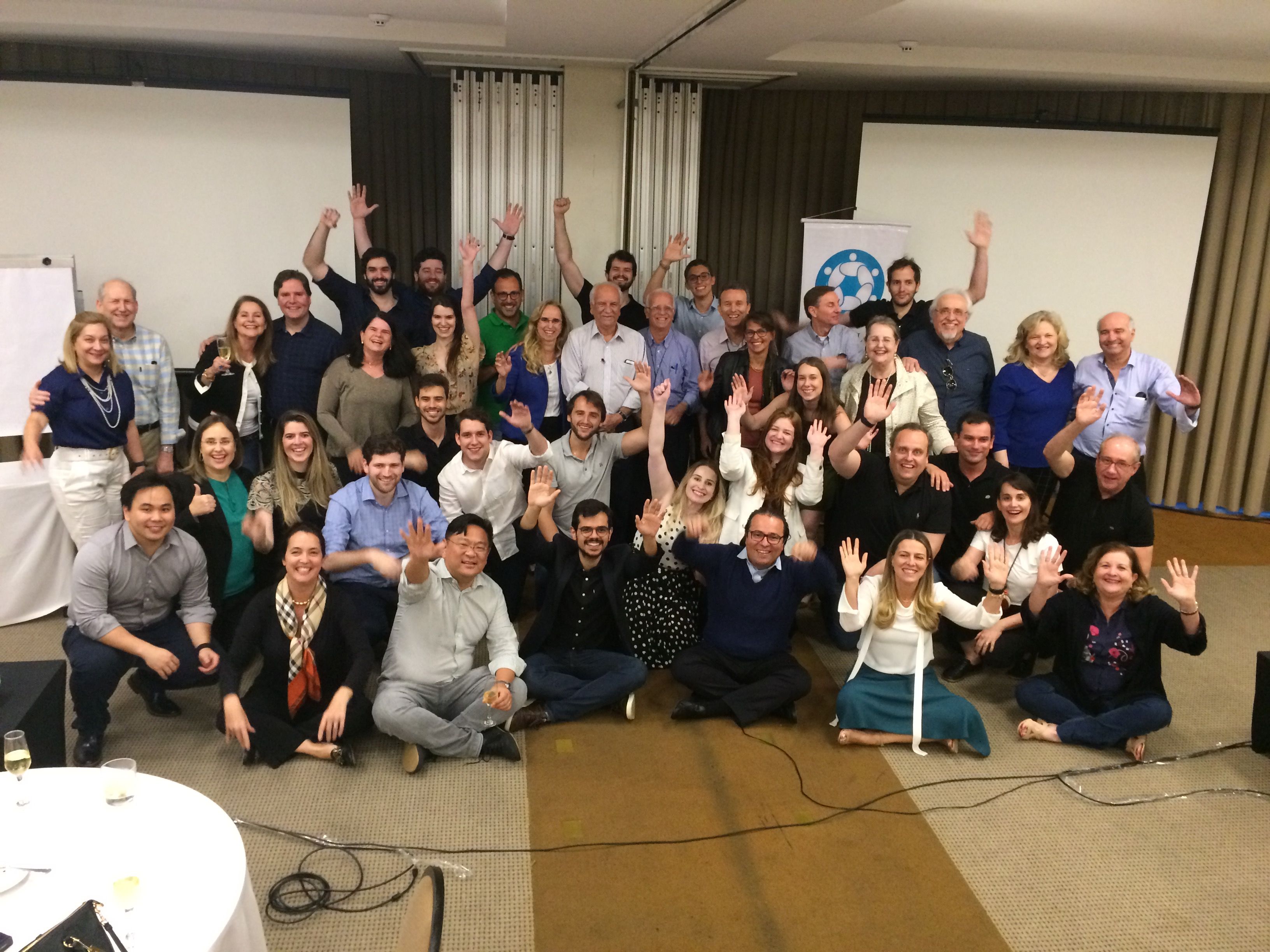
Tavares de Melo Project Legacy 2019; image courtesy of Tavares de Melo
Tavares de Melo Project Legacy 2019; image courtesy of Tavares de Melo
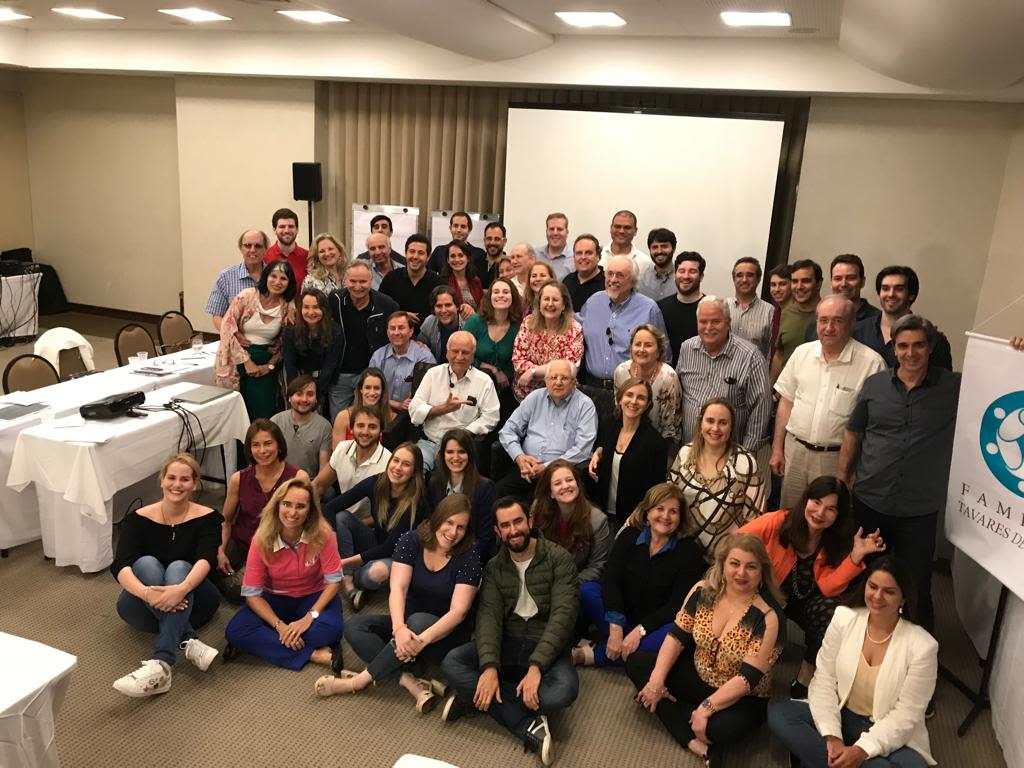
Tavares de Melo's Project Legacy; image courtesy of Tavares de Melo
Tavares de Melo's Project Legacy; image courtesy of Tavares de Melo

Tavares de Melo Project Legacy in 2019; image courtesy of Tavares de Melo
Tavares de Melo Project Legacy in 2019; image courtesy of Tavares de Melo
Fourth Transformation: Family Business to Business Family
In 2007, Tavares de Melo sold their legacy ethanol and sugarcane plants, moving beyond a 90-year legacy into new territory.
The second and third generations inherited substantial resources to invest. They had to plan their next steps and decide whether they would remain together. Once again, they realised the need to adapt their decision-making policies to account for who would participate in the move forward and what form that move would take.
Sale of the legacy business is a major turning point for a business family; with the huge liquidity, many families choose separation. This makes sense especially if their identity as a family was wholly tied to their operating business; without it, their interests separate, and there is no need to remain in business together.
But there is another path, taken by a minority of families: to remain together and develop a new focus and identity. With their shared history and culture of collaboration, the Tavares de Melo family chose to continue together. The creative task they faced was: how best to do it?
They decided that a family office was the ideal vehicle to carry them forward.

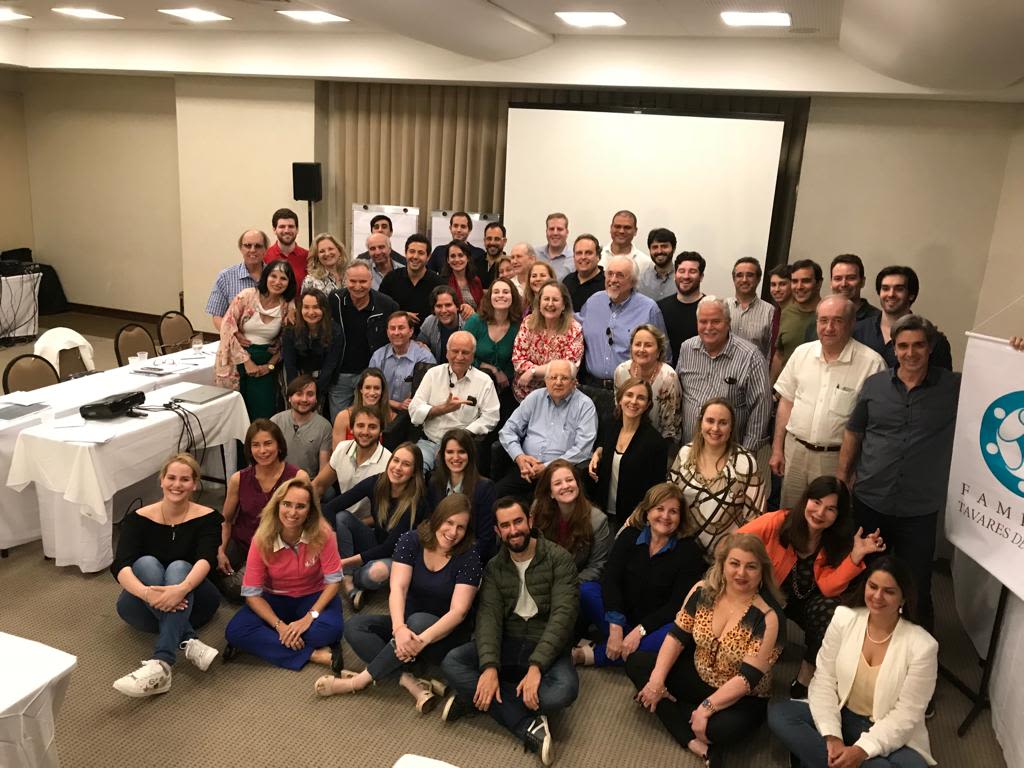
Tavares de Melo's Project Legacy; image courtesy of Tavares de Melo
Tavares de Melo's Project Legacy; image courtesy of Tavares de Melo
Marcos described the transition after the sale:
"After we sold the business in 2007, we hired an advisor to guide through structuring the liquidity so we could meet our family goals and give the freedom for everyone to leave or stay as they pleased. We created the structure that we have today. Of course, it's changed a little bit but after 14 years we are still partners. Most of the people invest together but have the freedom to leave if they want."
In the Tavares de Melo family office, family branches and sometimes individuals decide whether they want to be part of each new venture. This 'family marketplace', where the family shares opportunities as they meet regularly, also works to sustain a shared family identity.
Of course, it's changed a little bit but after 14 years we are still partners. Most of the people invest together but have the freedom to leave if they want.
- Marcos Tavares de Melo


The family now owns or has investments in over 50 companies. They are hugely entrepreneurial, generating new ideas and pursuing new investments continually.
Tavares de Melo's legacy values served as the foundation for a unique culture with three core principles:
- Freedom to choose to invest. While every family member has a share of ownership in the family office, everyone has their own portfolio of investments. When there are new liquidity opportunities, each person decides whether and how much to invest. So, ownership in the office portfolio is different for each family.
- Consensus decision-making. The family is democratic; every choice is collaborative.
- Separation of family and business activities. With a family assembly and council that sustains the history and legacy of the family while developing the values, skills and commitment of the new generation to them, their governance structure divides family from business activities, while making clear the links and interconnections between the two.


Fifth Transformation: Family Identity and Resilience Governance
As the family office developed, and a new generation acquired ownership, the Tavares de Melo family recognised the need to bring its younger members closer together.
In 2012 the family engaged a governance consultant, who guided them as they formed a family committee, where all family members convened to conduct what they defined as 'the business of the family'.
The solutions they enacted formed two pillars:
- An annual family meeting, where the entire family gets together to celebrate their family history, build personal relationships, educate, prepare next-gens and have fun together.
- A family council: the executive committee of the family. The council represents each family member — young, old, married-in — to define and set up shared non-financial family activities.
The family council represents the family, operating alongside the business board of directors. It meets monthly and contains a family member from the older and younger members of each of the family branches, for a total of 12. The council sees itself as the legacy keeper of the family values.
The council and assembly identified four goals to guide the family:
1. Maintain the legacy and transmit it to the next generation
2. Make sure that every individual and branch of the family is in communication
3. Integrate family members. With fourth and fifth-generation members living abroad, Tavares de Melo is a global family
4. Educate and prepare the next generation for involvement and leadership.
To help achieve these goals, the family initiated an all-encompassing initiative, Project Legacy, an ambitious program that a family committee and Marcelo ran for 2 ½ years.
The program consisted of three levels with the first focused on family values, the second on technical and soft skills as well as governance, and the third focused on developing entrepreneurship.
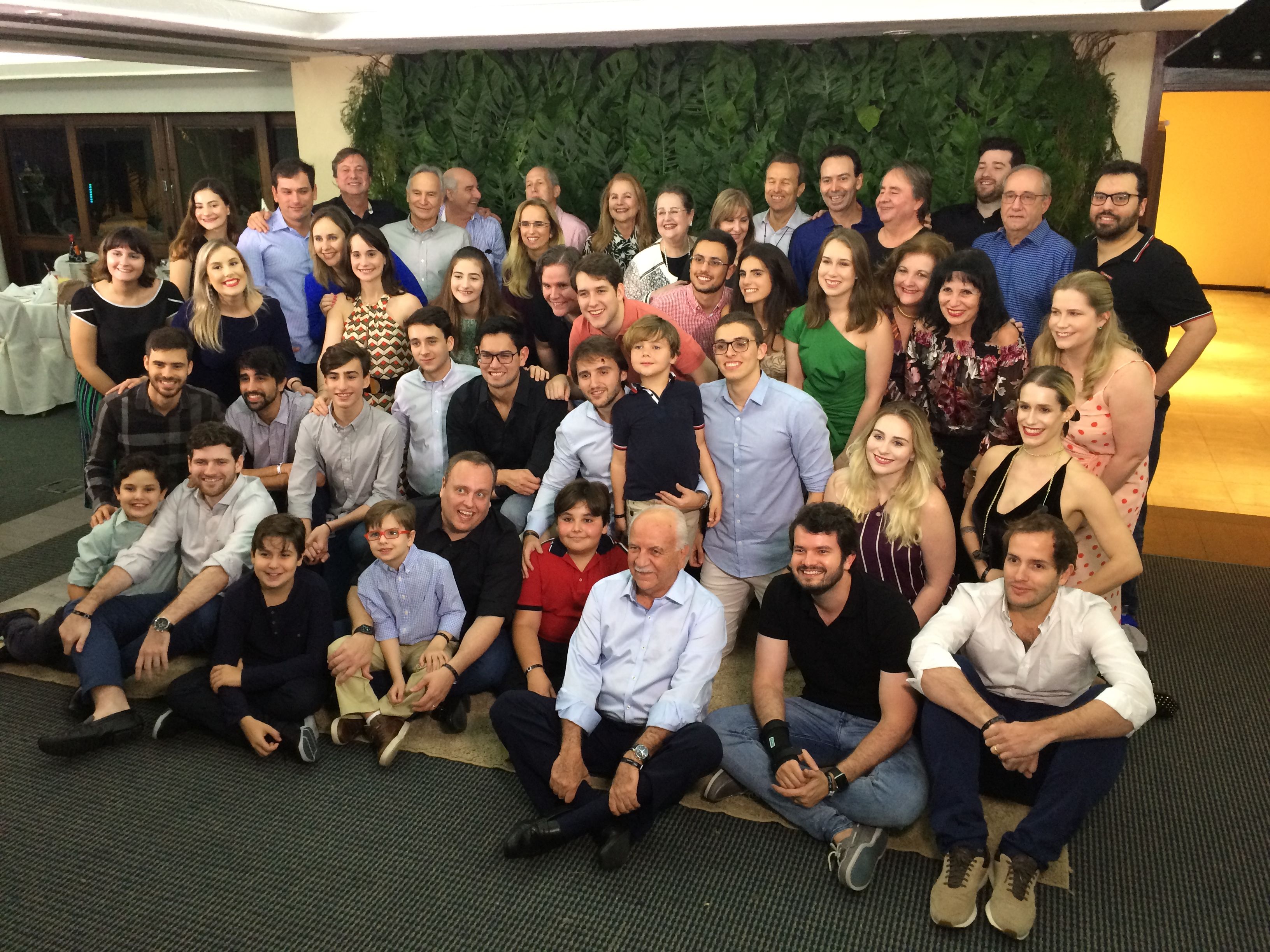
The 2nd, 3rd and 4th generations of the Tavares de Melo family; image courtesy of Tavares de Melo
The 2nd, 3rd and 4th generations of the Tavares de Melo family; image courtesy of Tavares de Melo
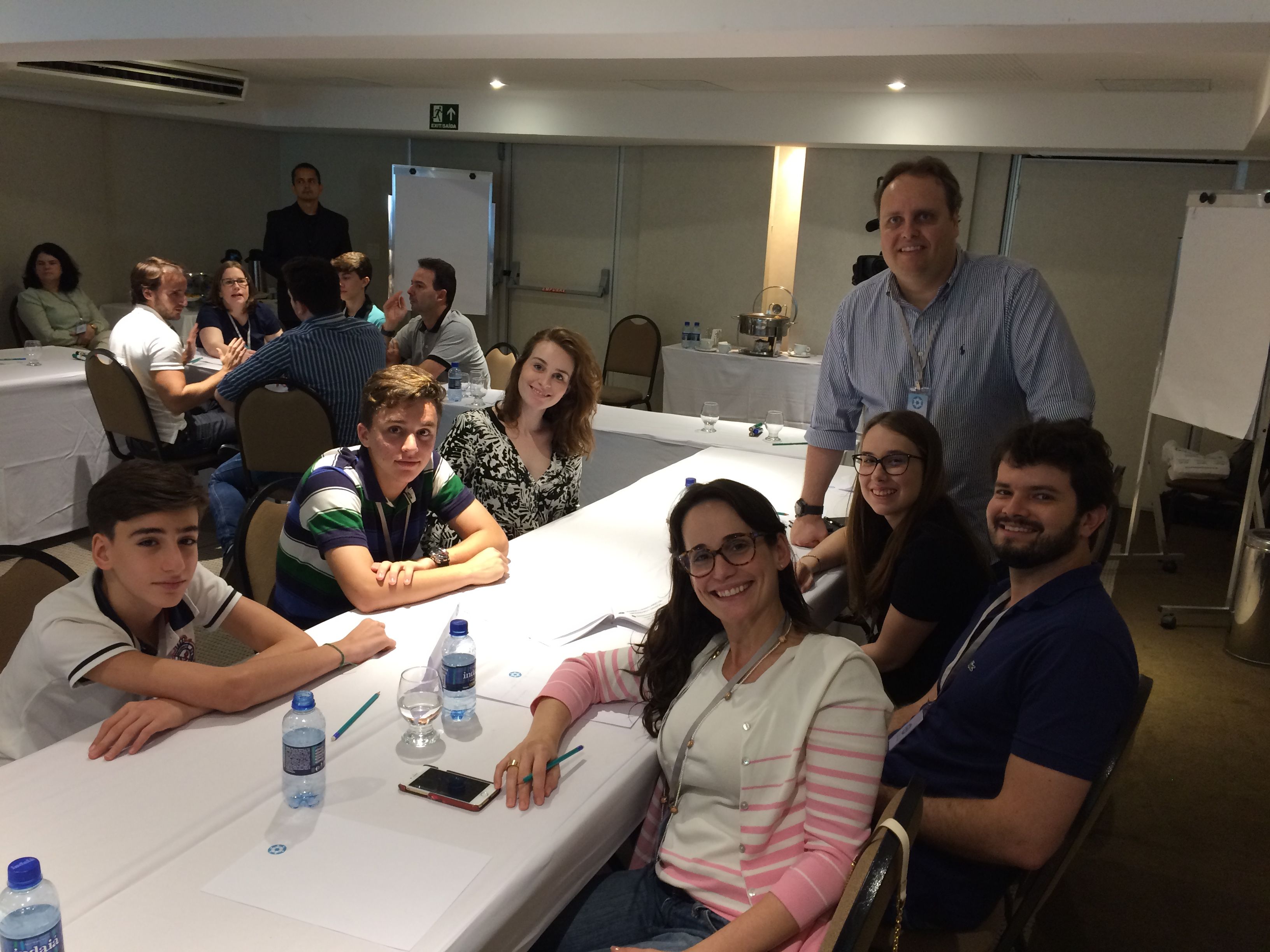
Tavares de Melo Next Gen Workshop; image courtesy of Tavares de Melo
Tavares de Melo Next Gen Workshop; image courtesy of Tavares de Melo
Tavares de Melo's Project Legacy Next Gen Journey; image courtesy of Tavares de Melo
Tavares de Melo's Project Legacy Next Gen Journey; image courtesy of Tavares de Melo
Fifth Transformation: Family Identity and Resilience Governance
As the family office developed, and a new generation acquired ownership, the Tavares de Melo family recognised the need to bring its younger members closer together.
In 2012 the family engaged a governance consultant, who guided them as they formed a family committee, where all family members convened to conduct what they defined as 'the business of the family'.
The solutions they enacted formed two pillars:
- · An annual family meeting, where the entire family gets together to celebrate their family history, build personal relationships, educate, prepare next-gens and have fun together.
- · A family council: the executive committee of the family. The council represents each family member — young, old, married-in — to define and set up shared non-financial family activities.
The family council represents the family, operating alongside the business board of directors. It meets monthly and contains a family member from the older and younger members of each of the family branches, for a total of 12. The council sees itself as the legacy keeper of the family values.
The council and assembly identified four goals to guide the family:
1. Maintain the legacy and transmit it to the next generation
2. Make sure that every individual and branch of the family is in communication
3. Integrate family members. With fourth and fifth-generation members living abroad, Tavares de Melo is a global family
4. Educate and prepare the next generation for involvement and leadership.
To help achieve these goals, the family initiated an all-encompassing initiative, Project Legacy, an ambitious program that a family committee and Marcelo ran for 2 ½ years.
The program consisted of three levels with the first focused on family values, the second on technical and soft skills as well as governance, and the third focused on developing entrepreneurship.
Next Transformation: Succession to 4th Generation of Leadership
As members of the 4th generation have begun to work in the family enterprise, and others may enter, the challenge is to get them committed to the shared enterprise and prepare them for the complex roles of leadership in both family and business governance.
The original Project Legacy is now giving birth to two new programs, one that is more focused on content, open for every family member and another one that is more focused on the business.
What Can We Learn?
The 100-year journey of the Tavares de Melo family is a story of each generation building upon the legacy values and success of their parents, as they took the family and its business in new directions. From sugar mills to a business conglomerate, we see common themes that underpin each success along the way.
Dr Jaffe, a San Francisco-based advisor to families about family business, governance, wealth and philanthropy, is a Senior Research Fellow at BanyanGlobal Family Business Advisors and the author of Borrowed from Your Grandchildren: The Evolution of 100-Year Family Enterprises as well as several other titles in the family business field.
Carolina Cintra, based in Miami, is a Senior Wealth Advisor at J.P. Morgan Private Bank, with 18 years of professional experience advising Brazilian families (alongside their legal counsel) in defining strategies and creating customized solutions of tax and succession planning, including multijurisdictional situations and family governance. Before joining J.P. Morgan, Carolina worked at Itaú Private Bank, Tozzini Freire Advogados and PricewaterhouseCoopers.
Maya Prabhu, based in London, leads J.P. Morgan Private Bank’s Wealth Advisory practice for the EMEA region and the International Family Governance practice. She helps individuals and families articulate the goals for their wealth, and advises on family governance, philanthropy and on the establishment of family offices. Maya is experienced in working with families from a range of cultures including the UK, across Europe, Latin America, the Middle East and Asia.


 Built with Shorthand