Ennio: From Knitwear to Netting
Redefining Strengths Across Generations
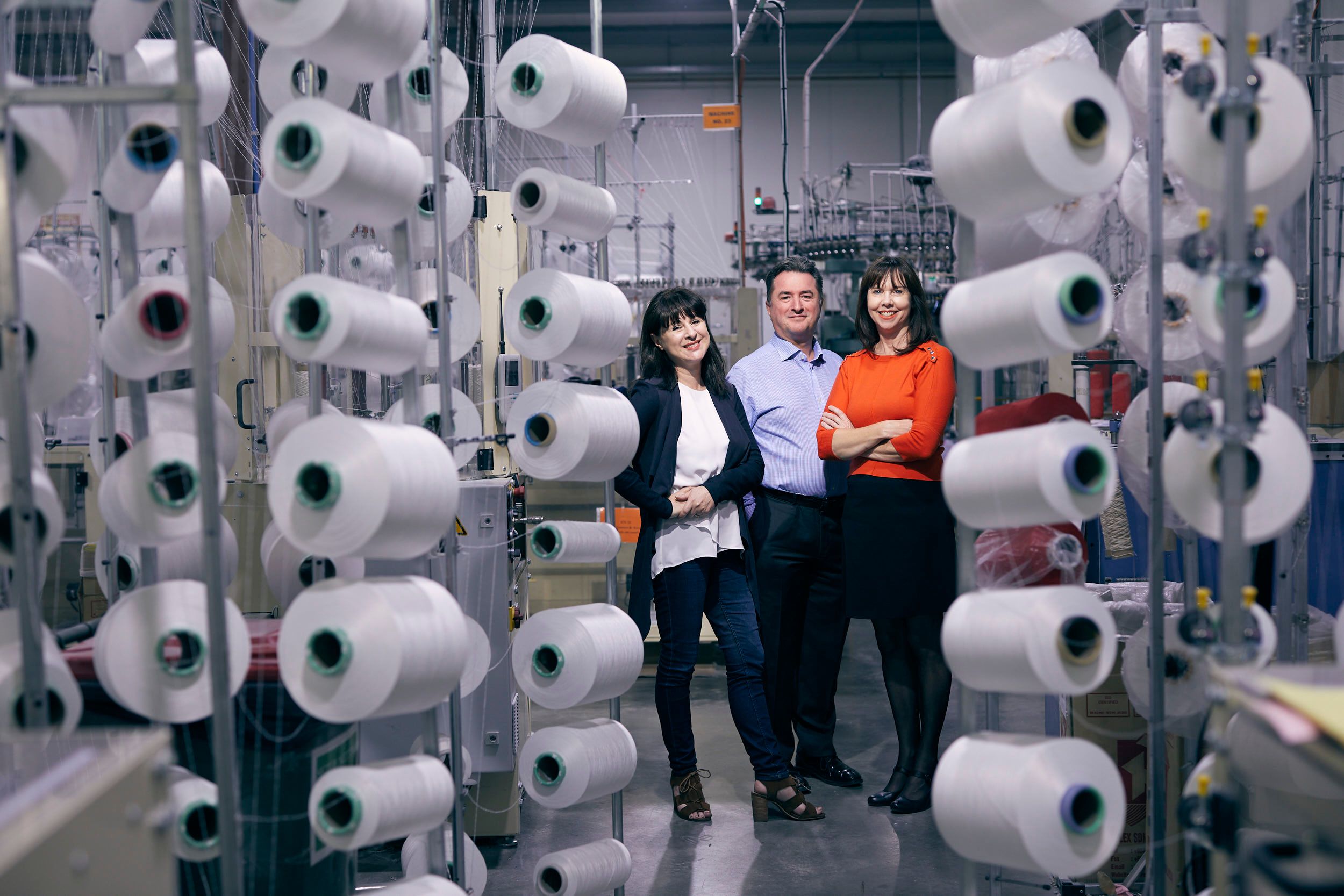

Interview with Ennio Mercuri, Managing Director, Ennio International, Australia
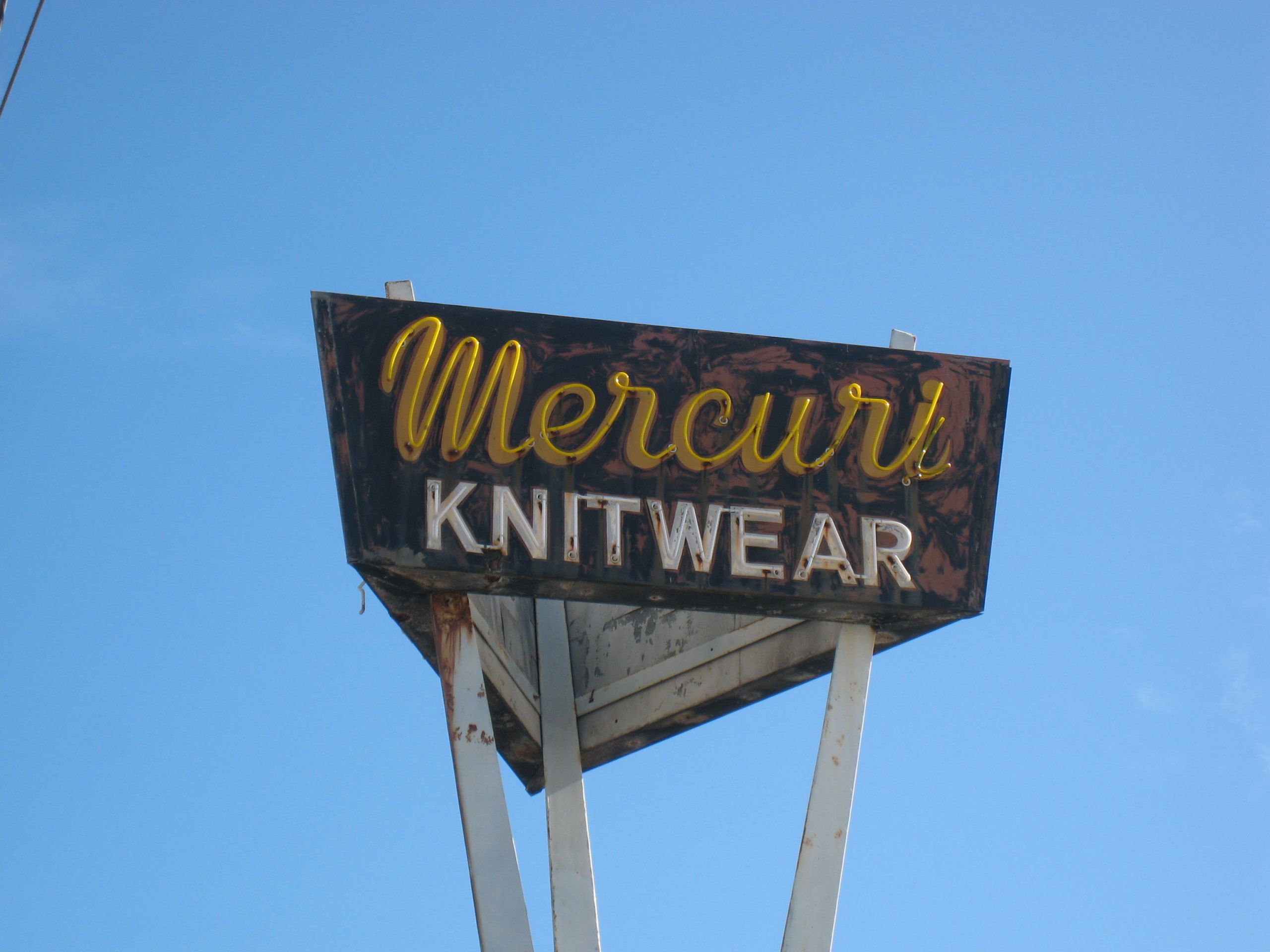
To deal with a shift in regulatory policy that compromised their business model, the Mercuri family reinvented themselves to access a thriving market without overhauling their operations entirely. As such, Mercuri Knitwear became Ennio, transitioning out of fashion and into the world of industrial knitted meat casings and nettings.
Ennio Mercuri, the company's second-generation Managing Director, continues this spirit of radical innovation with a strategically forward-thinking approach to marketing and investment. He has modernised Ennio's product offering, which is both innovative and environmentally conscious.
According to Ennio, innovation is the key to sustainability in a changing marketplace. With competition around the world only intensifying, companies must adapt in order to leverage emerging trends – it is the only way to keep their customer base engaged. Having seen his parents struggle to ensure the sustainability of their business, Ennio believes this is only possible by evolving while at the same time staying within their expertise.
We spoke with Ennio Mercuri to learn more about his family business's remarkable transition, its continuing evolution and the critical importance of being open to new ideas and differing opinions, especially where the next generation is concerned.
What precipitated your family's move from fashion into industrial textiles and meat casings?
Necessity: my parents founded Mercuri Knitwear in the 1950s, and it thrived through the 60s and early 70s. Then came a dramatic shift in Australia's political climate regarding international trade tariffs. Exporting textiles became unviable and domestic manufacturing ever more difficult.
Not only did we need to adapt our business model quickly but also in a way that would be most beneficial in terms of productivity, equipment and expertise. My parents considered relocating to Asia, where export tariffs had recently become more flexible. In the end, however, they decided to use the reputation of their brand to remain in Australia.

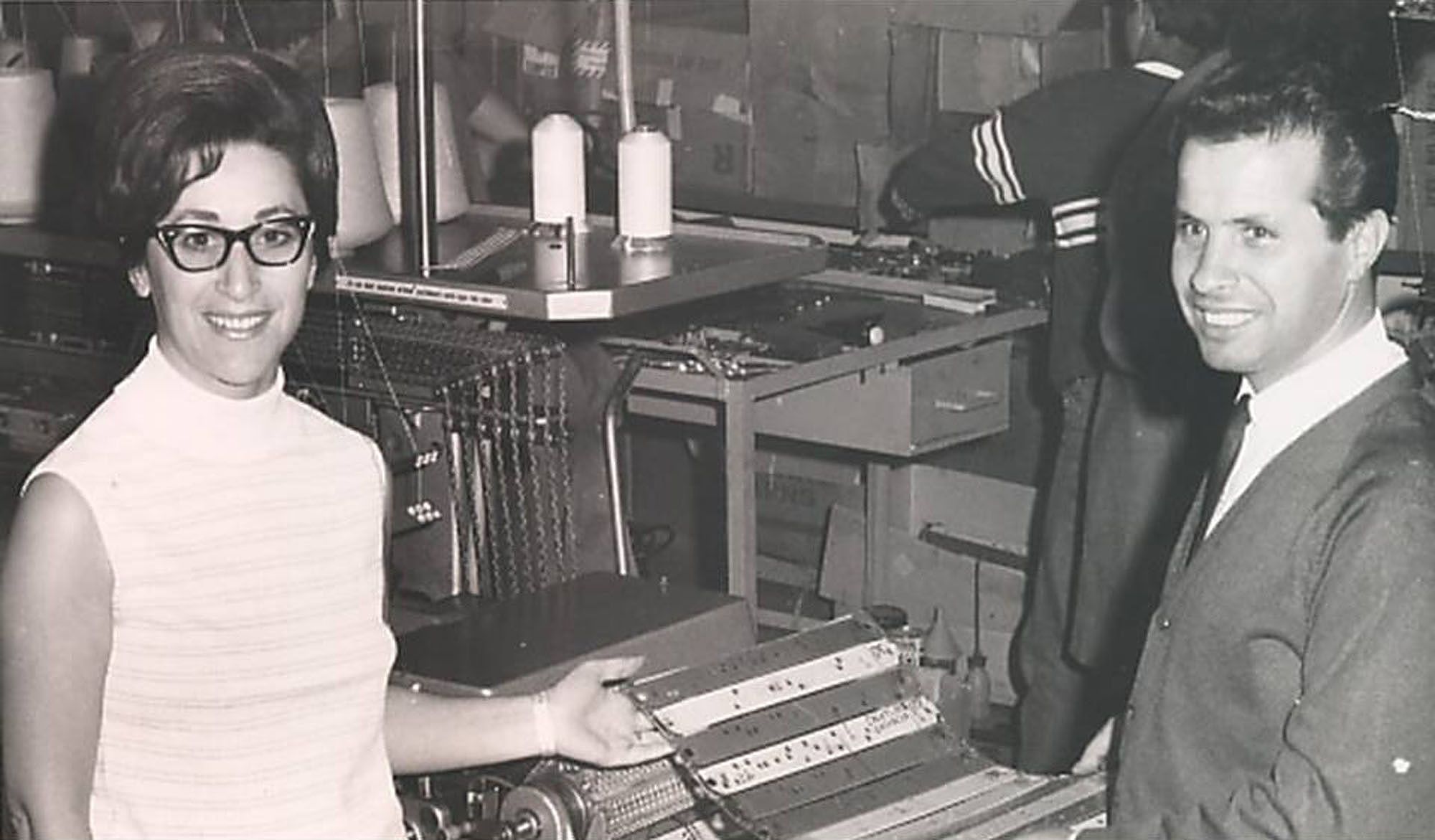
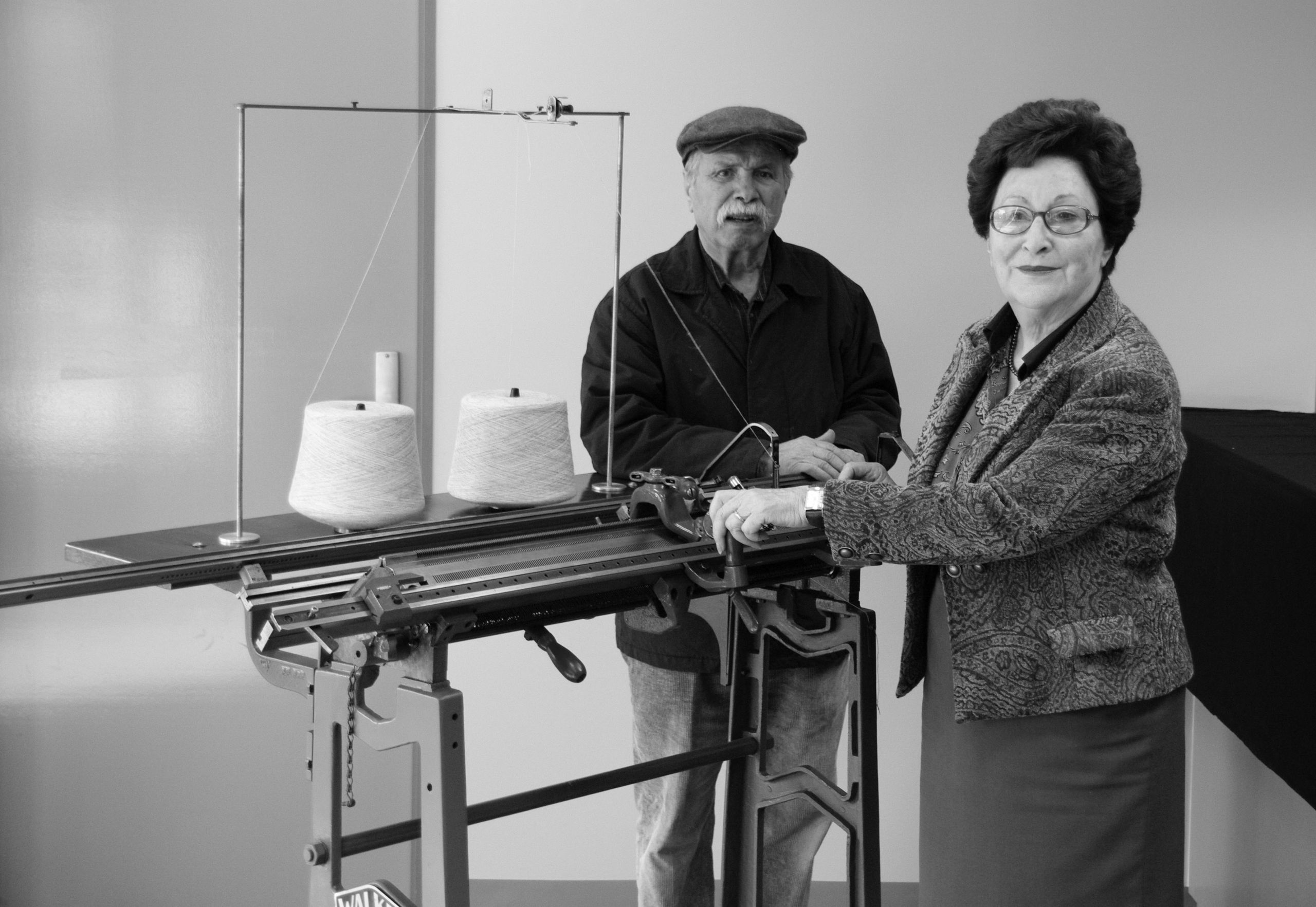
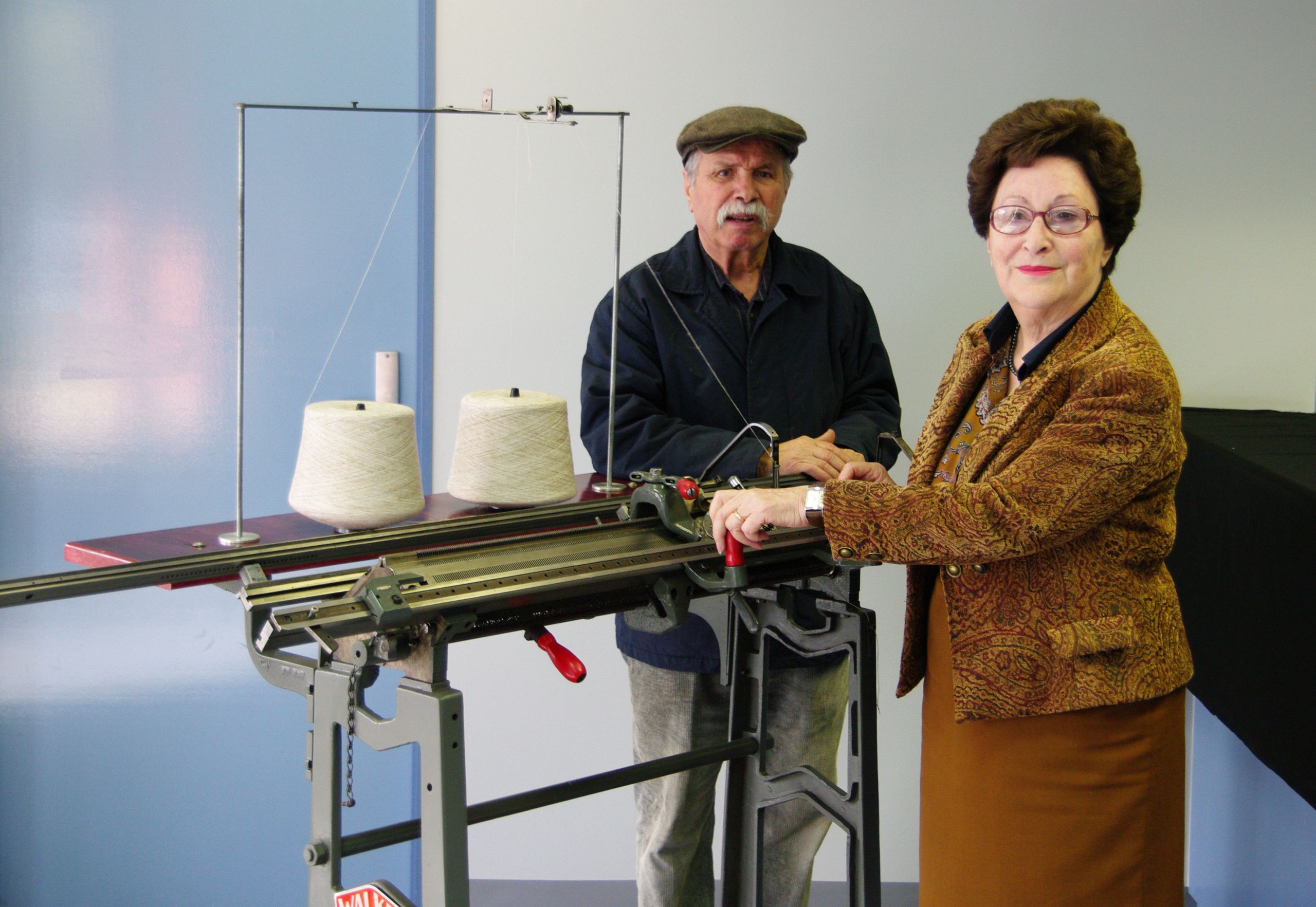
Mr and Mrs Mercuri in their factory; image courtesy of Ennio
Mr and Mrs Mercuri in their factory; image courtesy of Ennio

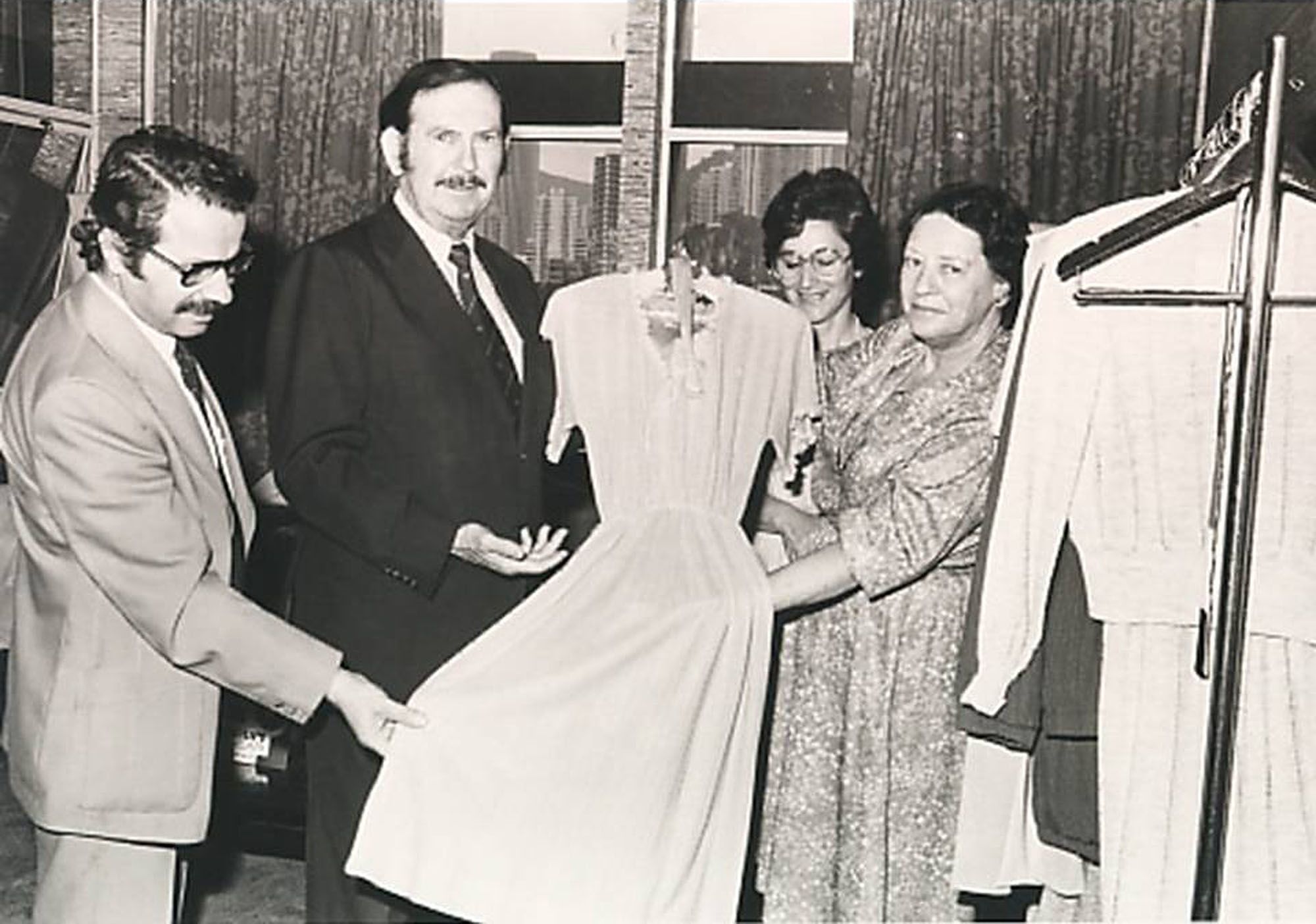
Mr and Mrs Mercuri showing a knitted dress; image courtesy of Ennio
Mr and Mrs Mercuri showing a knitted dress; image courtesy of Ennio

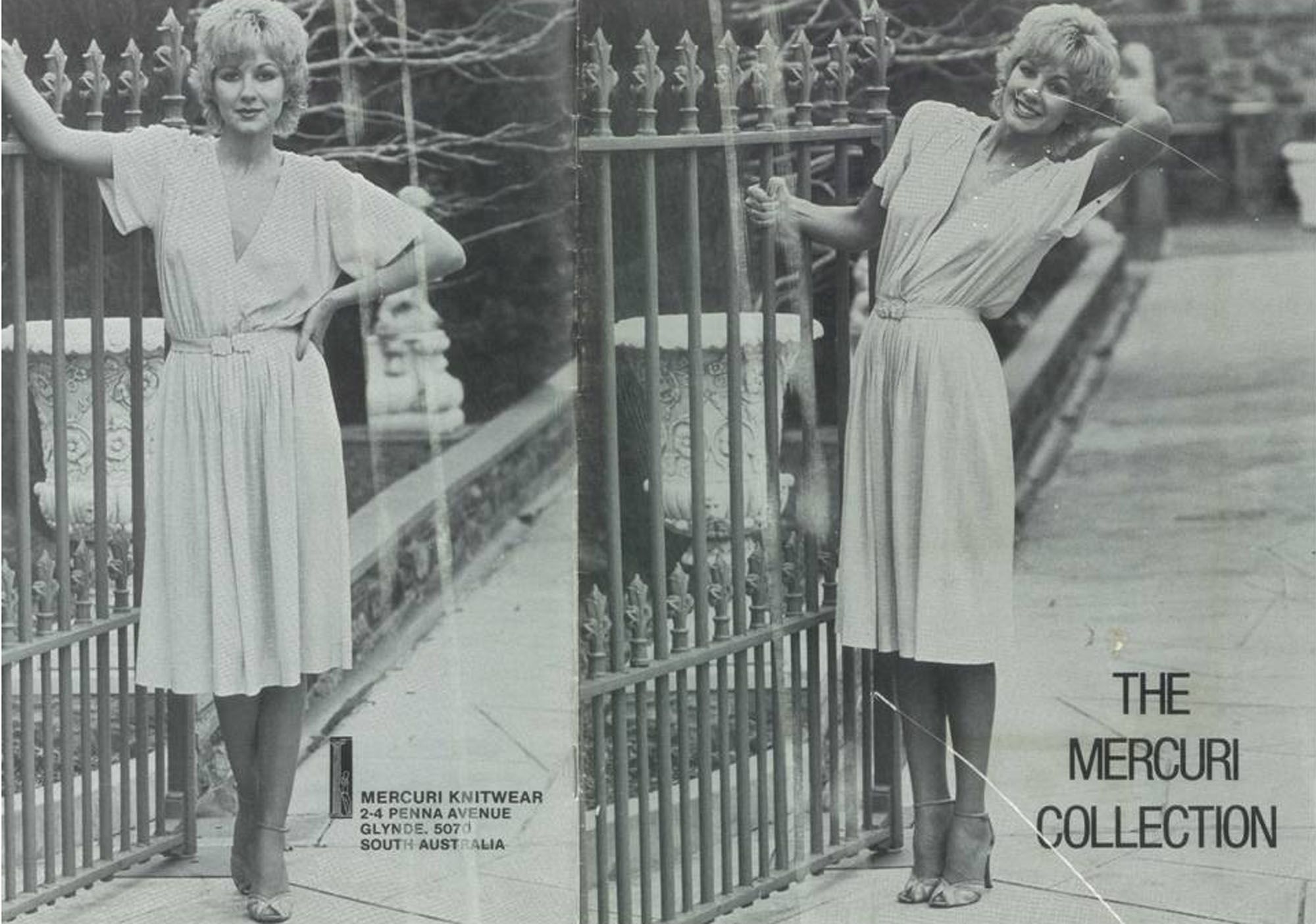
The Mercuri collection from Mercuri knitwear; image courtesy of Ennio
The Mercuri collection from Mercuri knitwear; image courtesy of Ennio


The Mercuri collection from Mercuri Knitwear; image courtesy of Ennio
The Mercuri collection from Mercuri Knitwear; image courtesy of Ennio


Where did the idea for this transformation come from?
A family friend serendipitously introduced us to a new textile product called elastic netting. After some investigation, my father realised its potential, especially considering his knowledge with textiles. Elastic netting opened the door to a plethora of new product ideas, marketing and manufacturing techniques without requiring a complete labour overhaul. It also allowed my parents the comfort of maintaining their business and status without relocating.




My parents took a risk that enabled the eventual success of their brand, as well as the success of their children and grandchildren.

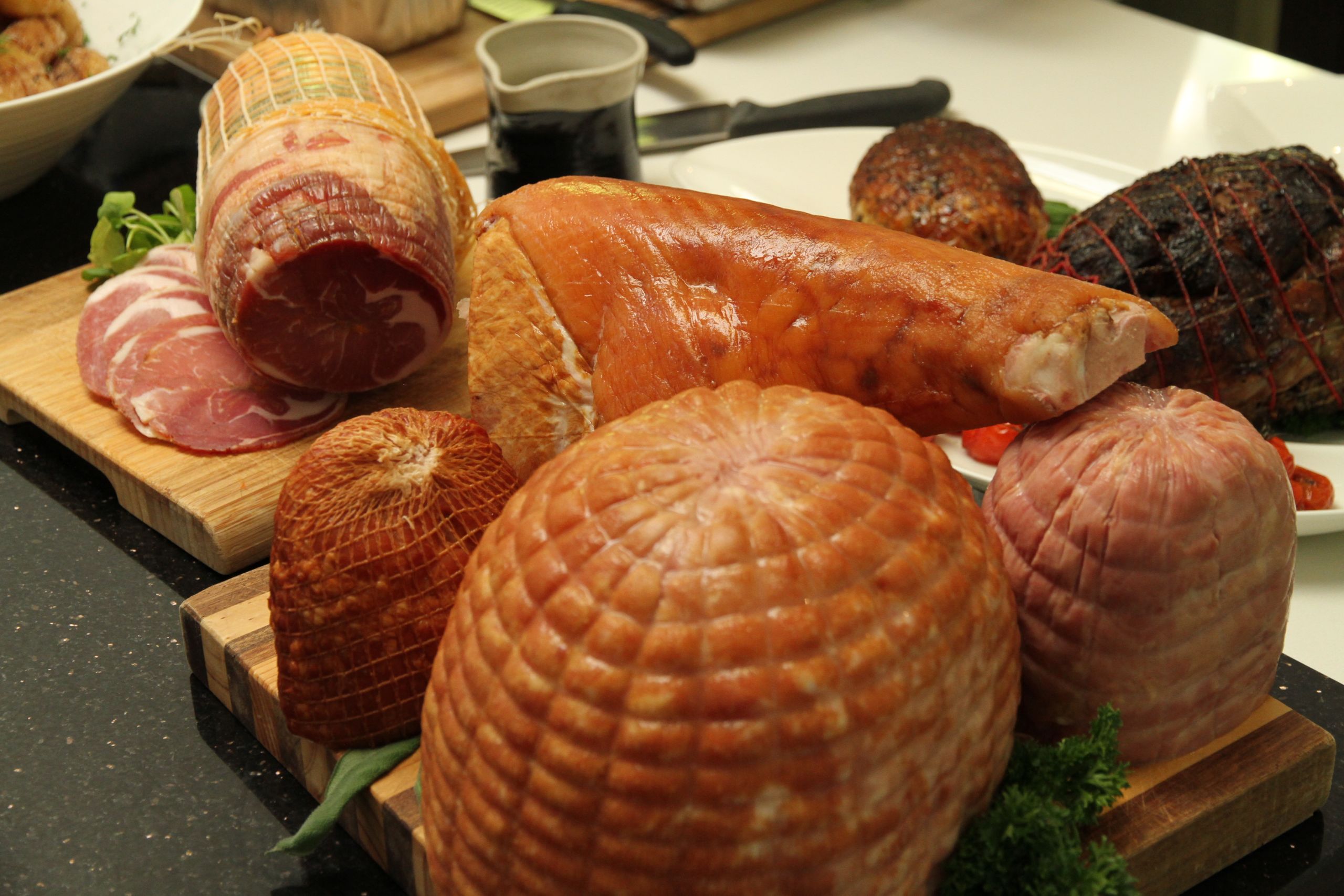
Smallgoods made in Ennio netting; image courtesy of Ennio
Smallgoods made in Ennio netting; image courtesy of Ennio

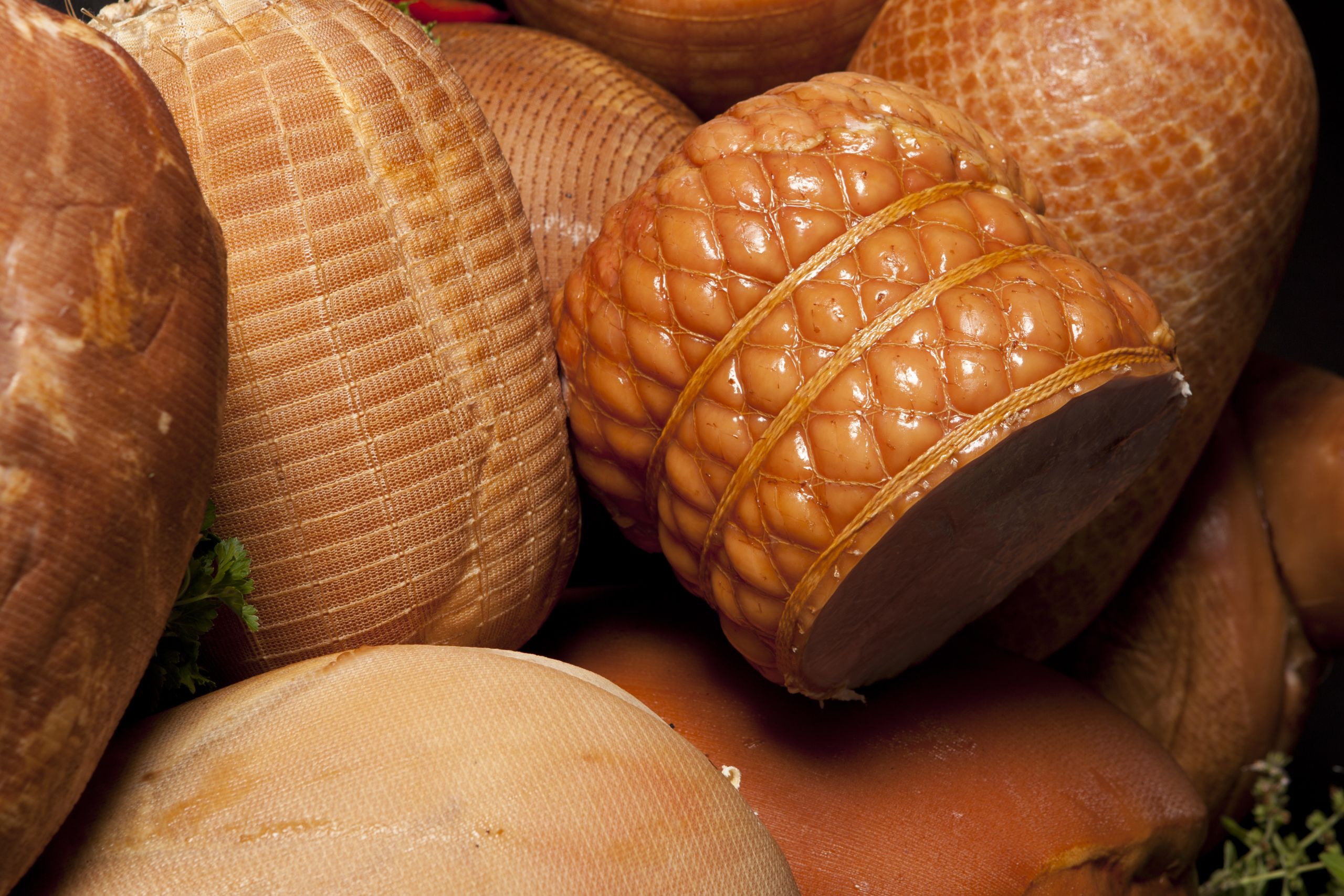
Smallgoods made in Ennio netting; image courtesy of Ennio
Smallgoods made in Ennio netting; image courtesy of Ennio
How important is adaptation when it comes to ensuring multigenerational sustainability?
Innovation is key. Our brand has gone from dressing people to dressing food. The materials have changed, but the end goal is the same: to achieve an appealing aesthetic.
My parents took a risk that enabled the eventual success of their brand, as well as the success of their children and grandchildren. As the business started to grow in this new direction, my father included me in its marketing as much as possible. Although I was an architect at the time and hadn't yet studied the business, my involvement was encouraged as were my interests external to it.
Their support inspired me to continue my education, and after graduating with an MBA, I was able to delve into how Ennio could adapt and stay relevant. I then had the skills to investigate how we could manipulate and adopt new techniques and technologies, which went a long way to ensuring our sustainability. We were open to expanding from domestic trade into international export, open to modern eco-friendly trends and open to change.
If you're going to establish a system aimed at spanning generations, you have to be willing to evolve.

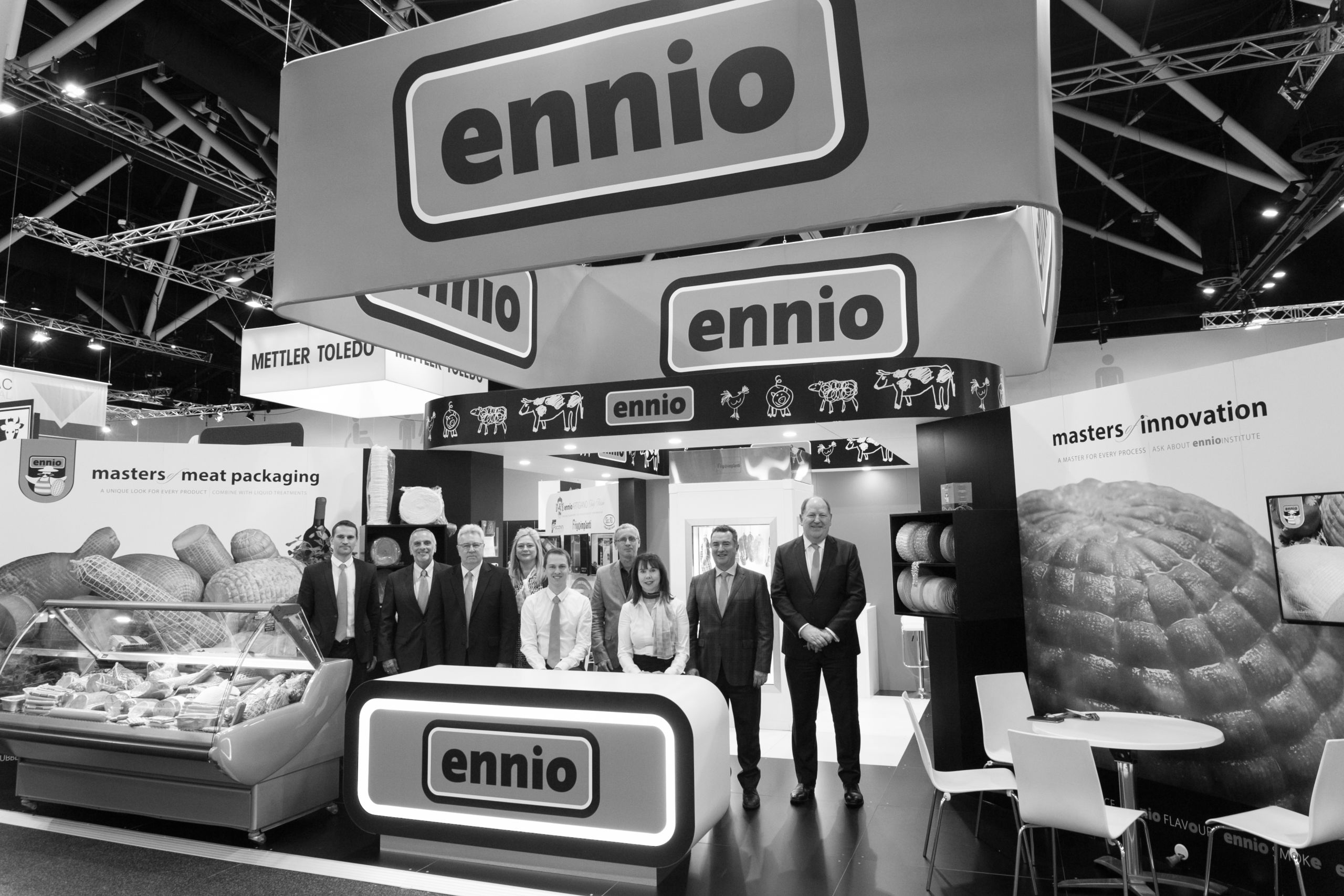

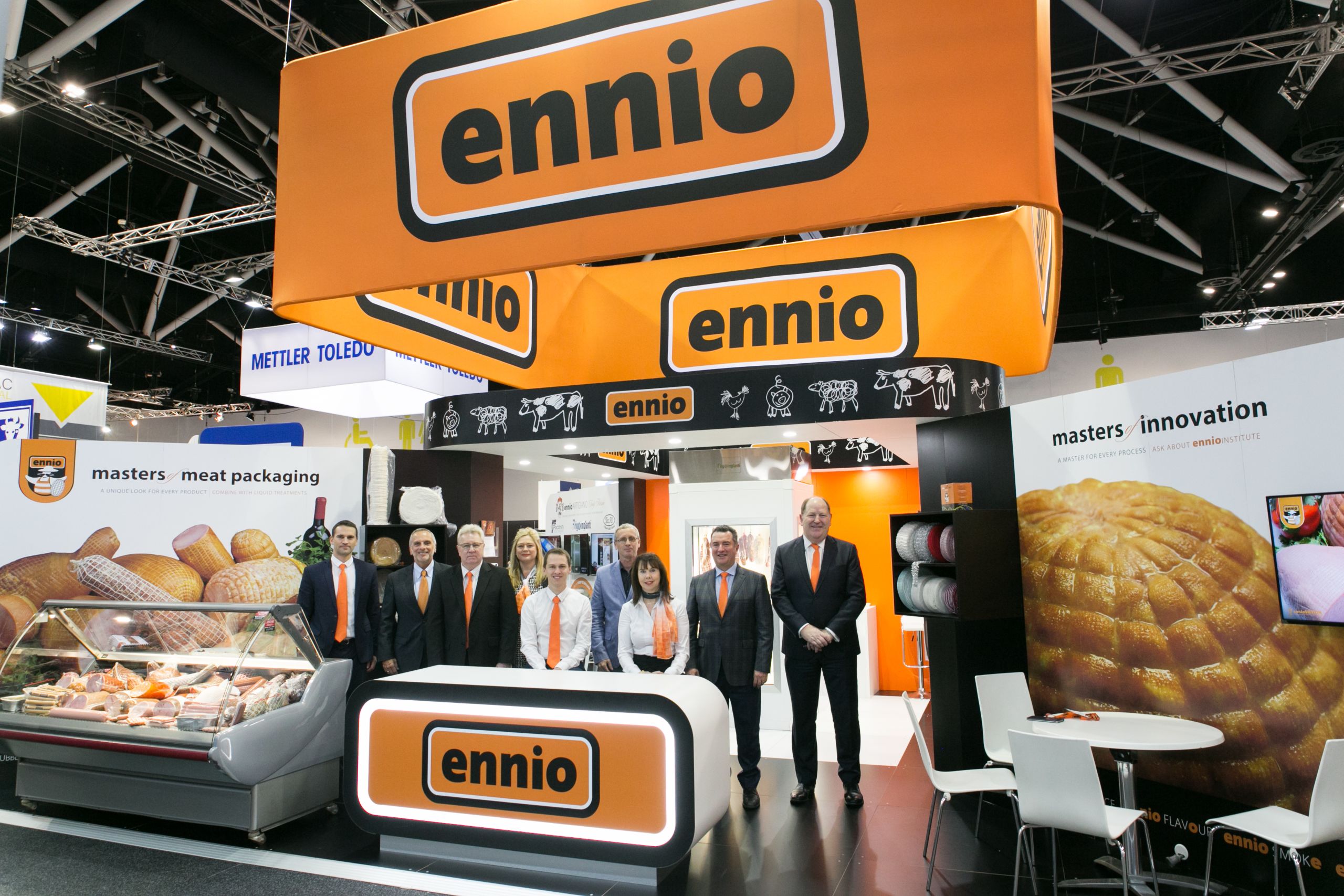

If you're going to establish a system aimed at spanning generations, you have to be willing to evolve.
How has competition in your industry changed over the last decade?
Thanks to globalisation, our primary customer base is the USA. Companies all over the world are rapidly expanding; on the one hand, this is terrific because our export potential increases, but on the other hand, our competition intensifies as the whole industry becomes more sophisticated globally.
Over the last ten years, we've seen increasing competition in our domestic market, and we've had to innovate as a result. We're staying on top of dietary needs and trends as best as we can. In 2016, for example, we introduced our new netting and edible collagen, and we've pushed through vegetarian, vegan, kosher and halal casing options since. We also work with an Italian ingredients company to bring options which combine clean food production with natural ingredients while maintaining traditional Italian flavours.
In the end, our role is to create something that's pleasing to the eye. They should be able to focus on the food's production while we focus on the aesthetic. We're currently hiring more R&D staff to keep up all the ideas we want to bring to the table.

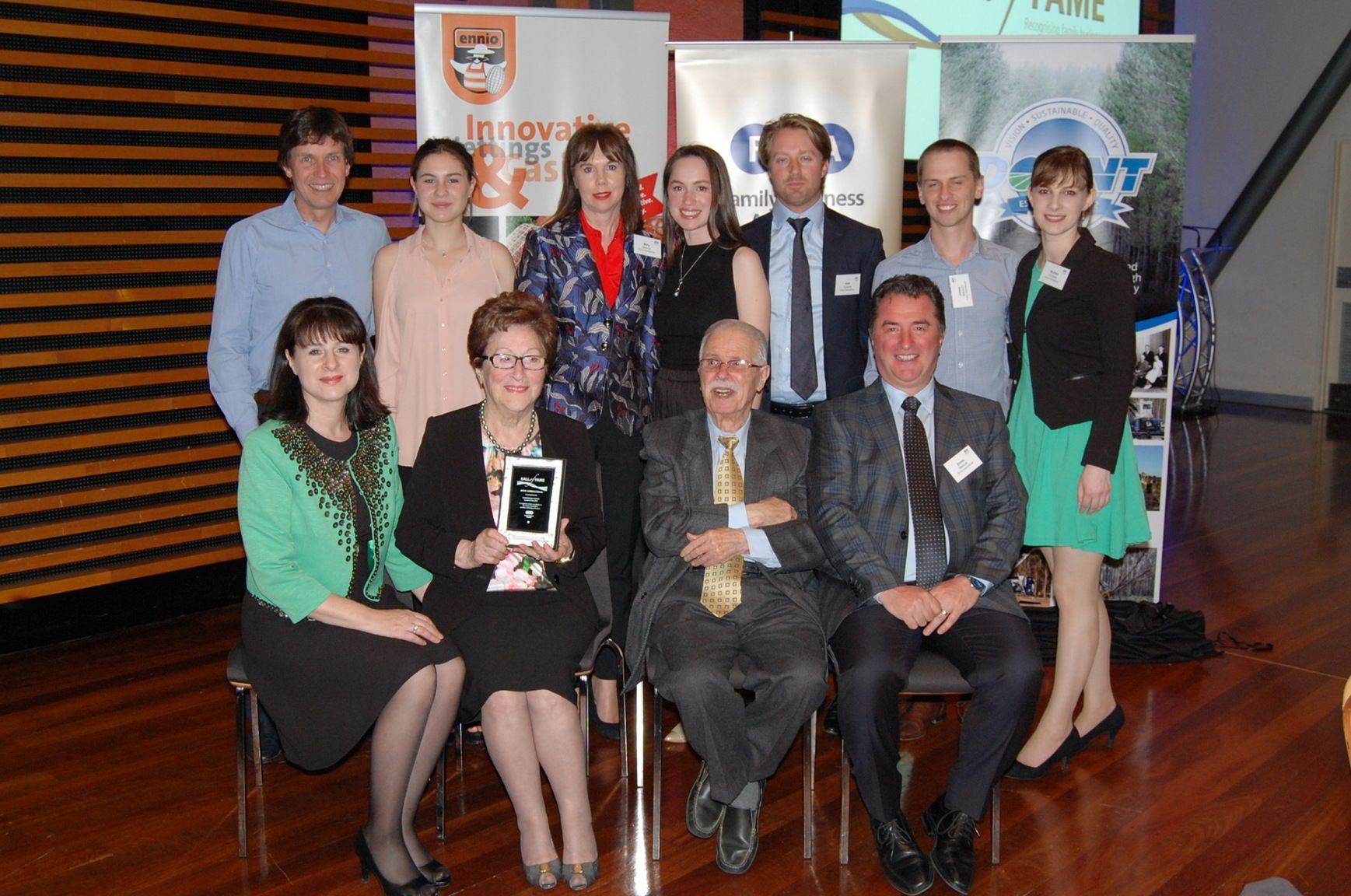
Three generations of the Mercuri Family at the FBA Hall of Fame; image courtesy of Ennio
Three generations of the Mercuri Family at the FBA Hall of Fame; image courtesy of Ennio

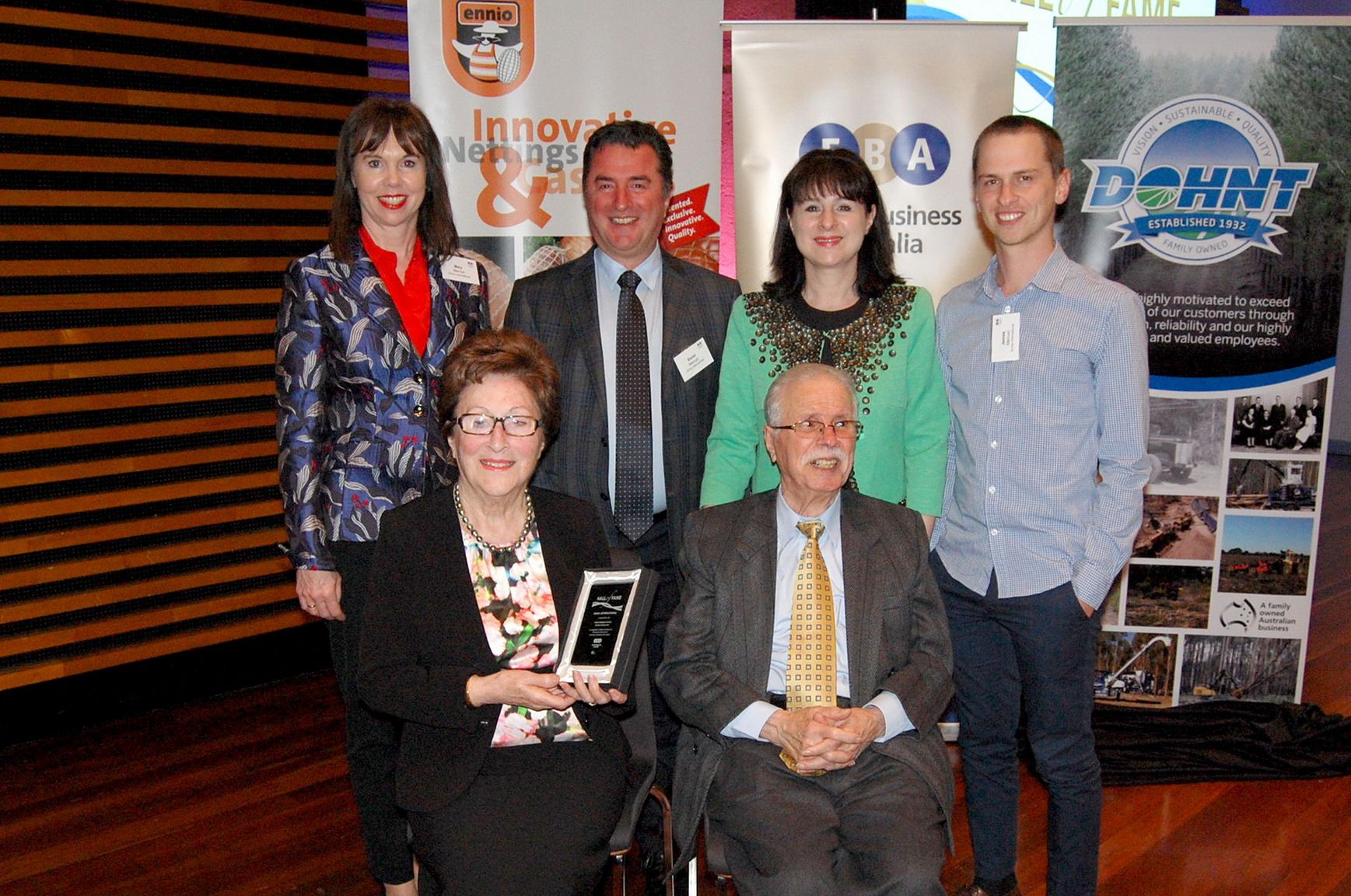
Three generations of the Mercuri Family at the FBA Hall of Fame; image courtesy of Ennio
Three generations of the Mercuri Family at the FBA Hall of Fame; image courtesy of Ennio
Do you anticipate another radical transition in Ennio's future?
Not all at once. When my parents transitioned into nettings and casings, the idea was to leave the previous business behind. I, however, don't see that strict disassociation as an option in our future. As we expand, we're always experimenting with how we can integrate various methods of textile production into our platform. So far, we've looked into medical textiles and yarn production – whatever we can bring into the fold.
Right now, it would be disadvantageous for us to move into a totally new medium. Instead, we will continue to evolve within the textile industry as much as possible while keeping sight of what we already excel at.

Will Ennio stay in the family?
Yes, I believe that it will. As for ensuring the familial aspect of sustainability, working in a family business comes with conflict – and, naturally, we've endured our share of that. However, the inclusiveness of our family, without the pressure of being involved when passion is lacking, has promoted retention. Sometimes, family businesses have a tendency to push the next generation to take on roles that they're uninterested in, which causes tension. We maintain mutual respect for one another even if we don't agree.
The family members that are now in the business want to be here; they enjoy their position. People are more important than money, and that's the crux of it. My relationships with my sister, my son and my wife are more important to me than anything else. I value them more than whatever wealth we may be able to attain, and that's the key: family is more important than money.


 Built with Shorthand