
Dixza Rugs and Organic Farm:
Weaving Worlds Together
Interview with Dr Samuel Bautista Lazo
Co-owner, Dixza Rugs and Organic Farm, Benizaa, Mexico

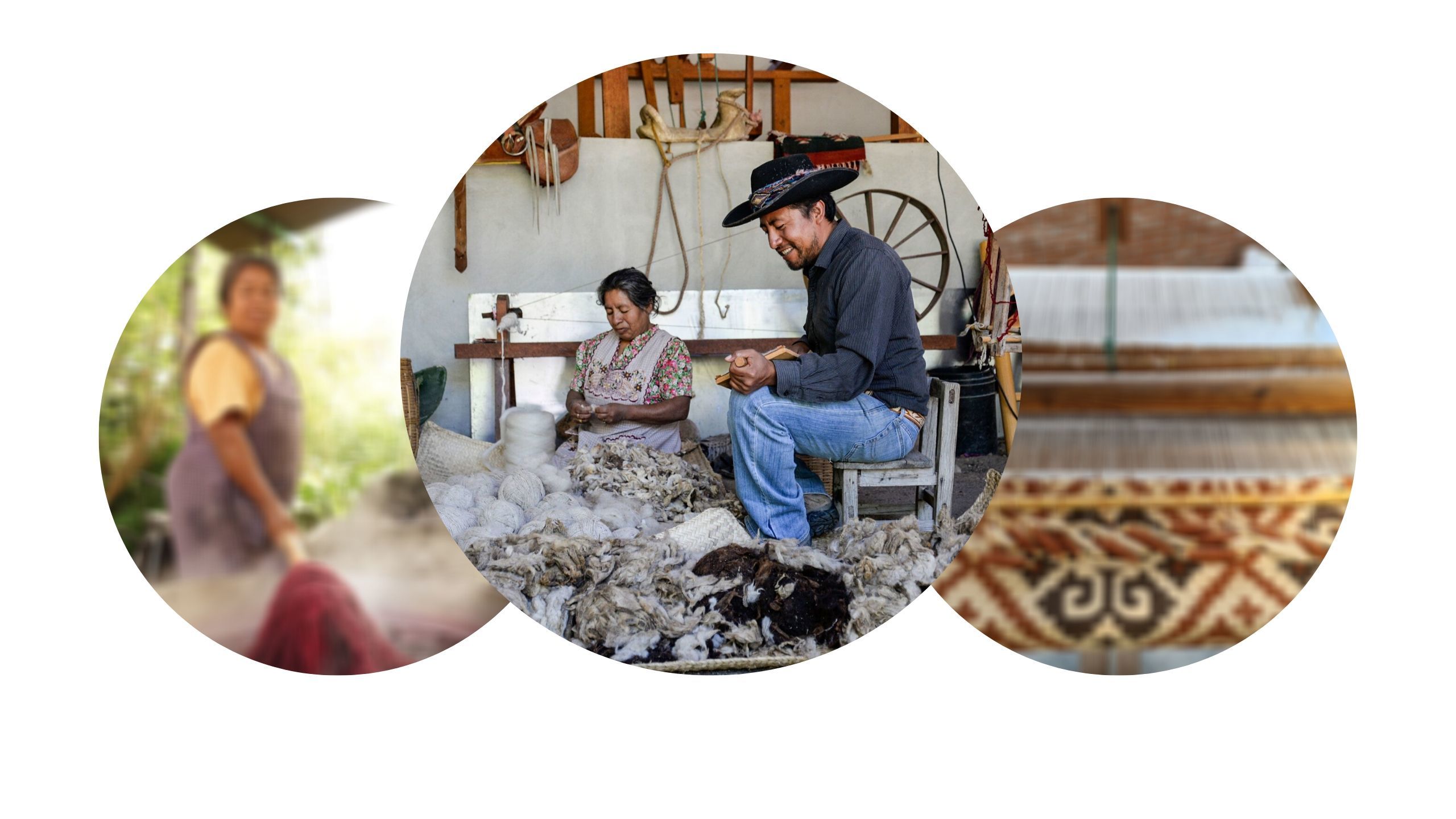
In the remote mountain village of Xiguie'a (Teotitlán del Valle), Mexico, Benizaa (Zapotec) families combine a consummately modern approach to marketing with ancient artisanship and singular local wisdom. The 14,000-year-old craft of Benizaa textile has gained traction with a global audience on the digital marketplace through Dixza Rugs and Organic Farm.
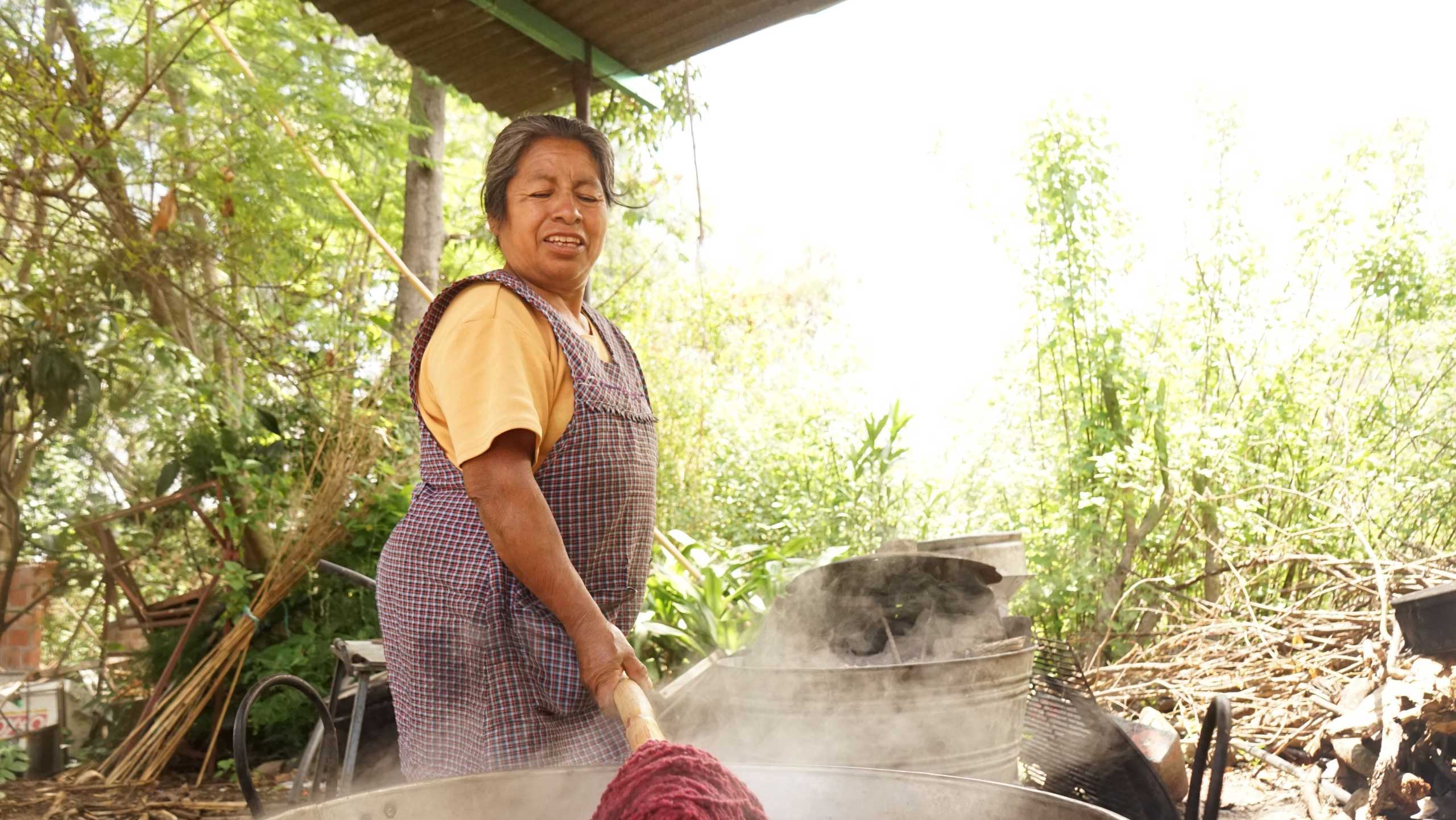
Dixza is a business owned and operated by the Bautista Lazo family, master weavers for countless generations. Their rugs are hand-died and woven from “criollo” native wool, which honours both the timeless method of their ancestors, as well as the enduring quality they produced.
Samuel Bautista Lazo is the latest in a long line of Bautista Lazos to run the business. Unlike his ancestors, however, he studied in England where his research focused on eco-efficiency, industrial ecology, eco-design and industrial waste management. It was other more mundane experiences while in London, however, that led to a sea change in the way his family business would operate.
After the economic downturn of 2008, when his parents were turning away from rug weaving to concentrate on farming, Samuel was thinking of new ways to breathe life into the Benizaa textile industry. He recalled how visitors to their village were fascinated by the weaving process; they loved seeing it come together up close. After multiple stays at Airbnbs in London, he decided that the best way to leverage that interest was to launch an immersive experience through Airbnb for their family’s rug weaving operation.
The idea took off, and the bookings poured in. Travellers were enthralled not only by the looms, hand-dying and wool making but also by the farm itself and its pastoral surroundings. Moreover, the influx of visitors translated to a significant increase in rugs sold. Fittingly, the Benizaa, which translates to “people from the clouds”, found a new channel for their ancient craft in a cloud-based platform.
We sat down with Samuel Bautista Lazo to discuss the fundamentals of rug weaving, the importance of sharing indigenous wisdom and the next generation's take on traditional artisanship.


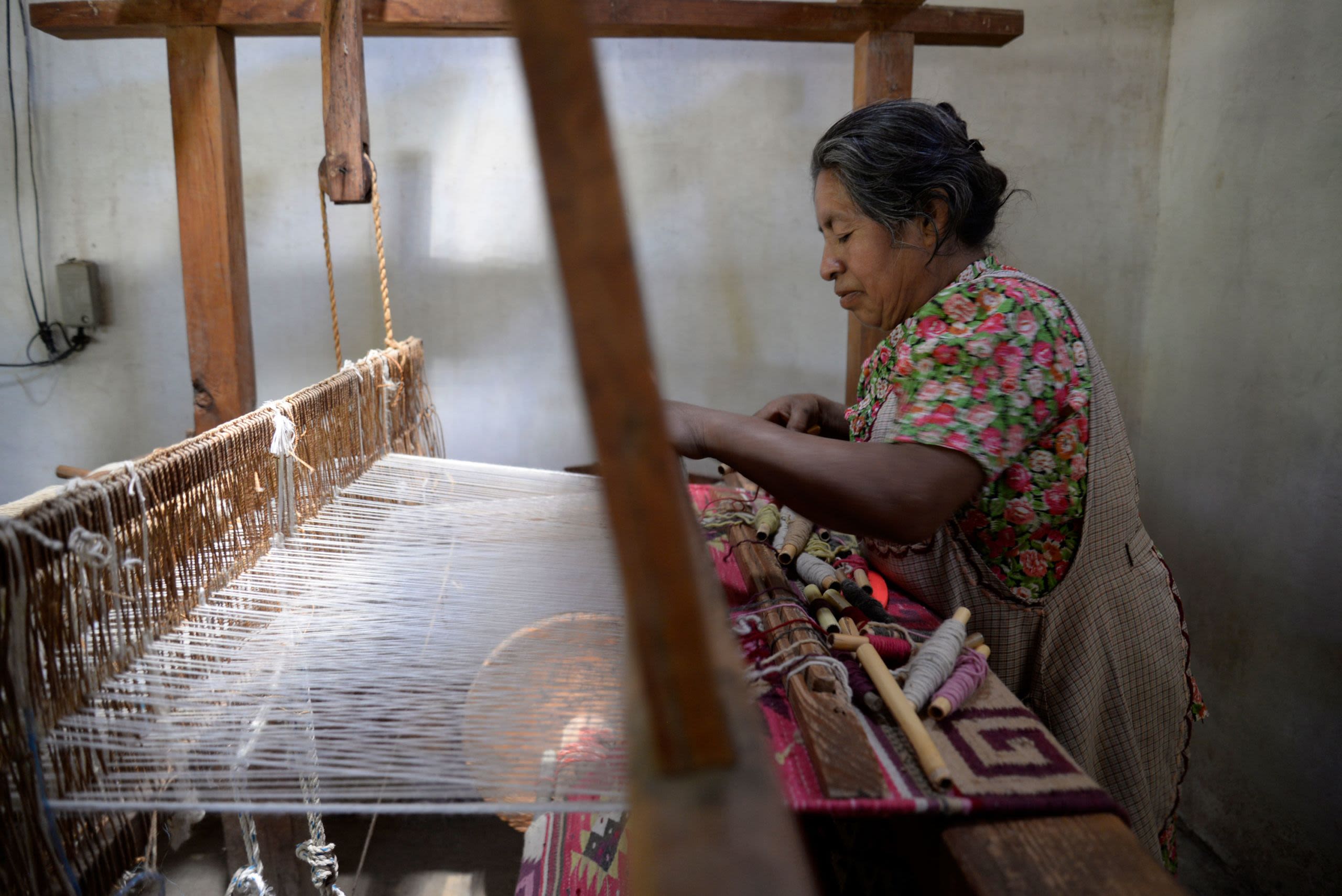
How far back do the roots of Benizaa weaving extend?
Our history with weaving can be traced back to 14,000-year-old textiles made with agave fibres, which were one of the earliest materials used in this valley to make rugs. This was before we domesticated wild cotton, and before we started to use wool, which was more than 500 years ago. Weaving is central to our community heritage; it's our way of life.
After my parents got married, they worked both on weaving and farming but gradually transitioned to weaving primarily. By the 1980s, they had 30 weavers working with them from their village and the neighbouring villages. They wove wholesale rugs that were imported to the Southwestern United States.
Growing up, I always had a part to play in the family business, making rugs, creating invoices and tracking our deliveries. I learned the initial steps of the craft from working with wool and helping to dye it. Then, when I was tall enough to get on a loom, I started weaving.
Did you ever feel like there was a conflict between safeguarding your traditions and commercialising them for the outside world?
It is a fine balance, no question, but sharing always came naturally to us. When we would go to the market to sell a rug, we would always invite people to see our town. We're proud of the sacred mountain, and we love to show them the remnants of an ancient sacred site that preserves some of the motifs that we still weave.
The market here is also sacred – a place where we all meet, not just to sell products, but also to share stories and make friends. That’s where my parents first met, coincidentally.
We were always open to sharing our craft with people who would come by the market. We fed them and suggested they look around. Not many people visited, but the ones that did got very excited.
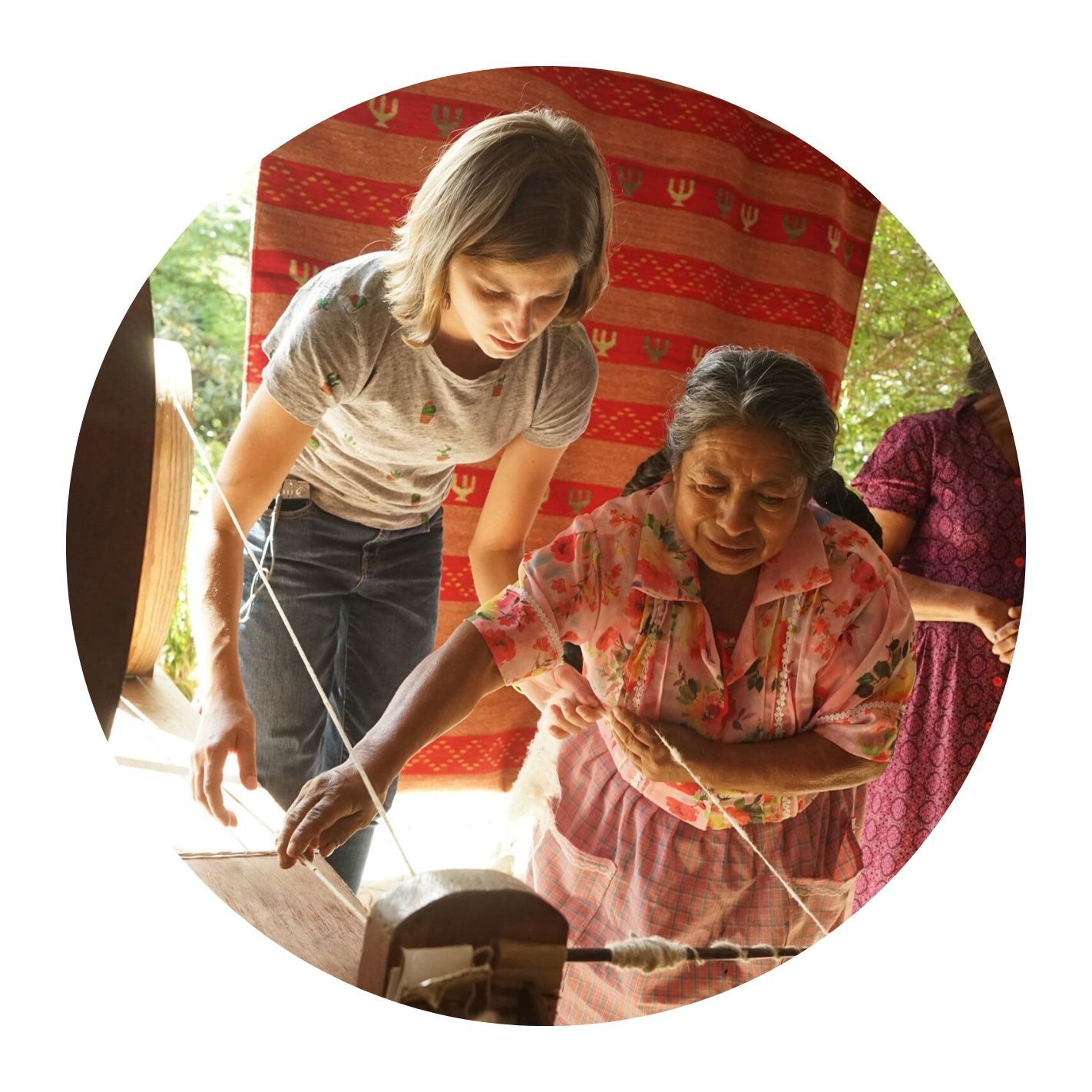
For some insight into what it was they saw, we would give them a hands-on weaving experience. They were fascinated by the process because it is not as easy as it seems. To stand on the loom and to shift your weight from one pedal to another, using your core muscles to maintain your balance is very difficult, but they loved it.








Exploring how to structure and manage your collective assets and wealth in turbulent times.
Leading the Family Office
October 28-30, 2020
imd.org/lfo


Is this where the idea of using modern digital platforms like Airbnb first occurred to you?
Perhaps the seed of it, yes. I studied sustainable manufacturing in England and returned after 2008 when the economy crashed. At the time, my parents had decided to focus more on farming while doing some weaving on the side.
When I came back, I brought with me new ideas about how to develop those intimate connections we made with our customers and was newly familiar with Airbnb having used it in London. That experience of being abroad and being exposed to new technology gave me a global perspective, which helped me to see the business in a new light.
I came to the realisation that weaving is an essential skill for living on this planet. Just like growing your own food, you need to learn how to make your own clothes. When you do, you appreciate the connection to the raw materials of the earth that go into making that cloth, and you also see the direct impact it has.
In the past, we were more secretive about our weaving techniques. We thought that our centuries-long stewardship of these techniques meant that we had to protect them – that they were ours exclusively. However, I believe that our craft must now be shared with the world because weaving is central to the human experience and not just to our culture. I wish to share that wisdom to help make this a better world one thread at a time.






The fewer IKEA rugs people buy, the better it is for the local craftspeople. The real threat occurs when these big corporations appropriate our patterns, symbols and culture to market cheaply made rugs for mass consumption.


Dr Samuel Bautista Lazo weaving on a small loom, courtesy of Dixza Rugs and Organic Farm
Dr Samuel Bautista Lazo weaving on a small loom, courtesy of Dixza Rugs and Organic Farm









Did you face resistance in your community from those who saw weaving as a cultural secret?
I think some people may have been worried that if outsiders learned our craft, then they would become our immediate competitors. My view is different: if a 60-year-old retired grandma learns this craft to make a few rugs for her grandsons, it doesn't really affect us. On the contrary, it expands the culture of weaving handmade items.
The fewer IKEA rugs people buy, the better it is for the local craftspeople. The real threat occurs when these big corporations appropriate our patterns, symbols and culture to market cheaply made rugs for mass consumption.
What do your guests take away with them after getting a glimpse into your business?
What really speaks to people is our sense of connectedness within our community. For example, whenever I begin working with a new weaver, I believe that he or she can be a part of the family someday. It is that trust and the intimate connections that grow from it that make businesses work better. I trust that when I give this weaver the yarn, he will use it for the rug and not sell it or take shortcuts to weave our rugs in an inferior manner – and they don't.
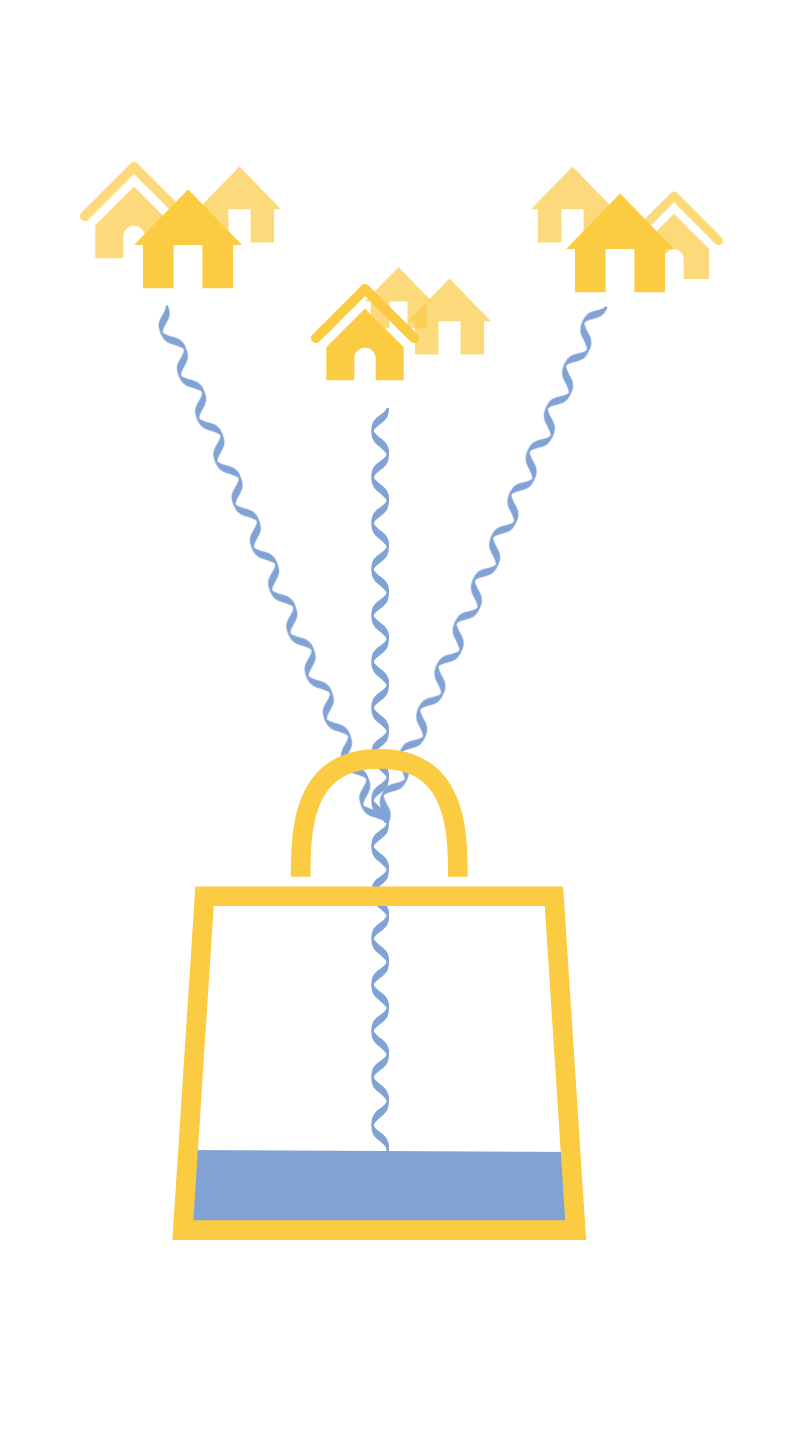
There will always be occasional frustration with immediate family members, but trust restores the harmony. That trust extends across a wide network. Currently, between three villages, we manage to weave 12 tons of rugs per month. We give our guests a glimpse into what I call the indigenous production system. When people see how we work together communally, they want to be a part of it somehow.

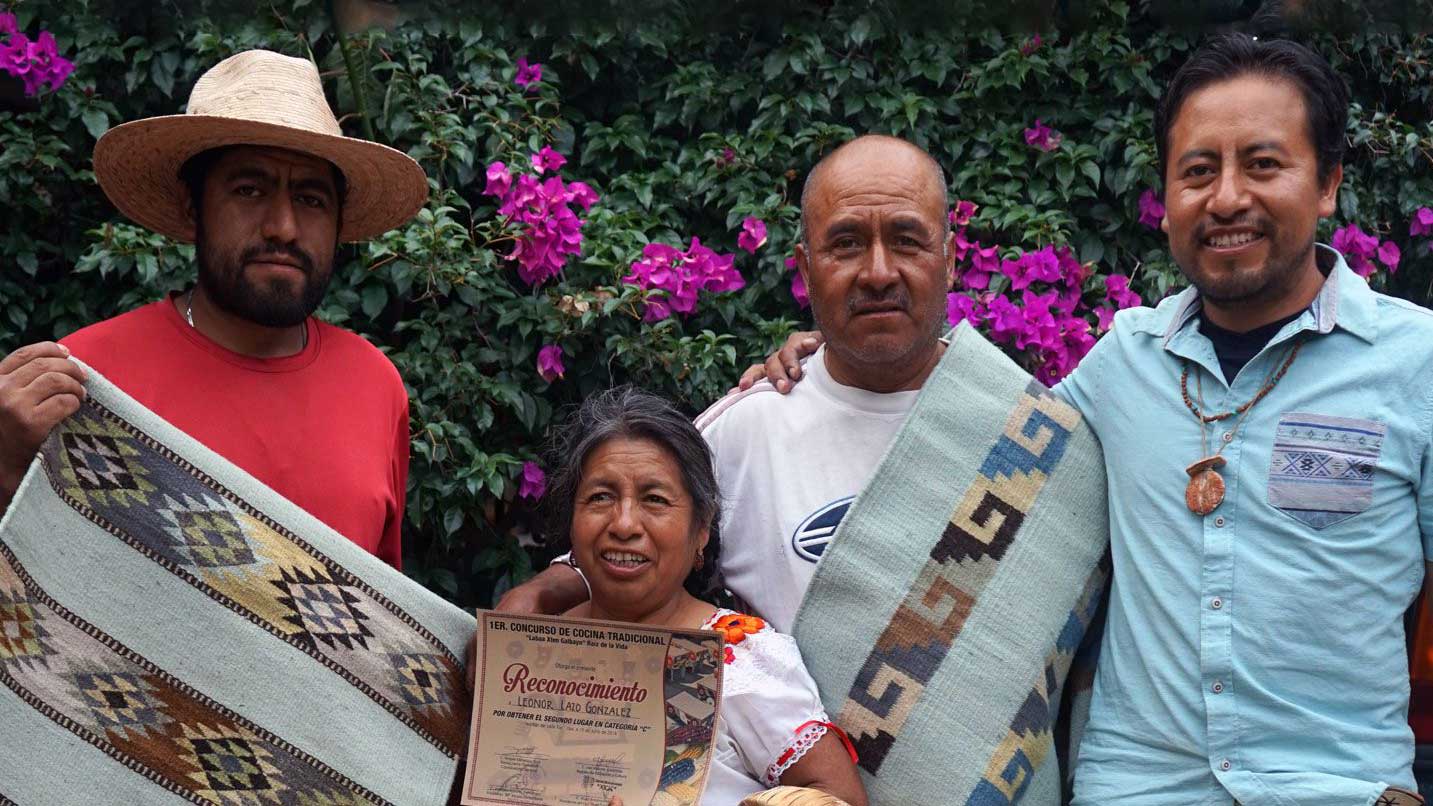


We have an ancestral connection to this land that goes back at least 30,000 years, and that is something very unique to our village. I see the young generations now promoting their family’s work on Instagram and other platforms. Even if they go away, many come back.
Is the next generation of Benizaa motivated to stay in the village and work in traditional industries?
We have an ancestral connection to this land that goes back at least 30,000 years, and that is something very unique to our village. I see the young generations now promoting their family’s work on Instagram and other platforms. Even if they go away, many come back. I have a friend who met a girl from Germany, fell in love, and now they’re back here and weaving amazing rugs.
With every generation, our textiles are constantly evolving. Currently, we're using a broad range of materials from hand-spun yarns by Benizaa grandmas in Chichicapam to yarns from family-owned spinneries under the Xinantecatl Volcano in Toluca. Regardless, these artisans are constantly trying to figure out how adapt their machines to produce different types of yarn.
We're striking a balance between ancient, traditional and modern. The younger generations might be wearing ripped jeans and an Oaxacan top, but that's what works for them. They are connected to the internet, but they are still listening to the elders.



 Built with Shorthand