Compaxo
The Balance Between What Was and What Will Be


Interview with Michael van der Post, Compaxo, The Netherlands
As a sixth-generation leader in his family’s meat processing business, Compaxo BV, Michael van der Post walks a virtual tightrope. He must honour and acknowledge five generations of family business legacy while at the same time maintaining the forward-facing attitudes necessary to ensure Compaxo's sustainability through the 21st century.
Headquartered in Gouda in the Netherlands, Compaxo can trace its roots back to 1896 when Johannes van der Post opened a pork butcher’s shop. However, the van der Post family considers 1921 to be when the business enterprise was officially launched, and plans are underway to celebrate the centennial next year.
From those early days as a single butcher shop, Compaxo has grown into one of Europe’s most successful pork processing operations. Today, Michael van der Post is one of 13 shareholders tasked with guiding this century-old operation through the era of digital disruption.
Like many members of the van der Post family, Michael has an active role in the business, having served as Production Manager for two years, then Account Manager for another two, before taking on his current role as Commercial Manager.
Michael and his sixth-generation cohorts rely on the previous generation for counsel and guidance as they continue to move the business forward, which is no simple task; the meat processing industry is currently changing faster than at any other time in history. Digital disruption and the growing demand for plant-based alternatives to meat represent new challenges that previous generations could not have imagined.
Recently, we sat down with Michael van der Post to discuss his early memories of the business, what motivates the younger generations to uphold traditions and how Compaxo is adapting to an ever-changing meat processing industry.
What does the ownership structure of your sixth-generation family business look like?
We are currently working with a total of 13 shareholders, so keeping everything harmonious can sometimes be challenging. For us, it comes down to trust and clearly defined roles within the family. That way, there is room for everyone’s ambition, and individuals can advance as far as they like within the business.
We have a strict rule written in the company by-laws: everyone has to work every day for the company in one way or another. It can be as simple as serving as a shareholder, but everyone needs to be active every day. I see this as being very important in keeping everyone focused, involved and committed to what we are doing.

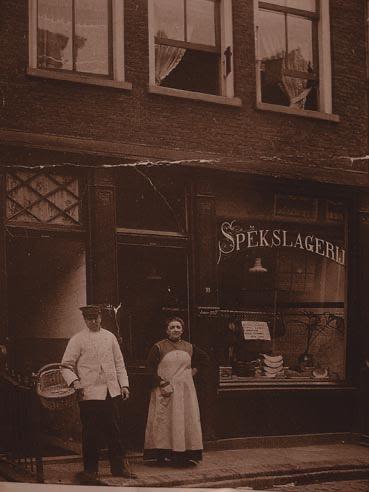
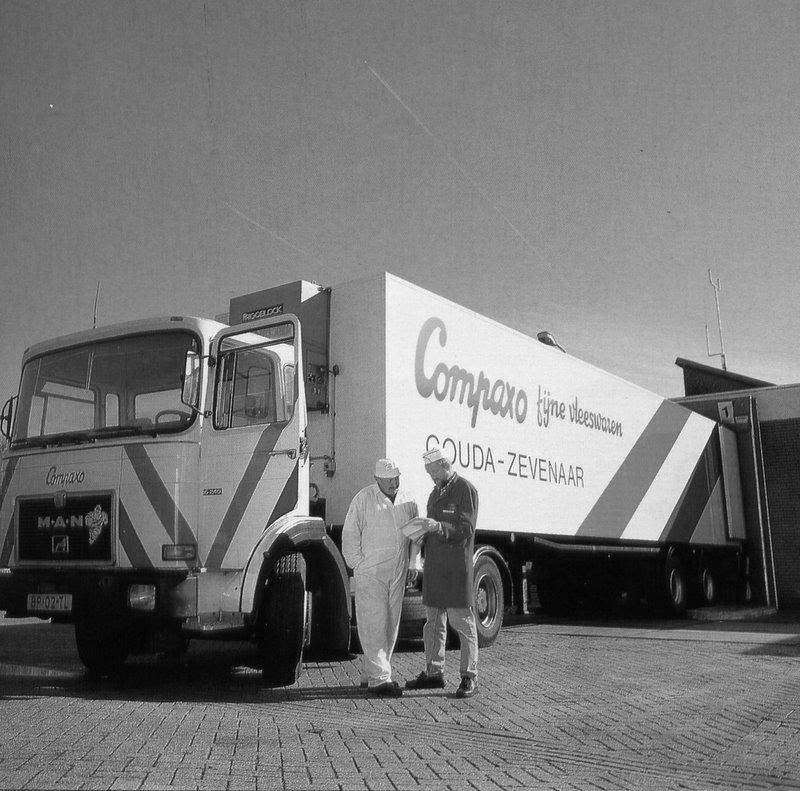
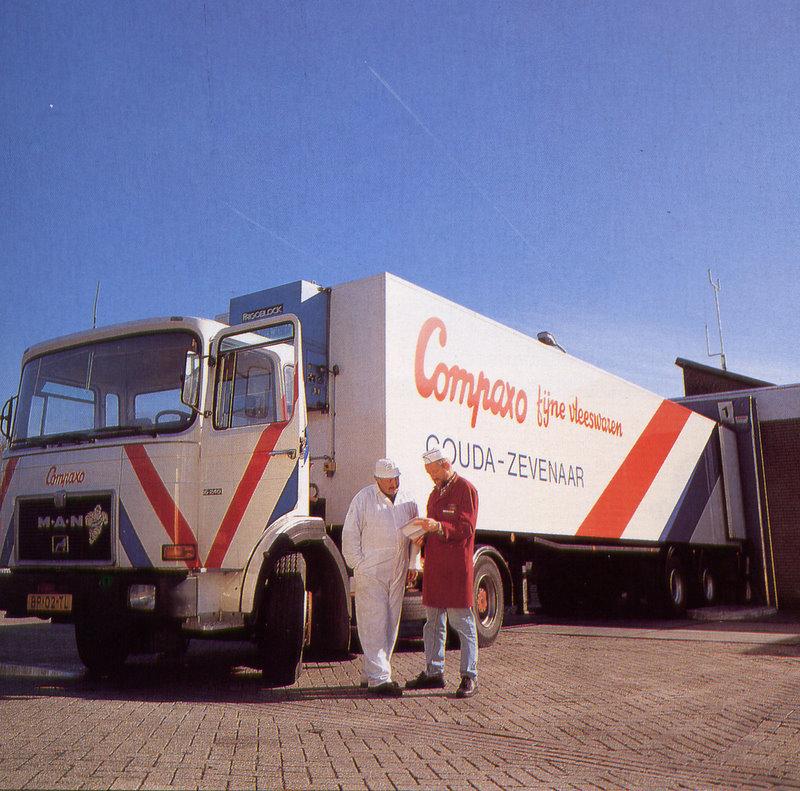
The first generation
The first generation

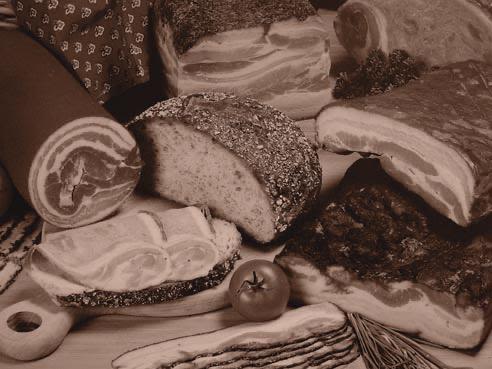
Image courtesy of Compaxo
Image courtesy of Compaxo


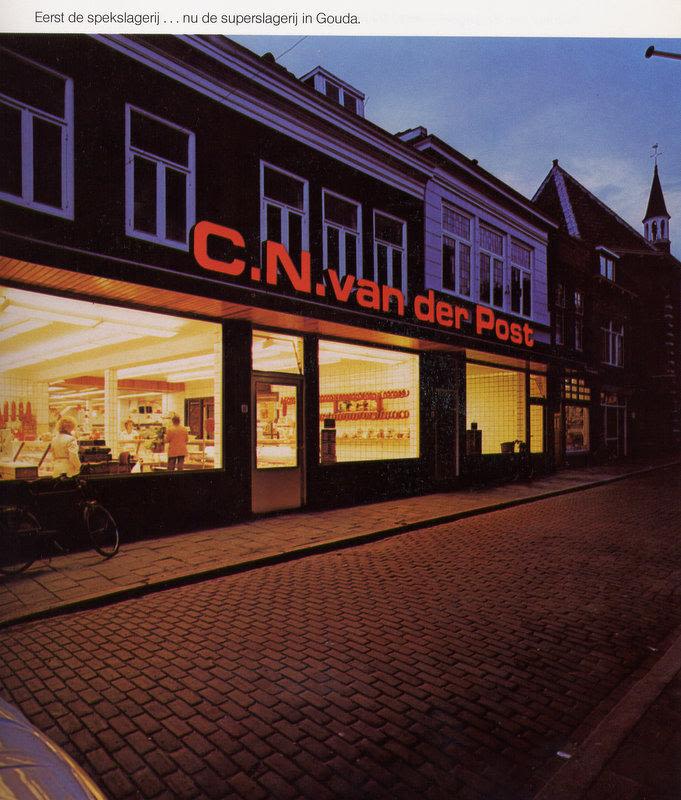
We often look to the experience of our predecessors. Once every couple of months, the older generation comes together to offer formal advice and guidance where needed.


Michael van der Post, Commercial Manager at Compaxo
Michael van der Post, Commercial Manager at Compaxo
When did you first become aware that you were part of a family business legacy?
I have always been aware that I am part of a successful family business, even as a young child, when I would occasionally go with my dad to the office. As I grew older, I started working in the factory for a few hours per week. It was just something I grew up with, and I think it was the same for the other kids in my generation.


My father never pushed me to work in the company. Instead, he encouraged me to be independent and focus on my studies. However, it was always clear to me that I was part of something bigger. And part of my desire to continue the Compaxo legacy was born out of a sense of gratitude for what it provided me with regard to my childhood and home life.
What level of experience is required before a family member can join the business?
There is no formal requirement. Most of the older generation completed high school education, then immediately started working for Compaxo. Some went to college or university to continue their studies, or gained experience from internships with other companies first.
I think that has always been the older generations’ preferred method of bringing on the next generation. It just feels quite natural.


In general, the common goal should be to fulfil demand and bring authentic and innovative meat products to a market in which we constantly reinvent ourselves with continued pride and passion.
As your generation now takes a bigger role in running the business, how would you like to make your mark on it?
In general, the common goal should be to fulfil demand and bring authentic and innovative meat products to a market in which we constantly reinvent ourselves with continued pride and passion.
I can't speak for everyone in my generation, but I think it’s safe to say that international expansion is a way of doing this. It is also just part of how the market naturally evolves. The situation in the local markets, especially in the factory-processed meat sector, is a reality we simply cannot deny.
Internationalisation thus becomes less of a choice and more of a necessity. Even so, I think the goals for the business can vary between individual family members.
What are some of the recent changes in the industry that are pushing you towards innovation?
The most obvious is the recent spike in popularity, and growing demand for, plant-based alternatives to meat. We started research and development on these products about five years ago, and now, they make up a large part of our revenue.
It’s hard to put into numbers, but for me, it seems clear that the ‘flexitarian’ lifestyle is not going to disappear anytime soon. That said, I do not think that meat consumption is ever going to disappear either. We will likely see a hybrid consumption model, and we have to be ready for that.
Another transition involved refining our slaughterhouse division to be more responsive to the Asian market. A good deal of our revenue is derived from Asian countries, mainly due to increased pork consumption there. We saw an opportunity emerge and acted quickly to take advantage of it.

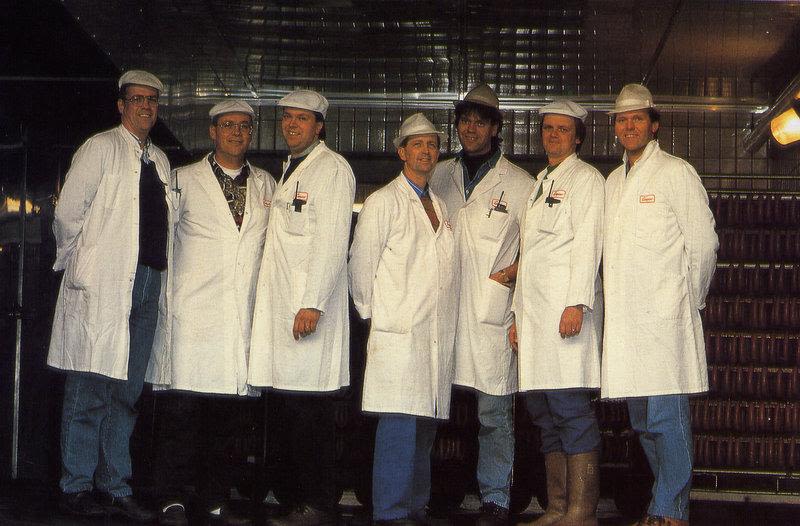
Image courtesy of Compaxo
Image courtesy of Compaxo


Image courtesy of Compaxo
Image courtesy of Compaxo
What support systems do you have available to you to help you deal with these critical issues facing the business?
We often look to the experience of our predecessors. Once every couple of months, the older generation comes together to offer formal advice and guidance where needed.

There is no question that it is important to listen to their advice and, therefore, learn from them. It also helps to fuel our entrepreneurial drive to get our new initiatives going. There's a lot of pressure within the industry to adapt to change, so we need to find a balance between acknowledging the past and looking to the future.
We also have to listen to our stakeholders – our employees, customers and suppliers. We just need to keep our eyes and ears open and adapt accordingly, but I believe that is the case for every business.
What is your vision for the business as it continues into the seventh and eighth generations?
Whenever we talk about the future, we look at it in terms of generations rather than quarters. I hope that continues.
Beyond that, you will always compare yourself to your competitors and hope you are staying strong in the marketplace. However, I think it is more important to maintain a common set of values that drive us to be better and grow with each subsequent generation.
The earlier generations did an excellent job of focusing on operations within the industry to ensure we had efficient production methods. Today, however, with the growing presence of digitalisation, I believe it is more important to focus outside the business.
That means improving Compaxo’s global image through a targeted marketing campaign. Although we have little interest in becoming a real consumer brand – instead, we are more of a private-label producer – I think it is important to focus on being more visible to the global community. If we can achieve this, Compaxo is headed in the right direction.

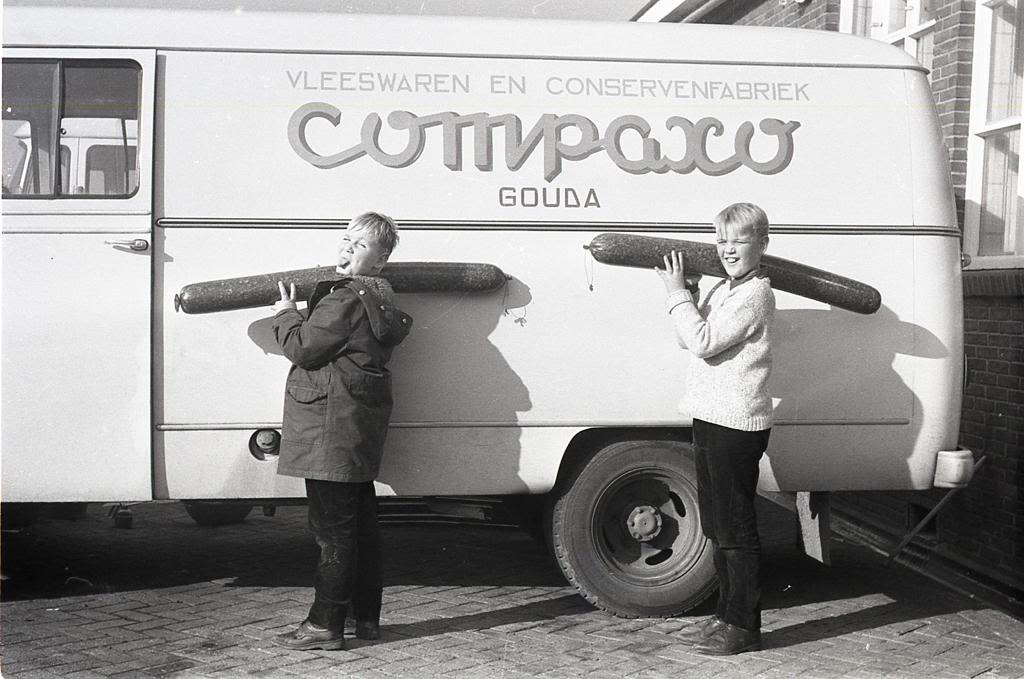

 Built with Shorthand