
Al Handal International Group: A Culture of Giving and the Family Office
Interview with Omar Al Handal, Managing Director at Al Handal International Group, Dubai Office

For over four decades, Iraqi Al Handal International Group (HIG) has played a critical role in the Middle East and North Africa's economic landscape. Founder Haji Noori Ayyed Al Handal rose from humble beginnings to create a successful group of companies with interests ranging from private banking to private security. And now, HIG has also given rise to a new initiative, the Al Handal family office – an investment vehicle benefitting from nearly half a century of operating experience.
Behind the Al Handal family's success lies a robust family governance framework. Over the years, HIG has implemented a milieu of initiatives formalising how family members contribute. The meritocratic culture this structure inspires removes confusion over roles and succession, enabling efficiency and security. Family members take pride in the assigned positions that are best suited to their capabilities and experience, knowing that performance in these roles will benefit the collective and be duly rewarded.
Aside from good governance, Omar Al Handal, grandson of the founder, highlights the family’s values and culture as the keys to its prosperity. Founder Haji Noori Ayyed Al Handal instills a sense of respect and collectivism in each generation. The resulting business identity is one that simultaneously celebrates Arabic culture and is open to shifting norms. In breaking with traditional gender roles, their family governance policy protects women's advancement in the business.
HIG is also a beacon of perseverance and resiliency in Iraq, a country that has faced much political conflict during the history of the company. The family's recent philanthropic endeavours equip Iraqi youth with the tools to overcome adversity and alter negative perceptions of the country.
We sat down with Omar Al Handal to discuss the importance of family governance, the role of culture and identity in a family office and how adversity can bring about positive change.
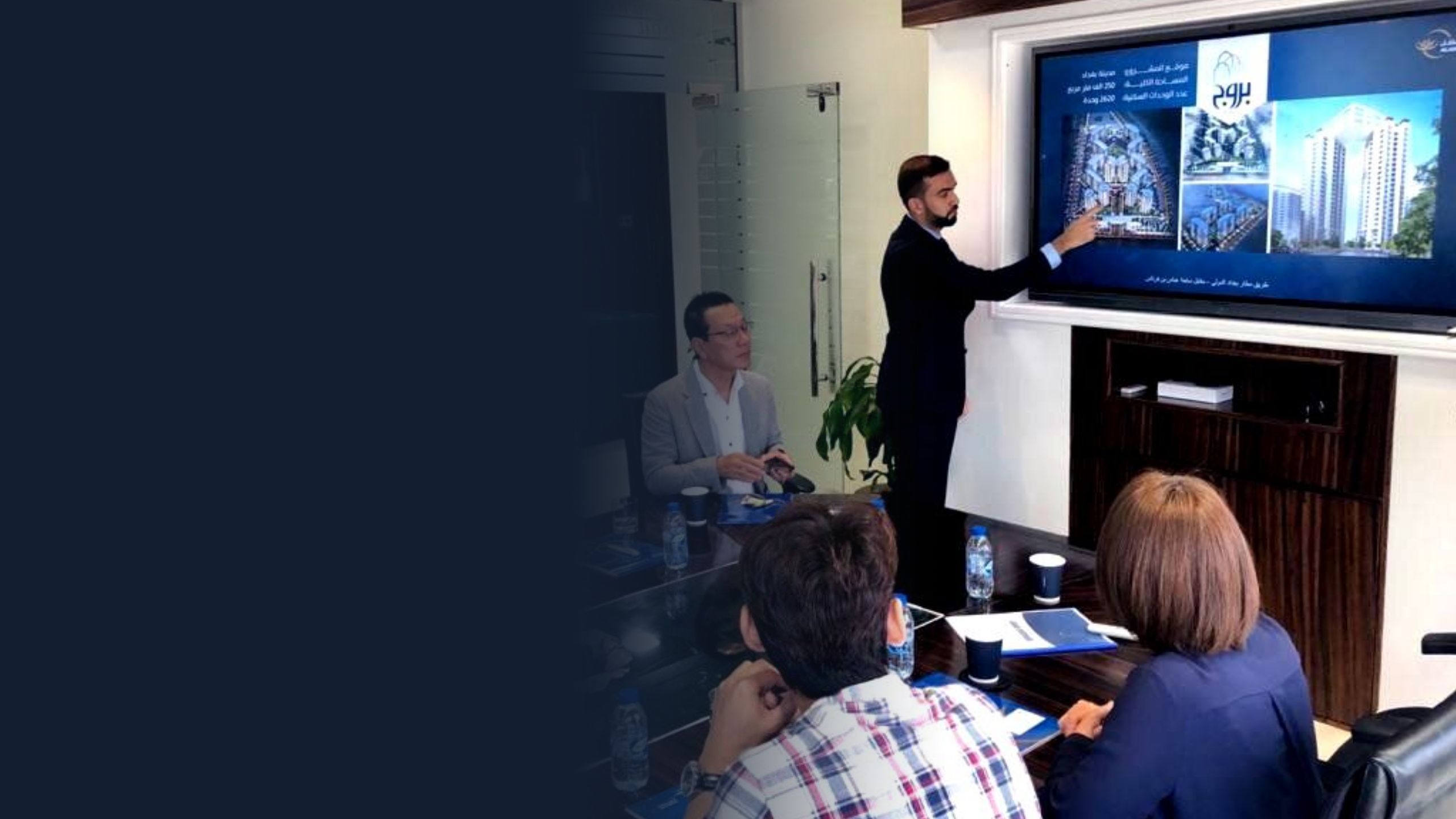
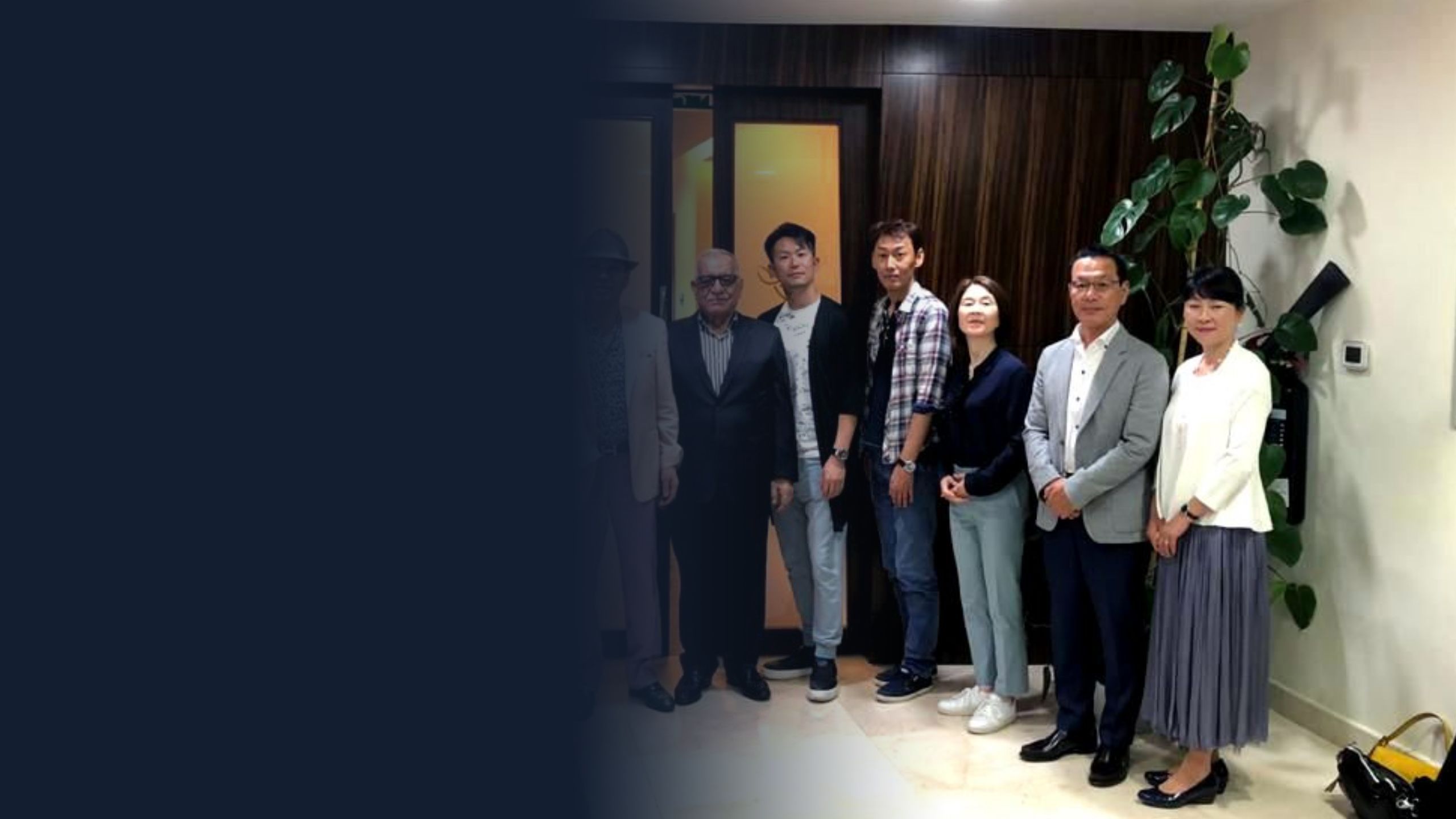
Image: Omar Al Handal presenting Al Handal Residential Group's Buruj Project in Baghdad to Japanese investors at Al Handal International Group's headquarters in Dubai; image courtesy of HIG



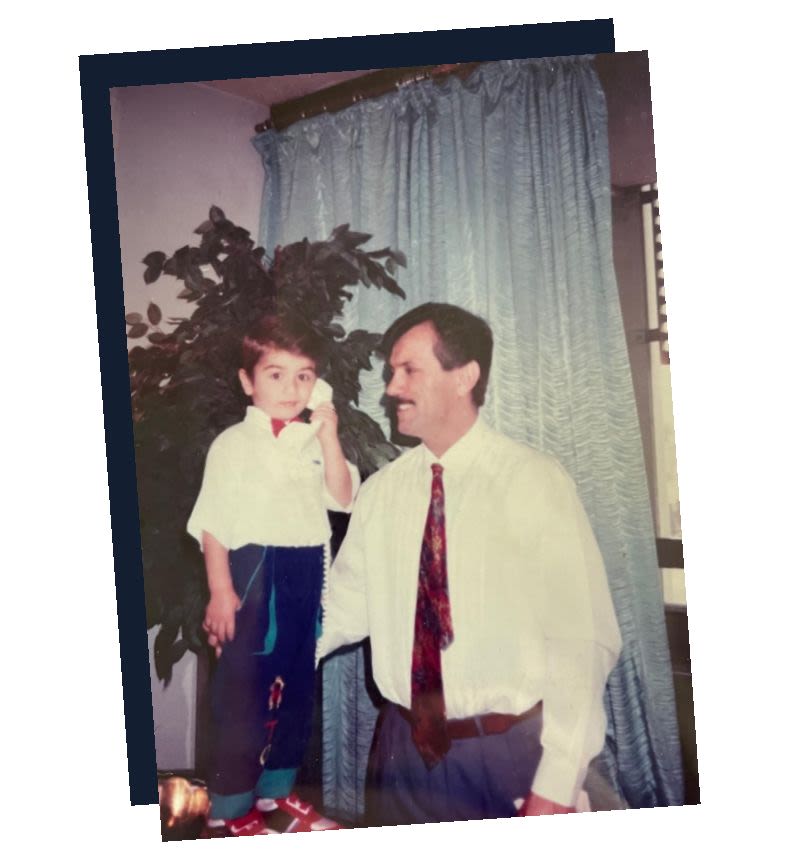
Omar Al Handal and his father on an office visit; image courtesy of HIG
Omar Al Handal and his father on an office visit; image courtesy of HIG
How were you introduced to the family business?
Early on in my childhood, my father began taking us into work, a tradition started by his father. And during our summer vacation, my cousins and I would go to the office. At the time, it felt like a series of lost summers, but in retrospect, we were learning the fundamentals of the family business.
My father mentored me both in and out of the office. He was imparting the people skills that are so ingrained in our company. We would meet in public places where I would listen to the elderly speak and absorb everything they said. I learned the value of my elders' wisdom. The privilege of learning in these unconventional ways made me who I am.
How did you translate those early experiences into a position at the company?
While I was attending university, I continued to visit the family office. Sitting in on the board meetings provided me with insight into our strategic business planning. The practical knowledge I acquired in these meetings far surpassed what I could learn at university.
Late in my degree, I started working as an associate at the company. Mirroring my family and other senior leadership, I observed the subtle nuances of deal-making. After I graduated, and instead of continuing my post-secondary education, I stayed on at the company and kept developing my skills and knowledge of our business practices.
I am proud of the path I took. I cannot put a price on the wisdom that I receive from my grandfather, father and uncles on a daily basis. They mentor me on the practices that make our family business so successful – chiefly integrity, responsibility and accountability. We are a collective. At the end of the day, we all work together for the success of the family.

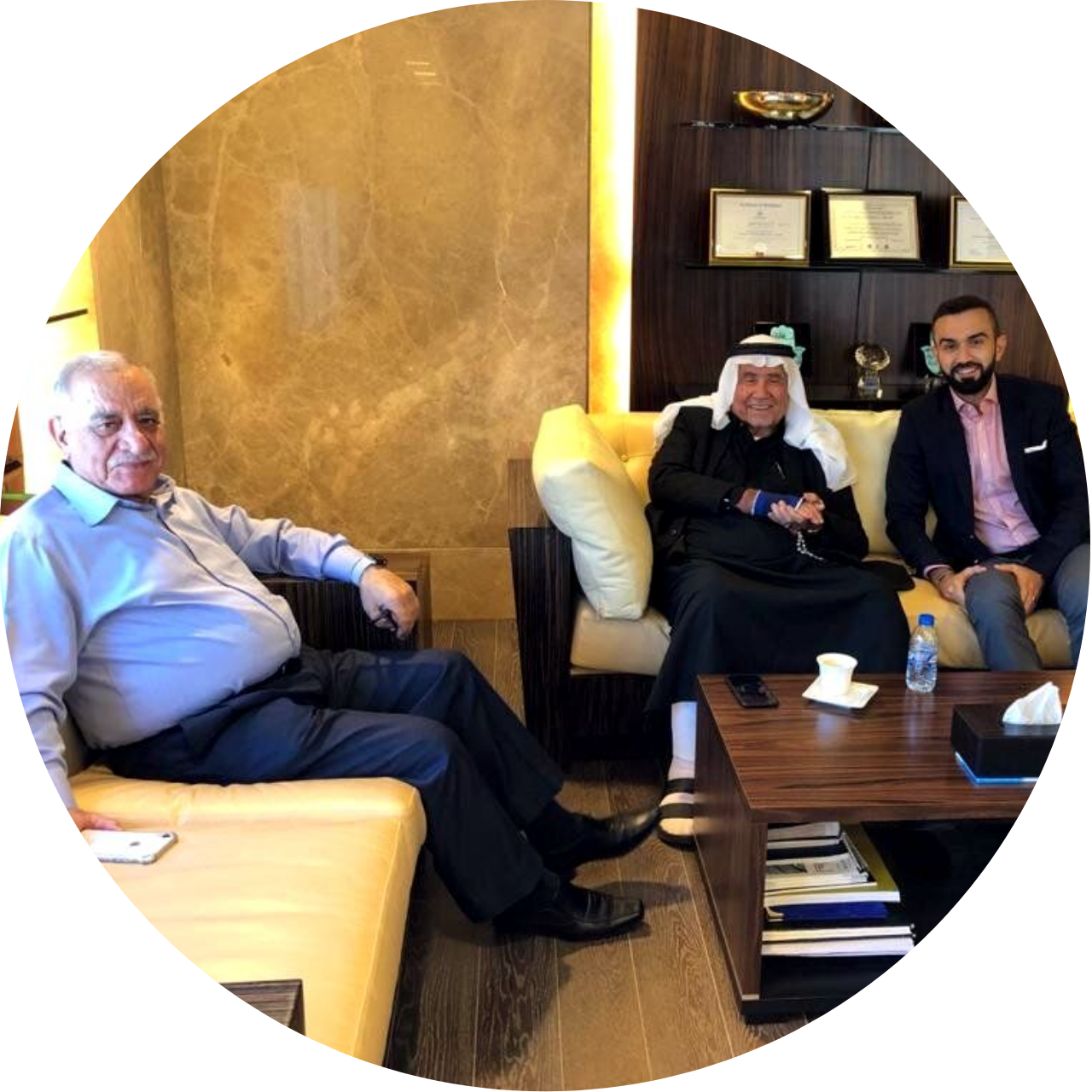
Haji Noori visiting the Al Handal office; image courtesy of HIG
Haji Noori visiting the Al Handal office; image courtesy of HIG




Exploring how to structure and manage your collective assets and wealth in turbulent times.
Leading the Family Office
May 26-28, 2021




How is the Al Handal Group structured?
It all starts with my grandfather, the patriarch of the company, who took an active role in the business until this year. Now, the senior leadership is made up of my father and his six brothers.
While we are a big family, it is those of us who work in the organisation that are the biggest stakeholders. Much like how my uncles have different roles in the company leading various sectors, my cousins and I also have key duties and manage our own departments.
We welcome all members into the family business so long as they have the required competencies. Our family decided early to break the mould of male primogeniture. Instead, we operate as a meritocracy. Regardless of family position, age or gender, the most capable are given leading roles.
By establishing clear guidelines for family governance, we are ensuring the longevity of our business. We empower each family member to succeed in the way best suited to themselves. It takes the pressure off; hypothetically, if my children opt to take a backseat in running the company, we know that there will be others to carry out that duty.
What was the catalyst for the creation of the Al Handal family office?
Unfortunately for our family, tragedy necessitated a change in our structuring. One of my uncles, a managing partner, passed away, leaving much uncertainty.
The family business was structured under one umbrella at the time. Without clear organisation, questions arose regarding his inheritance and who had a stake in it. That uncertainty led to much confusion, which resulted in a legal battle in the third generation. Family reputation is very important in our region, so the court case was particularly injurious.
Still, my father and uncles made sure that this incident had a positive outcome. They established a family office with clear governance. Now in its third year of operation, we are working with top firms to further develop this initiative.




We empower each family member to succeed in the way best suited to themselves. It takes the pressure off; hypothetically, if my children opt to take a backseat in running the company, we know that there will be others to carry out that duty.
Omar Al Handal
What have you learned since Al Handal founded a family office?
Selecting the proper governance structure for your family office is key to long-term sustainability. It drives our entrepreneurial model and firm performance. Our governance is built on the values and principles that each generation contributes to our business identity.
The family office should also have robust components. The family committee and family employment policy are two of the most important elements, but many other features are also in place to ensure its continuity.
For example, we look at the needs of our family outside of the business. Helping the next generation through university and enabling them to follow their dreams is one important intergenerational measure. Ensuring that each family member can prosper is crucial for success – their success cascades to future generations.
How does the integration of family members ensure business continuity?
Continuity in the family business and office is a perennial issue that must be borne in mind. I believe it is a focal point of many family offices. In particular, as the scale of a family increases, so do the needs and wishes of its members. This diversification of perspectives can give rise to conflict, competing interests or even the desire to divest from the business.
Family bonds must be established at an early age. Instilling in the next generation the family values and a sense of collective pride in the mission of the business is fundamental to future engagement. As an Iraqi family, we have a great sense of respect for previous generations, which I think strengthens that bond.
The unity of our family is no more present than in the words of encouragement we receive from our elders. They push us to be our best, but not at the cost of our familial relationships. They taught us the importance of conflict resolution and always having an open dialogue.
Unity will continue to be an important part of the family office, and a key part of that unity is our integrative, meritocratic approach.
In the Middle East and North Africa (MENA) region, it is not uncommon to still find patrilineal governance. This is somewhat of a holdover from a traditional Arabic mentality.
Our family office has a board of advisors and directors that incorporates external members; we operate with a hybrid model.
One key difference from some others in our region is that we promote women to be a part of that leadership team. We are bridging the gap in MENA between cultural and business practices.
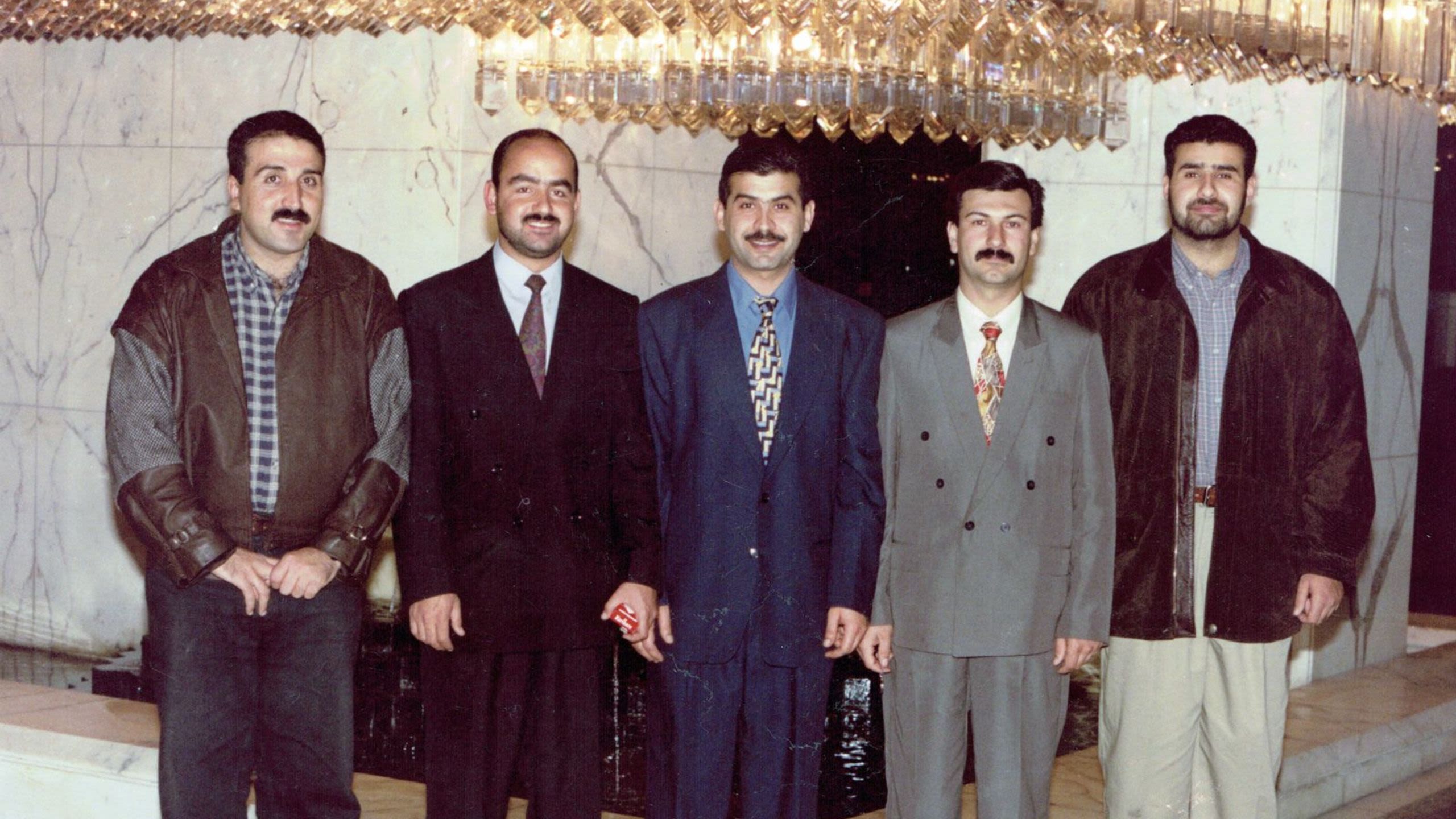
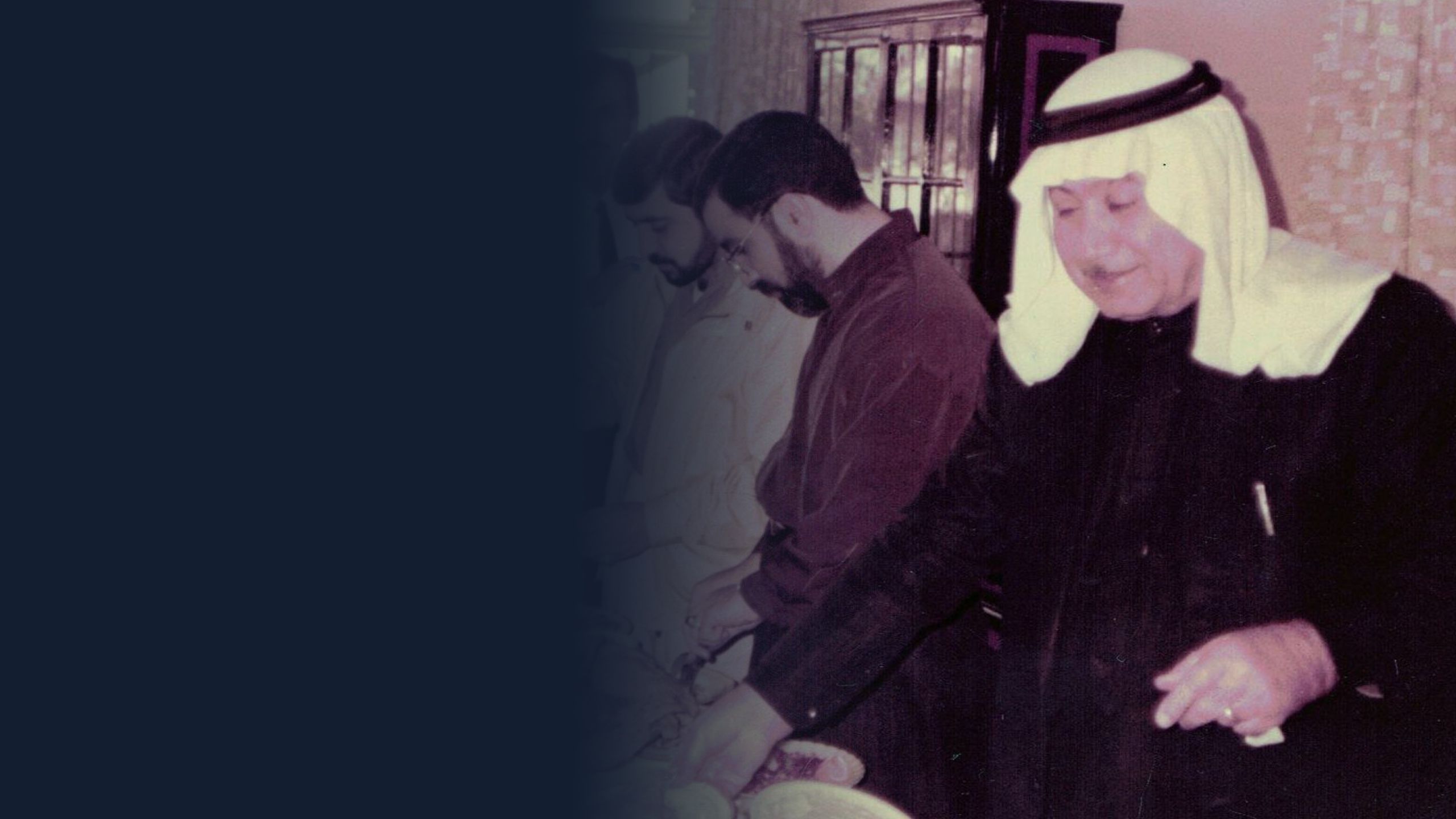
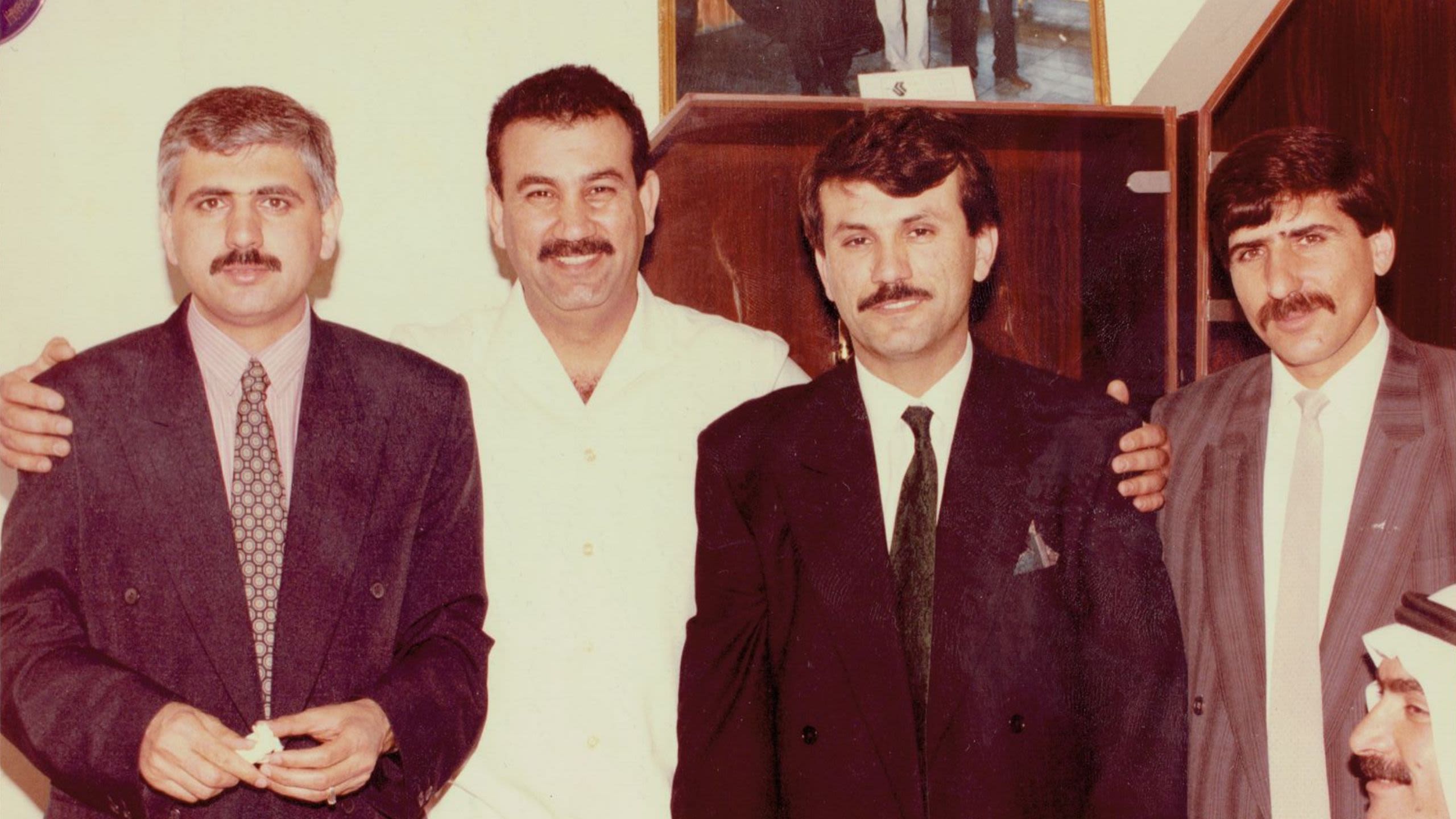
Image: Luncheon at the Baghdad office hosted by Omar Al Handal's great-grandfather in 1995; image courtesy of HIG






How can family members overcome the potential barriers that might get in the way of enacting new and beneficial governance?
Much of the difficulty in establishing governance, which requires potentially uncomfortable conversations, can be overcome by setting aside your ego and deleterious beliefs. If you want to operate as a meritocracy, you need to be honest about the role each family member plays in the business. It may be uncomfortable to put a spotlight on your work and have its value quantified, but it is an important first step to achieving balance.
A family office can help build that sustainable governance model. It is an effective vehicle for families to broach difficult topics, such as roles and compensation.
On the business side, family members may come and go, so having a family office there to maintain a space with some continuity is paramount to longevity as a whole.


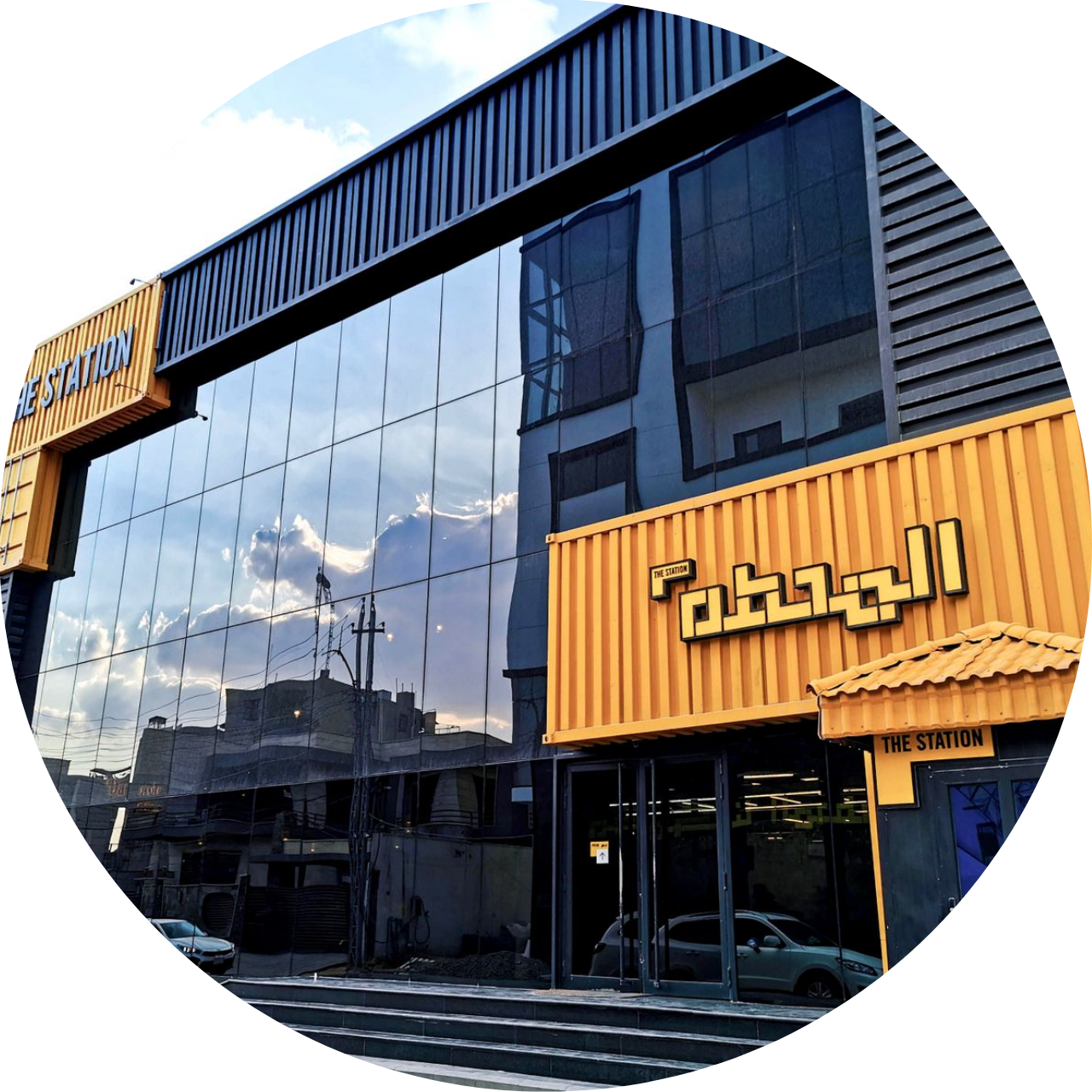
The first branch of the Station Foundation in Baghdad opened in 2018 and consists of a co-working space, meeting rooms, an event hall and a coffee shop; image courtesy of HIG
The first branch of the Station Foundation in Baghdad opened in 2018 and consists of a co-working space, meeting rooms, an event hall and a coffee shop; image courtesy of HIG
How have your family business and office responded to the pandemic?
The COVID-19 pandemic brought forth unprecedented change and uncertainty. Our family office is still quite new. As well, we did not have any structured contingency plans in place. I believe a lot of firms across the globe were in a similar situation.
That said, we've always focused on mitigating risk. We scrutinise every potential downside of our business and try to envision the risks that may accompany them. This strategy minimised our losses and protected the operations of all our subsidiaries.
I anticipate our greatest impact coming out of the pandemic will be in the education sector. Globally, students have had to contend with accelerated change. That effect is sometimes more significant in countries like Iraq, where the education system is already taxed for resources.
Our group took a lead role in bringing Coursera, an online learning platform, through the Station Foundation for Entrepreneurship, which is our not-for-profit co-working space NGO in Iraq. The new partnership will create a blended learning model where students can access the local university curriculum while taking courses at the London School of Business or Stanford, for example.
The rapid onset of issues caused by COVID-19 forced us to come up with accelerated solutions. I consider education and healthcare to be the cornerstones of any successful country. While these may not be as well developed in Iraq, I think the Coursera partnership invokes positive change in this key area.
What accounts for this focus on philanthropy?
Philanthropic work is part of the Al Handal identity, which I attribute to our culture and family. The values and sense of responsibility that my grandfather passed to my father and then me are foundational. Giving back to our community and region is our most meaningful endeavour.
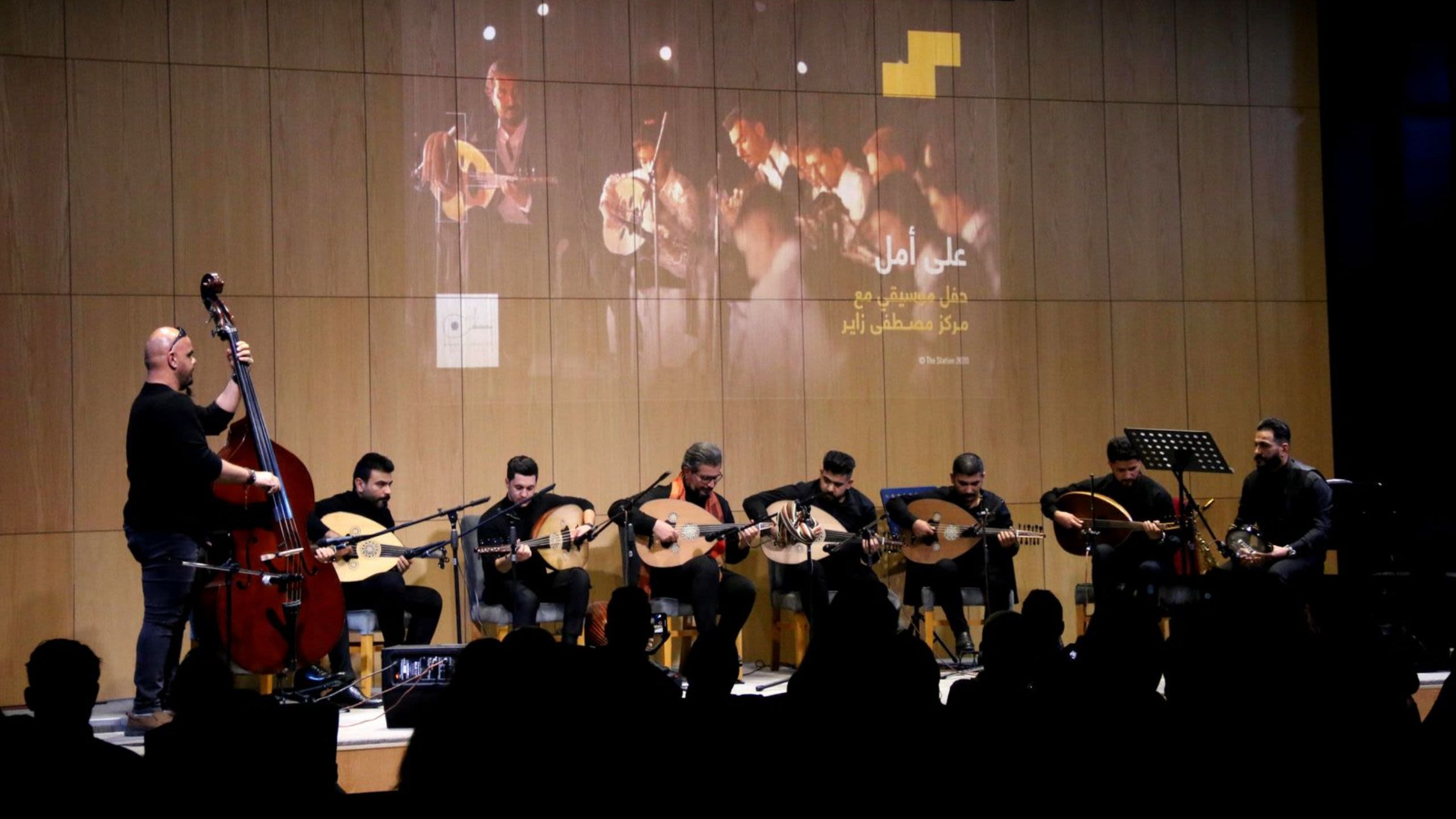
The Station Foundation for Entrepreneurship, another non-profit organization we oversee, is a further example. We wanted to make a place for Iraqi youth to create successful futures for themselves and others. Since opening in 2018 in Baghdad, we have helped thousands of young people attain their goals. We recently opened another branch in Mosul, a city adversely affected by the ISIS incursion.
To our family, the return on investment of our philanthropic work is bettering the future of others. If we can elevate the lives of others, we can rest easy knowing that our contributions are meaningful.

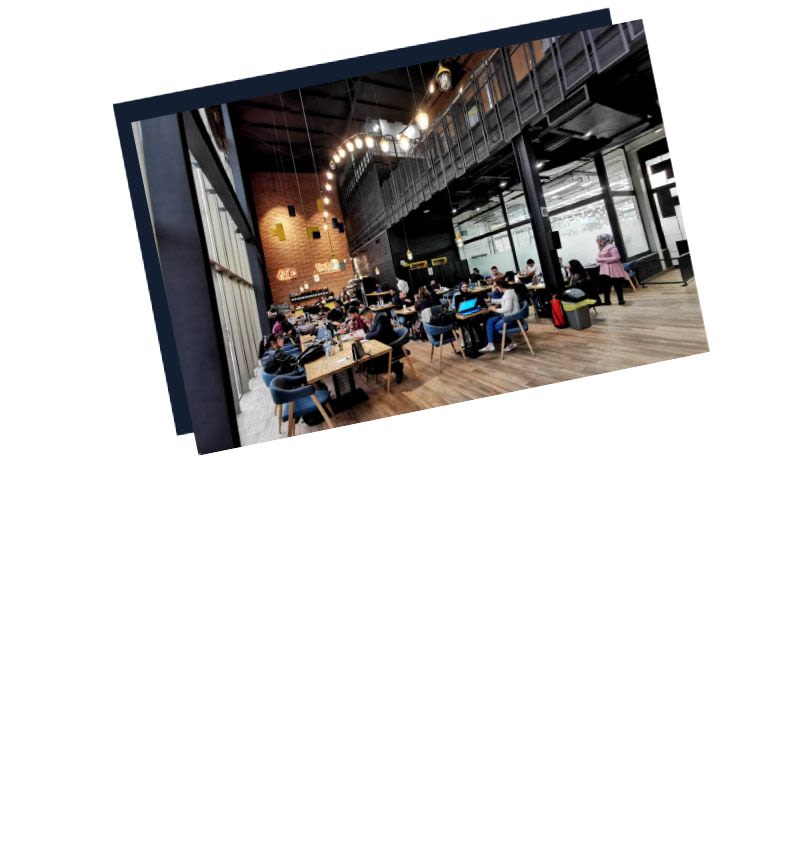
The networking space in the Station's coffee shop; image courtesy of HIG
The networking space in the Station's coffee shop; image courtesy of HIG
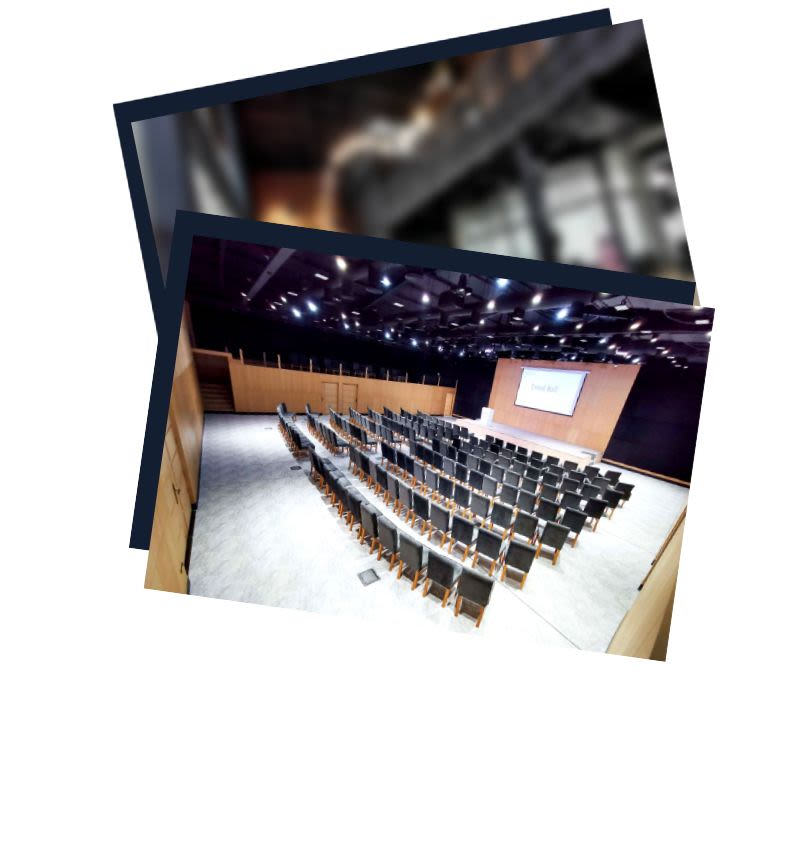
The events hall in the Station has hosted more than 300 forums and events and can accommodate 200 people; image courtesy of HIG
The events hall in the Station has hosted more than 300 forums and events and can accommodate 200 people; image courtesy of HIG


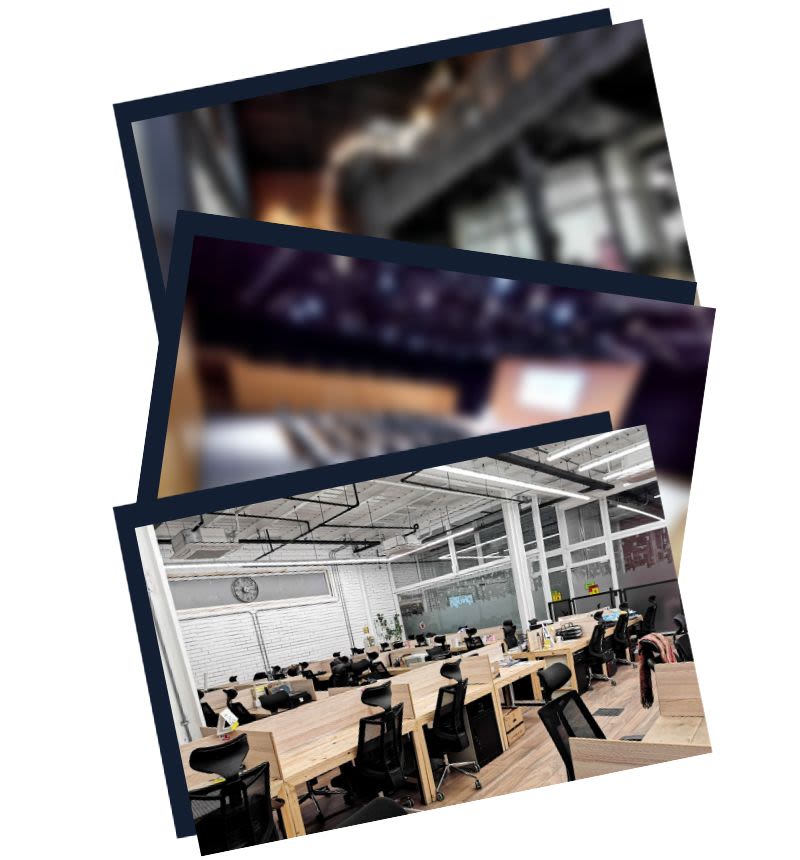
The Station's coworking space; image courtesy of HIG
The Station's coworking space; image courtesy of HIG



The values and sense of responsibility that my grandfather passed to my father and then me are foundational. Giving back to our community and region is our most meaningful endeavour.
Omar Al Handal
How is your family business changing perceptions of Iraq?
Due to the conflicts in recent years, Iraq is often seen as unstable by other countries. Our family and its business are working to correct this misconception, which can have damaging consequences. In 2009, it cost Iraqi citizens over US$4,000 to obtain a visa to fly to the UAE. These were essentially black market prices.
Abr Al Masafat, one of our subsidiaries, entered into negotiation with Emirates Airlines and the Ministry of Transportation. It took over six months to establish a memorandum of understanding. At the time, Iraq was unstable with many micro conflicts. Despite the situation, our efforts were successful after just one year. We managed to change some of these perceptions, and the visa fee was drastically reduced to US$70.
This also enabled Iraqis to connect to the rest of the world through the UAE, which has had a positive effect on our business. We now have a representative office in Tokyo and Japanese stakeholders in our bank. Japanese investors have only a 3 per cent stake in the entirety of the Middle East, so we are really proud of that development.
Are family governance tools part of the future of Al Handal Group?
Unequivocally, yes – having the proper governance tools increases business opportunities exponentially. In the early days of our company, we did not have those articulated at a professional level. Now, our counterparts are seeing a different company entirely.
When they visit our offices in Dubai, Iraq and Turkey, they see our family bond, and they see how our culture and governance work together to ensure that bond. They can't help but notice the level of respect we give to each other. The stability of the collective lies in ensuring that each member is given room and opportunities to achieve their highest potential.
Image: An annual meeting with Japanese stakeholders at the Dubai office; image courtesy of HIG




 Built with Shorthand