ARTO Brick:
Building a Legacy
of Survival
Interview with Armen Alajian,
ARTO Brick, USA


For ARTO Brick, Southern California's artisanal brick and tile manufacturer, survival is more than just the momentary struggle against circumstance; it's a legacy. Now, the legacy of the survival – from the Armenian Genocide to the 2008 financial crisis – is something to lean on. Just like many of his family business peers around the world, second-generation owner Armen Alajian is, once again, fighting for the survival of his company.

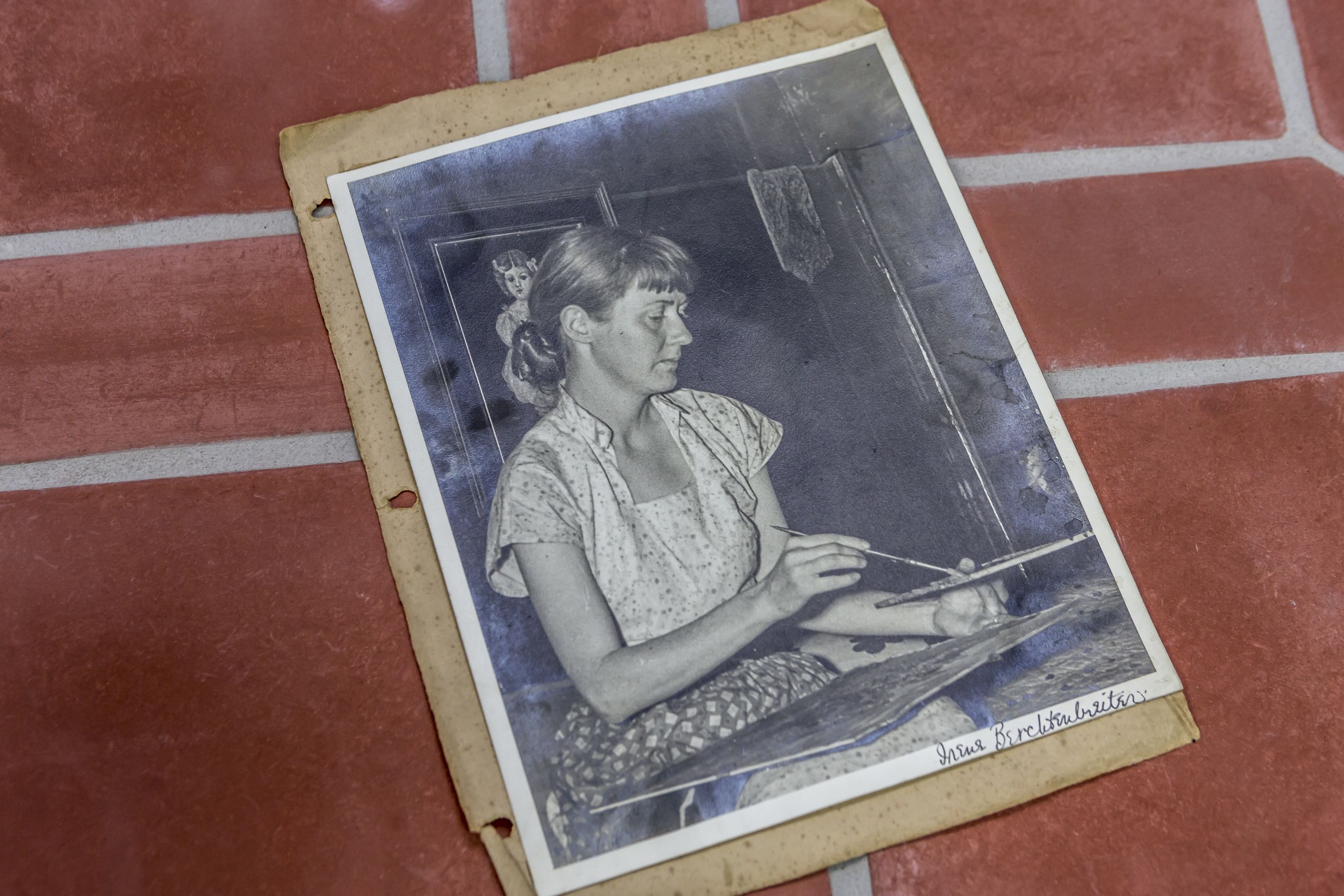
Image courtesy of ARTO Brick
Image courtesy of ARTO Brick

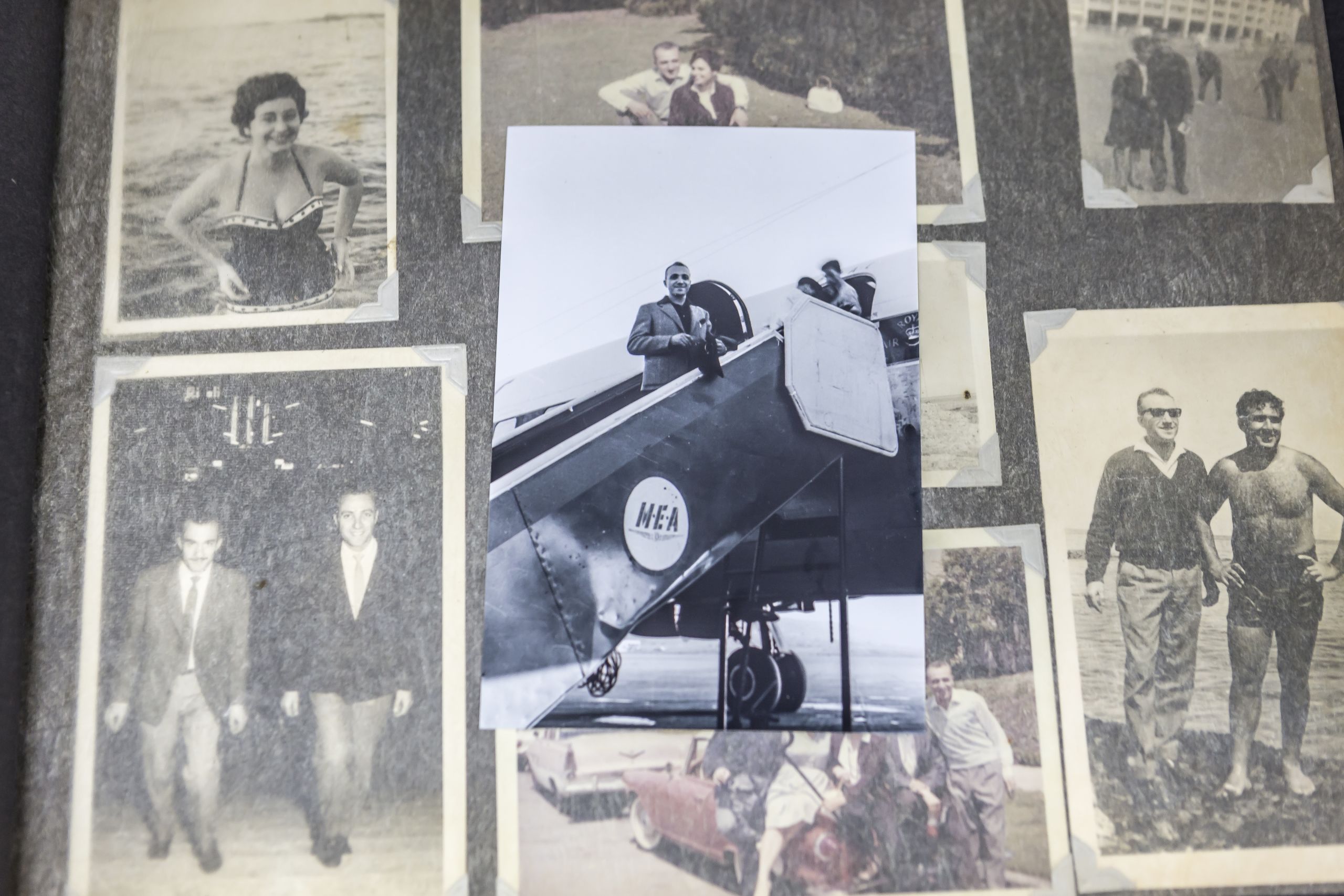
Image courtesy of ARTO: Brick
Image courtesy of ARTO: Brick

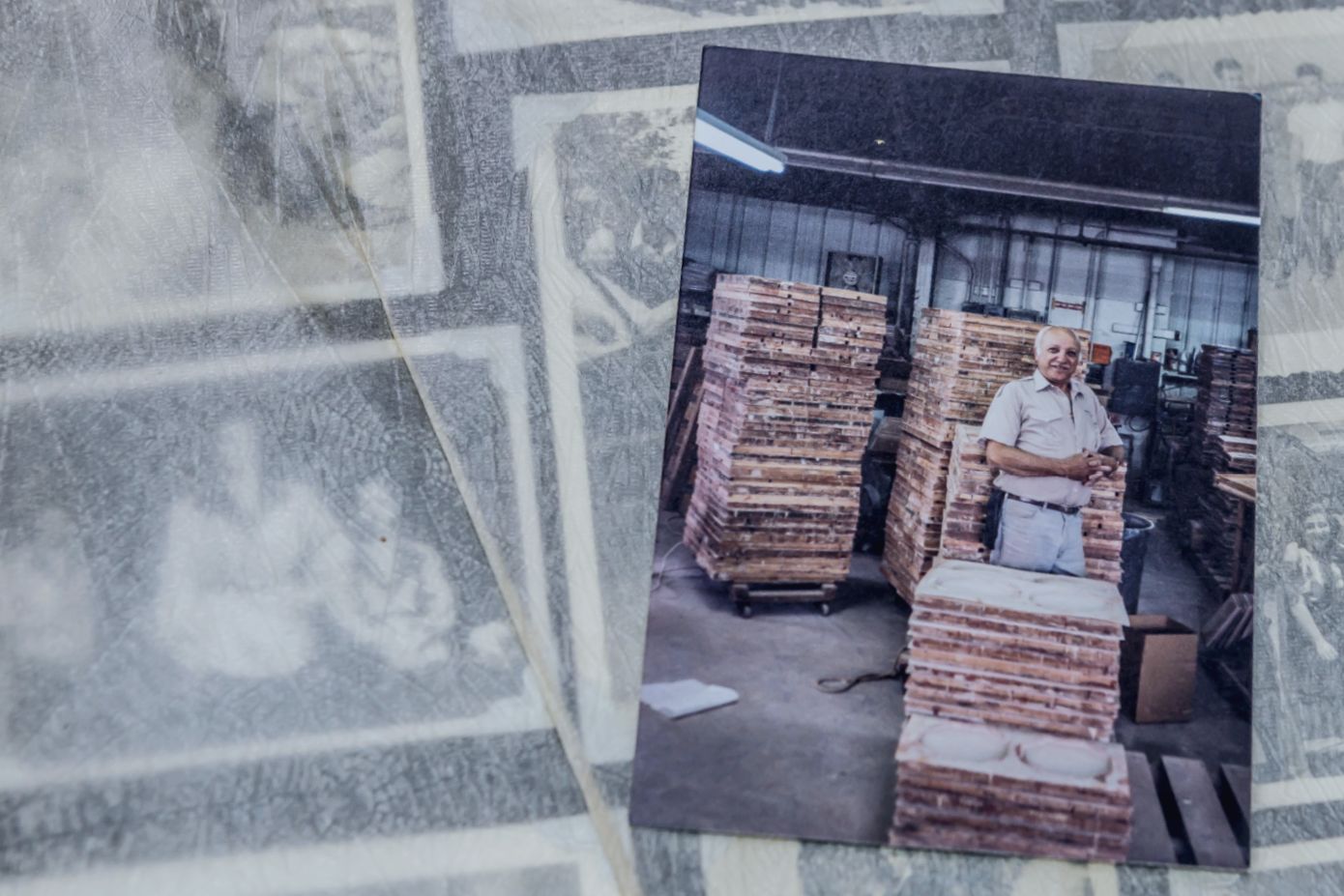


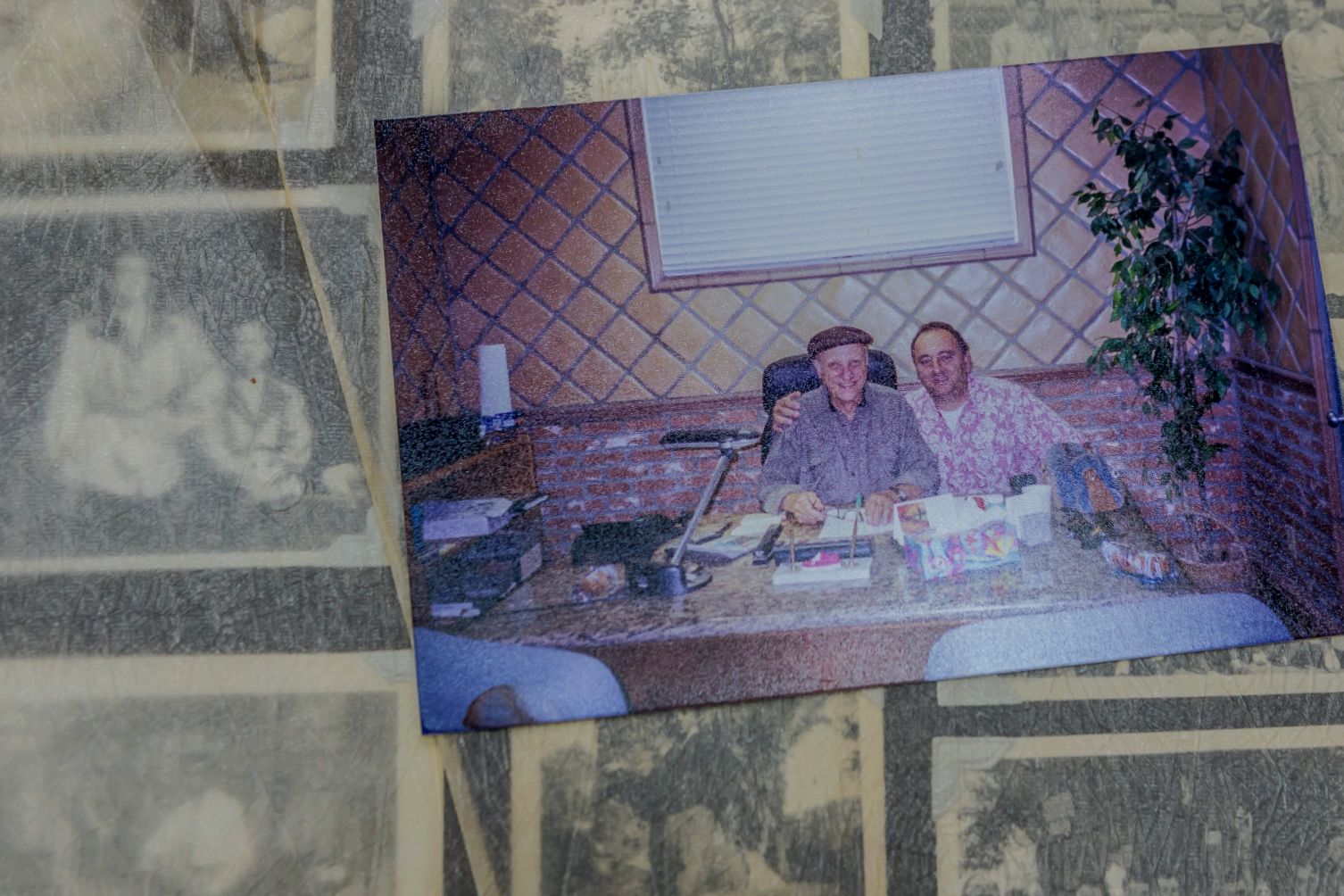
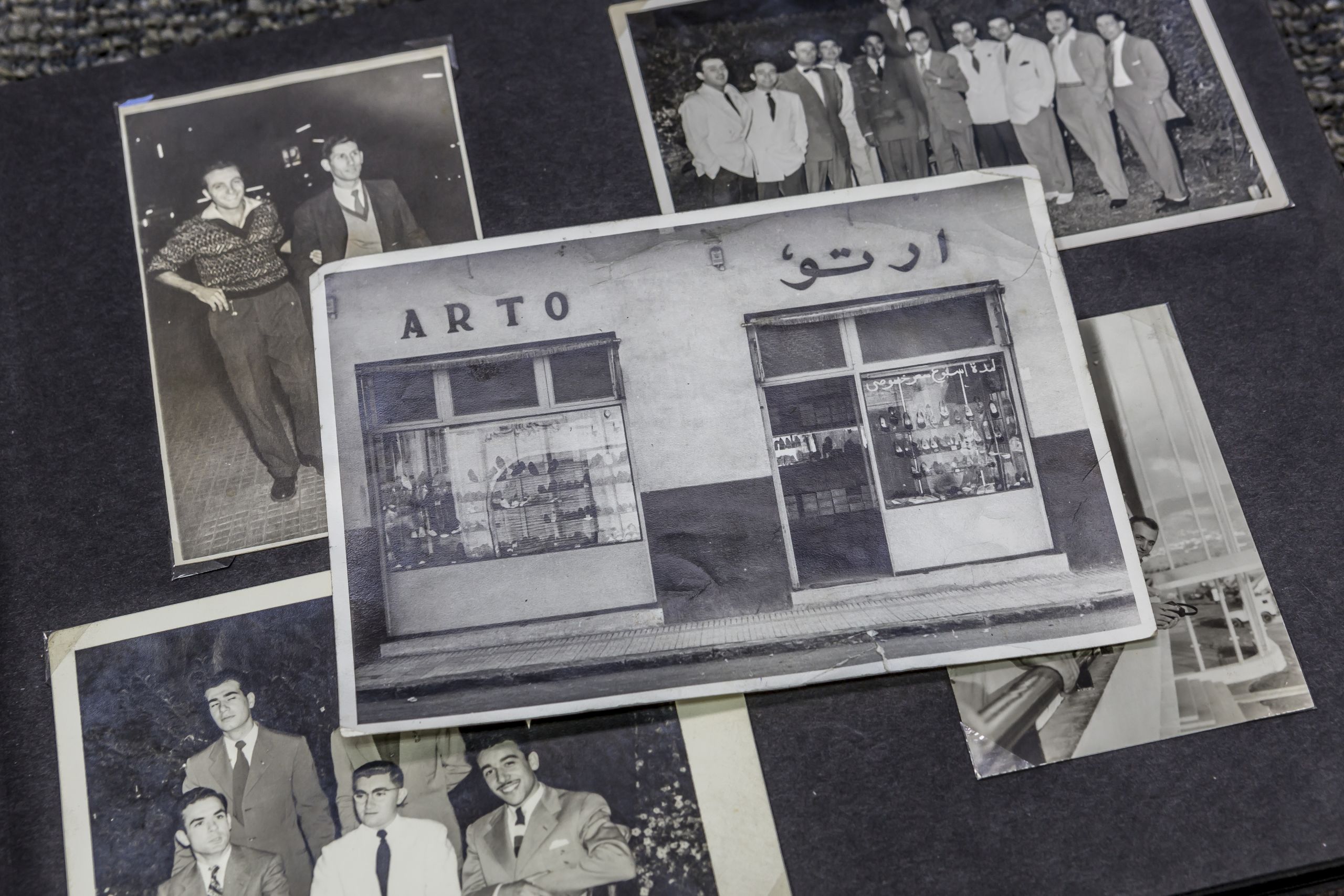
Armen's father Arto Alajian was an Egyptian-Armenian immigrant craftsman who saw an opportunity in selling elegant, handmade ceramic and concrete tiles. He founded ARTO Brick in 1966, not long after moving to the United States and settling in California.
As a boy, Arto survived the Armenian genocide and was adopted and raised by an Egyptian family. His story of survival became a family myth – central to how the Alajians see themselves in the world. This culture of resilience helped Armen and his brother Vod manage the family business years before they anticipated when Arto unexpectedly fell ill.
In practical terms, the two brothers were able to leverage the craftsmanship and ethics they had acquired from their father. ARTO Brick uses only locally sourced raw materials, while their glazes, moulds and shipping pallets are all made at the company's factory. However, they also took on their father's determination to move forward, even in a stagnant market. Since the brothers took over, ARTO Brick has grown from a small local shop to a successful international business.
Tharawat Magazine sat down with Armen Alajian to discuss his early experiences working alongside his father, how surviving the economic collapse of 2008 shaped his business and what ARTO Brick needs to do to survive the current crisis.

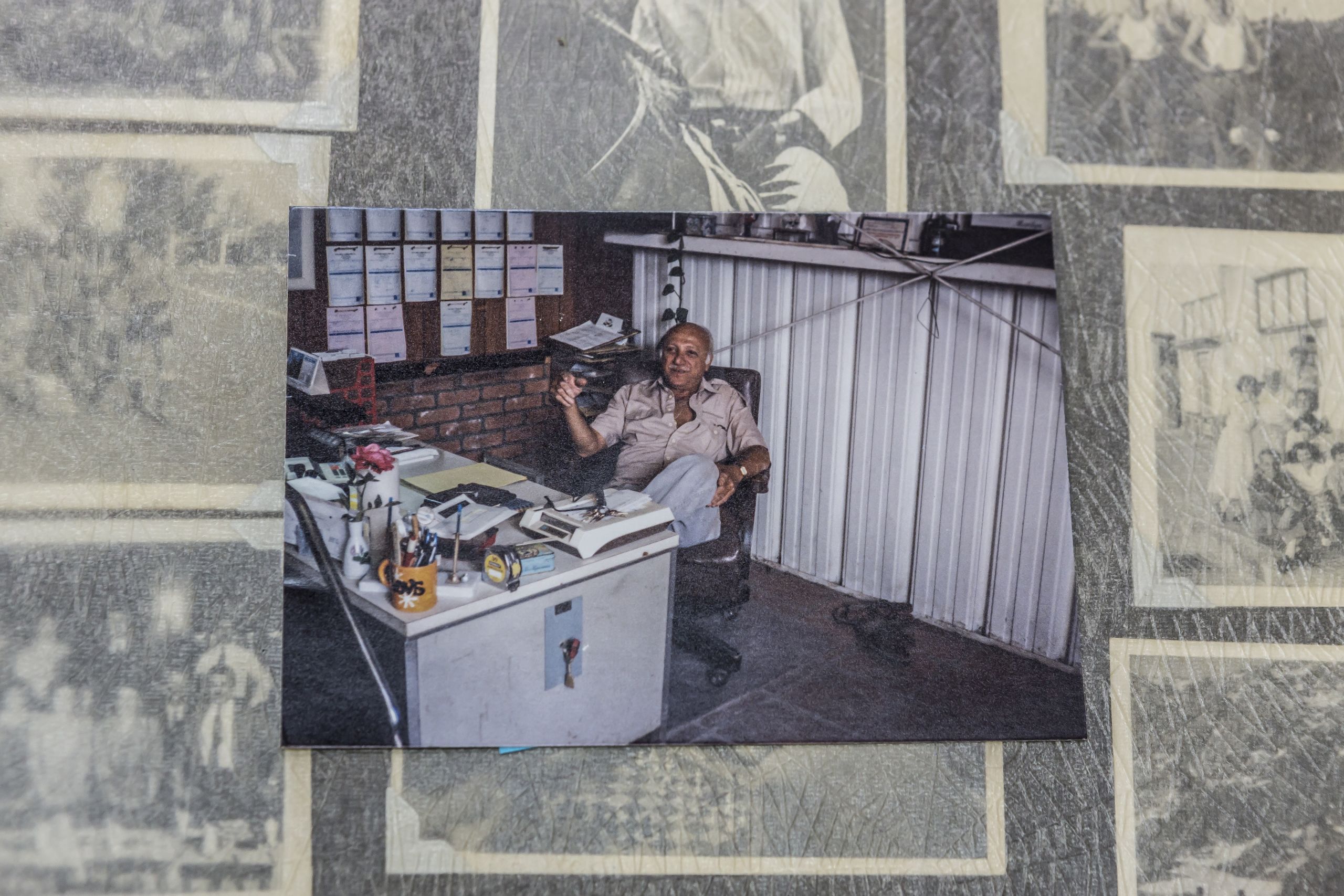
Image courtesy of ARTO Brick
Image courtesy of ARTO Brick
What was the working dynamic between you and your father when you first joined ARTO Brick?
You could say it was volatile. I had been estranged from my father for about nine years when I joined the business at the age of 19 – and if you know anything about Armenians, you know there's no hiding how you feel about something.
For the first six years, I either quit or got fired about ten times because we had completely different ways of seeing the world. We both wanted to grow the business, but we fought about how to do so. We were a dysfunctional family – like most families are. Fortunately, however, cooler heads prevailed, and we made peace and started working together again.
Eventually, my father took on the role of Board Chair while I looked after the daily operations, and the balance improved. We doubled our workforce from six to 12 people within a year and a half and without borrowing any money. As we grew, we switched our focus from installing to manufacturing.


Image courtesy of ARTO Brick
Image courtesy of ARTO Brick
How did the 2008 economic crisis impact the business?
In the early 2000s, I built the brand on old-fashioned websites; back then, however, they were still relatively new. In my sector, I was number one all over the world for at least two years before the big companies started to follow suit.
Between 2000 and 2007, we developed the brand in the local market, carving out a reputation of being a family business that produced high-quality handcrafted products at reasonable prices. We were good at what we did and, as a result, sailed along until October 2008. That’s when the financial crisis hit.
Around the same time, my dad fell and broke his neck. While in the hospital, he had a stroke and was out of action until he passed away in 2013. When the recession hit, we had no parachute. It was just my brother and me out on a limb, alone.


Image courtesy of ARTO Brick
Image courtesy of ARTO Brick
You’ve probably heard the old saying about burning your ships. In our case, the ships were burnt for us. My brother and I knew that no one would hire us because we were both wild broncos, so to speak – uncontrollable and incompatible with a normal workplace. We had no other option but to survive and advance, so that’s what we did.
From 2008 to 2012, we went from having 12 employees to 90 at our busiest times. As we grew, my brother and I faced a lot of hardship. I'm the salesman, and he’s the craftsman, so there was a lot of tension at times, but we worked through it.
I was telling my wife, Sally, that I was looking forward to having a break once we got past the 2008 trauma. It’s now 12 years later, and I have no more hair left to lose!


Image courtesy of ARTO Brick
Image courtesy of ARTO: Brick




Exploring how to structure and manage your collective assets and wealth in turbulent times.
Leading the Family Office
October 28-30, 2020
imd.org/lfo


In your opinion, has that experience given you a perspective that will lead you through this current crisis?
It certainly has. About 18 months ago, we put together a leadership team that includes my brother and me as CFO and COO, respectively. It has been hard to relinquish the role of “benevolent dictator” of the business; now, there are four people with different points of view to consider when analysing issues and making business decisions.
However, I feel like this has positioned us well after being at a crossroads in 2008. We had grown past our natural abilities and needed help to overcome the emotional, family-related issues that were holding us back.

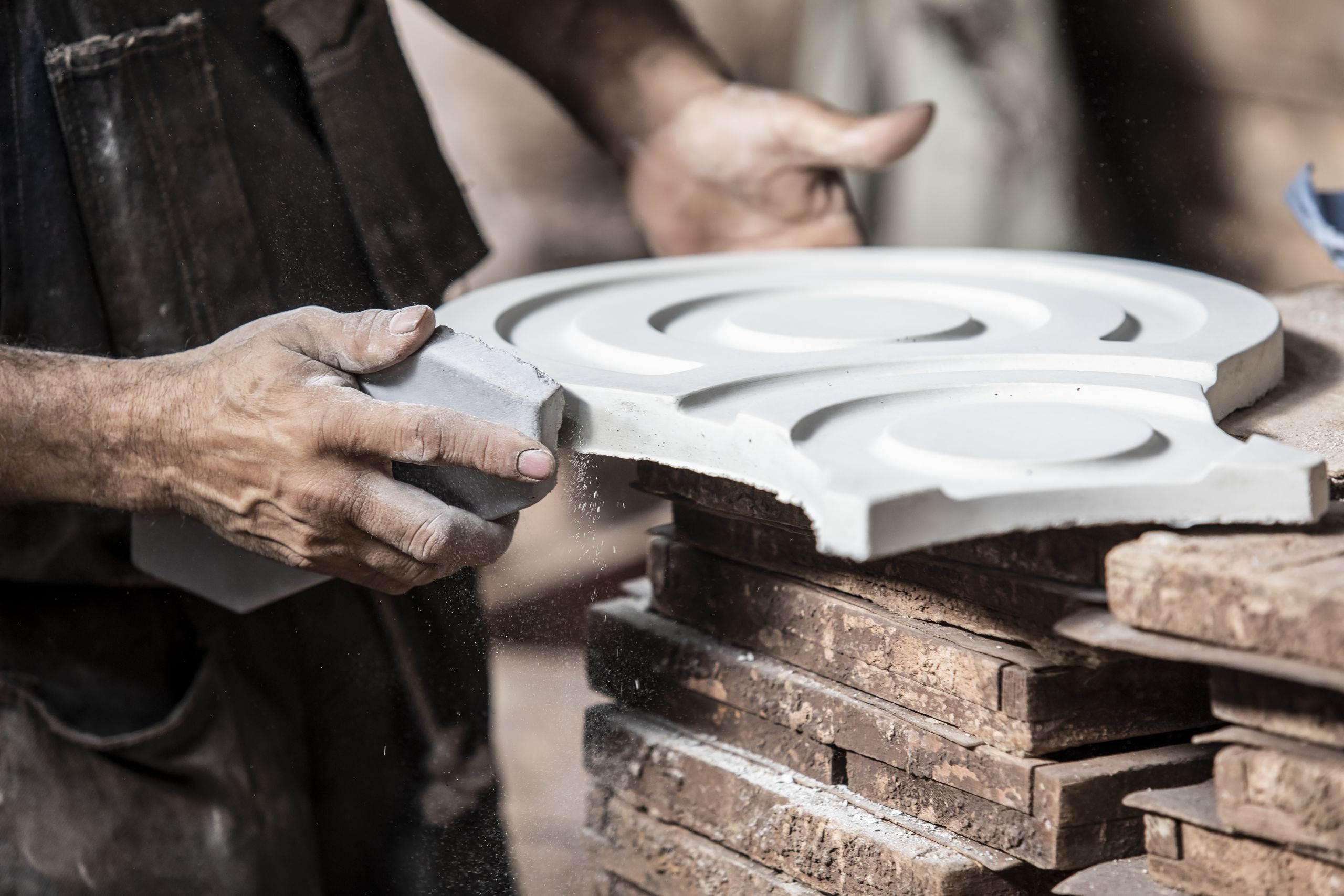
Image courtesy of ARTO Brick
Image courtesy of ARTO Brick
When the COVID-19 pandemic first surfaced, the leadership team had to take swift action. We gave our employees one week of pay and then furloughed them. That way, they could receive unemployment benefits. The bottom line was that we wanted to do everything we could to avoid hurting our people.
That was the hardest part of all this. I was tearing up as I was talking to my wife about what we had to do. As bad as things were in 2008, I never once considered getting rid of the business. But I knew that I would do whatever I had to. After all, if my grandfather could survive what he survived, and my dad could survive what he survived, why couldn’t I survive this?


Will you have a new business strategy for the post-COVID era?
My focus now is to hold the line and, if possible, take one step forward. In 2008, when I spent $1 to advance the business while my competitors in the market retreated, my $1 had the effect of $15. That was an important lesson for us.
When the next downturn happens, if your mindset is too conservative, you'll lose market share. For a small company, market share is more important than making cash. I’m not in this to buy 15 boats and have some fun – our goal is to stay firm and move the family business forward.
When my father was hurt in 2008, my mindset for the next three years was all about stewardship. I resigned myself to being the person who kept the stone polished and clean. Then something happened: I realised that real stewardship was about adding more stones.
I know people my age who are retreating. However, if you retreat too far, you'll lose ground to someone like me, who will step in to fill the void – and that's how a merchant family can cause disruption. So, what we learned from 2008 is to not only protect the core of the business but to also go out and conquer.


Image courtesy of ARTO Brick
Image courtesy of ARTO Brick

Image courtesy of ARTO Brick
Image courtesy of ARTO Brick


Image courtesy of ARTO Brick
Image courtesy of ARTO Brick


If you retreat too far, you'll lose ground to someone like me, who will step in to fill the void – and that's how a merchant family can cause disruption. So, what we learned from 2008 is to not only protect the core of the business but to also go out and conquer.
How do you instil “family” into the business currently?
If your business is comprised of 80 per cent family and 20 per cent people that you bring in, it is easier to have everyone understand the “why” behind the business. However, if it is you, your brother and 80 people who didn't know the founder very well, it can be easy to forget. Culturally, we've done really well at expressing who we are as our father's children in the workplace.
At home, this is something we are constantly working on. Every morning before work, we have coffee as a family, and I talk about the business for around 30 minutes.
Being so dedicated to the company has made me feel like a bad father at times. If my children decide to join ARTO Brick in the future, I want to make the path wide and smooth so they can walk into the business without having to sacrifice family life as much as I did.

Has the overall objective of the business changed as a result of the global pandemic?
Luckily for us, where we wanted to go is the same place as where we have to go now, but instead of doing it within a two- or three-year plan, we will now accelerate it. One of the most important aspects is the transition to a frictionless business.
Imagine having 80 bricks-and-mortar stores around the country that work in sync with an online business. If someone sees our product online and goes to a store – touches it, loves it and then goes home and buys it online – the store was part of that transaction.

I’ve often heard people say, ‘I will have to get rid of all of my dealers to have an online retail presence.’ My view is that I make a tangible product where touching and feeling it is part of the sales experience. After all, it's not like once you’ve seen one tile, you’ve seen them all.
We need to speed up this new model, and we may lose half of our dealers as a result. Because of COVID-19, the impulse to walk into a tradeshow has gone. For us, therefore, it’s not just about gaining a competitive advantage – it's about survival. But we’ve been there before, and we’ll come out of it again.

Image courtesy of ARTO Brick
Image courtesy of ARTO Brick

Image courtesy of ARTO Brick
Image courtesy of ARTO Brick



 Built with Shorthand